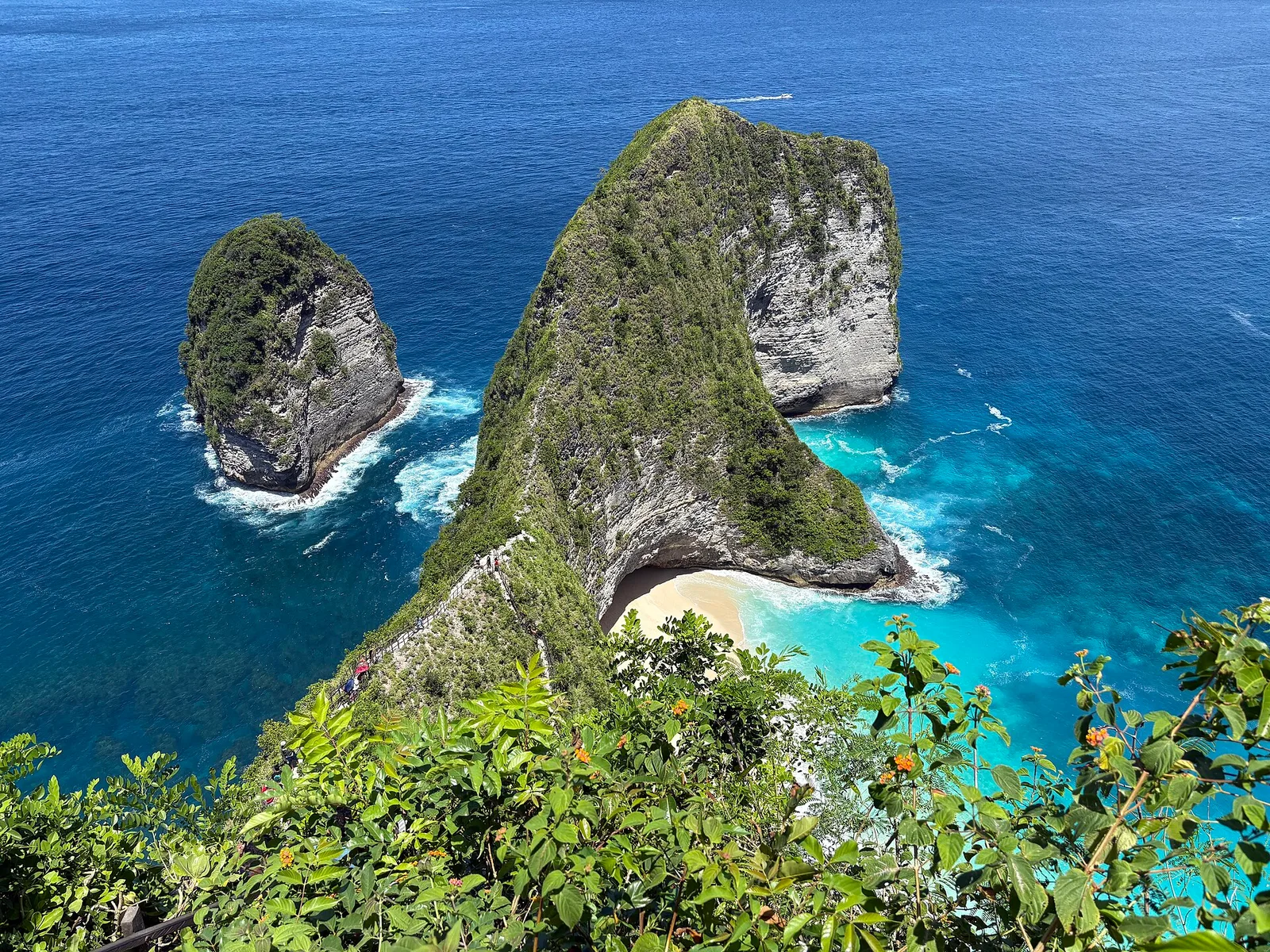
Ten days is the length at which Bali stops being a highlights reel. A week gets you the famous loop at a jog: the south coast, Ubud, a volcano sunrise, an island day. Ten days keeps every one of those and buys you a fourth act in a part of the island most visitors never reach, without turning the holiday into a driving job. Here is how to spend them, what each move actually costs in road time, and the two versions of the second half depending on whether you want sea or mountains.
The shape of the trip
The itinerary is built on three bases and one long move, which is the pattern that survives contact with Bali’s roads.
Days 1 to 3, the south coast. Land, recover, surf or swim, eat well, and see the Bukit cliffs. This is the easy end of the island and the right place to be jet-lagged.
Days 4 to 6, Ubud. Inland, green and cooler, with rice terraces, temples, waterfalls and the volcano within reach.
Day 7, a Nusa island. A boat day out and back, or an overnight if you would rather not rush it.
Days 8 to 10, the east or the north. The part that a seven-day trip cannot fit, and the part people remember.
Everything below fills that skeleton in. The order matters more than it looks: the south coast first because it is nearest the airport, the quiet region last because it is furthest, and the island day in the middle where a weather delay does not threaten your flight.
Days 1 to 3: the south coast
Land, and do not schedule anything for the first afternoon. The flight to Bali is long from almost everywhere, arrivals can be slow, and the drive out of the airport is the worst traffic on the island.
Where to base. Canggu for surf, cafes and a young, busy scene. Seminyak for a more polished version with wider beaches and the beach clubs. Sanur for calm water, a flat promenade and the easiest boats to the islands, which makes it the family answer. Our comparison of Ubud and Canggu sets out the two personalities most people are actually choosing between on this island, and it is worth reading before you book, because they are far less interchangeable than the map suggests.
Day 1 is arrival, a swim, and dinner near where you sleep. Nothing else.
Day 2 is the beach and the neighbourhood: a surf lesson if you want one, a long lunch, and the sunset, which on this coast is the daily event rather than a bonus.
Day 3 is the Bukit peninsula in the south, where the coastline changes completely: limestone cliffs, hidden coves reached down long flights of steps, and the clifftop temple that most people build the afternoon around. Go for the late afternoon and stay for the sunset.
Days 4 to 6: Ubud
The move inland is the first real drive of the trip, and it is a genuine change of climate as well as scenery: cooler, greener, wetter and considerably quieter at night.
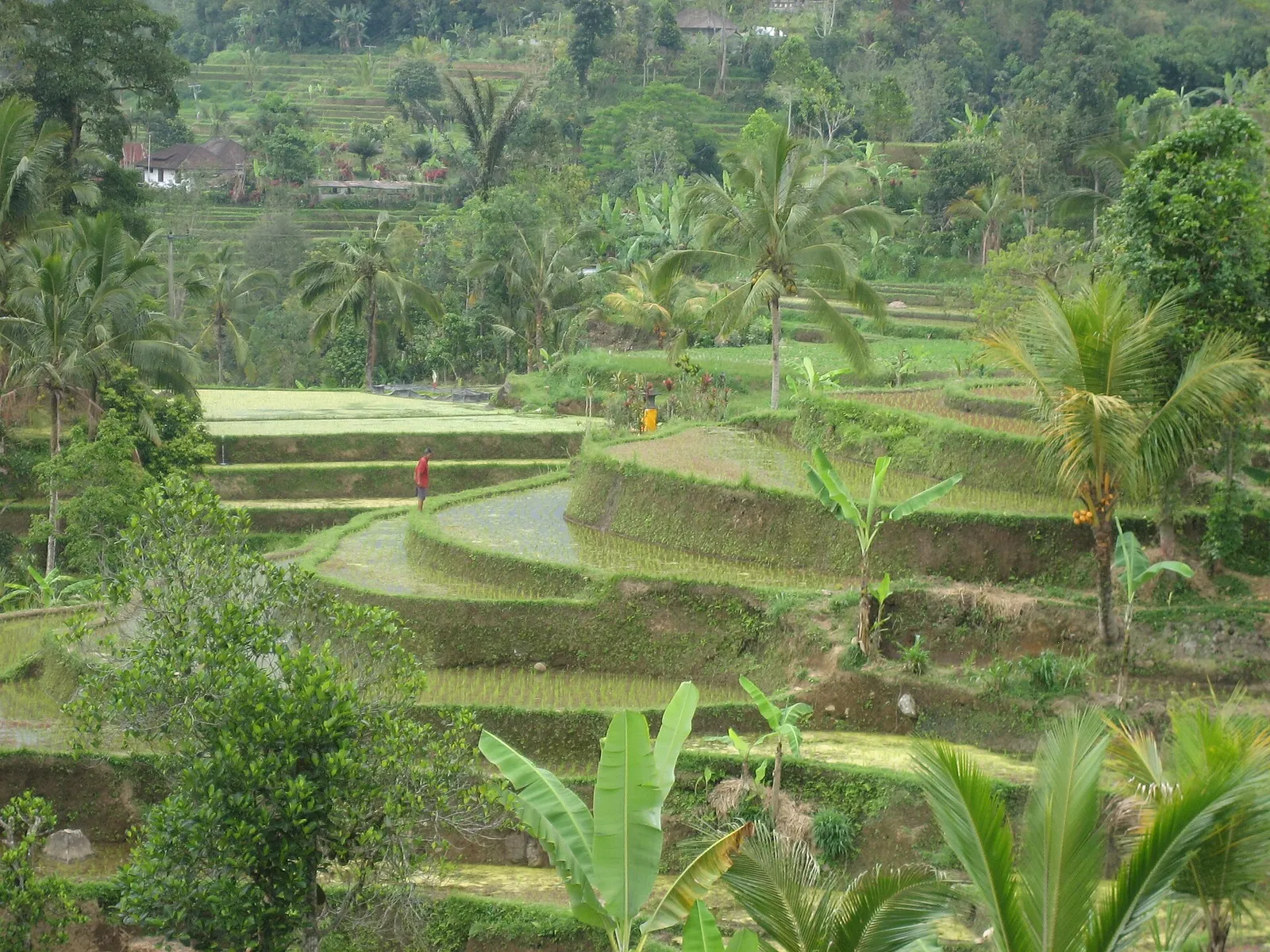
Day 4 is the move and a soft landing. Arrive, walk the town, eat, and if there is time, take in one of the terraced valleys on the edge of town in the late afternoon light.
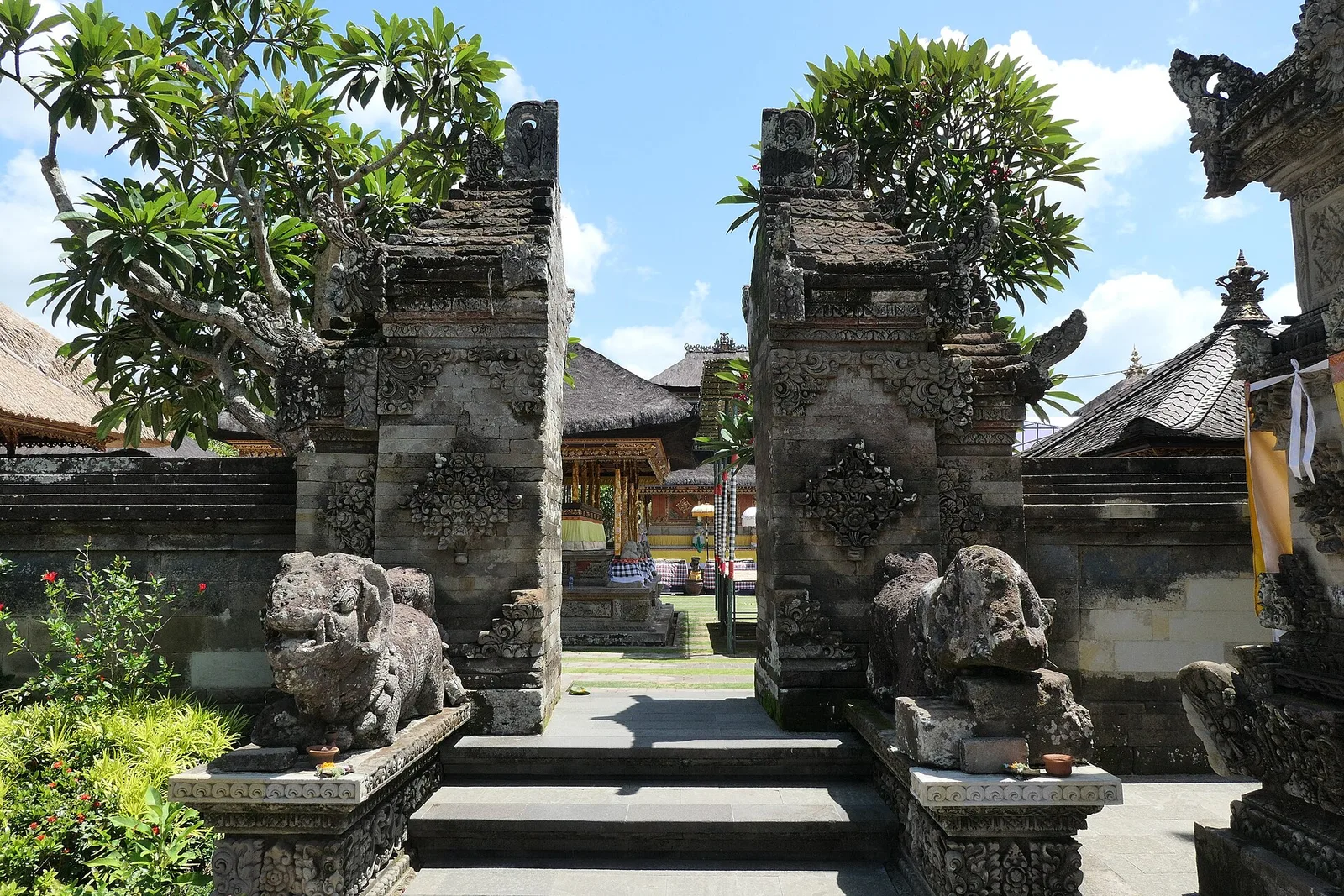
Day 5 is the classic Ubud day out with a driver: waterfalls, a temple or two, and the rice landscape. It is worth agreeing the route in advance rather than accepting the standard circuit, because the standard circuit is standard for a reason and everyone else is on it.
Day 6 is either the volcano sunrise, which means leaving in the small hours and being back by mid-morning, or a slower day of markets, a cooking class and a spa. Pick one. Doing the sunrise and then a full day afterwards is how people end up exhausted on day seven.
Day 7: the island day
The Nusa islands sit off the southeast coast and are reached by fast boat, and they are the single most photographed part of Bali that is not on Bali.
Nusa Penida is the dramatic one: enormous cliffs, the viewpoint everyone has seen, and snorkelling with manta rays in season. It is also the hard one, with rough internal roads, long transfers between the sights and real crowding at the main stops. A day trip here is a long day.
Nusa Lembongan is the gentle one: smaller, easier, good snorkelling, mangroves and a beach afternoon, with far less driving once you land.
Doing it as an overnight rather than a day trip is the upgrade if your ten days can spare the night, because it turns a rushed round trip into a morning on an island with nobody else there.
Two practical notes that matter more than the choice. Crossings are weather-dependent and can be cancelled, which is the reason this day sits in the middle of the trip rather than at the end. And the sea between Bali and the Nusas is frequently choppy, so if anyone in the group is prone to seasickness, plan for it rather than discovering it.
Days 8 to 10, version one: the east
This is the version to choose if you want the sea, and it is the quieter half of Bali by a wide margin.
Amed, on the northeast coast, is a string of small black-sand fishing villages under a volcano, with calm water, excellent snorkelling and diving directly off the beach, and almost nothing else to do. That is the appeal. Sunrise here comes up over the water, which it does not on the famous side of the island.
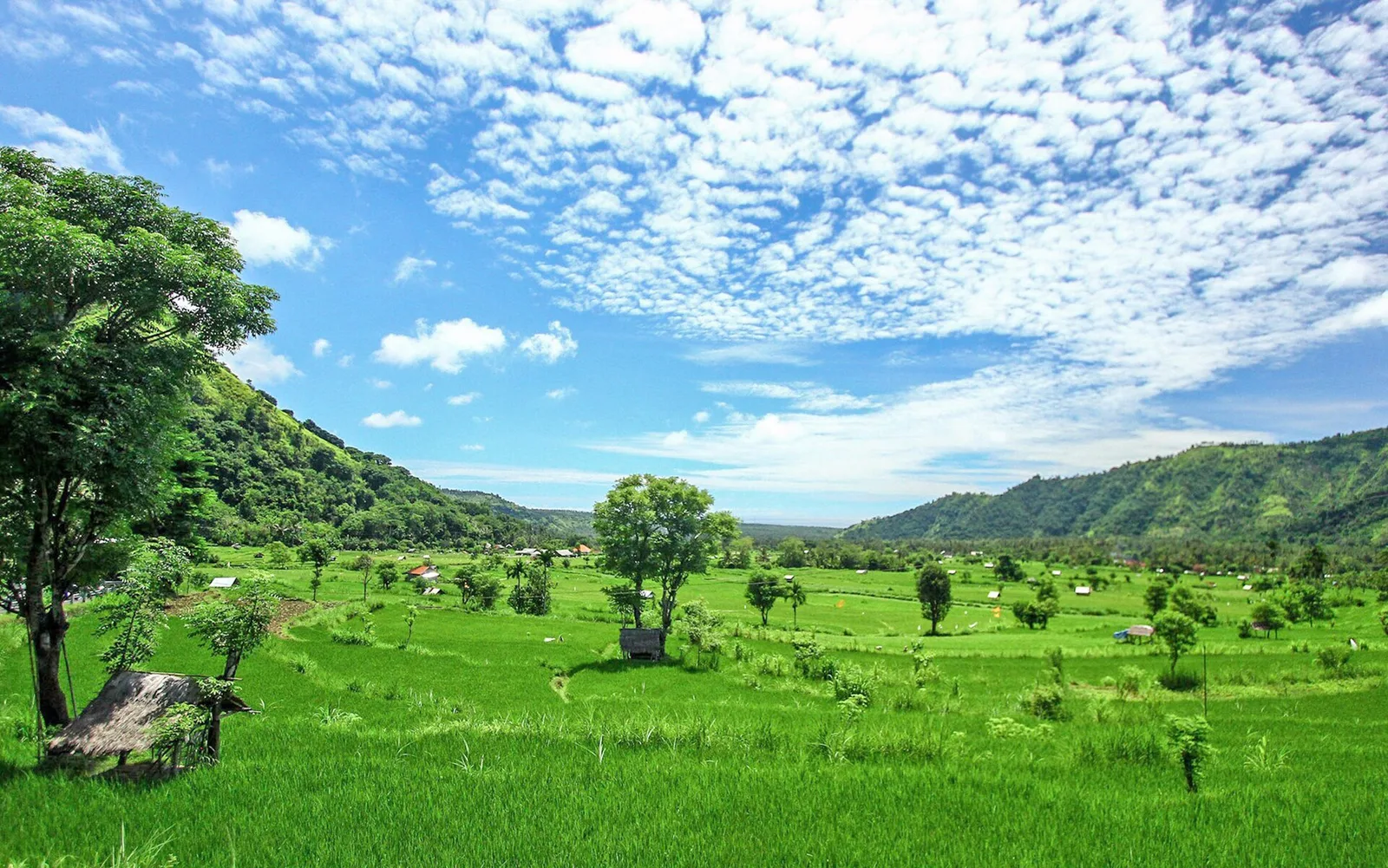
Sidemen, inland on the way, is a green valley of rice terraces and small villages that looks like the Ubud of thirty years ago, and it is the single most common answer when people are asked what they wish they had added.
Tirta Gangga and the water palaces sit between the two and fill a morning.
The east suits travellers who have had enough of scooters and cafes by day seven and want to end the trip somewhere slow, warm and largely undeveloped.
Days 8 to 10, version two: the north
Choose this if you want cool air, forest and water rather than beach.
Munduk and the highlands sit high enough to need a jumper in the evening, with waterfalls, coffee plantations, jungle walks and a genuinely different climate from everywhere else on this itinerary.
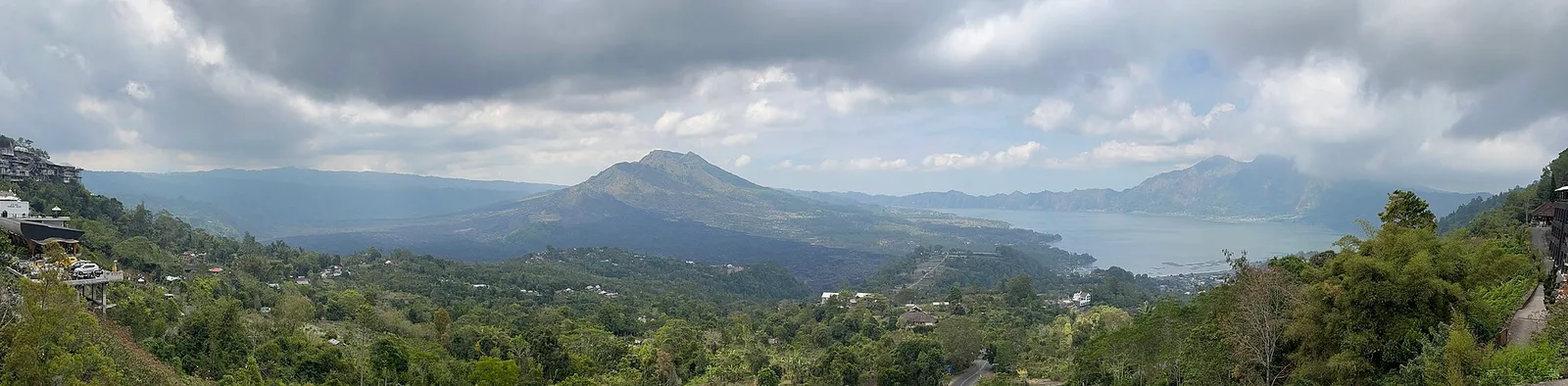
The crater lakes below the ridge include the temple on the water that appears on a great deal of Bali’s tourism material, and the surrounding area is farmland rather than resort.
The north coast beyond, around Lovina, is calm, black-sand and low-key, and it is where the road eventually brings you back down.
The north suits travellers who feel the heat, who like walking, and who want the last three days to feel like a different country from the first three.
The drive times nobody warns you about
This is the part of Bali planning that most itineraries get wrong, and it is worth stating plainly.
There are almost no fast roads. Most of the island is covered by single-lane roads that run continuously through villages, with scooters, dogs, ceremonies and trucks all sharing them. Average speeds are low and unpredictable.
Kilometres are a bad unit here. Two places that look close can be an hour apart, and the same journey can vary by half again depending on the hour.
Traffic in the south is the worst on the island, particularly in the late afternoon, and it affects every transfer that starts or ends near the airport.
Ceremonies close roads without notice, frequently and legitimately, and there is nothing to be done about it except leave margin.
The planning rules that follow are simple. One long drive per day, never two. Move base in the morning rather than at four in the afternoon. And leave the last night of the trip near the airport if your flight is early, because the drive down from the north or the east at dawn is not the way to end a holiday.
What to leave unplanned
Ten days is enough to book every hour, and it is a mistake. Three parts of this itinerary should be left open deliberately.
The afternoon of day one, because you will be more tired than you expect and the first day of a long-haul trip is not the day for a scheduled activity.
One full day in Ubud, because the town rewards wandering more than it rewards a list, and because the volcano sunrise option needs a recovery day next to it.
The last morning in the east or the north, because these are the places people wish they had spent longer, and an unplanned morning there is worth more than a fourth waterfall.
The one thing worth booking well ahead is accommodation, particularly in the dry season and above all in the quiet regions, where the good places have very few rooms and fill early. Our guide to where to stay in Bali covers every area on this route and what each one costs relative to the others, which is the decision that shapes the budget more than anything else.
If ten days is more than you have, the same logic applies with less room in it: two bases rather than four, and a transfer day used as a sightseeing day. Our five-day Bali itinerary sets out the compressed version and what it costs you to cut.
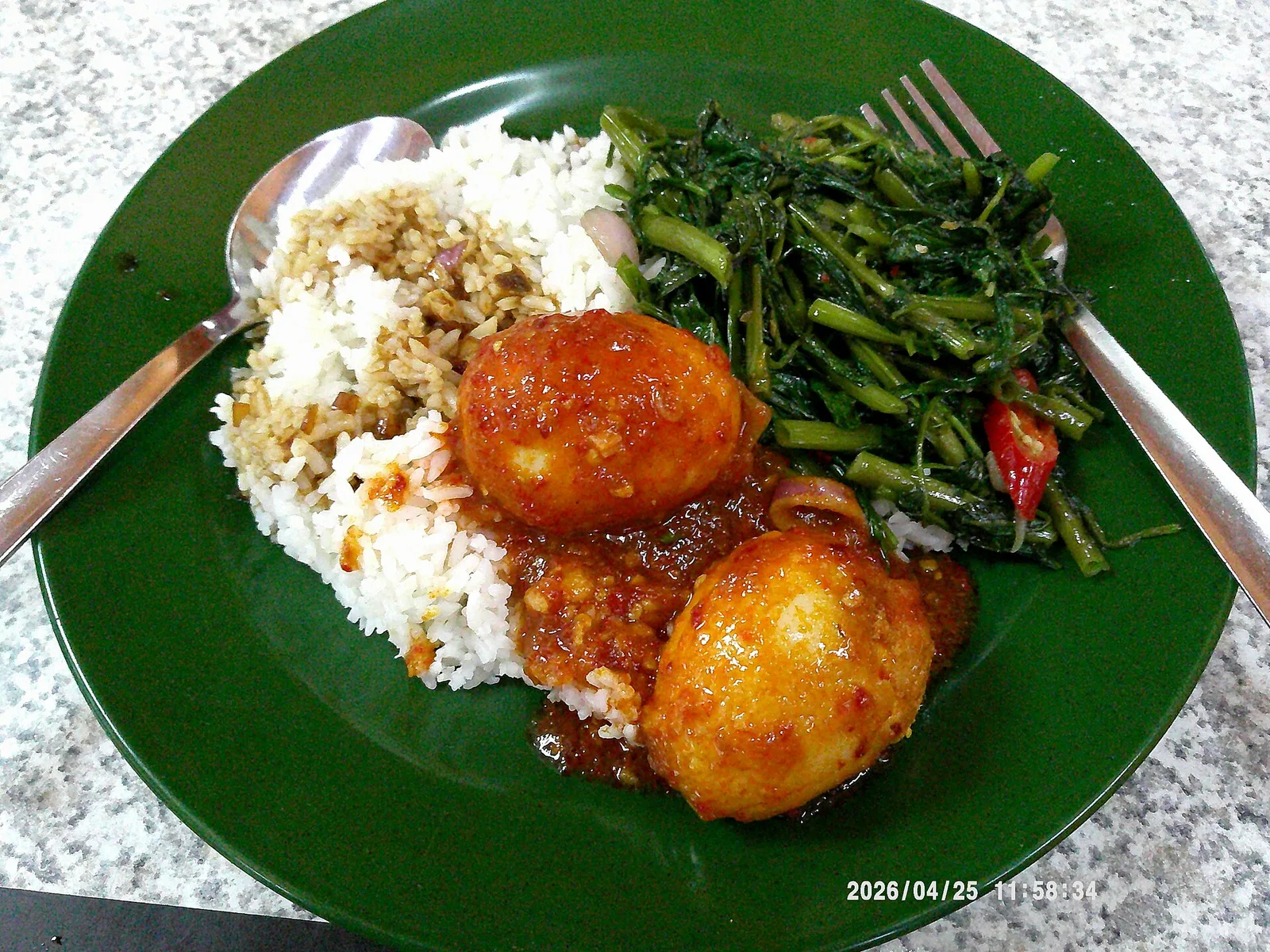
Food is the other thing that rewards a little planning on a trip this length, because each of these regions eats differently: the south coast is where the international cafe scene lives, Ubud leans healthy and vegetarian, and the east and north are where you find the plainest and best local cooking of the trip. Our Bali food guide covers what to order and where each dish actually belongs.
Adapting the ten days
Travelling with children? Base on the calm side of the south coast rather than the surf side, choose the gentler Nusa island, and pick the east over the north, because the drives are shorter and the water is swimmable.
Second visit? Swap the south coast days for more time in the east or the north, and keep only one night near the airport at each end.
Honeymoon or a milestone trip? Three nights in Ubud, three on the Bukit cliffs and the rest in the east, with the island day as an overnight rather than a day trip.
Surfing? Weight the south coast to four nights and cut Ubud to two, because the waves are the reason you came and the swell will decide your schedule anyway.
Diving? The east is not optional. Amed and the coast around it are the reason a lot of divers come to Bali at all.
The short version
Three bases, one long move, and one region that a seven-day trip cannot fit. Give the south coast the first three days because it is nearest the airport and you will be tired, give Ubud the next three, put the Nusa island day in the middle where a cancelled boat cannot threaten your flight, and spend the last three in either the east for sea and diving or the north for cool air and waterfalls. Do not attempt both. Treat every drive as longer than the map says, move in the mornings, book the quiet regions early, and leave three parts of the trip deliberately empty.