

Beaches & surf Updated 14 October 2026
The Best Surf Beaches in Bali, by Level
Reef breaks over coral and beach breaks that forgive: which Bali waves suit which surfer, how the seasons swap the coasts, and where not to paddle out.
A local's guide to Bali from the Uluwatu cliffs to the Canggu beach clubs and every temple in between
Some links on this page are affiliate links. If you book through them we may earn a commission at no extra cost to you, which helps support the site.
One real day from a schedule our planner builds. Yours is built from your answers.
Every hour worked out, every place open
Day 2 · Seminyak & Canggu · 5 stopsFrom the Uluwatu cliffs to the Canggu sunsets, the beaches and spots worth the drive.
Reef breaks over coral and beach breaks that forgive: which Bali waves suit which surfer, how the seasons swap the coasts, and where not to paddle out.
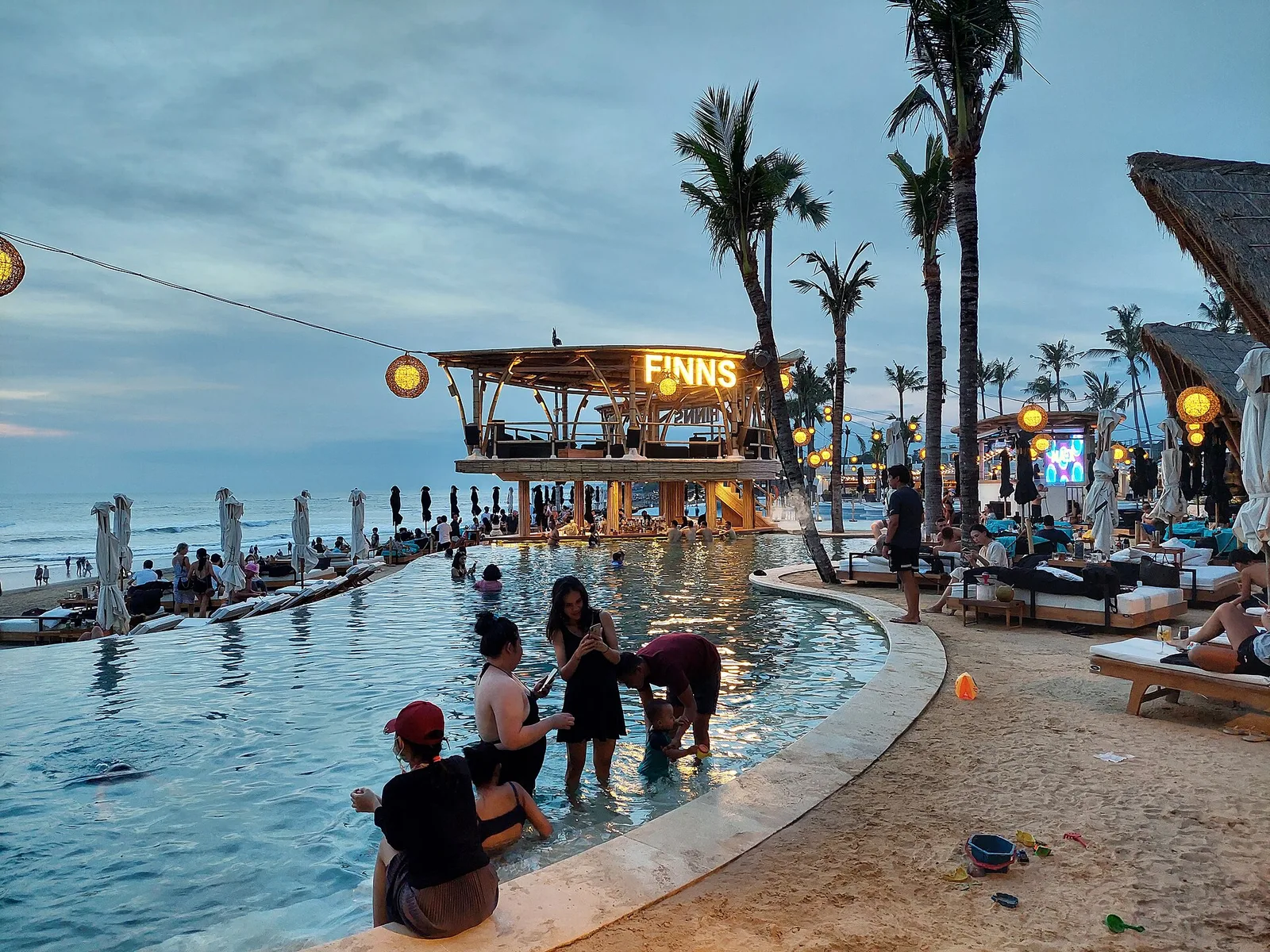
What is a beach club in Bali? How minimum spends, sunbed tiers and weekend pricing work, which coast to pick, and how to enjoy one without overspending.
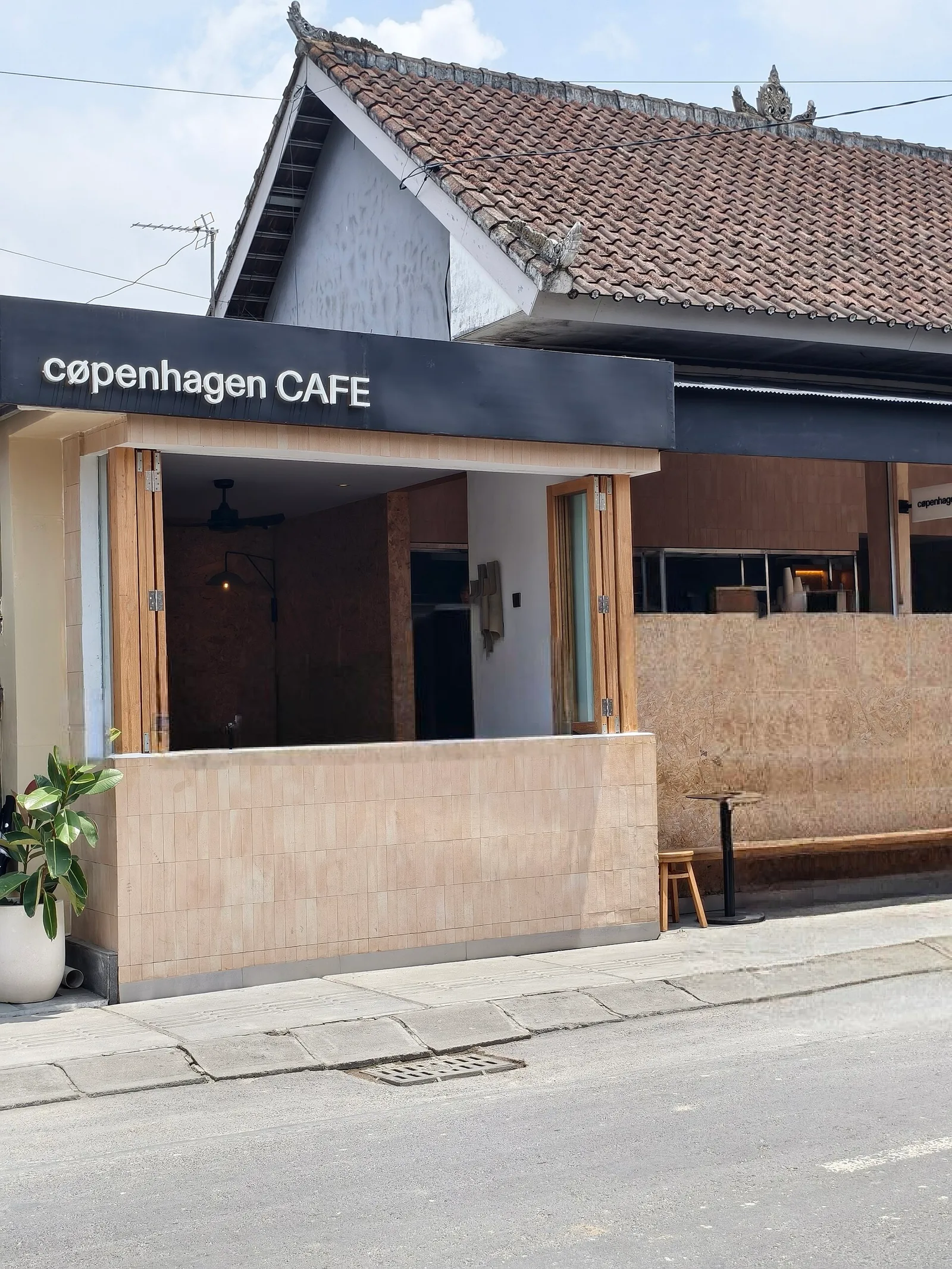
The strip that became Bali's nomad capital: the black-sand breaks, the cafe and coworking scene, beach clubs, shortcut road traffic, and who it suits.
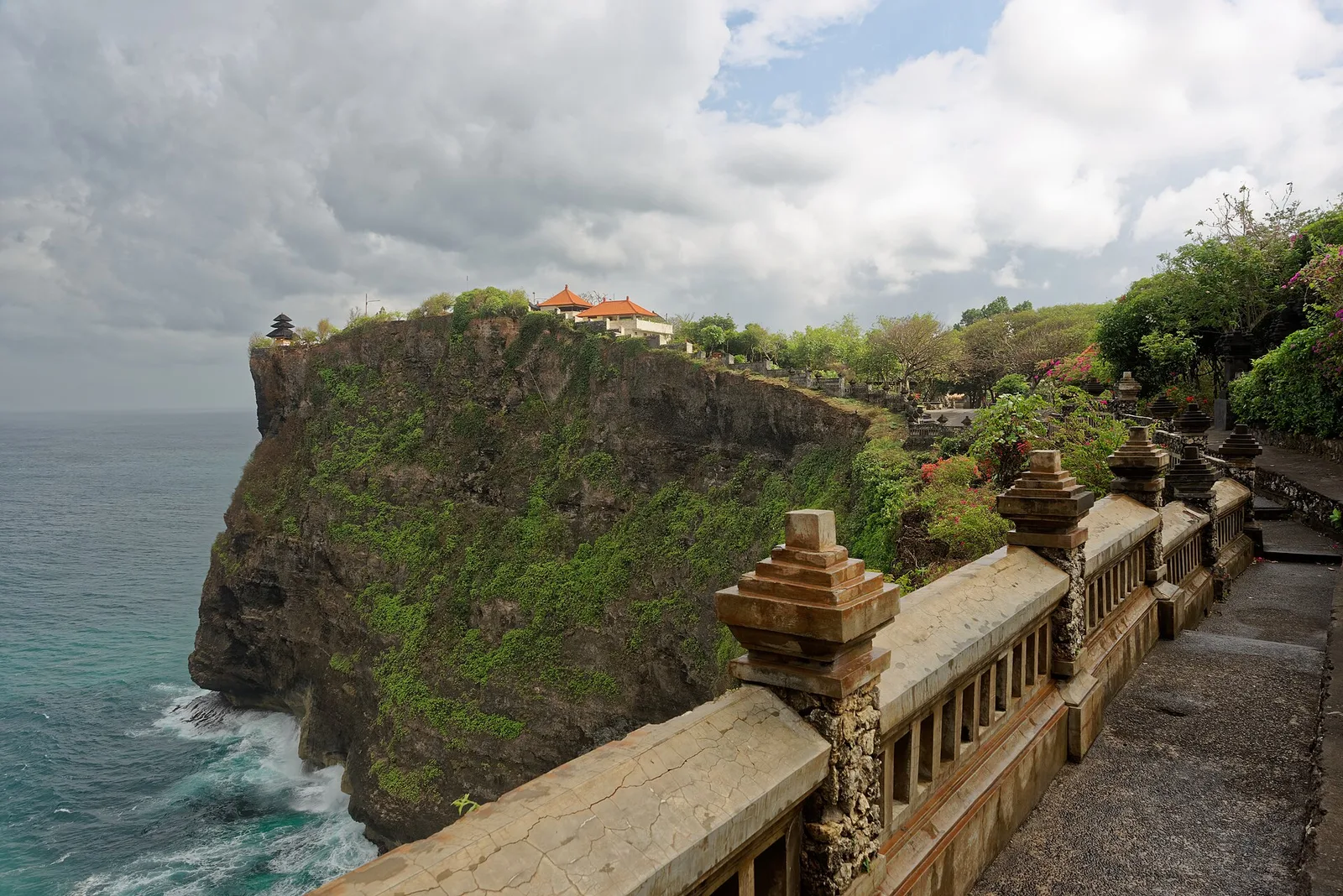
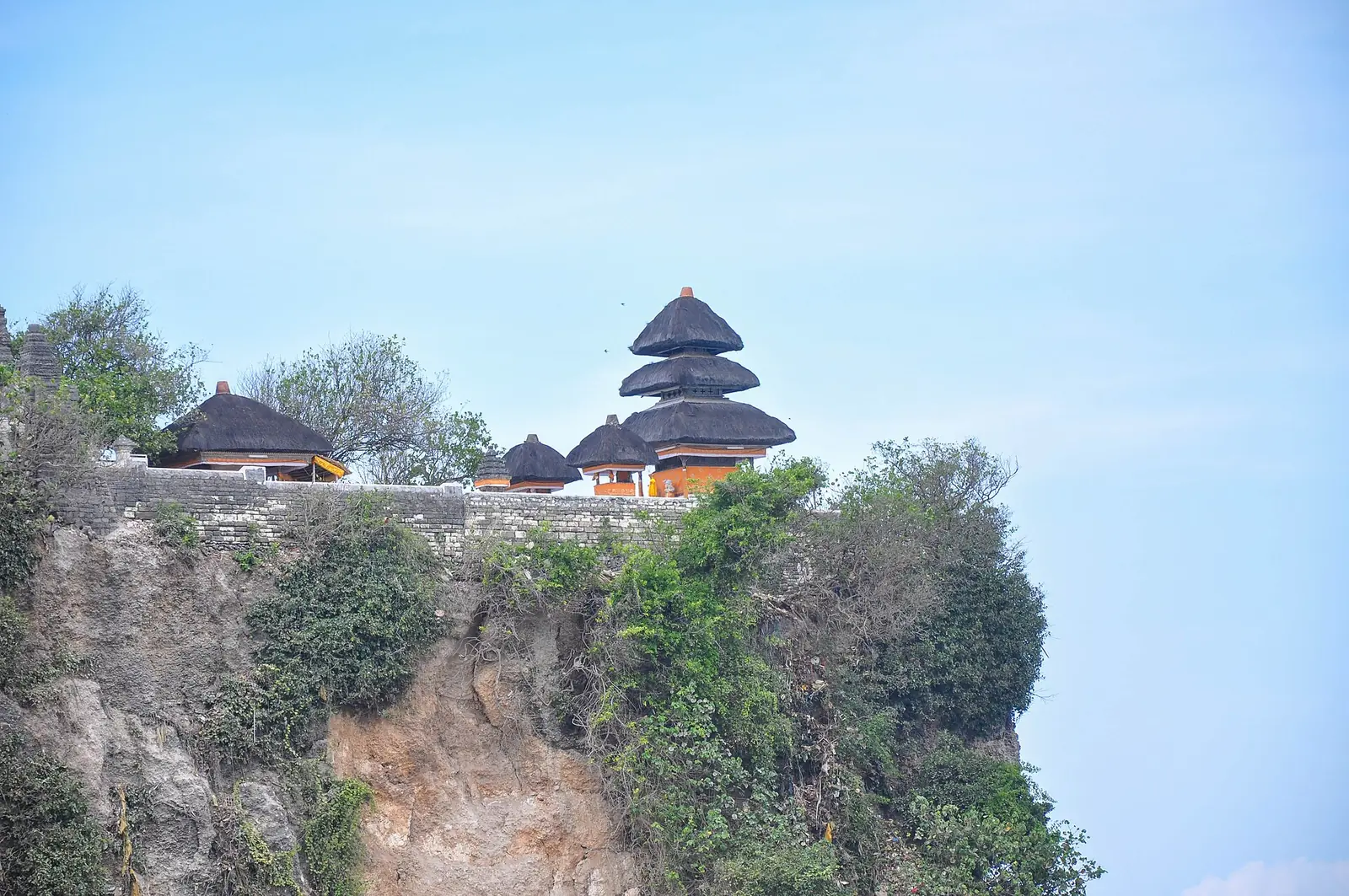
The clifftop south of Bali: the temple on the edge and its sunset fire dance, cove beaches down long flights of steps, serious surf breaks, and the cost.
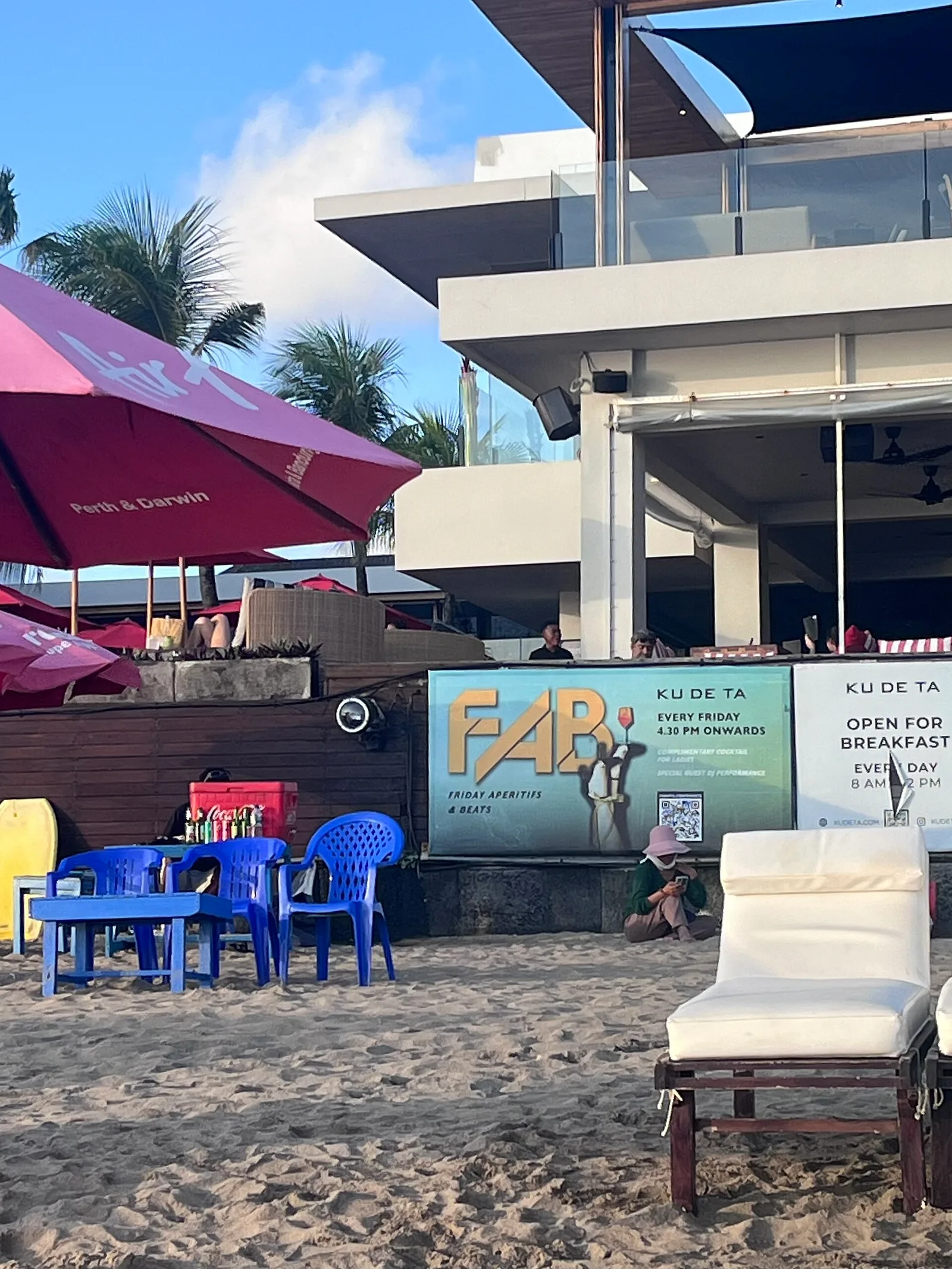
From the clifftop coves of Uluwatu to the calm sands of Sanur and the surf of Canggu, the best beaches in Bali and which one suits your day.

Bali's nights run on beach clubs and sunset sessions, and Canggu, Seminyak and Kuta are three different evenings. What each costs and how to stay safe.
Compare prices on hotels and rentals across Bali.
Every destination, beach and attraction from our guides, on one map.
Destination
More than 350 of the best places in Bali, in one guide with photos and tips.
A one-week Bali plan built around two bases instead of daily long drives, with honest travel times, what to skip and how to use your days.

What separates a silent retreat from a detox programme or a yoga immersion in Bali, what the price tiers buy you, and how retreat length affects your visa.
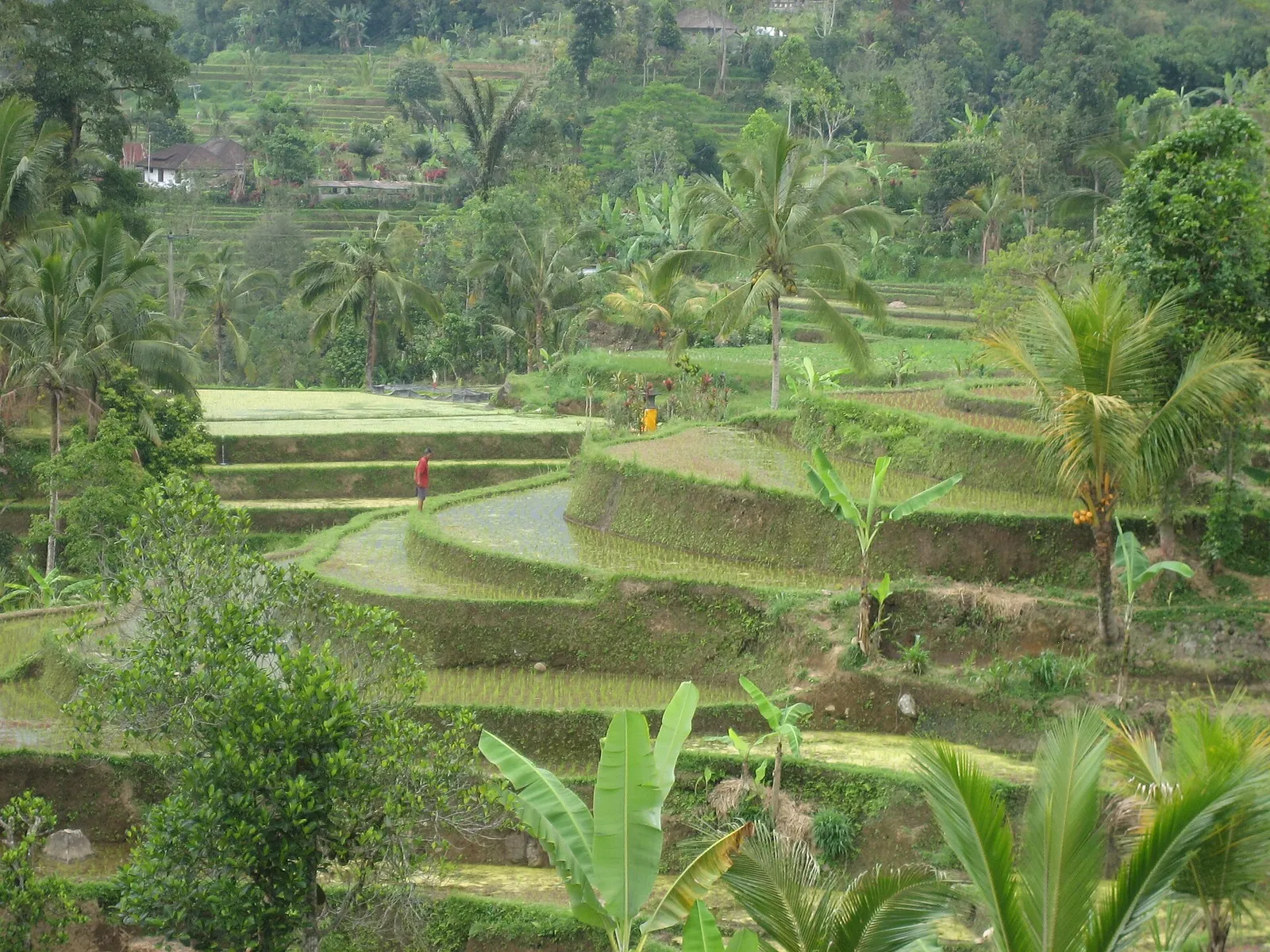
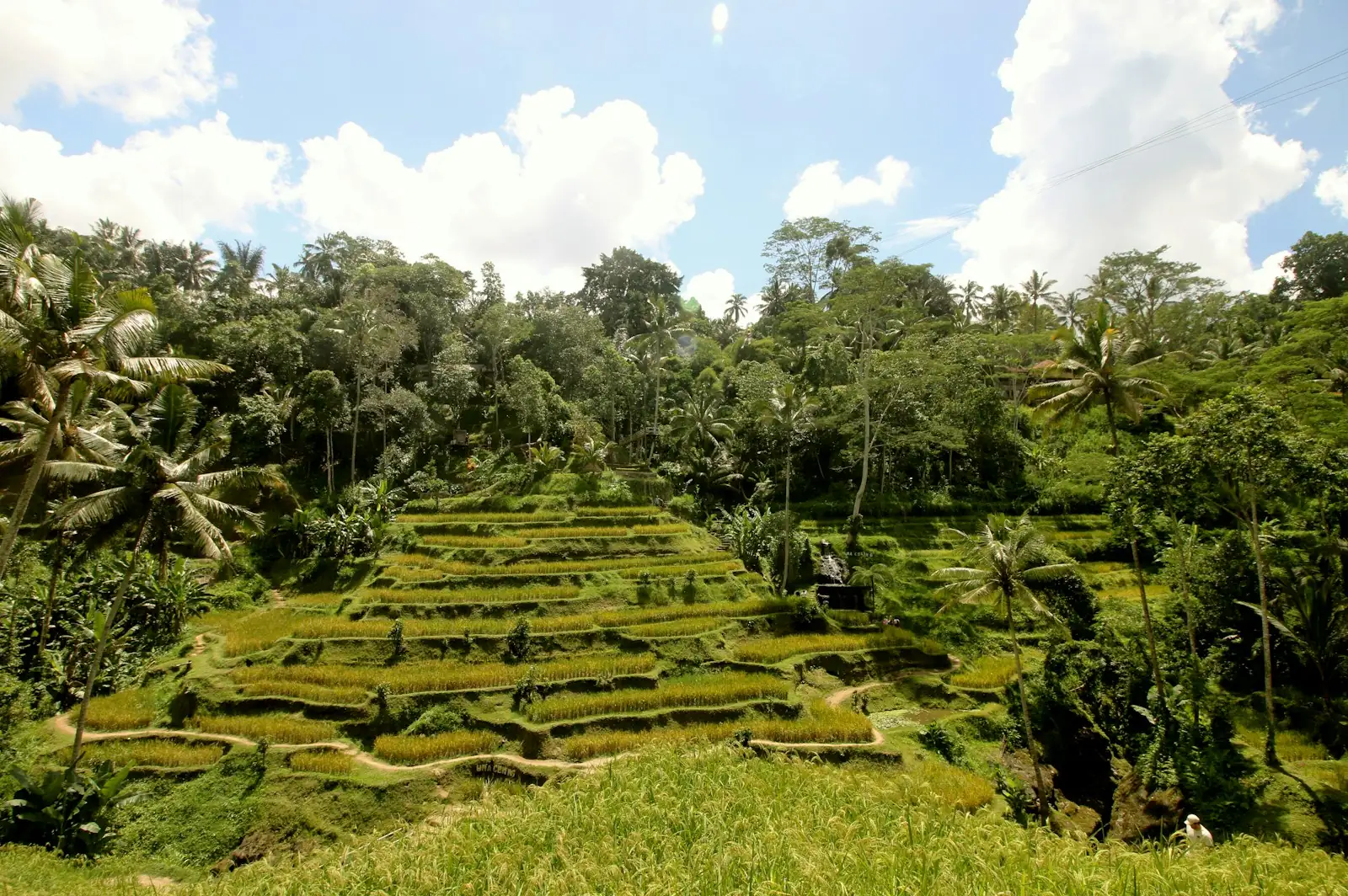
Ubud's rice terraces, yoga and jungle calm versus Canggu's surf, beach clubs and nomad buzz: an honest comparison with day trips and a clear verdict.
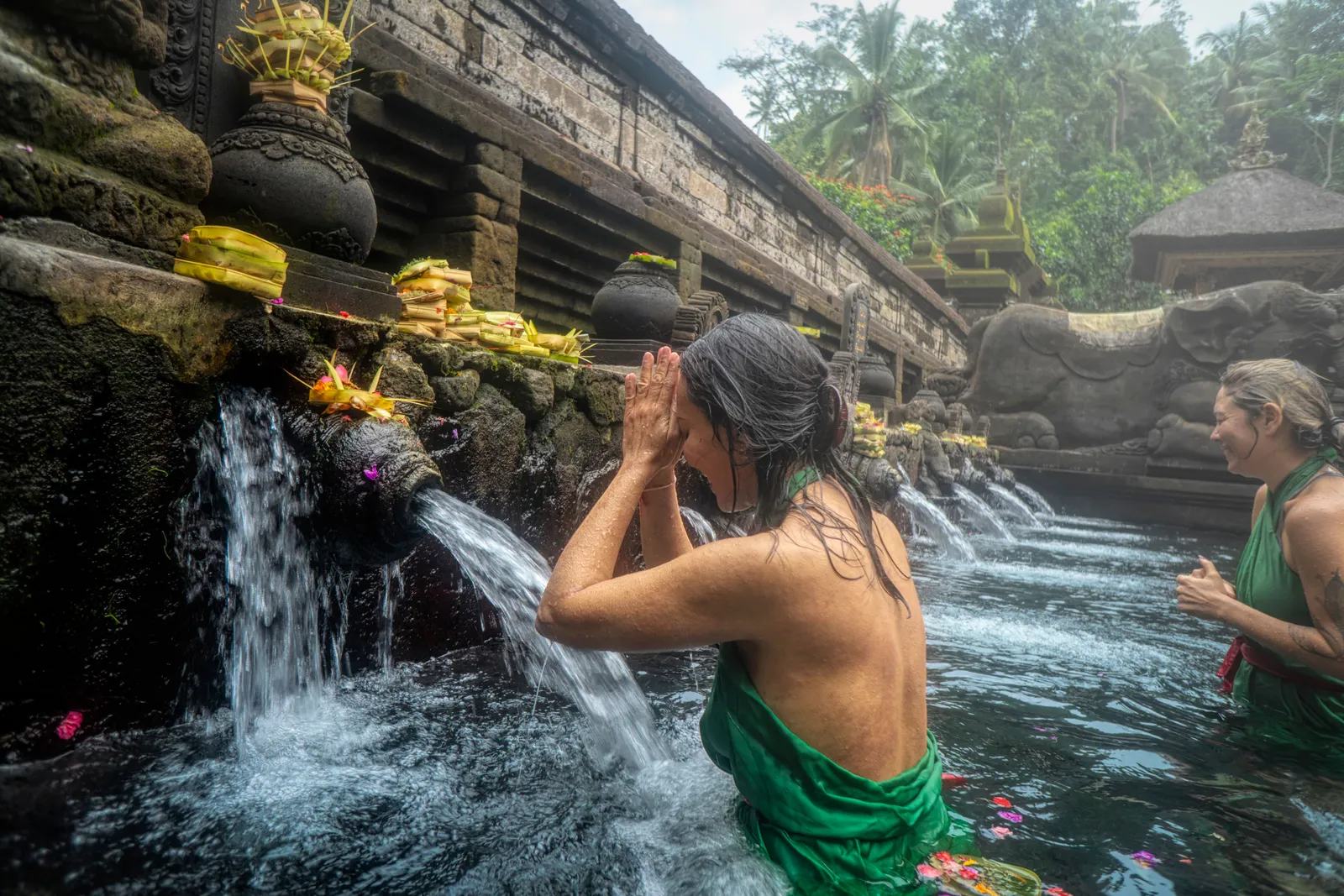
Melukat is a living Hindu ritual, not an attraction. What it means, where visitors may take part, what to wear and the rules that are enforced.
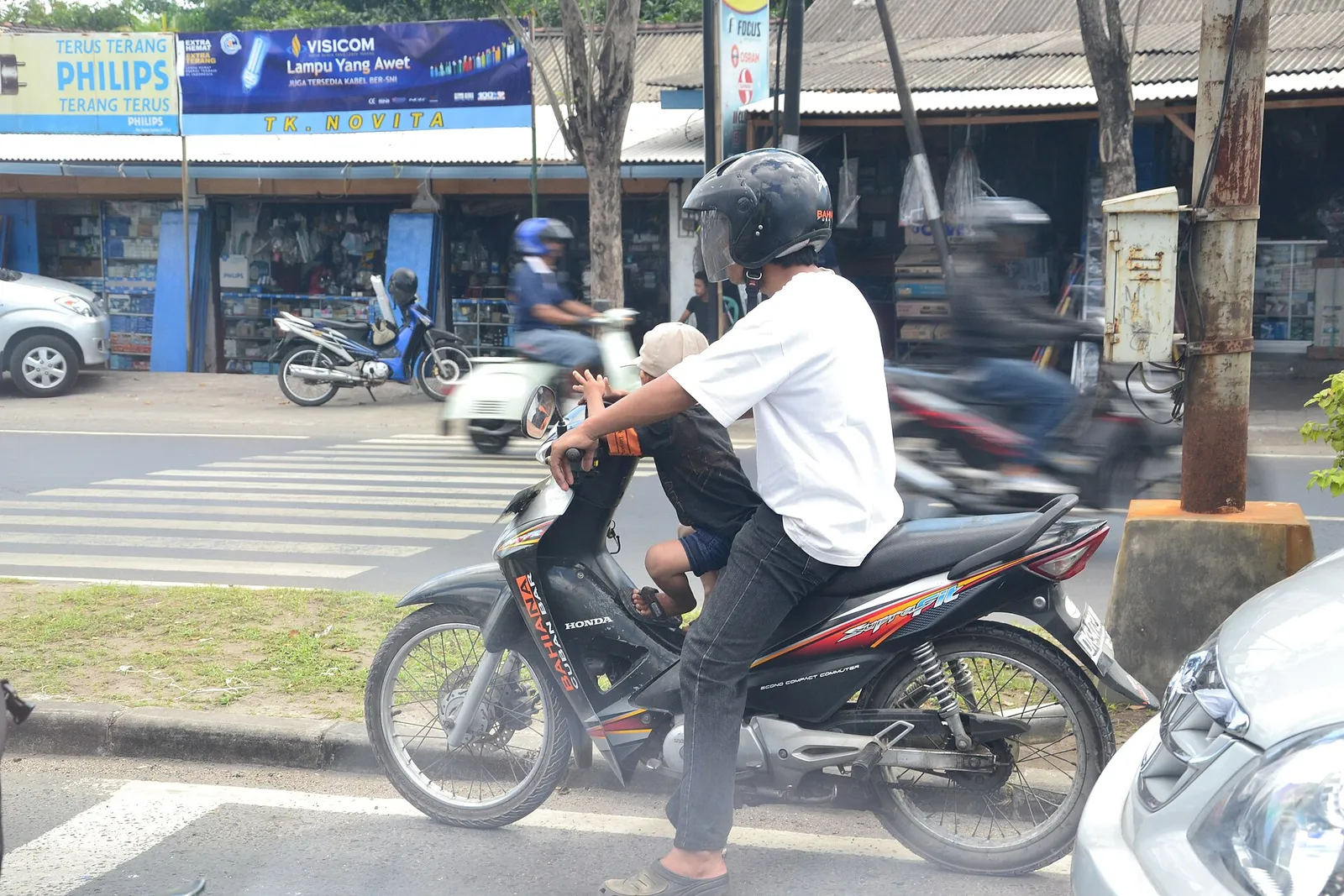
Scooter accidents, surf and dive add-ons, volcano treks, dengue and evacuation to Singapore: what a Bali travel insurance policy needs to cover.
A month-by-month guide to Bali weather: dry versus wet season, surf seasons on each coast, humidity, crowds and prices, and the best months for beaches.
The core guides to start from.
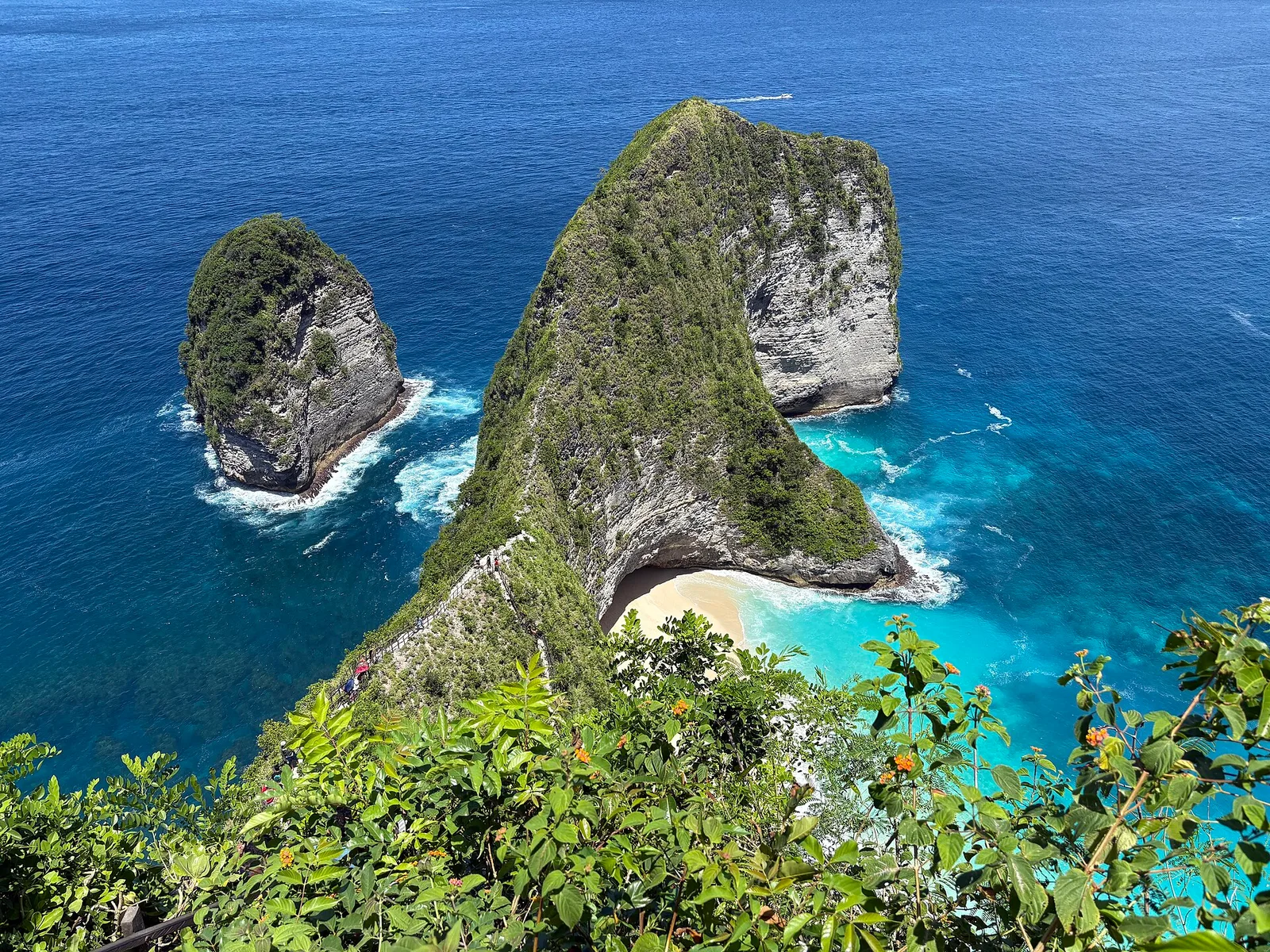
A realistic ten-day Bali itinerary: Ubud, the south coast and a Nusa island, plus the east or the north as your fourth act, with honest drive times.
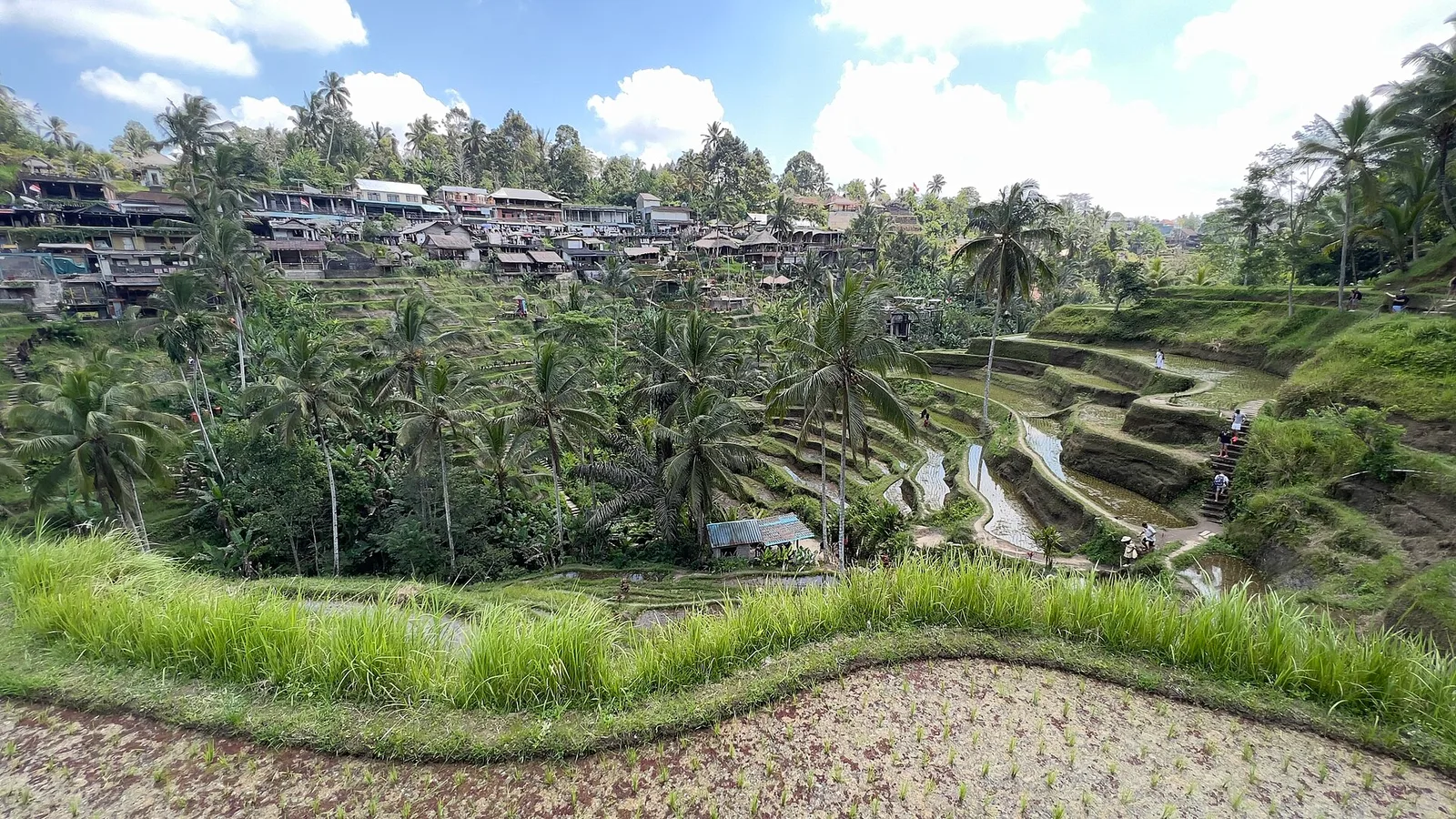
A clear breakdown of Bali costs in rupiah: daily budgets for backpackers, mid-range and comfort travellers, plus money, ATM and tipping advice.
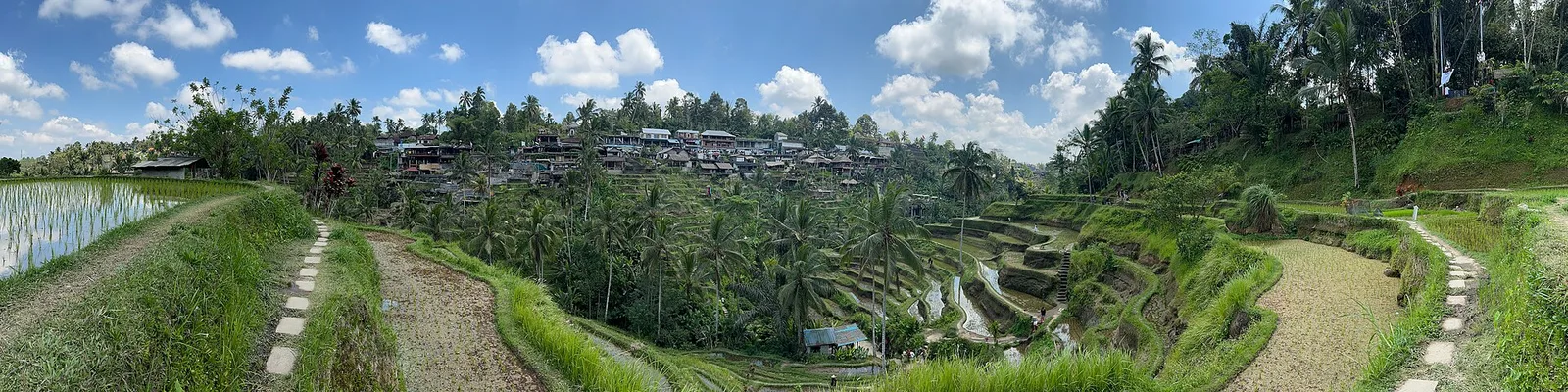
Planning your first trip to Bali? Here is when to go, where to base yourself, what to book ahead, how to handle the visa and how to skip rookie mistakes.
From the clifftop coves of Uluwatu to the calm sands of Sanur and the surf of Canggu, the best beaches in Bali and which one suits your day.
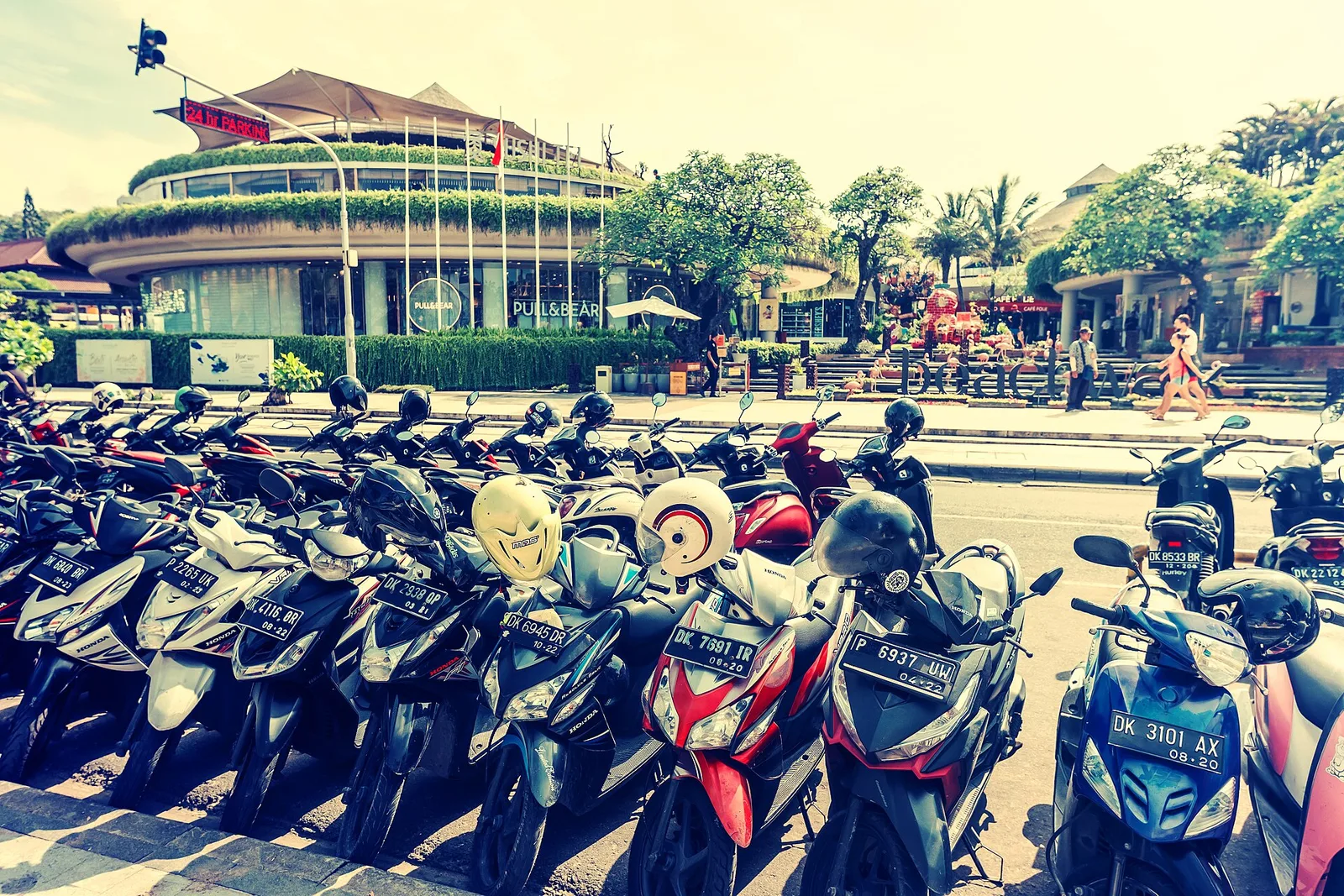
How to get around Bali: scooter rental, a private driver, ride-hailing apps and car rental, with honest advice on cost, safety and what suits your trip.
Canggu, Seminyak, Ubud, Uluwatu, Sanur or the Nusa islands? A clear, honest breakdown of every main Bali area so you can pick the right base for your trip.
Most visitors can get a Visa on Arrival (VoA) for around 30 days for a fee of about 500,000 rupiah (roughly 35 USD), and it can be extended once. It is worth filling in the electronic arrival form and customs declaration online before you fly.
The dry season, April to October, is the best time: less rain, lower humidity and calm seas for surfing and snorkelling. July and August are the busiest. The wet season (November to March) is warm and green, with short downpours and lower prices.
Bali is an affordable destination. The currency is the Indonesian rupiah (IDR), and it is best to withdraw cash from ATMs. Cards are accepted at hotels and larger restaurants, but markets, warungs and drivers need cash. A meal at a local warung runs about 2 to 4 USD.
A private driver for a full day (around 40 to 60 USD) is handy for covering several places. The Grab and Gojek apps are cheap in the south. Renting a scooter is common and cheap but suits experienced riders only, always with a helmet and an international licence.
Do not drink the tap water, stick to bottled or filtered water, and busy warungs are usually a safe bet for fresh food. Pack something for the odd upset stomach (locals call it Bali belly). Vegetarian, vegan and seafood dishes plus tropical fruit are easy to find everywhere.