A Bali retreat is not one product. The word covers a silent meditation programme where nobody speaks for a week, a juice-and-colonics detox, a yoga immersion with two practices a day, and a soft-focus luxury package that is mostly spa treatments with a sun salutation attached. They cost wildly different amounts, they demand wildly different things of you, and the marketing language used to sell them is almost identical. Working out which category you are actually buying into is the single most useful thing you can do before you pay a deposit.
This is a different decision from finding a drop-in class or booking an afternoon treatment. If that is what you are after, our guide to yoga in Bali covers the studios and the drop-in scene, and the spa and massage guide covers treatments you book by the hour.
The four things being sold under one word
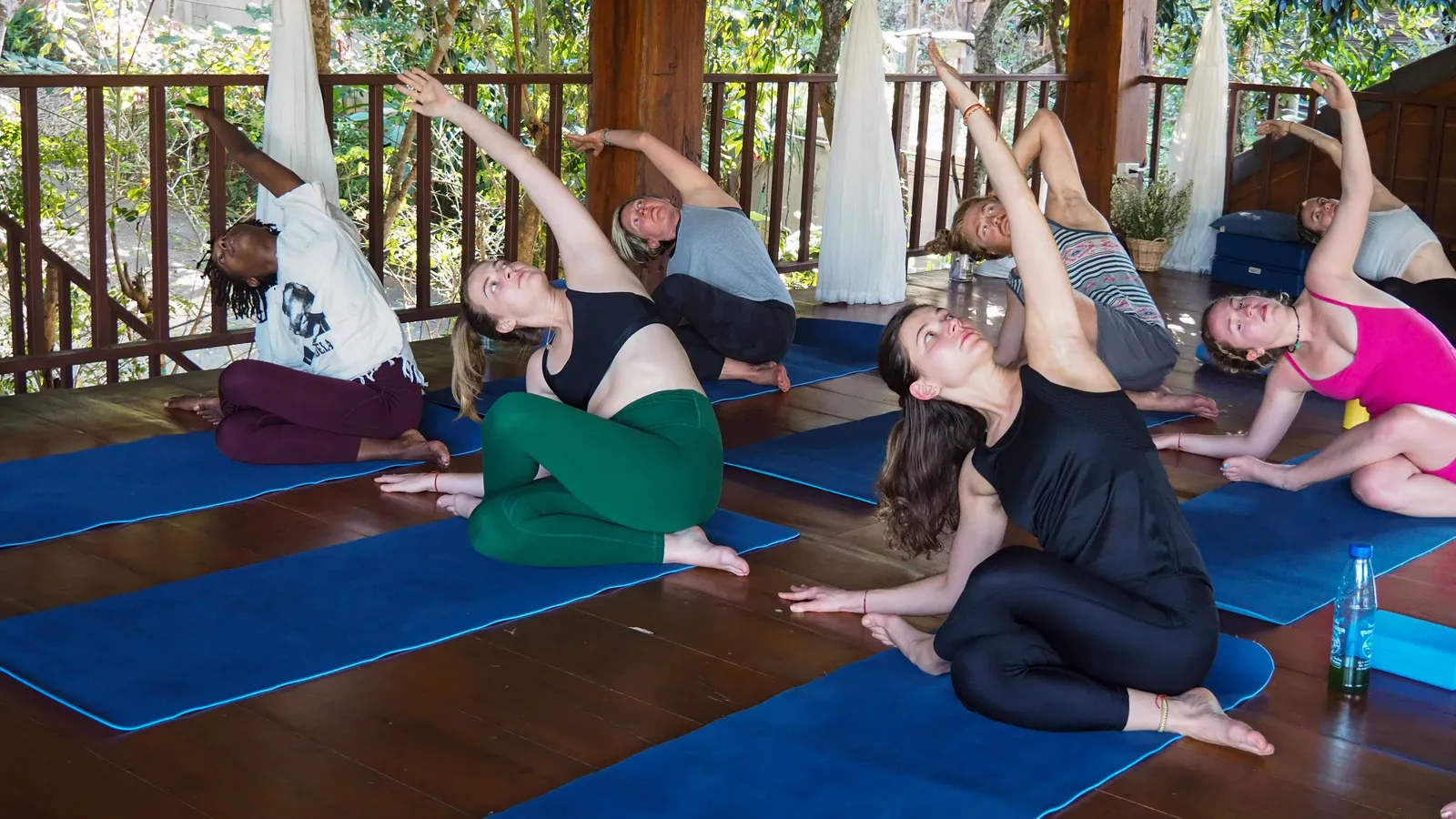
Yoga retreats are the largest category. Expect two practices a day, often a morning asana session and a slower evening one, plus workshops on philosophy, breathwork or anatomy. Most are pitched at all levels. Length runs from long weekends to two-week teacher trainings, which are a separate and far more demanding product.
Meditation and silent retreats are the most intense psychologically and the least intense physically. Programmes range from gentle guided-meditation weeks to genuinely strict silent retreats where phones are handed in and participants do not speak to each other at all. People routinely underestimate how hard several days of silence is.
Detox and cleanse retreats centre on food restriction, often juice fasting, sometimes with colonics, supplements and treatments. This is the category where standards vary most and where medical caution genuinely matters.
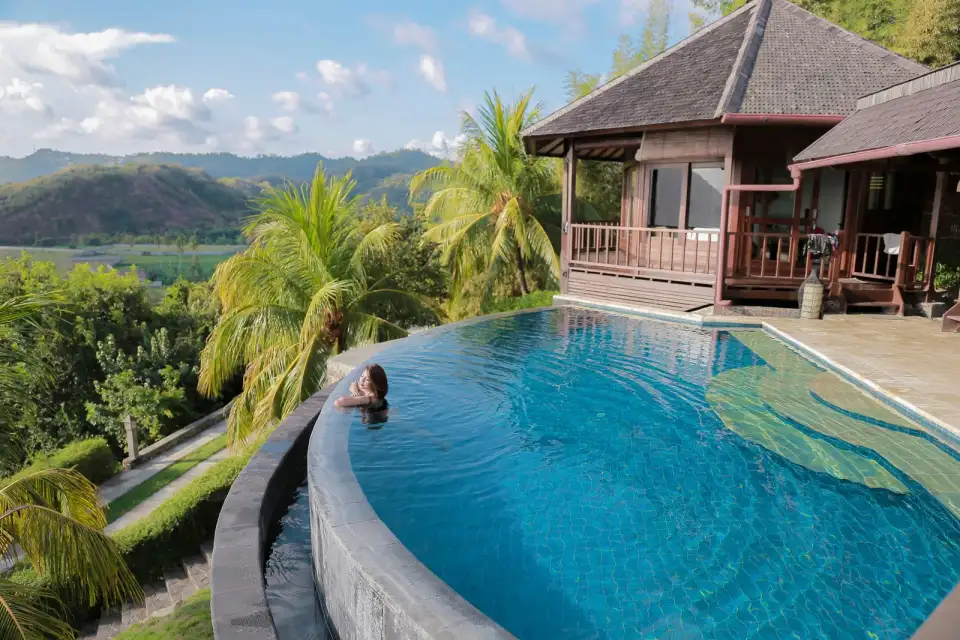
Luxury wellness stays are hotels with a wellness programme layered on: spa treatments, a nutritionist, some movement, and no obligation to attend anything. They are holidays with structure available, which is exactly what some people want.
Where retreats cluster, and why it matters
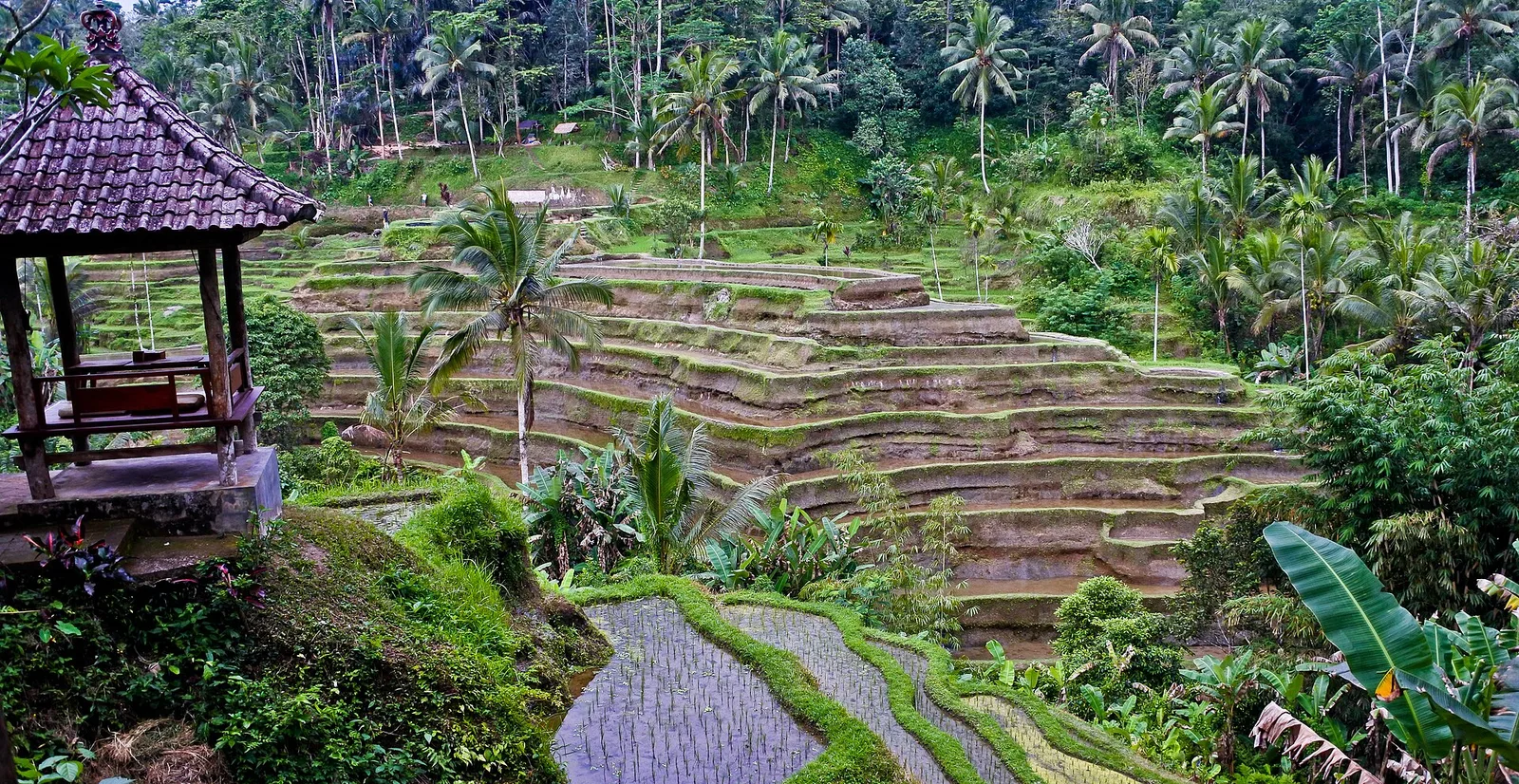
Ubud and the ridge villages around it hold the majority of them. The setting is inland and green rather than coastal, the air is a few degrees cooler, and decades of teachers, studios and plant-based kitchens have concentrated there. Our Ubud guide covers the town itself, which is worth understanding because a retreat there is not the same as a retreat in the rice fields twenty minutes north of it.
Sidemen and east Bali host the quieter, smaller programmes, often with a dozen participants and a view of Mount Agung. Canggu and the west coast lean towards active retreats: surf and yoga combinations, fitness-focused weeks, and a younger crowd. North Bali and the Munduk area are cooler and more remote, which suits silence.
What the price tiers actually buy
Prices are quoted in a range of ways and change constantly, so treat any figure you see, including here, as an indication rather than a quote. Broadly, there are three bands.
Budget programmes, roughly in the low millions of rupiah for a week, typically mean shared rooms, simple guesthouse-standard accommodation, group classes and basic vegetarian meals. Plenty of them are excellent.
Mid-range programmes move into the tens of millions of rupiah for a week and buy you a private room, better food, smaller groups and more one-to-one attention.
High-end retreats run considerably higher again and add resort-standard rooms, private sessions, medical or diagnostic elements and a much lower participant-to-staff ratio.
What almost never changes across tiers is that flights, airport transfers, visa costs and the Bali tourist levy sit outside the price. Confirm exactly what is included in writing before you pay.
Not ready to commit to a full programmeA quiet stay near Ubud lets you sample classes without booking a week of themThe visa question people get wrong
Retreat length and visa length are separate decisions that interact. Visa on arrival is issued for thirty days and can be extended once inside Indonesia for a further thirty, but eligibility is by nationality and the list of eligible countries changes. Some passports need a visa arranged in advance instead. There is no version of this that is the same for everyone reading.
Check your own passport on the official Directorate General of Immigration portal, evisa.imigrasi.go.id, and do it before booking rather than after. A one-week or two-week retreat sits comfortably inside a standard short stay for most travellers, but a month-long teacher training combined with travel either side does not always, and the extension has to be applied for before your original permission expires, not after.
Every foreign visitor also pays the Bali tourist levy of 150,000 rupiah, once per entry, through the official government portal at lovebali.baliprov.go.id. Only that address is official. Lookalike sites on .com and .org addresses charge considerably more for the same thing.

How to judge a retreat before you pay
Read the daily schedule, not the description. A real schedule tells you how many hours you are committed to and whether there is free time. Its absence is informative.
Find out who is actually teaching. Retreats are often sold under a centre’s brand with visiting teachers rotating through. Ask for the name of the teacher on your dates.
Check the health questionnaire. Any programme involving fasting, restriction or intensive practice should ask detailed health questions and ask them before payment.
Be sceptical of outcome claims. Statistics quoted in retreat marketing, including the survey percentages that circulate widely, are almost always operator self-reported and are not evidence of anything. Nobody can promise you a psychological outcome.
Confirm the cancellation terms, because deposits are frequently non-refundable and international plans change.
Practical things worth knowing in advance
Most retreats are fully plant-based or vegetarian, and this is rarely optional. If that is a problem, ask before booking.
Phone policy varies from a polite request to a locked box. Tell family in advance if you will be uncontactable, particularly on a silent programme.
Alcohol and caffeine are usually off the menu entirely. If you drink several coffees a day, expect a rough first forty-eight hours and plan your arrival accordingly.
Bring insect repellent, a light layer for early mornings inland, and any medication you take, since pharmacy stock and brand names differ from what you are used to at home.
Finally, build a buffer. Arriving the day before a programme starts, rather than on the morning of, removes the single most common way people begin a retreat already exhausted.