Bali sits eight degrees south of the equator, which means one thing above all: it is warm every single day of the year. Temperature is never the question. The question is rain, wind and swell, and those follow a clean two-season rhythm that decides everything from surf conditions to hotel prices. Here is how the year actually plays out, month by month.
The two seasons in one minute
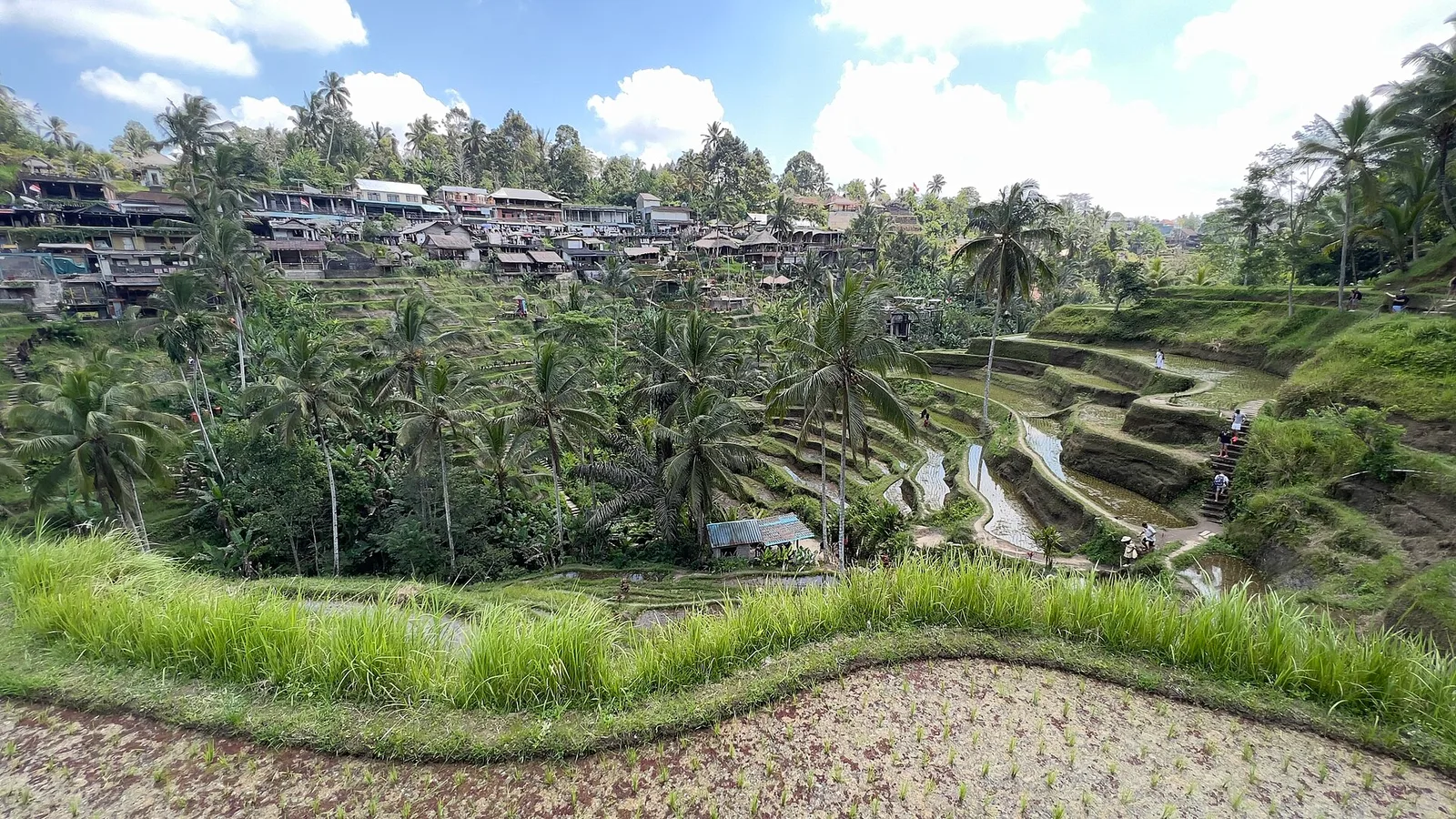
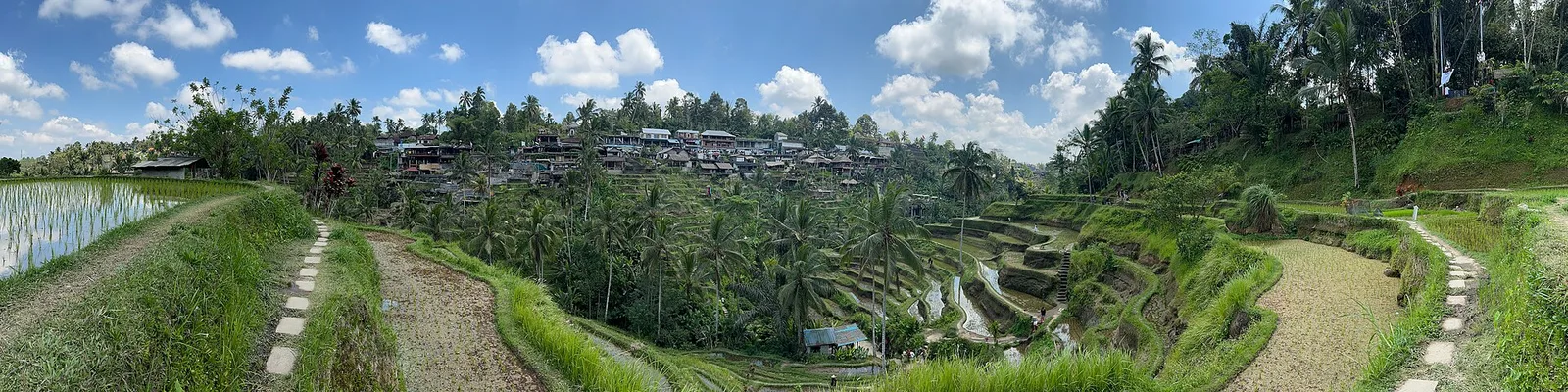
The dry season runs roughly April to October, driven by southeast trade winds: sunny days, lower humidity, calm seas on the west coast, and the island’s postcard weather. The wet season runs November to March, when winds swing northwest and bring humid air and heavy, usually short, tropical downpours, peaking around December and January.
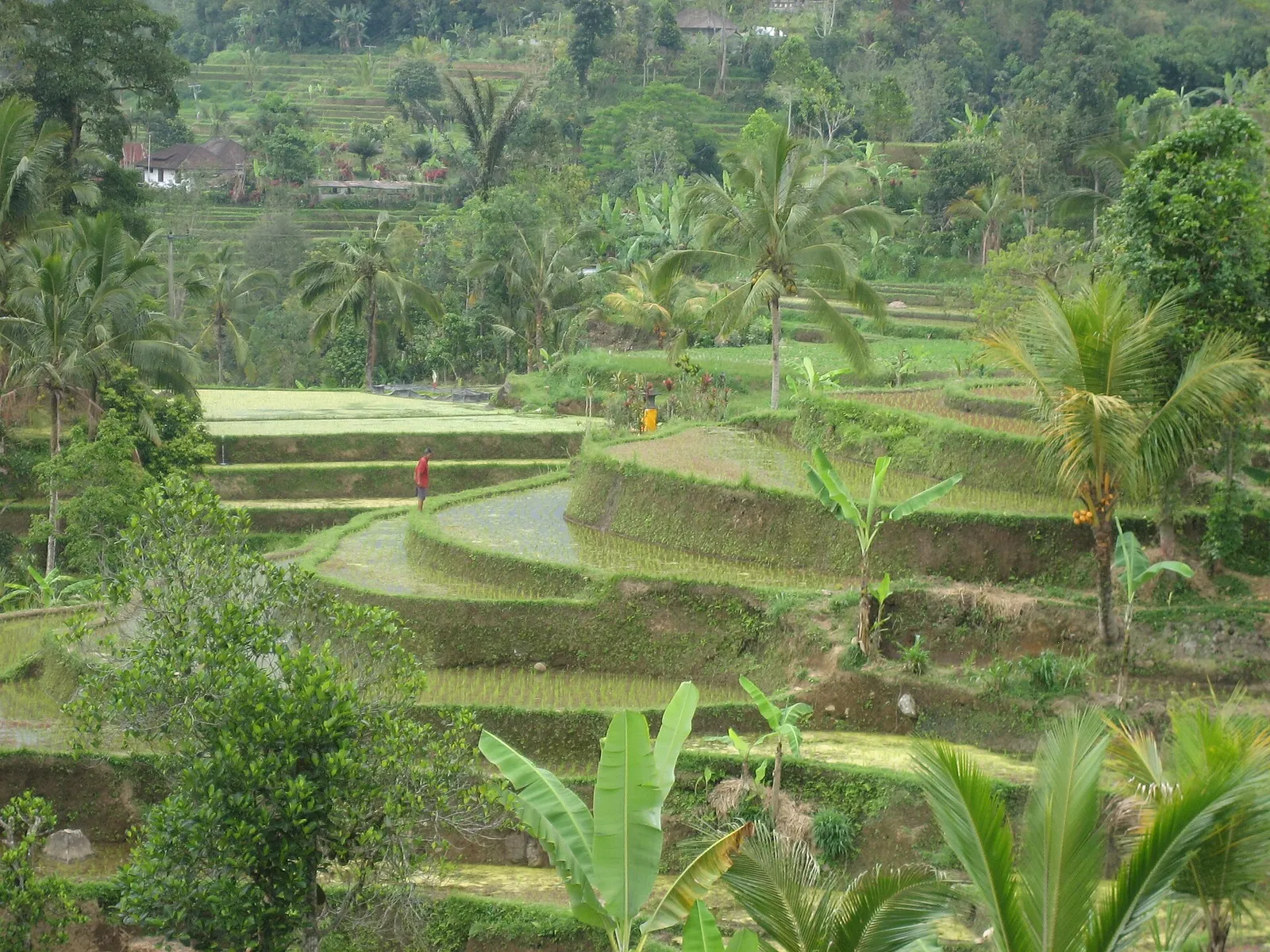
Crucially, wet season is not monsoon misery. A typical wet-season day is a bright morning, a build-up of cloud, a dramatic hour of rain in the afternoon or overnight, then clearing. What changes more is the feel: humidity climbs, seas get rougher for boat crossings, and mosquitoes are more active.
Month by month
| Month | Season | Rain | Best for |
|---|---|---|---|
| January | Wet (peak) | Heavy, frequent | Lowest prices, green landscapes, spas |
| February | Wet | Heavy, easing late | Quiet resorts, waterfalls at full power |
| March | Wet to shoulder | Moderate | Nyepi (Balinese New Year), fewer crowds |
| April | Shoulder to dry | Light | Great all-rounder before crowds build |
| May | Dry | Low | Beaches, surf, hiking, near-perfect |
| June | Dry | Low | Everything, before the peak rush |
| July | Dry (peak) | Very low | Best weather, biggest crowds and prices |
| August | Dry (peak) | Very low | Same as July, book far ahead |
| September | Dry | Low | The insider favorite: sun, space, value |
| October | Dry to shoulder | Rising late | Warm seas, softer prices |
| November | Wet | Building | East-coast surf begins, quiet island |
| December | Wet (peak) | Heavy | Lush scenery, festive crowds mid-month |
A note on the numbers behind that table: coastal highs sit at 30 to 32°C (86 to 90°F) year-round, with January averaging around 320 mm of rain and July closer to 50 mm. The highlands, Munduk, Bedugul, Kintamani, run 5 to 10 degrees cooler and wetter than the coast in every month, so pack a light layer if you are heading up.
Surf seasons: two coasts, two calendars
Bali’s shape gives it a rare gift: somewhere is offshore almost every day of the year.
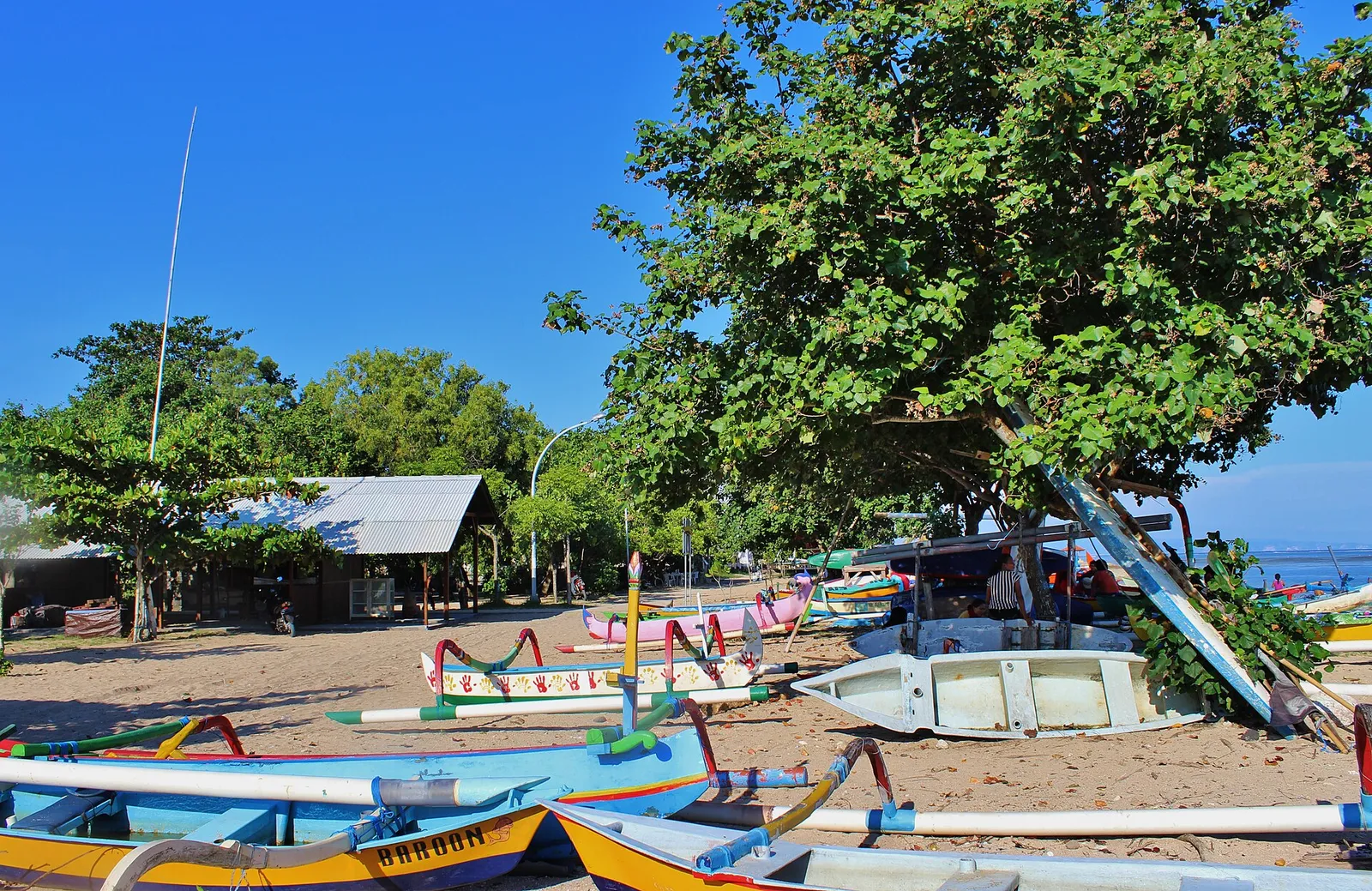
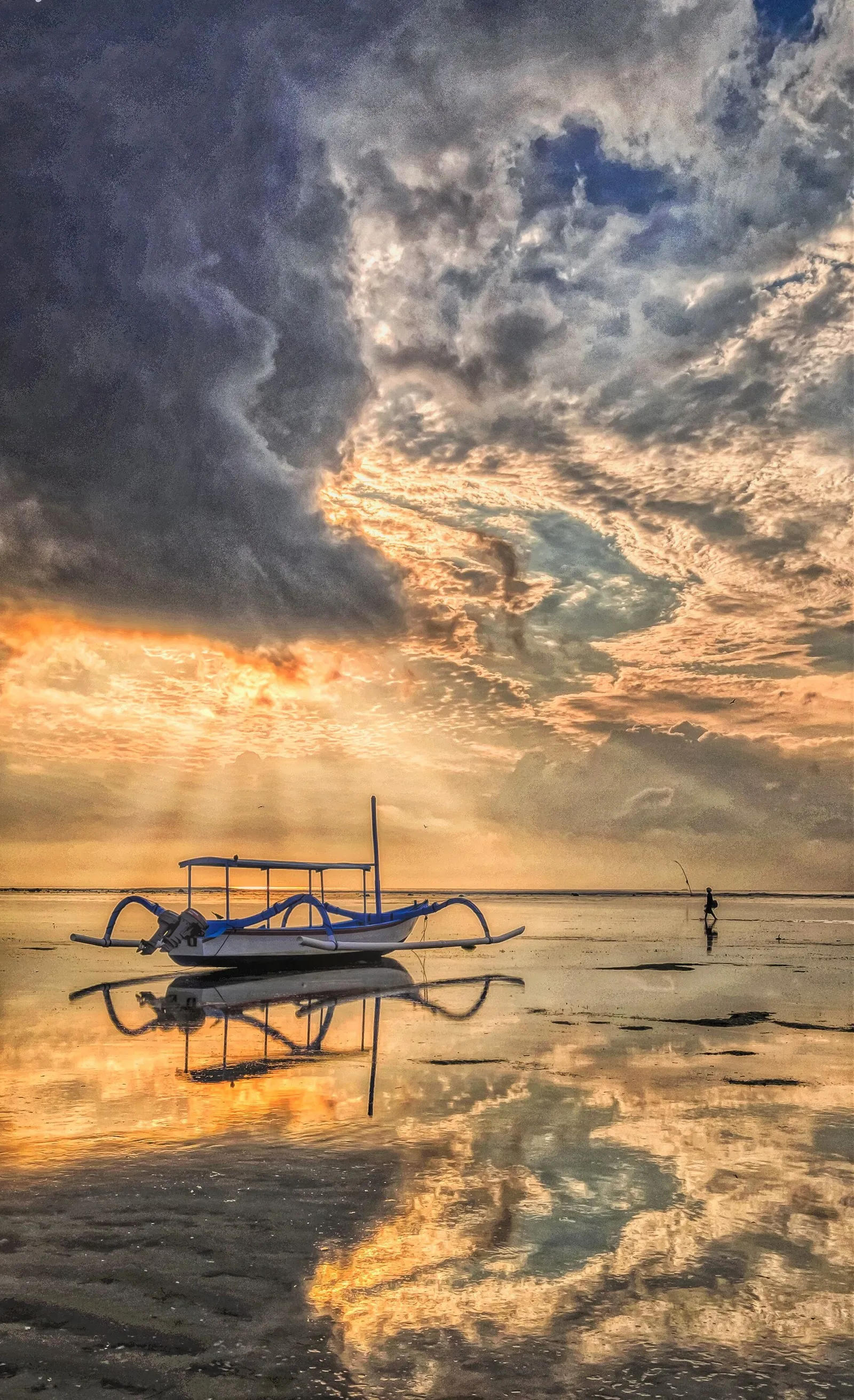
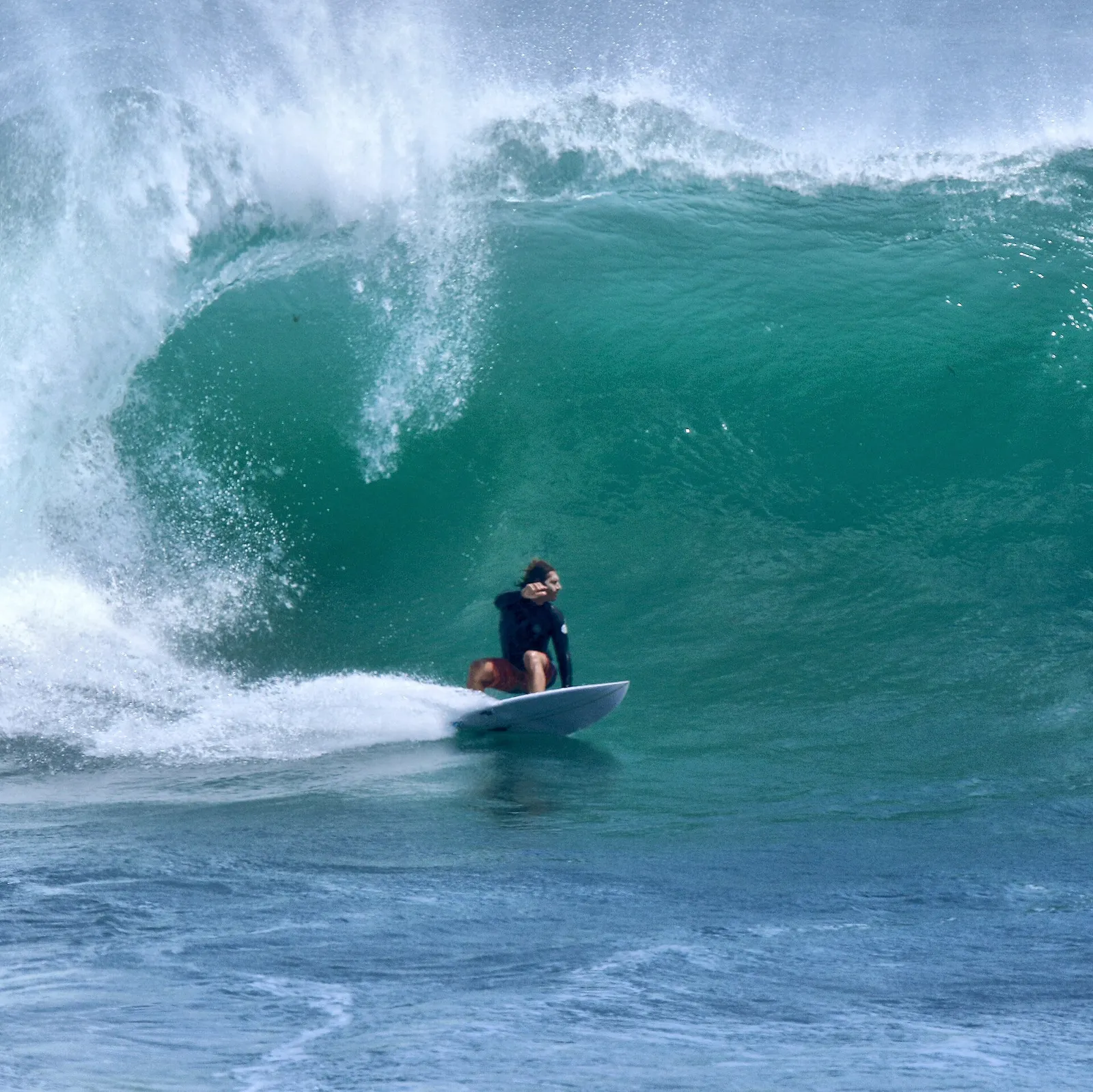
From April to October, dry-season trade winds blow from the southeast, grooming the west coast: Uluwatu, Padang Padang, Bingin, Canggu and Kuta all light up with clean, consistent swell. This is the classic Bali surf season and the reason the Bukit peninsula fills with surfers all winter (their winter, Bali’s dry season).
From November to March, the winds flip to the northwest and the east coast takes over: Keramas, Serangan and Nusa Dua handle the same Indian Ocean swell with offshore mornings. Beginners are the exception to all this seasonality: the gentle beach breaks at Kuta, Legian and Batu Bolong offer learnable waves nearly year-round, and surf schools operate every month. For where each break suits your level, see our best beaches guide.
Picking your month by trip type
Beach-first trips want May to September: reliable sun, calm west-coast seas and dependable boat crossings to Nusa Penida and the Gilis. Hikers and sunrise chasers should also aim for the dry months, when Mount Batur’s summit view is most likely to be clear. Divers and snorkelers get good conditions most of the year, with April to November best around Nusa Penida, and the famous mola mola (oceanic sunfish) season around Penida peaking August to October.
Budget travelers should look hard at the wet season and the shoulders: February, March and November can cut accommodation costs by 30 to 50 percent against August, and the island feels local again. Pair the savings with the tactics in our budget guide and a wet-season trip becomes remarkably cheap. Culture seekers might plan around Nyepi, the Balinese Day of Silence in March, when the entire island, including the airport, shuts down for 24 hours: a genuinely unique experience if you embrace it, a logistical trap if it surprises you. Foodies and spa lovers can go absolutely any month; rain has never ruined a tasting menu or a two-hour massage, and our food guide works in any weather.
Crowds and prices: the third season
Weather is only half the calendar; the other half is people. July, August and the mid-December to early-January holidays are peak season: the best weather (or festive buzz) but the highest prices, heaviest traffic in Canggu and Seminyak, and sold-out sunrise treks. May, June and September deliver nearly identical weather with 20 to 40 percent softer prices and breathing room at the famous spots. If your dates are flexible, those three months are the answer to almost every version of the question “when should I go to Bali?”
The short version
Any month works; some months work harder. Go May, June or September for the best all-round trip, July or August if you only get peak-summer holidays and can book early, and the wet season if you want the green, quiet, affordable Bali most visitors never meet. Whenever you land, start with our first-timer guide to build the rest of the trip around the weather you will actually get.