Most public holidays make a destination busier. Nyepi does the opposite. For one full day, Bali stops: no flights, no ferries, no scooters, no shops, no beach, no street lighting, and for most people no mobile data. It is the Balinese Saka new year, and it is observed as a day of complete stillness rather than celebration. The celebrating happens loudly the night before and gently the day after.
If your trip overlaps with it, this is not a detail you can absorb on arrival. It changes your flights, your transfers, your food plans and where you sleep. Here is how it actually works.
What Nyepi is, and why the island goes quiet
Nyepi marks the turn of the Balinese Saka year. The idea behind the silence is that the island appears uninhabited, so that any malevolent spirits passing overhead find nothing worth stopping for and move on. That is the traditional explanation. Alongside it sits a very practical one: a day of genuine rest, with no engines, no commerce and no distraction, for reflection and self restraint.
It is a Hindu observance, and around nine in ten Balinese are Hindu, which is why an entire province can pause at once in a country that is overwhelmingly Muslim. The observance is island wide rather than temple specific. Non Hindu residents and visitors are not asked to take part spiritually, only to keep the quiet.
When it falls, and why you should not trust a remembered date
Nyepi moves. It follows the Saka lunar calendar, so it lands on a different Gregorian date each year, usually in March, occasionally brushing late March. It also falls on a single date that is fixed nationally as a public holiday, which means the whole of Indonesia gets the day off even though only Bali shuts down.
Be careful here, because travel blogs disagree with each other about upcoming dates, and I have seen two different days published for the same year. Confirm the date against the Bali provincial government calendar or the Indonesian national public holiday decree before you book anything around it, and then confirm again with your airline, because the airline schedule is what will actually strand you or not.
The airport, the ferries, and the two days either side
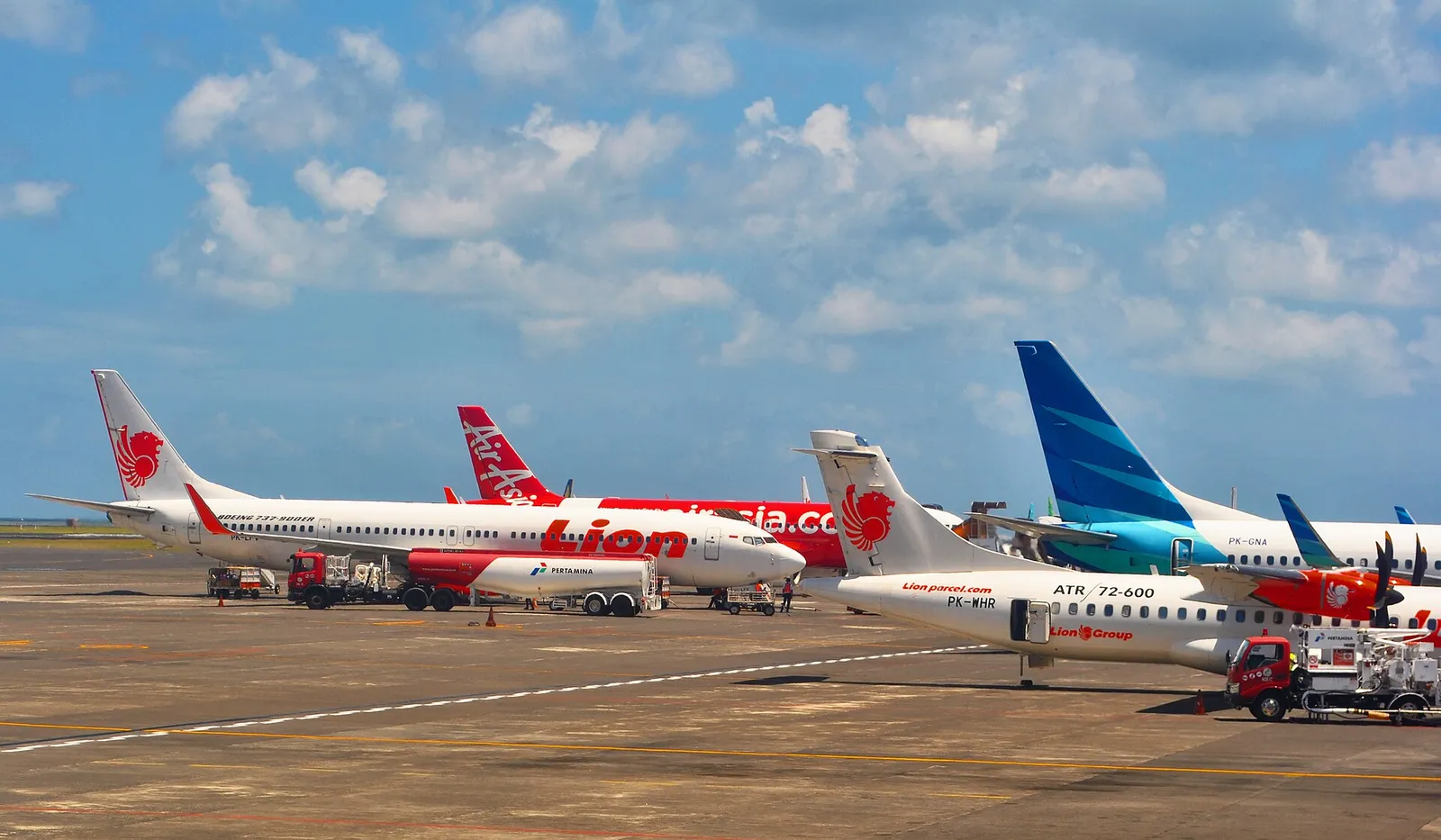
Ngurah Rai International Airport closes for roughly 24 hours, from early morning on Nyepi to early morning the next day. Nothing lands and nothing takes off, transit included. Airlines pull their schedules in advance, so you will not usually find yourself holding a ticket for a flight that does not exist, but you may find your rescheduled option is a day out either way.
Sea crossings stop too. The Java and Lombok ferry routes and the fast boats to the Gili Islands, Nusa Penida and Nusa Lembongan all suspend service. The suspension windows differ by port, and some begin the evening before or lift later in the morning afterwards, so check the specific operator rather than assuming a clean 6am to 6am.
The practical consequence is simple. Be where you intend to sleep by the afternoon before Nyepi, because road closures for the parade start in the late afternoon and drivers will not take you across the island once they do. If you are arriving in Bali that week, plan your first days in Bali with a buffer, and book your ride from the airport in advance rather than turning up expecting to sort it out at the kerb, as covered in our guide to airport transfers.
The four restrictions, and how they are enforced
Nyepi rests on four prohibitions. No fire or light. No work. No travel or movement. No entertainment or indulgence. Devout Balinese observe all four strictly, including fasting and silence.
Visitors are held to a lighter but real version: stay on the property, keep noise down, and keep light from spilling outside after dark. Curtains closed, outdoor lights off, no fireworks, no music on a speaker by the pool.
Enforcement is community based rather than police led. Traditional village security officers called pecalang patrol the streets and will send anybody outside straight back indoors. They are not aggressive, but they are not negotiable either, and there is no tourist exemption. Reports of financial penalties circulate and vary a great deal between sources, so treat any specific figure you read with scepticism. Villages can and do impose customary sanctions, and visitors have been publicly named for breaking the silence.
Genuine emergencies are the exception. Ambulances run, hospitals operate, and a woman in labour or a person needing urgent care will be allowed through. That is the only category of movement anybody arranges on the day.
Where to stay if you are on the island for it
This is the decision that determines whether the day is memorable or miserable, and it is worth taking seriously.
You want somewhere with grounds you can walk in, food available on site, and reliable wifi. A large resort or a villa with a garden gives you a day that feels like a retreat. A cheap room on a busy street with no kitchen and nowhere to sit gives you a day staring at a ceiling. Many properties require a minimum stay across the holiday and pre arrange meals, sometimes as a set menu or a stocked fridge, because staff numbers drop to a skeleton and nothing can be delivered.
Book early. Accommodation around Nyepi tightens well ahead of time, particularly the villas that people specifically choose for the day.
Book a Nyepi stay with grounds, not just a roomOn the Day of Silence you cannot leave the property, so space, on site food and working wifi matter more than location.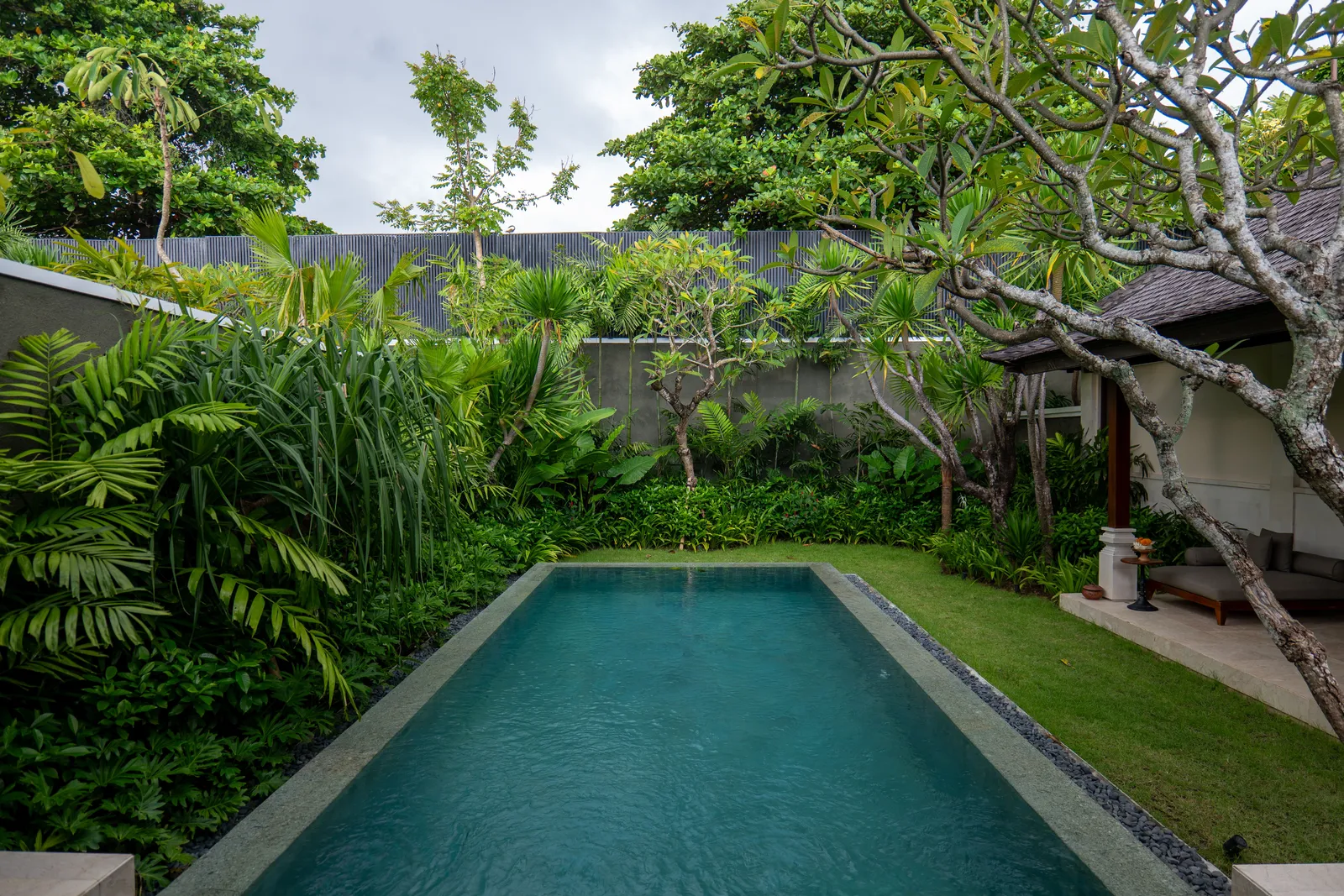
The night before and the morning after
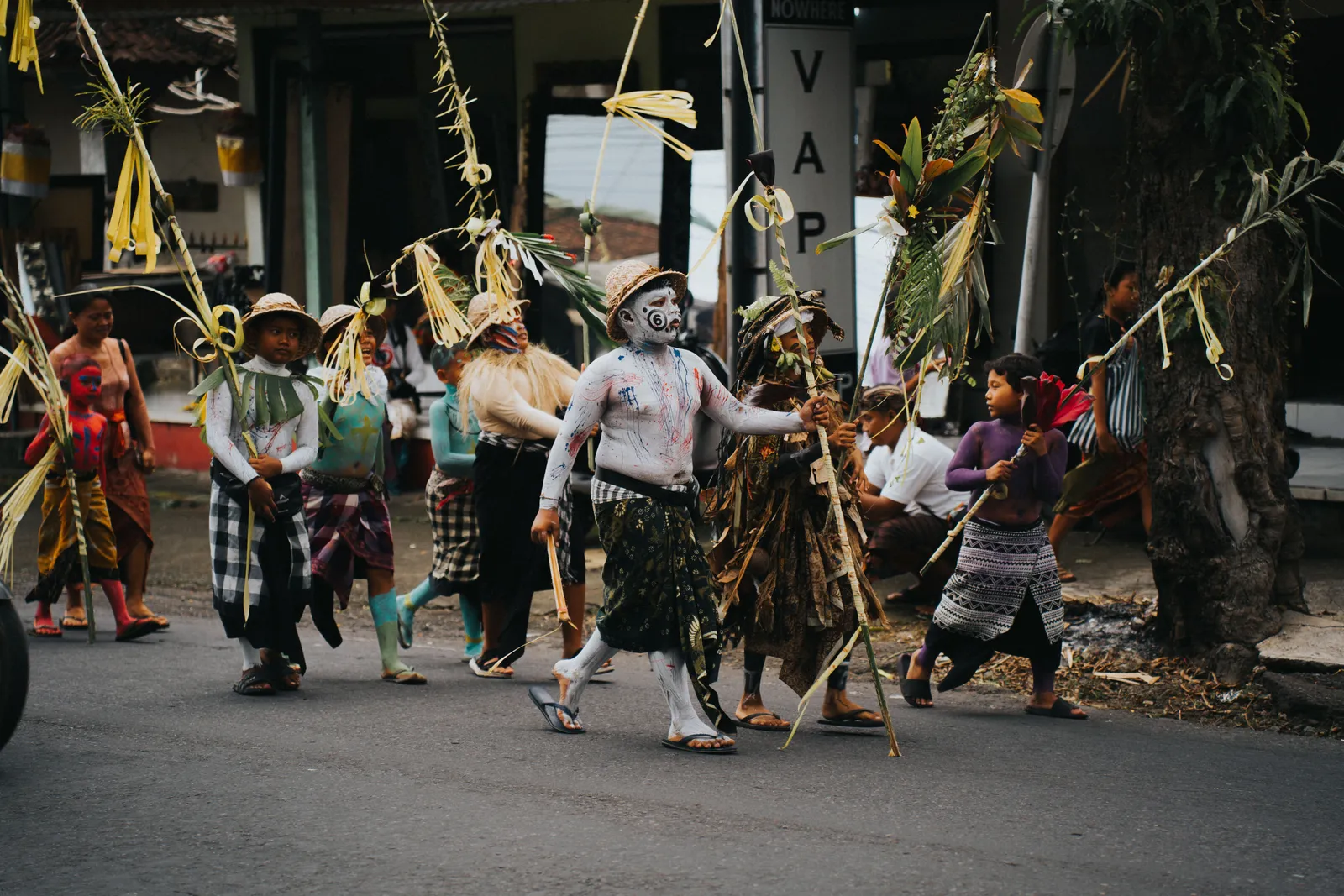
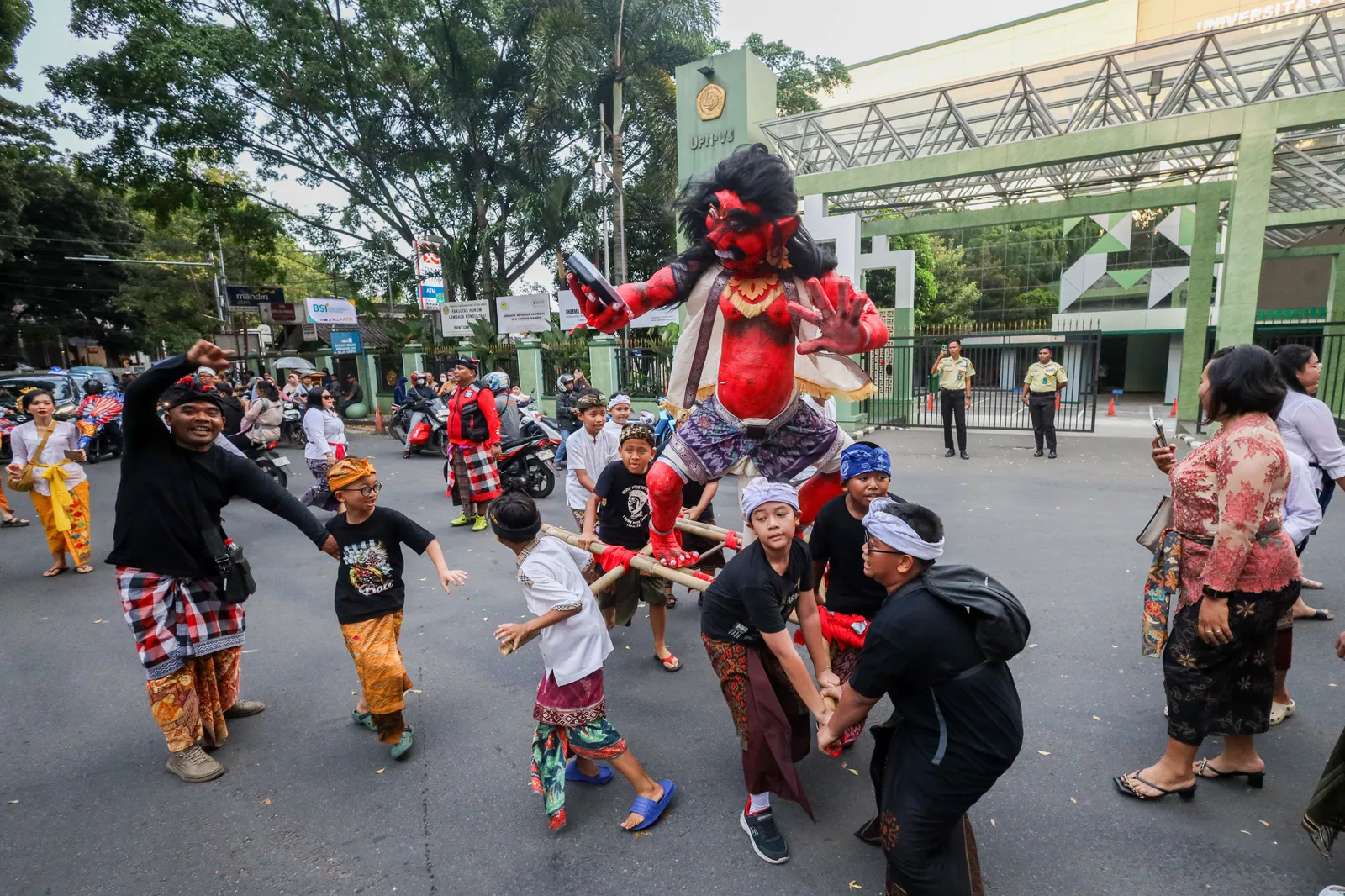
The evening before is called Ngrupuk, and it is the opposite of everything that follows. Villages parade ogoh-ogoh, towering demon figures built over weeks by local youth groups, through the streets with gamelan orchestras and torches, spinning them at crossroads to disorientate the spirits they represent, before burning or dismantling them. Roads close, crowds gather, and it is one of the best free spectacles in Indonesia. Ask your host which parade is nearest and go on foot.
The day after Nyepi is Ngembak Geni. Everything reopens, families visit each other, and the island resumes at normal volume. If you want to visit a temple in the days around the holiday, read our guide to Balinese temples first, because dress and conduct expectations are stricter than usual during ceremonial periods.
One last piece of admin, unrelated to Nyepi but easy to forget in the planning: foreign visitors pay a tourist levy of 150,000 IDR per person, and it should only ever be paid through the official provincial government channel at lovebali.baliprov.go.id. Lookalike sites charge considerably more for the same thing.