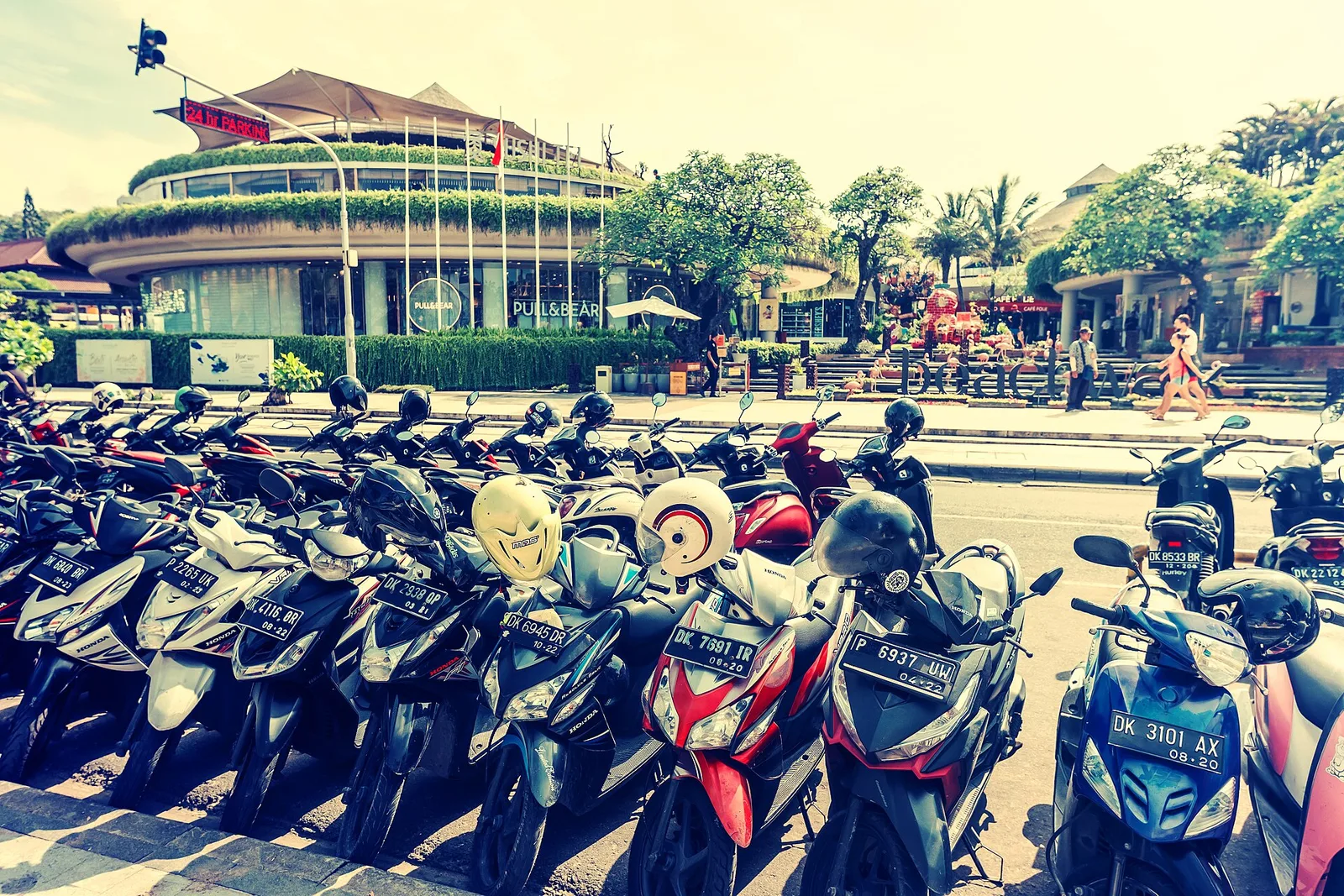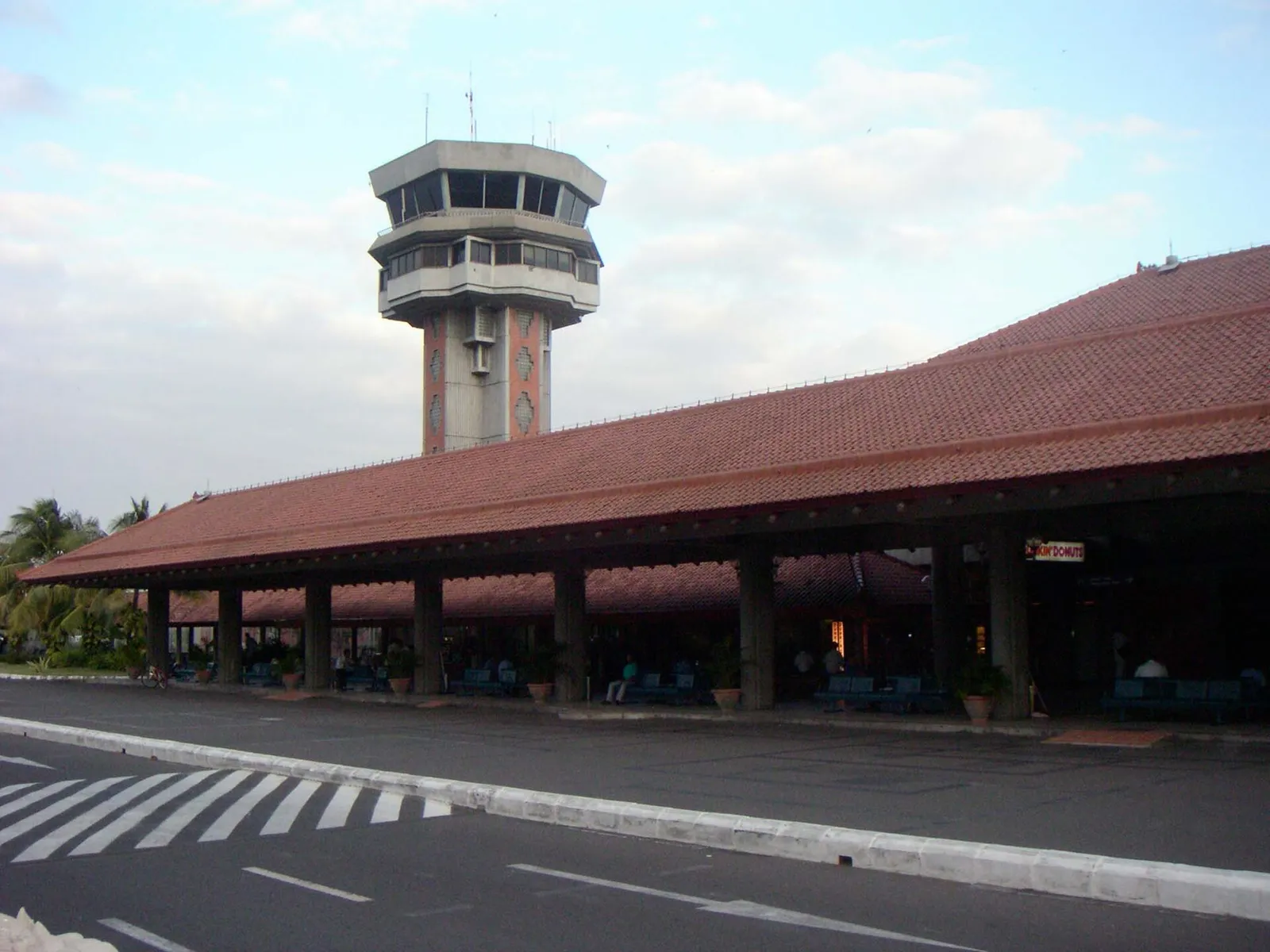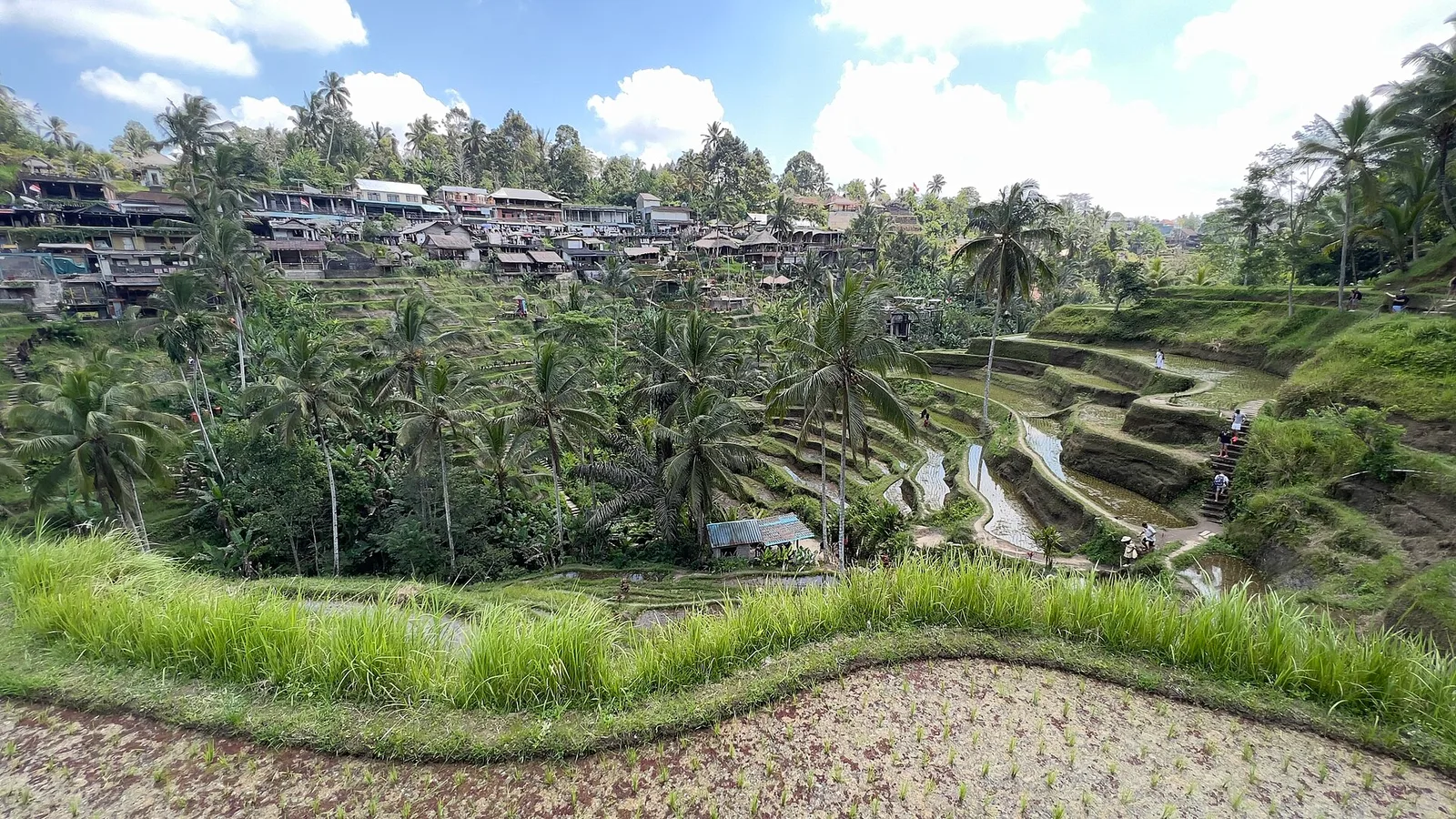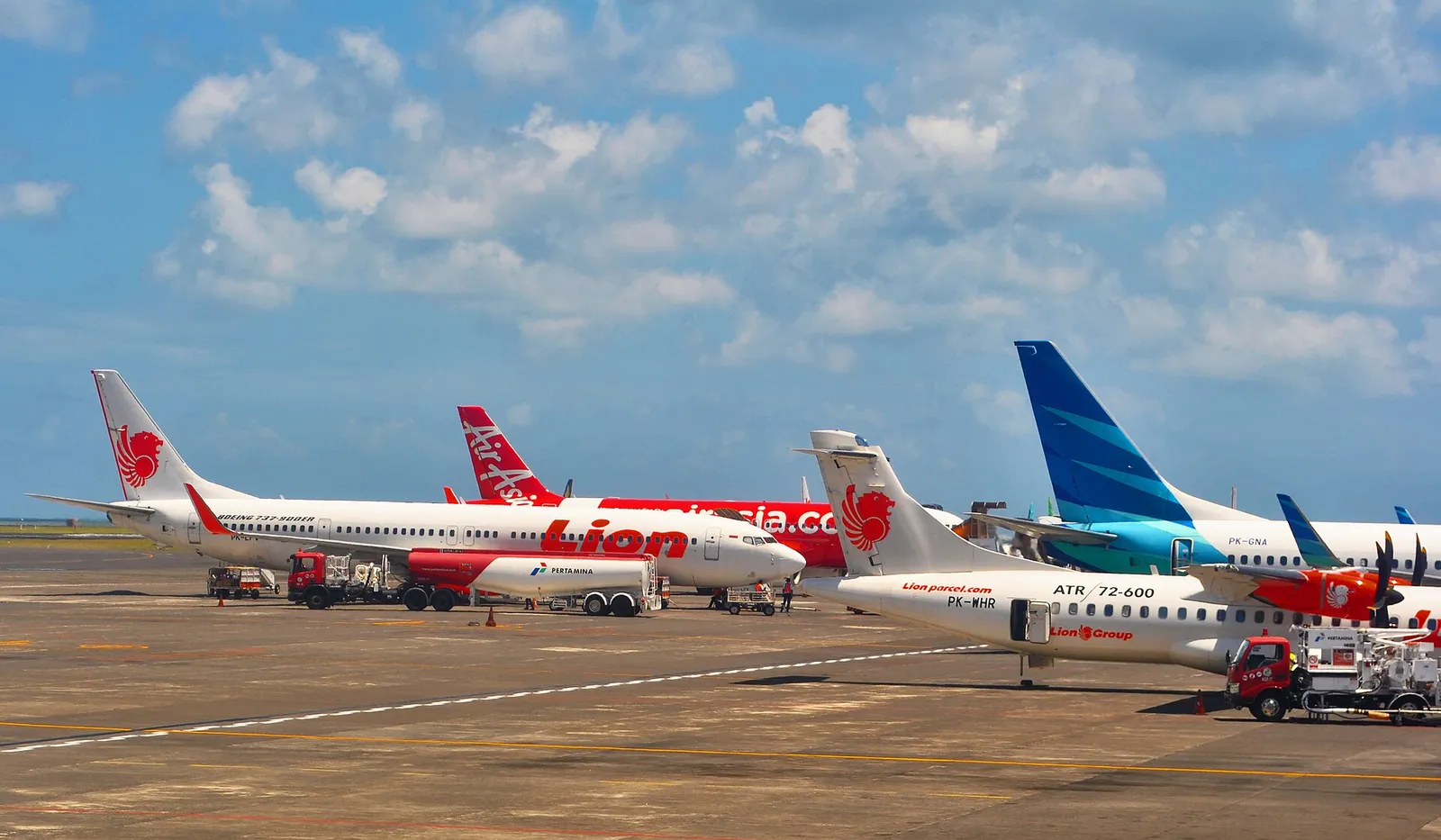
Ngurah Rai International Airport (DPS) sits in the narrow neck of southern Bali, which is both good news and bad news. Good: it is only a few kilometers from Kuta and no more than 20 km from most of the famous beach areas. Bad: those kilometers pass through some of the slowest traffic in Southeast Asia, and the arrivals curb is a gauntlet of touts quoting fantasy prices. Here is exactly how the transfer options work in 2026, what they really cost, and how long each ride actually takes.
Your four real options
The official airport taxi counter. Inside the arrivals area you will find the official fixed-price taxi desks. You tell them your destination, pay or confirm a set rate, get a coupon and are walked to a licensed car. It is the simplest zero-preparation option, slightly pricier than the apps, and completely legitimate. Ignore every individual who approaches you before the counter; the freelance touts inside and outside the terminal are the most expensive ride on the island.
Grab and Gojek. Both ride-hailing apps work at DPS, with one twist: pickups happen at designated app pickup zones, not the main taxi curb, because of long-running agreements with the airport taxi cooperative. Order the ride, and the app walks you a few minutes to the pickup point (signposted, and drivers will call). Fares include an airport surcharge but still usually undercut the counter for Kuta, Seminyak and Canggu. You need mobile data, which is the single best argument for installing an eSIM before you fly.
Prebooked private transfer. Booked online days ahead or through your hotel: a driver waits in arrivals with a name sign, the price is fixed in US dollars or rupiah, and bigger cars for families and surfboards are easy to arrange. For late-night landings, groups and first-timers this is the calmest option, and often barely more than the counter rate.
Hotel pickup. Many villas and resorts offer their own transfer. Upmarket resorts charge a premium for the branded car; smaller guesthouses often just send a trusted local driver at the going rate. Always worth an email to ask, especially in Ubud and Uluwatu, where having a driver who knows the exact lane matters.
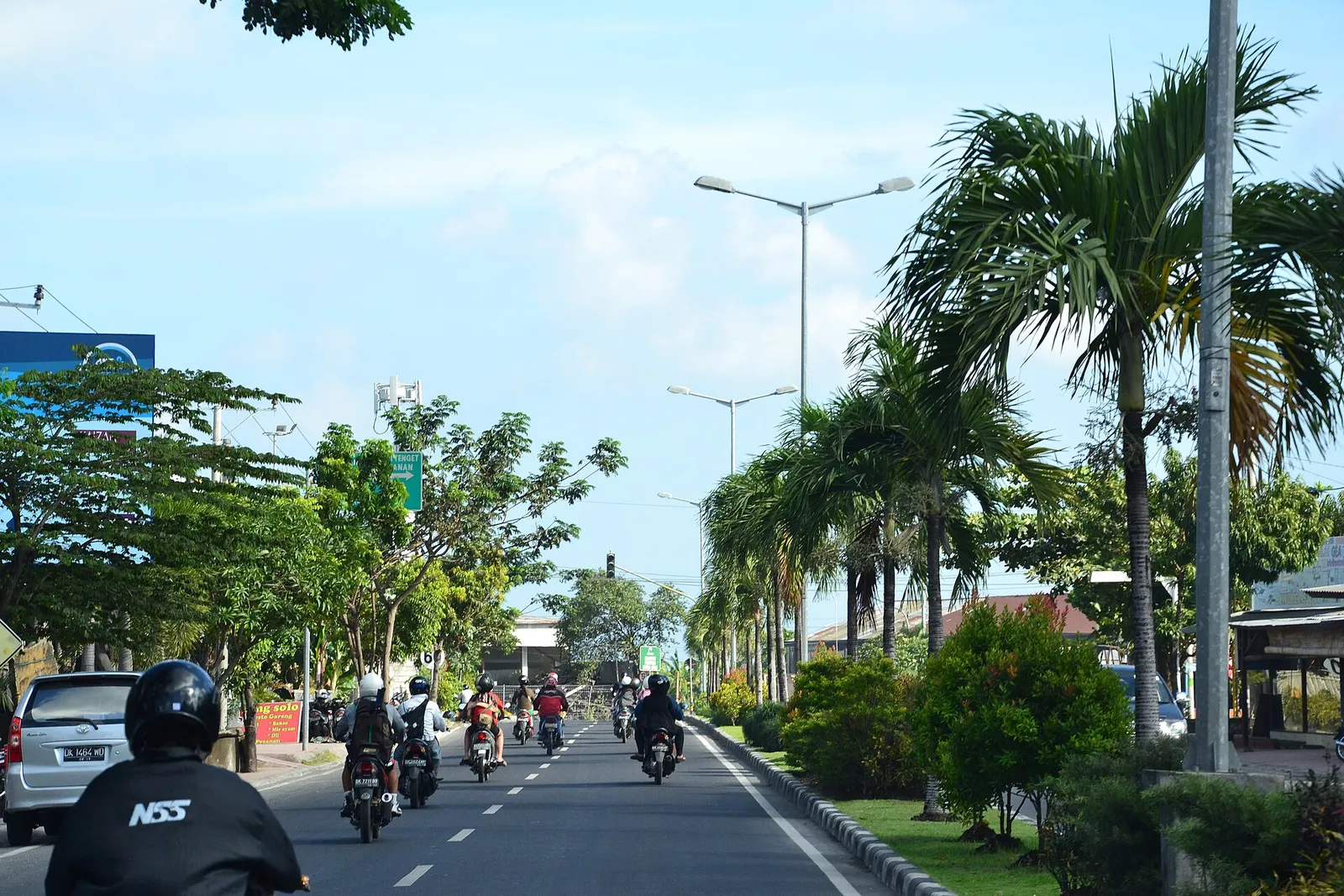
Prices and times to every major area
Fixed rates move around a little, but these are realistic 2026 ranges for a standard car, counter taxi or prebooked transfer. Grab and Gojek usually come in at or just below the bottom of each range. Times assume normal daytime traffic; add 30 to 60 minutes in the 4 pm to 7 pm crush.
| Destination | Distance | Typical time | Typical price (US$) |
|---|---|---|---|
| Kuta / Legian | 4 to 6 km | 15 to 30 min | $8 to $12 |
| Seminyak | 9 km | 30 to 45 min | $13 to $16 |
| Canggu (Berawa / Batu Bolong) | 17 km | 45 to 75 min | $17 to $25 |
| Sanur | 16 km | 30 to 45 min | $15 to $20 |
| Nusa Dua | 12 km | 25 to 40 min | $14 to $18 |
| Uluwatu / Bingin | 20 to 25 km | 45 to 70 min | $20 to $28 |
| Ubud | 37 km | 90 to 120 min | $25 to $35 |
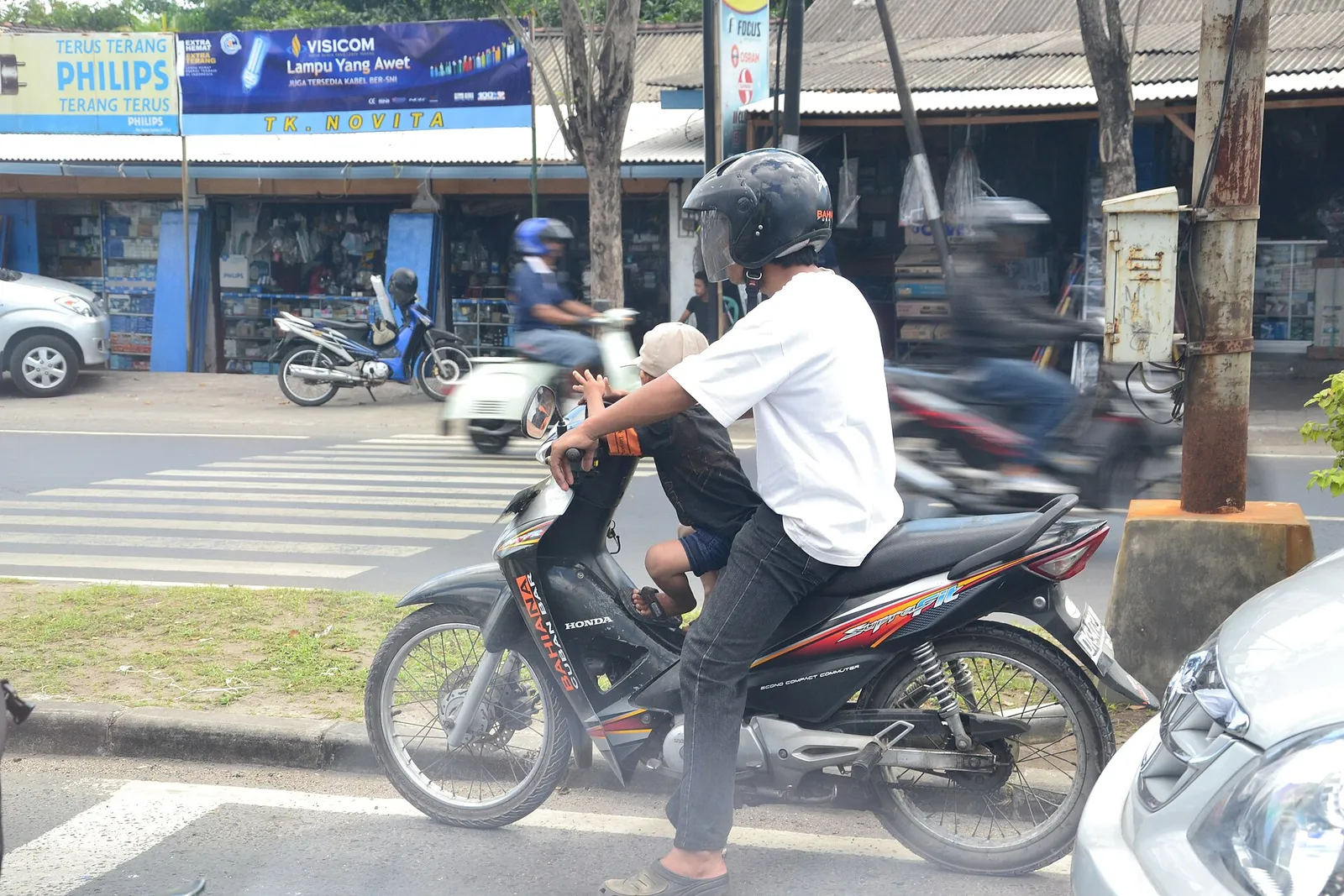
Two patterns worth noticing. Kuta is so close that even the counter rate is cheap, so do not overthink it. Canggu and Ubud are where traffic, not distance, sets the time: the Canggu shortcut lanes crawl at rush hour, and the Ubud road is a long procession of trucks and scooters. Land in the late afternoon and you should mentally book the upper end of every time estimate.
Step by step: from baggage claim to the car
Once you clear customs (see the full arrival walkthrough in our visa and entry guide), the sequence is short. Get cash or skip it: there are ATMs and currency counters in arrivals, though app rides and prebooked transfers need no cash at all. Turn on your eSIM. Then choose your lane: prebooked drivers wait with signs at the arrivals exit; the official taxi counter is clearly marked inside; app pickups mean following Grab or Gojek’s walking map to the pickup zone. From the moment you have your bags, you can genuinely be moving within ten minutes, even at busy hours.
A few honest tips from many landings: agree or confirm the price before the car moves, keep small rupiah notes if you do pay cash, and if anyone tells you your hotel is “closed” or “flooded” and offers an alternative, smile and walk on; it is the oldest trick at DPS. Solo travelers landing after midnight should lean toward the counter or a prebooked car rather than a long walk to a quiet pickup zone.
Which option fits which traveler
First trip, or landing at night: prebook a private transfer and buy yourself a soft landing. Confident with carry-on and data: Grab or Gojek wins on price and speed for Kuta through Canggu. Families and surfers: prebook a van; boards and airport taxis are a bad mix. Heading straight to Ubud or Uluwatu: prebook, because a fixed price beats a long metered negotiation, and consider keeping the same driver’s number for day trips later, which is how half the island’s best driver relationships begin.
One thing not to do: rent a scooter at the airport for your first-ever ride in Bali, jet-lagged, at dusk, with a backpack. Get to your base first, settle in, and read our scooter and car rental guide before deciding how you will get around. And if you have not picked that base yet, our where to stay guide breaks down every area the table above just priced.
The short version
DPS transfers are easy once you know the system: official counter for zero-prep simplicity, Grab or Gojek from the app pickup zones for the best price, a prebooked name-sign driver for the calmest arrival. Budget US$10 to $16 for the Kuta and Seminyak strip, $20-something for Canggu and the Bukit, low $30s for Ubud, and always more time than the map suggests. Ignore the touts, confirm the price before the wheels turn, and Bali starts the moment the doors close.