Nobody daydreams about insurance while planning Bali, and almost everyone who has needed it there wishes they had read the fine print first. Indonesia has no reciprocal healthcare for visitors, the good private hospitals ask for a payment guarantee before serious treatment, and the accidents that actually happen, scooters above all, are exactly the ones cheap policies quietly exclude. Here is what a Bali policy genuinely needs to cover, in plain language.
The scooter clause: Bali’s number one claim
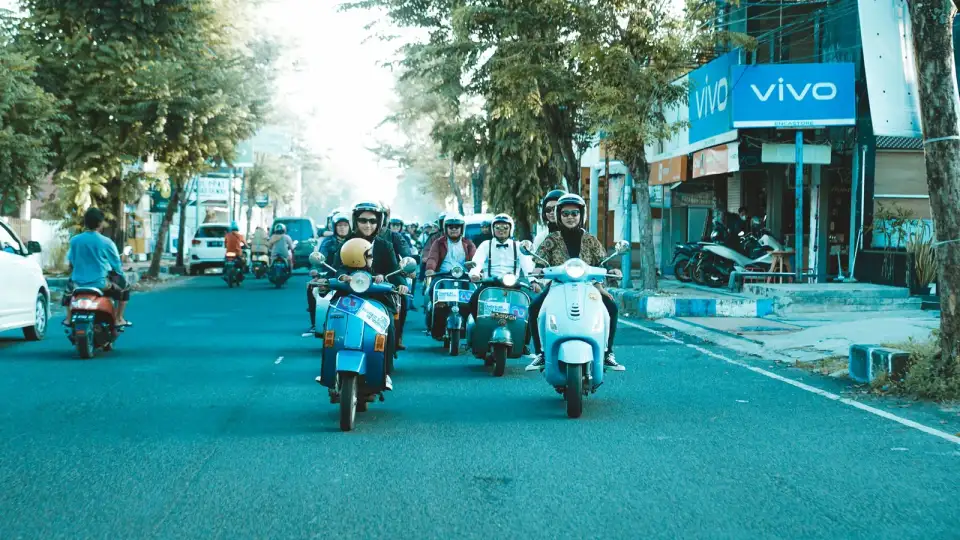
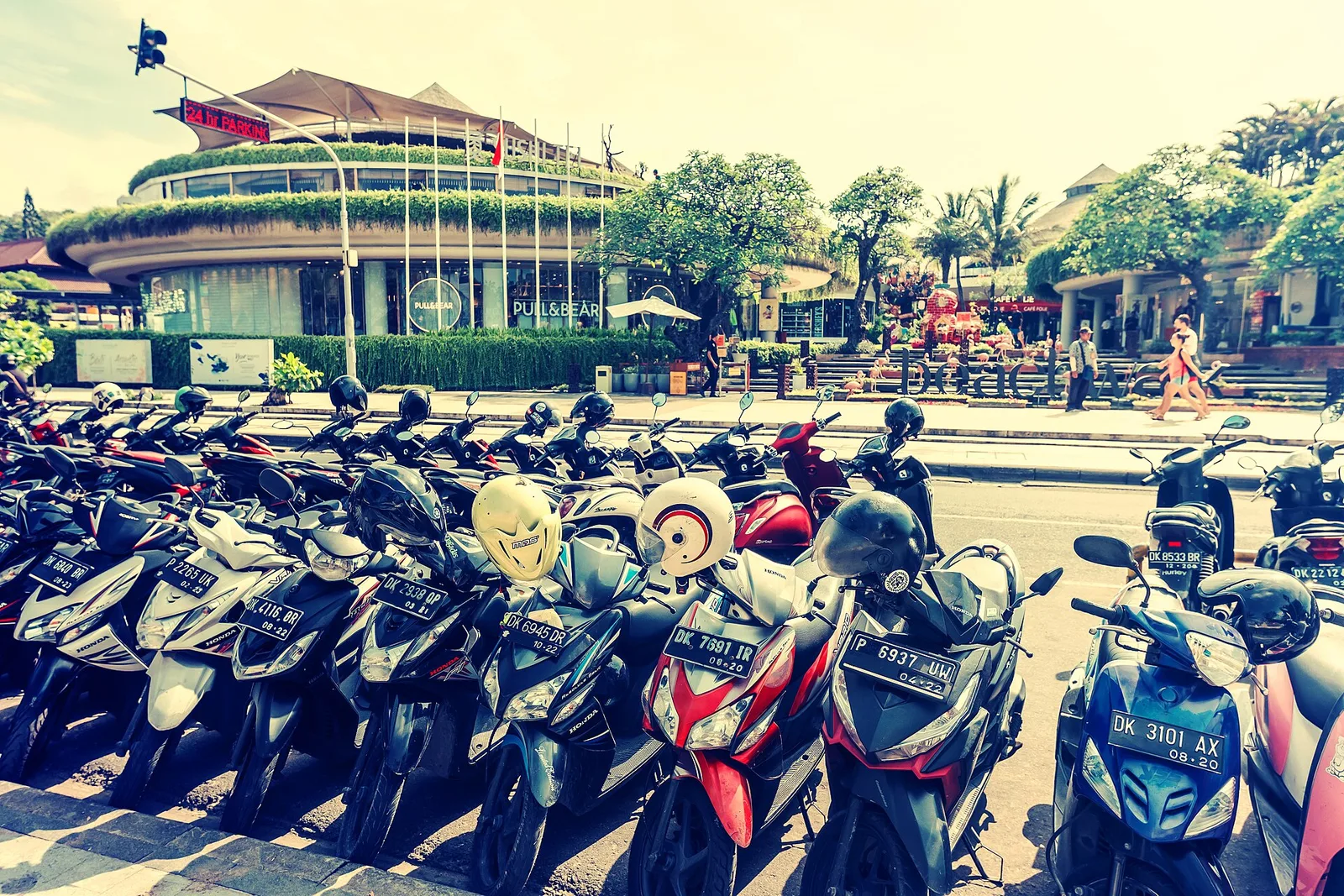
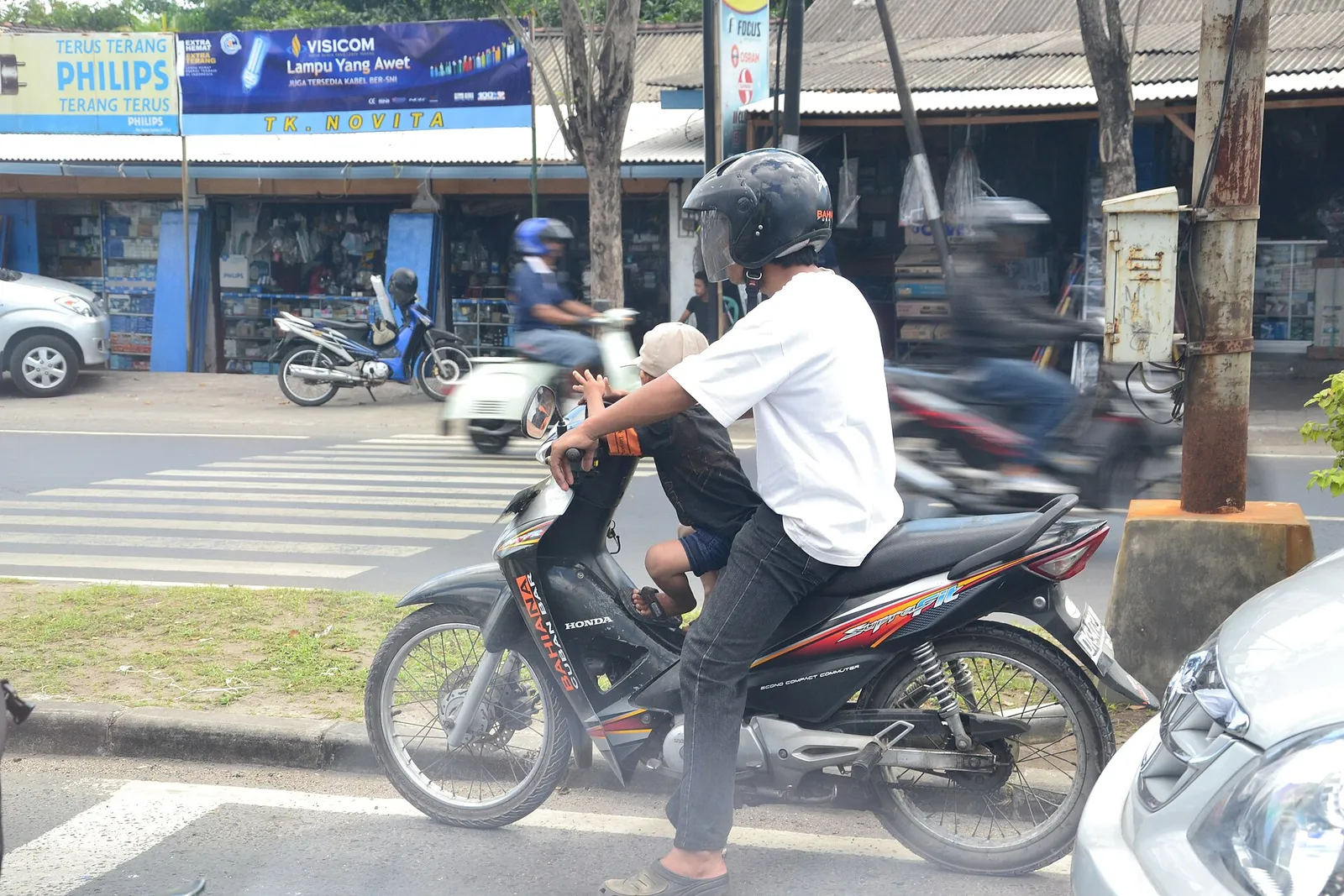
Scooter accidents are the most common travel insurance claim to come out of Bali, by a wide margin. The island runs on two wheels, the lanes are narrow, the surfaces are unpredictable, and thousands of visitors ride every day, many for the first time in their lives.
Here is the part that catches people out: almost every insurer attaches conditions to two-wheel cover, and breaking them voids the claim entirely.
- Licence: you generally need a motorcycle licence valid for the engine size you are riding, usually alongside an International Driving Permit. A car licence alone rarely qualifies you for a 125cc scooter in the eyes of an insurer.
- Helmet: no helmet, no claim. This is close to universal.
- Sobriety and legality: riding after drinking, or riding a bike you are not legally allowed to ride, gives the insurer an easy exit.
If you plan to ride, read the motorcycle section of the policy wording before you buy, not after the ambulance. If you do not plan to ride, say so honestly and use drivers and ride-hailing apps instead; our scooter and car rental guide covers both paths.
Surf, dive and volcano: the add-ons that matter
Bali’s best days are active ones, and activities are where base policies get thin.
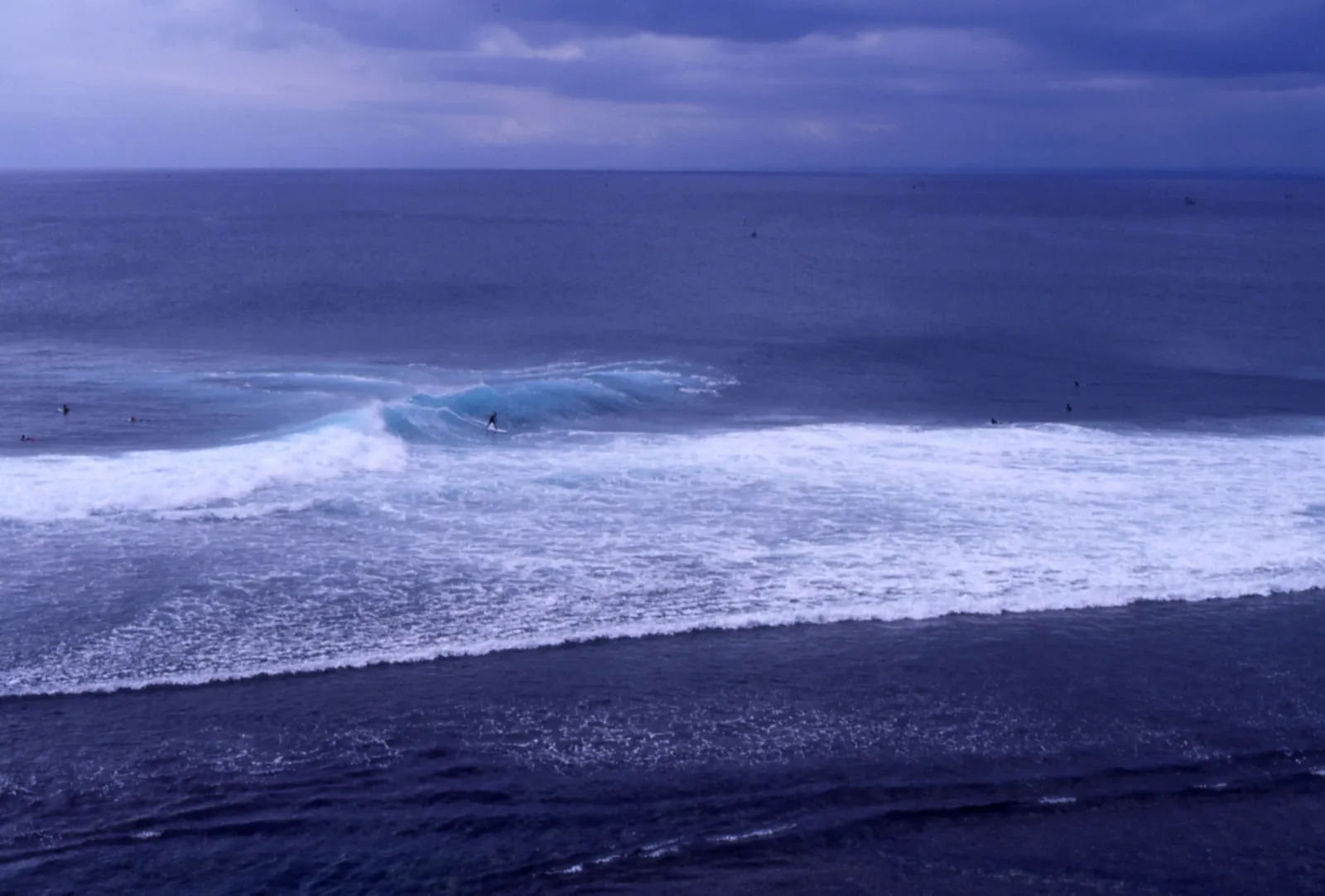
Surfing is included in many standard policies at a recreational level, but not all, and some exclude bigger reef breaks or anything competitive. If surfing is the point of your trip, confirm it is on the covered list in writing.
Scuba diving is usually covered only to a stated depth, commonly 30 meters, and only if you are certified or diving with an instructor. Planning to dive the wrecks and drift sites around Bali and the Nusa islands? Check the depth limit against your certification.
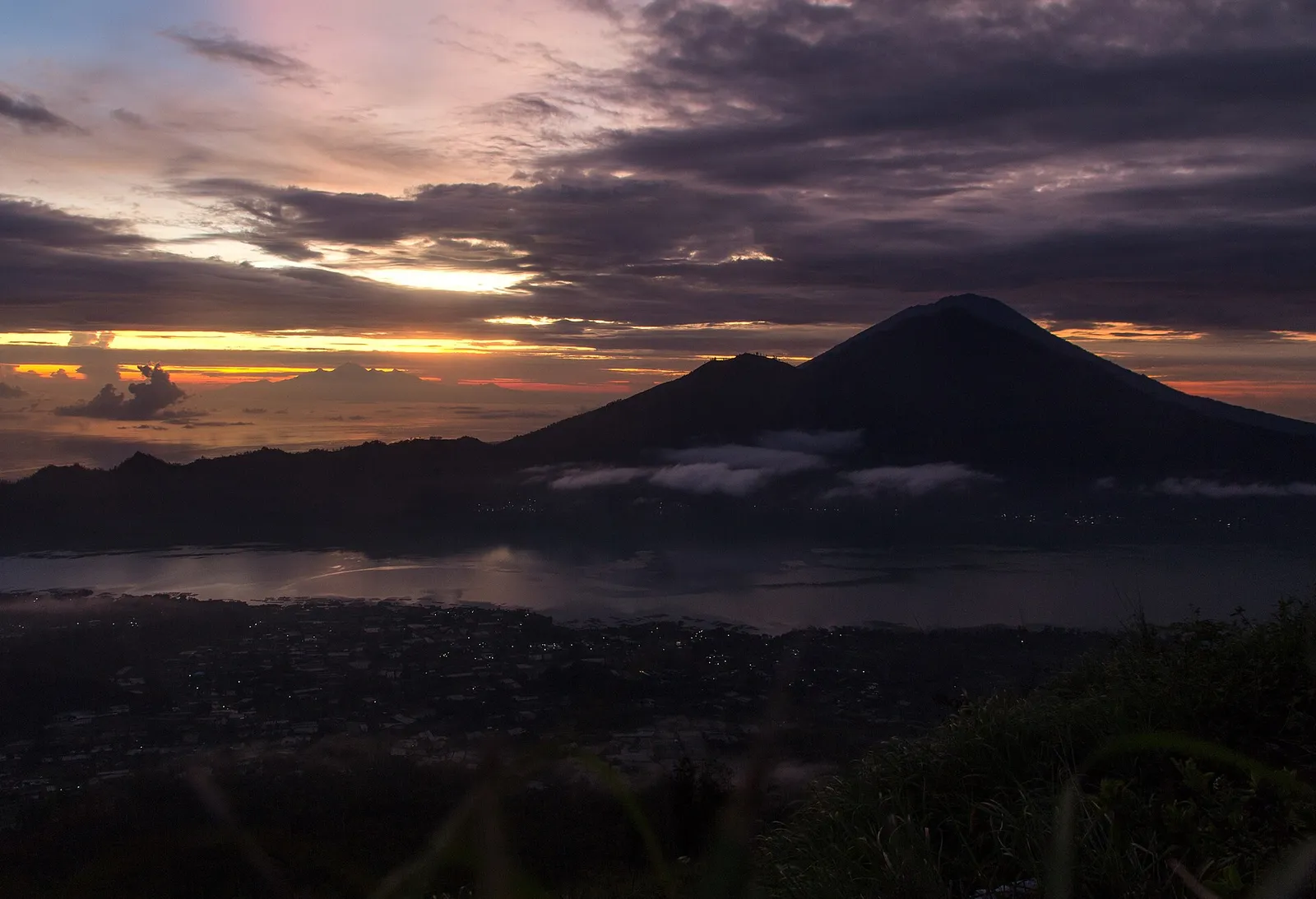
Volcano trekking sounds dramatic on paper, but the popular Mount Batur sunrise trek is a guided hike to about 1,700 meters, well below the altitude thresholds most policies use (often 3,000 meters or more). It is generally covered as standard hiking when done with a guide. Just confirm the policy does not have a blanket volcano exclusion, since Indonesian volcanoes are active and insurers occasionally add one.
What a Bali policy must include
| Cover | Why it matters in Bali | What to look for |
|---|---|---|
| Emergency medical | Private hospitals want payment guarantees upfront | US$250,000 or more, direct billing via assistance line |
| Medical evacuation | Serious cases are flown to Singapore | US$100,000 minimum for the air ambulance |
| Motorcycle riding | The number one Bali claim | Cover with realistic licence and helmet conditions |
| Watersports | Surf and dive trips | Surfing listed; diving to your certification depth |
| Trekking | Batur and Agung sunrise hikes | Hiking covered to at least 2,000 meters, no volcano exclusion |
| Illness cover | Dengue and stomach bugs are the common non-crash claims | Standard medical benefit plus hospital cash is a bonus |
| Theft and delays | Phones, boards, monsoon-season disruption | Per-item limits that match what you carry |
Dengue, Bali belly and the everyday risks
Not every claim is a crash. Dengue fever is present year-round and spikes in the wet season; there is no traveler vaccine in wide use, so the defense is repellent, especially at dawn and dusk. A dengue hospitalization is a normal medical claim, and the better private hospitals manage it routinely. Stomach trouble, the famous Bali belly, usually resolves with rest and fluids, but a severe case can also mean a night on an IV drip, another small but real reason the medical benefit matters. Sensible eating habits help more than any policy; our Bali food guide covers how to eat adventurously and stay well.
Hospitals and the evacuation question
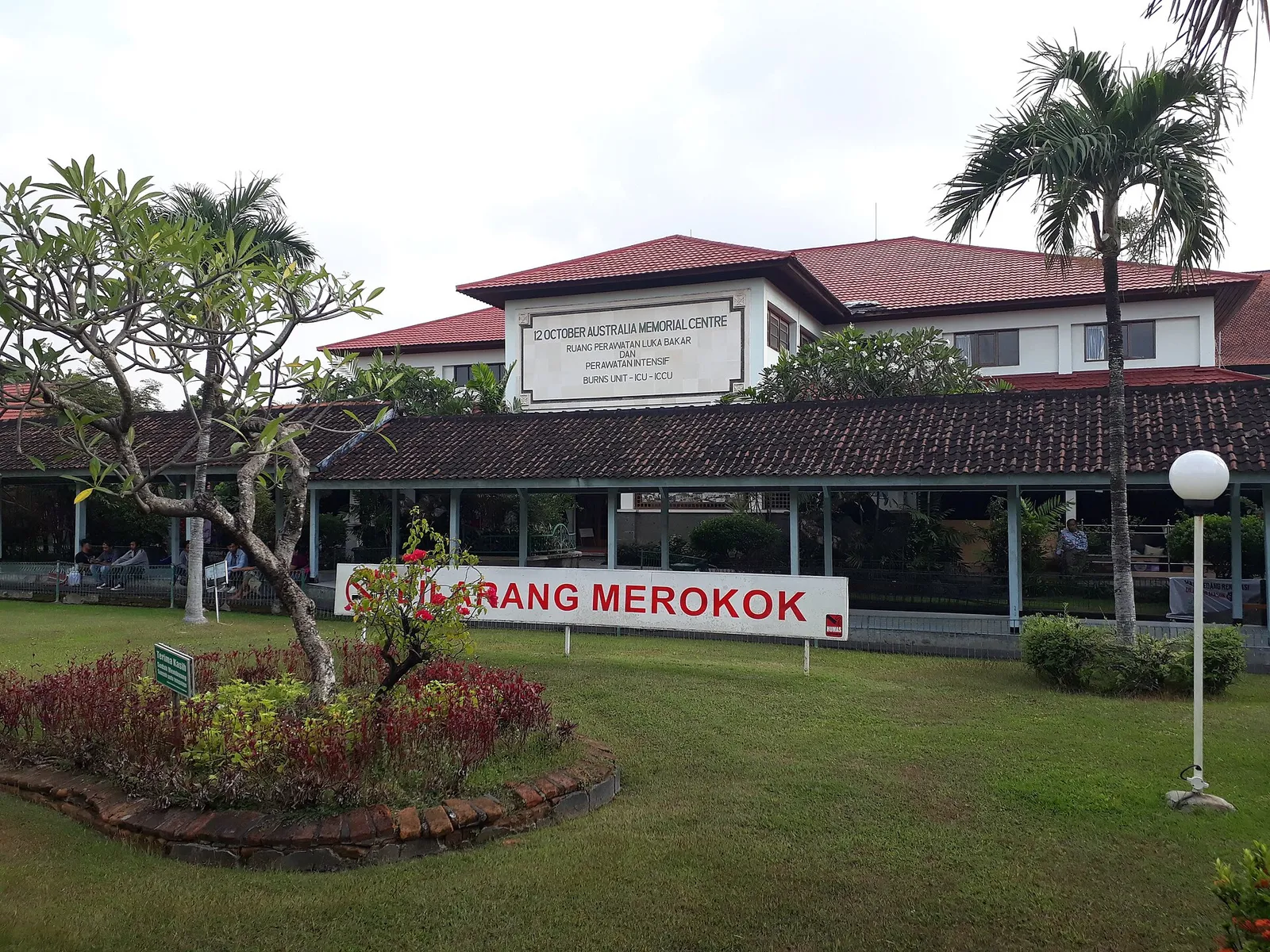
For anything serious, travelers in south Bali head to the big private hospitals: BIMC (Kuta and Nusa Dua) and Siloam (Denpasar area) are the names you will hear most, with English-speaking staff and international-standard emergency care. They are good, and they are not free: expect to show proof of insurance or a credit card before major treatment. Save your insurer’s 24-hour assistance number in your phone on day one, because that team, not you, should be arranging payment guarantees.
For the most serious cases, cardiac events, major trauma, complicated surgery, the standard of care is evacuation to Singapore by air ambulance, commonly costing between US$30,000 and US$60,000. This single scenario is why evacuation cover is the non-negotiable line in any Bali policy. Everything else on a policy is nice to have; this is the bill that changes lives.
Choosing a provider
The international market for Bali-appropriate cover is healthy, and several well-known names, SafetyWing, World Nomads, Allianz Travel and IMG among them, sell policies that travelers commonly use in Indonesia. They differ in structure: some are subscription-style and suit long-stay nomads, some are trip-based and suit a two-week holiday, and their motorcycle, watersports and adventure conditions are all worded differently. There is no single best answer; there is the policy whose conditions match your actual trip. Compare two or three against the table above, read the motorcycle and activities sections in full, and pick on wording, not price alone. First visit? Start with our first time in Bali guide to shape the trip before you insure it.
Match the policy to the trip you are actually takingRiding, surfing or diving each change which policy is right, so compare before you buyThe short version
Buy a policy before you fly, with at least US$250,000 of medical cover and US$100,000 of evacuation cover. If you will ride a scooter, carry the right licence, wear the helmet, and confirm the motorcycle clause. Add surf or dive cover if the water is your plan, check the trek is covered, and save the assistance number in your phone. Insurance is the cheapest thing you will buy for Bali, and the only one you hope stays unused.