For years, the remote workers filling the cafes of Canggu were doing so on tourist visas, which do not permit work of any kind. Indonesia’s E33G remote worker permit was created to give that population a legal route. It is a limited stay permit, not a tourist visa, and it comes with conditions that are frequently softened in the marketing material of the visa agents who dominate search results for it.
This is a neutral explainer of how the category works and, more usefully, where the boundaries are. It is not immigration advice and it deliberately avoids quoting figures that agents present as official when they are not. For short stays, tourist entry and the visa on arrival rules, our Bali visa and entry guide is the relevant article. This one is about staying for a year.
What the E33G actually is
E33G sits in Indonesia’s limited stay permit family, commonly referred to as a KITAS. The defining feature is straightforward: it is for people whose employer and whose income are both outside Indonesia, and who perform that work remotely while living here.
Applications go through the official Directorate General of Immigration system at evisa.imigrasi.go.id. That portal is the authority on every requirement, fee and timeline discussed below. Everything else, including this article, is secondary.
The general shape of the requirements is consistent across sources: proof of employment with an organisation registered outside Indonesia, evidence of a minimum level of foreign income, evidence of a minimum bank balance supported by several months of statements, a passport with substantial remaining validity, and international health insurance rather than travel insurance. The specific thresholds are exactly the sort of thing that changes without much notice, which is why you should read them at the source rather than from an article or an agent’s landing page.
What it does not allow, stated plainly
You cannot work for Indonesian clients or Indonesian companies on an E33G. Not as a freelancer, not as a contractor, not through a local entity. The permit is constructed entirely around foreign employment and foreign income, and local revenue falls outside it. If your work involves Indonesian customers, you need a different permit category, and that is a conversation to have with a licensed consultant before you apply rather than after.
A tourist visa does not permit remote work either. This is worth saying because the practice is so normalised in Bali that people assume it must be fine. Tourist visas and visa on arrival authorise tourism. Working online for a foreign employer while on one is still work, enforcement has simply been inconsistent. Inconsistent enforcement is not permission, and the potential consequences, fines, deportation and re-entry bans, sit with you.

The questions where sources genuinely disagree
Two points are worth flagging because searching for them returns confident and contradictory answers.
Extendability. Some sources describe the E33G as a one-year permit that cannot be extended, requiring you to leave and apply afresh. Others describe an in-country renewal process adding a further year. The category has been amended since it was introduced, and the agents writing about it are not neutral. Confirm the current position on the official portal.
Dependants. The permit is issued to an individual. Whether a spouse and children can be attached to it or must apply separately in their own right is again answered differently in different places. If you are moving as a family, this is the detail that must be right before anyone books a flight.
Where sources conflict, assume the more restrictive reading until the official portal tells you otherwise.
Cost, and the part agents do not separate out
You will find a total cost quoted widely for the E33G, usually a single figure in rupiah covering everything. That figure almost always bundles two very different things: the official government charges, which are fixed and published, and the agent’s own service fee, which is not an official figure and varies enormously between providers.
Because those charges are set by the government and revised periodically, and because agent fees are simply commercial pricing, there is no useful single number to publish here. Read the official fee on the immigration portal, then treat any additional amount an agent quotes as their price for handling the paperwork, and compare it against others.
Using an agent is a legitimate choice and many people do. Just know which half of the invoice is which.
International health cover is part of the requirementThis is ongoing health insurance, not the travel policy you buy for a two-week holidayTax, which is a separate question from immigration
The claim that E33G holders pay no Indonesian tax circulates constantly and should not be relied on.
Immigration status and tax residency are decided by different authorities under different rules. Indonesian tax residency generally follows a physical presence test based on being in the country for more than 183 days in a twelve month period, administered by the Directorate General of Taxes at pajak.go.id. A permit that lets you stay for a year is, by definition, a permit that can take you past that threshold.
The full answer also depends on your home country’s rules, on whether it taxes on residence or citizenship, and on whether a double taxation agreement applies. This is a question for a qualified tax adviser before you move. Nobody should be giving you a ruling on it in a travel article, including this one.

Nationality, and the practical reality of living here
Eligibility, required documents and the practical process are not identical for every passport, and the separate short-stay rules differ too. Visa on arrival, currently issued for thirty days and extendable once inside Indonesia for a further thirty, is available to nationals of a long list of countries. Other nationalities must arrange a visa in advance. That list changes. Check your own passport rather than a friend’s experience, and check it on the official portal: a process that was simple for an Australian colleague may involve additional documents for you.
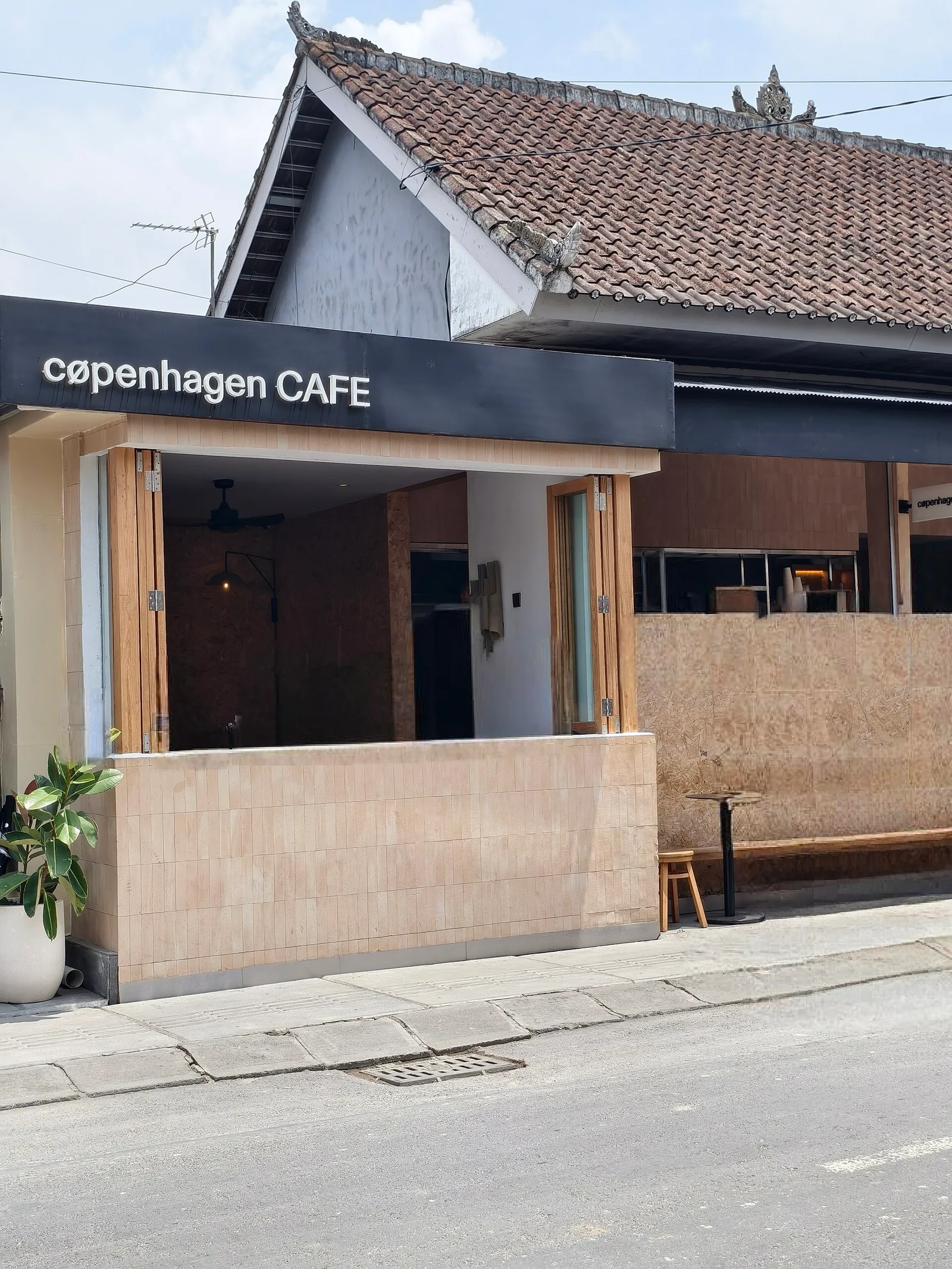
Canggu is the acknowledged centre of the remote-working population, with the density of co-working spaces, cafes with reliable power and the social infrastructure that comes with it. Our Canggu guide covers the area itself, including the traffic, which is the most common complaint from people who stay long term.
Budget honestly. A year here is not a holiday budget stretched out: monthly villa rents, scooter or car costs, health insurance, visa costs and the flights home add up differently from a two-week trip. Our Bali budget guide is a starting point for the day-to-day side of that.
Finally, the rules in this space move. Indonesian immigration policy has changed repeatedly since the E33G was introduced, often with limited public notice, and the information environment is dominated by companies with an interest in how it is presented. Read the official portal, and if the amount at stake is a year of your life, pay a licensed consultant for a current answer rather than trusting a search result.