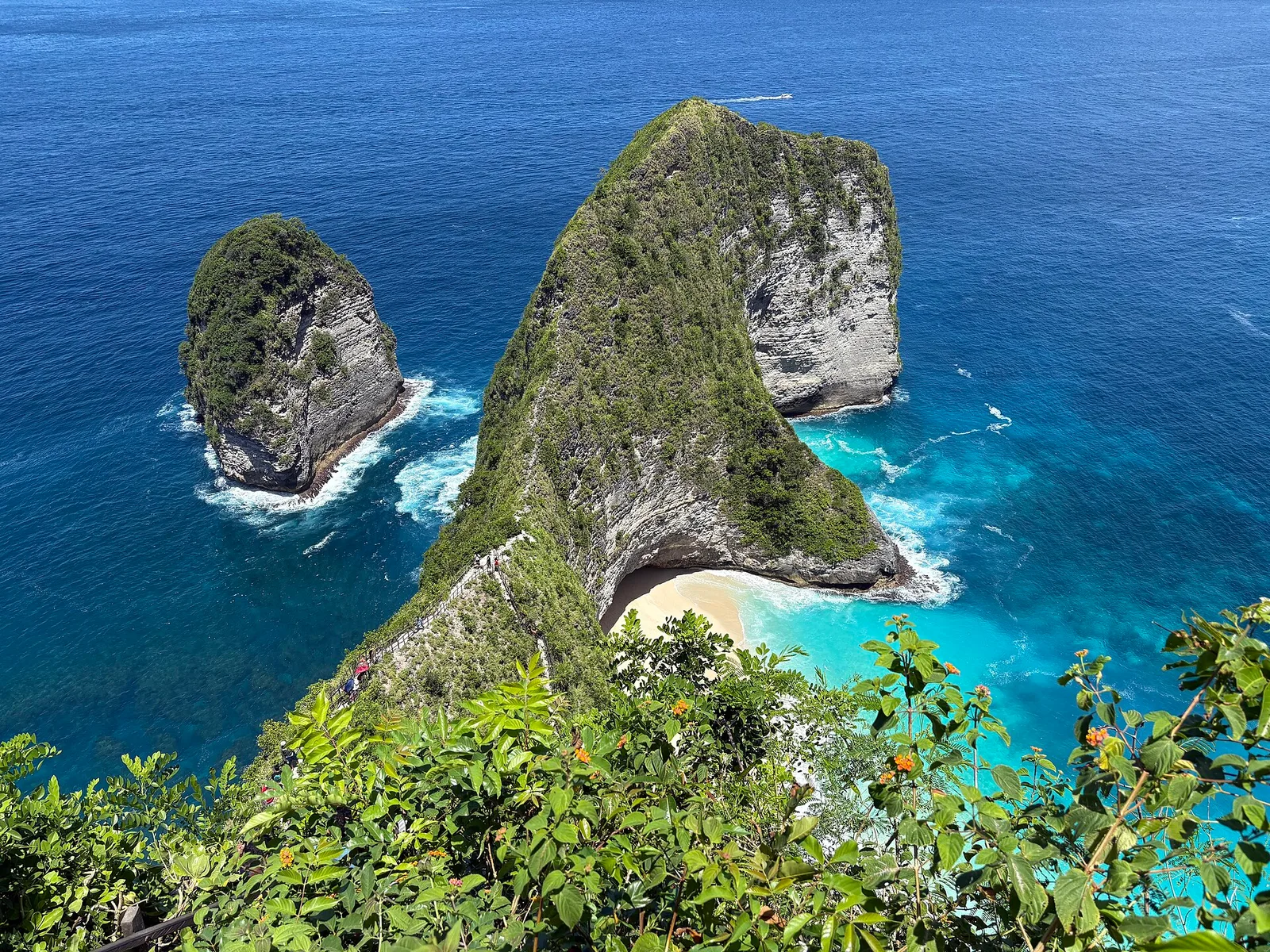
Bali is one of the world’s great family beach destinations, and it is also an island where the standard traveller itinerary is close to unworkable with a five year old in the back of a car. Sunrise volcano treks, three-hour drives between viewpoints and cliff staircases down to surf beaches are all excellent, and none of them survive contact with a tired child.
A family week here works when it is built around three principles: calm water, short drives, and one activity per day. This guide sets out a plan on those terms, and then covers the health and practical points that genuinely matter with children, which are not the ones most articles lead with. If you want the generic version of the same week, our five-day itinerary is a useful comparison for how much a family plan slows down.
Choose the right base first, and stay put
The single biggest decision is coastline. The west coast around Seminyak and Canggu has dark volcanic sand, real shore break and rip currents, and it is where surf lessons happen for a reason. It is a poor default with small children.
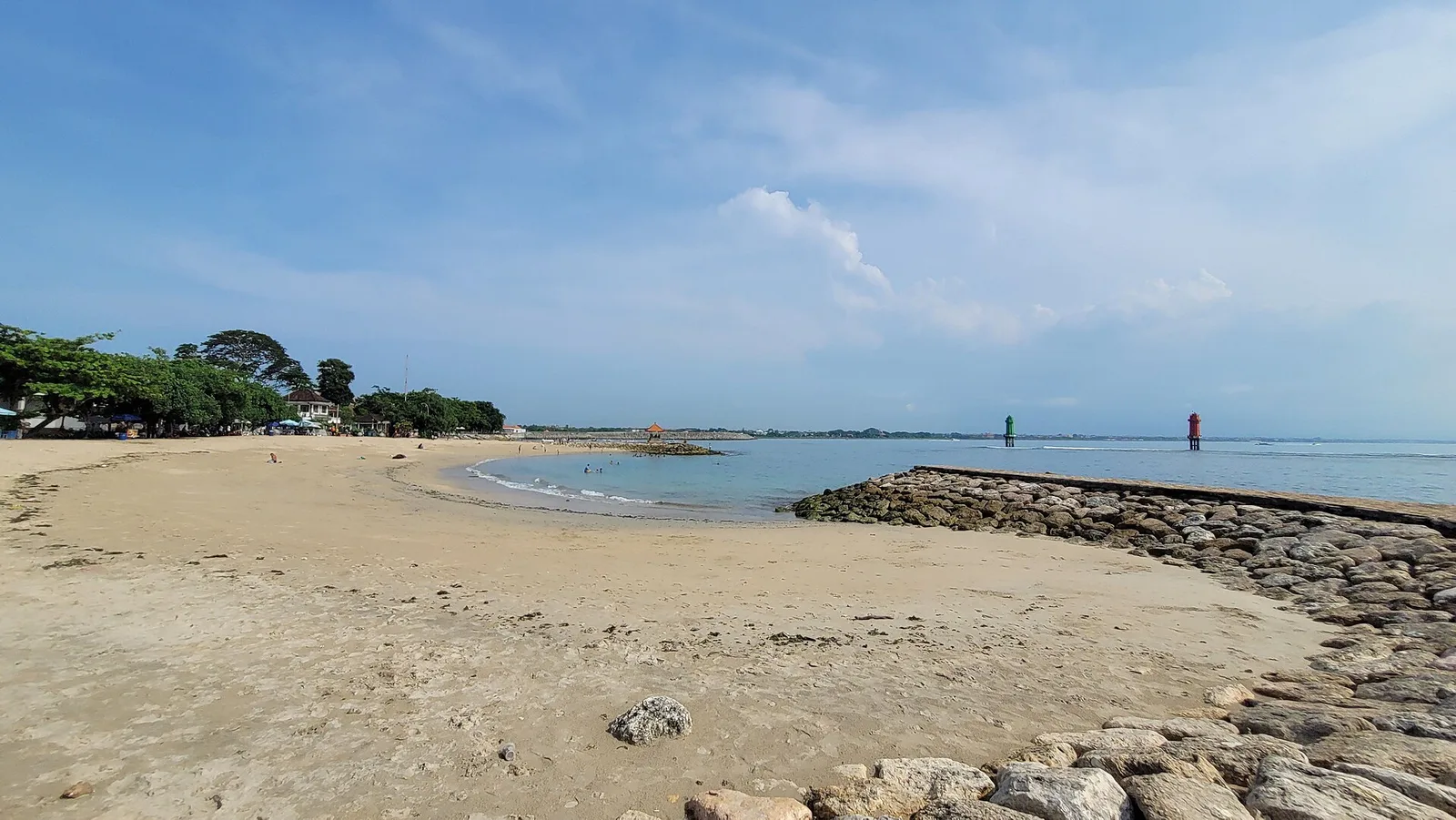
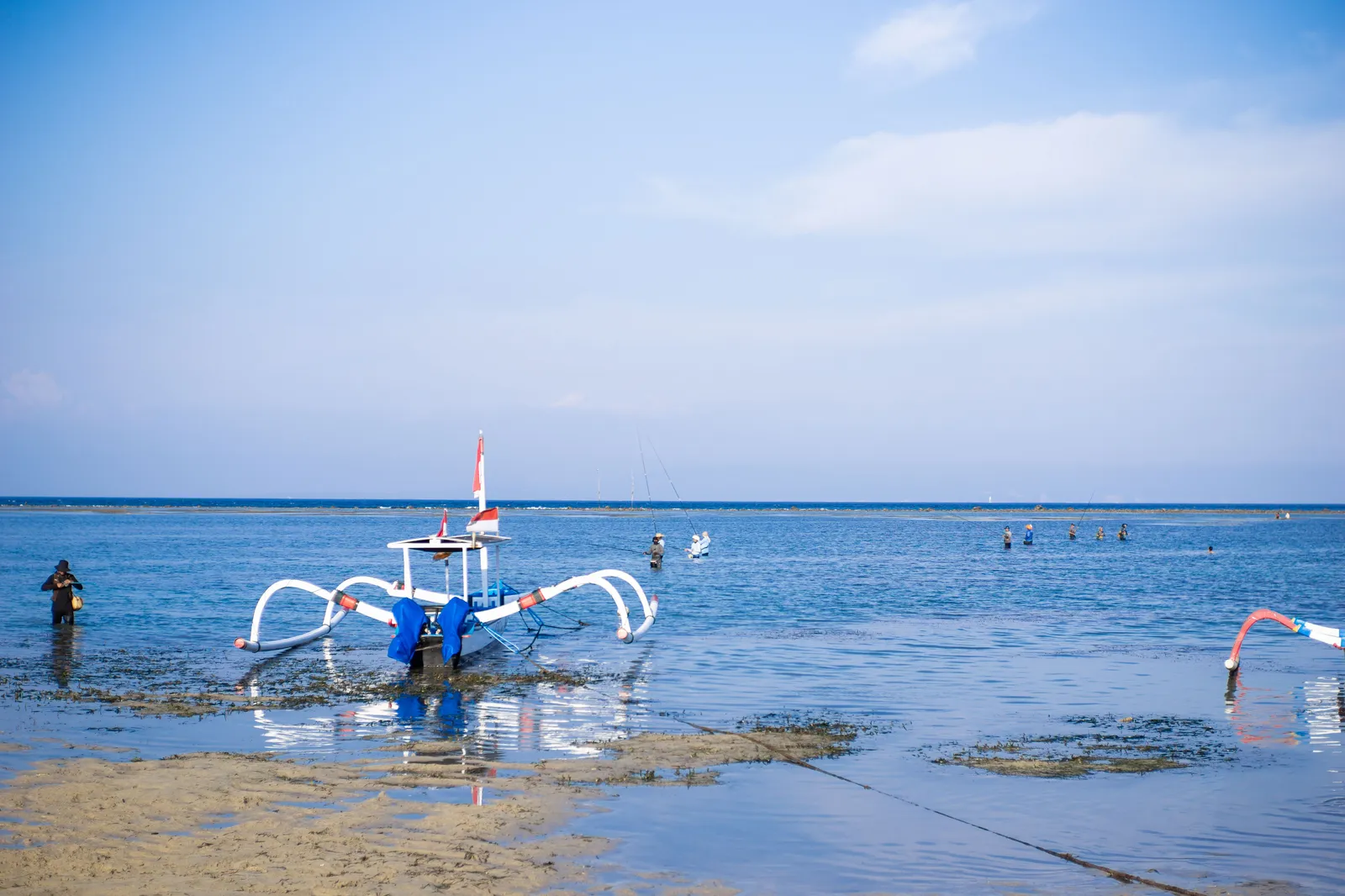
Sanur is the usual family answer: reef-protected, shallow and calm, with a long flat beachfront promenade that works with prams and scooters, a decent range of accommodation rather than only resorts, and the harbour for island trips on the doorstep. Our Sanur guide goes into the area in detail.
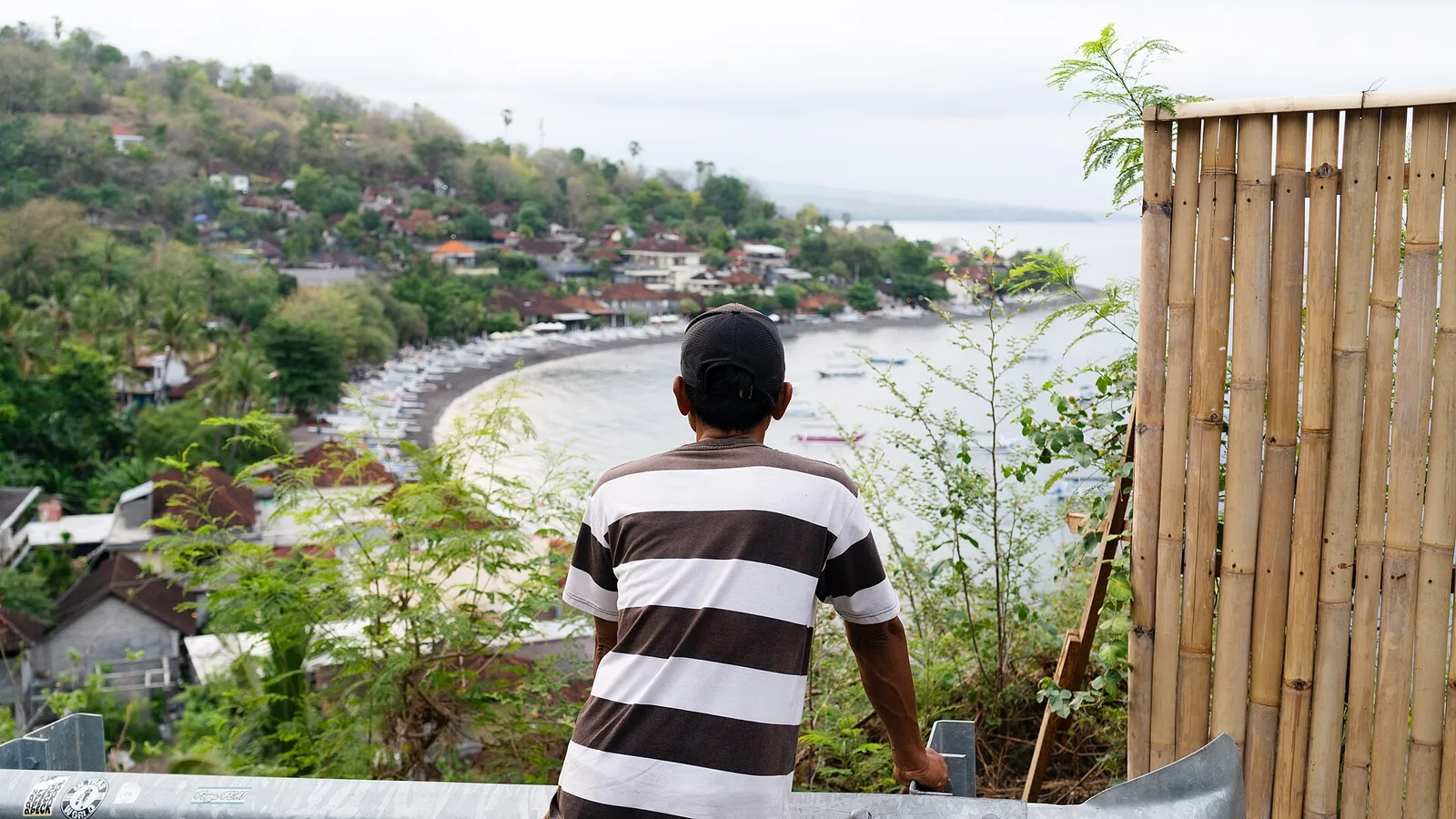
Nusa Dua is the other option, more enclosed and resort-led, with excellent calm swimming and less of a town around it. Jimbaran sits in between, with a wide sheltered bay and a shorter run to the airport.
Whichever you pick, resist the urge to split the week between three places. Every move costs a half day of packing, driving and resettling, and with children it costs more than that.
A seven-night shape that survives real life
Nights 1 and 2: arrive and do nothing much. Long-haul families are wrecked on arrival. Swim, eat early, sleep. Do not book anything for the first full day.
Day 3: the beach day with structure. A morning in calm water, an afternoon indoors or by the pool during the hottest hours, and something low-effort in the evening.
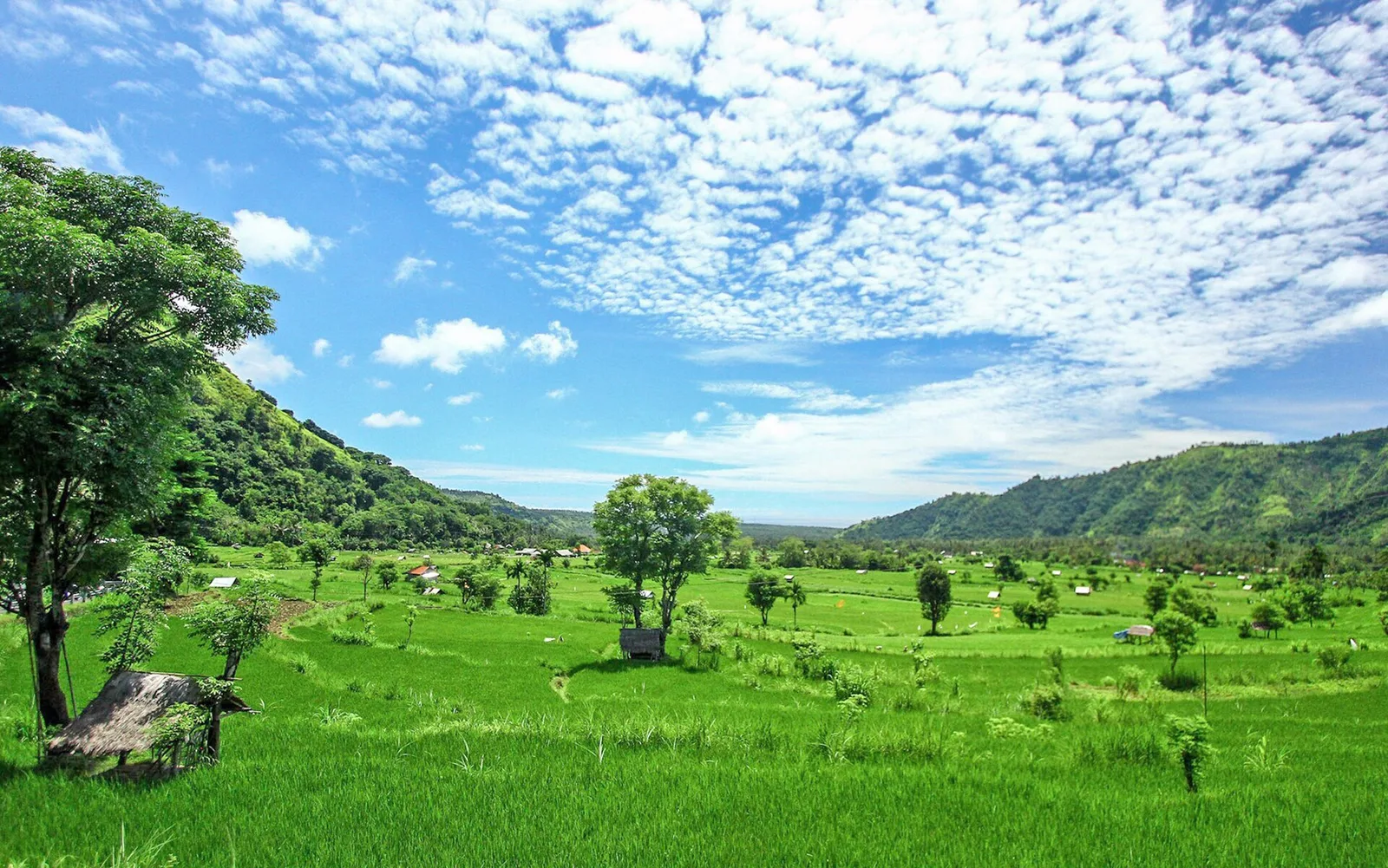
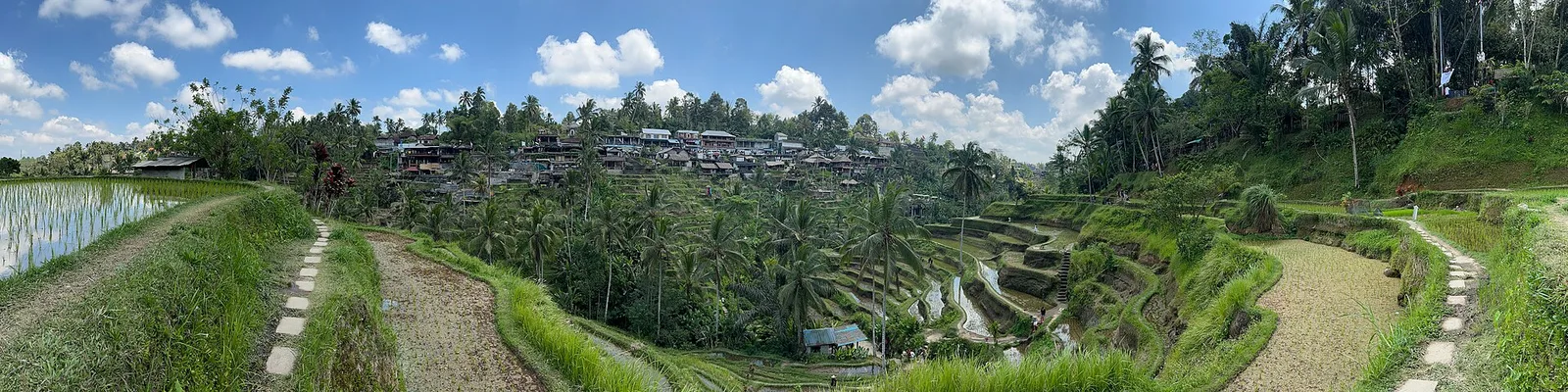
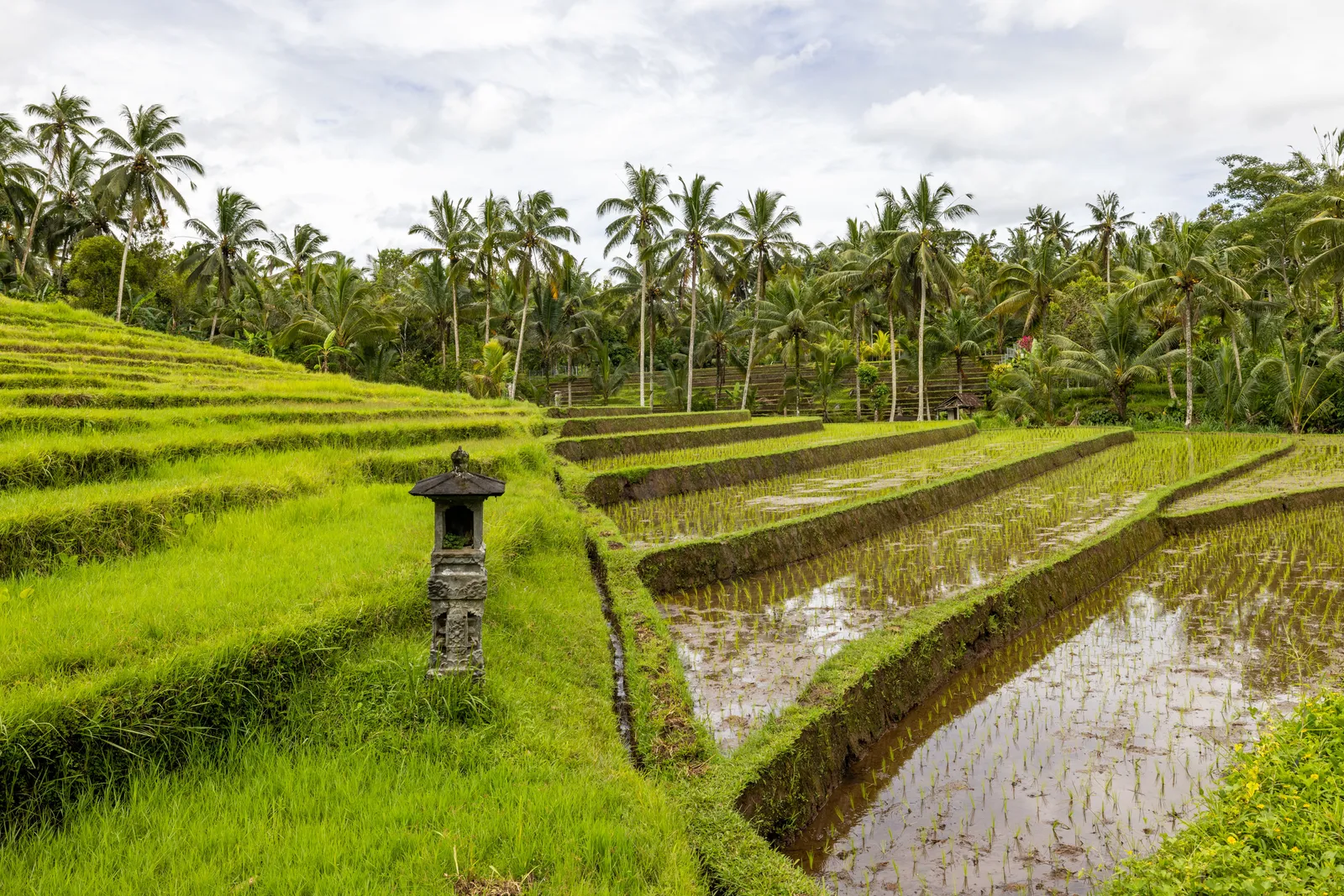
Day 4: one excursion. A single half-day trip inland is the right dose. A gentle rice-terrace walk, an animal park, a water park in the south, or a family-friendly cooking class all work.
Day 5: recovery. Deliberately empty. This is the day that saves the trip.
Day 6: the second excursion, chosen based on how day 4 actually went rather than how you imagined it would.
Day 7: local, close, and packed. Keep the final full day within walking distance of your accommodation.
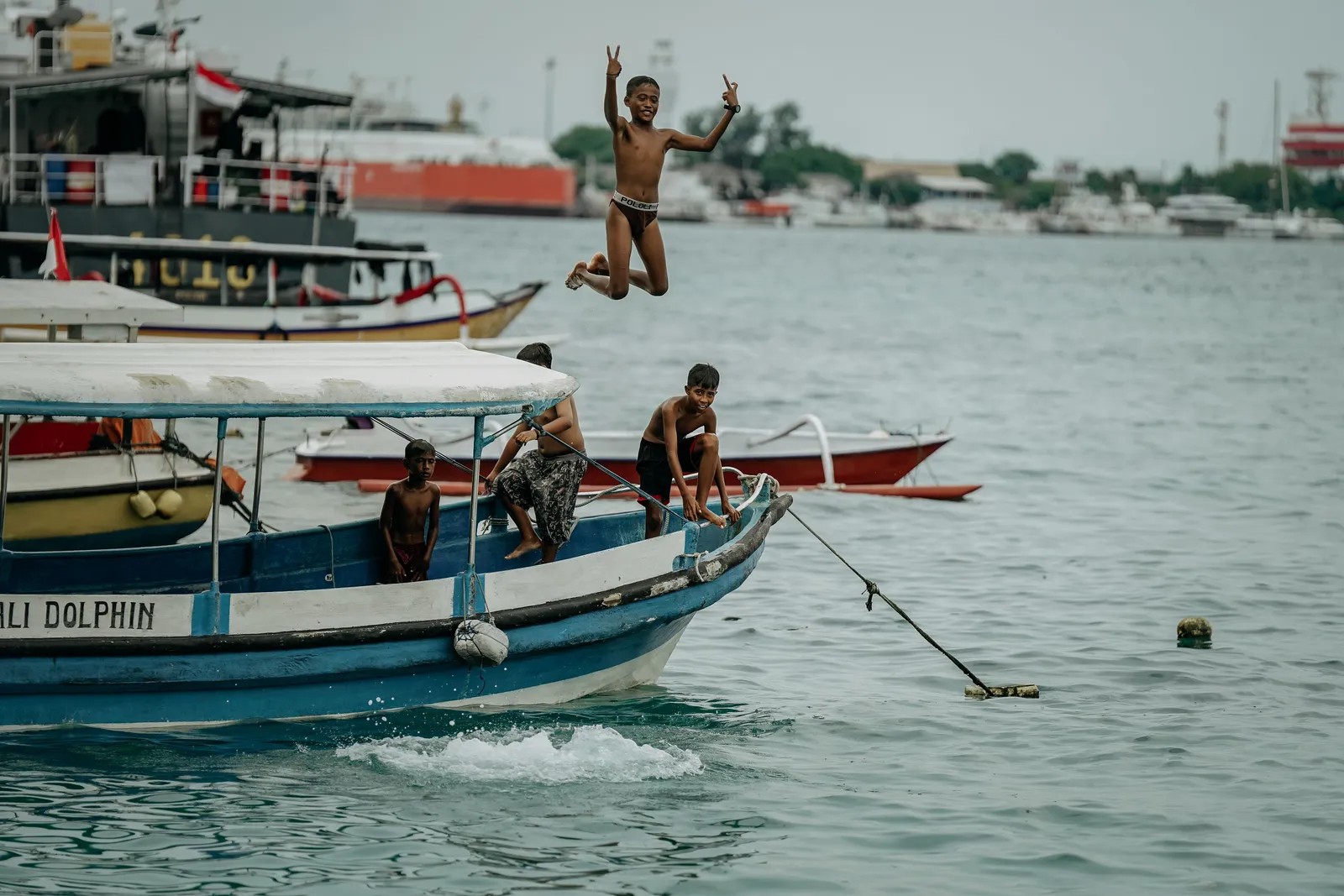
The drives, and why they dictate everything
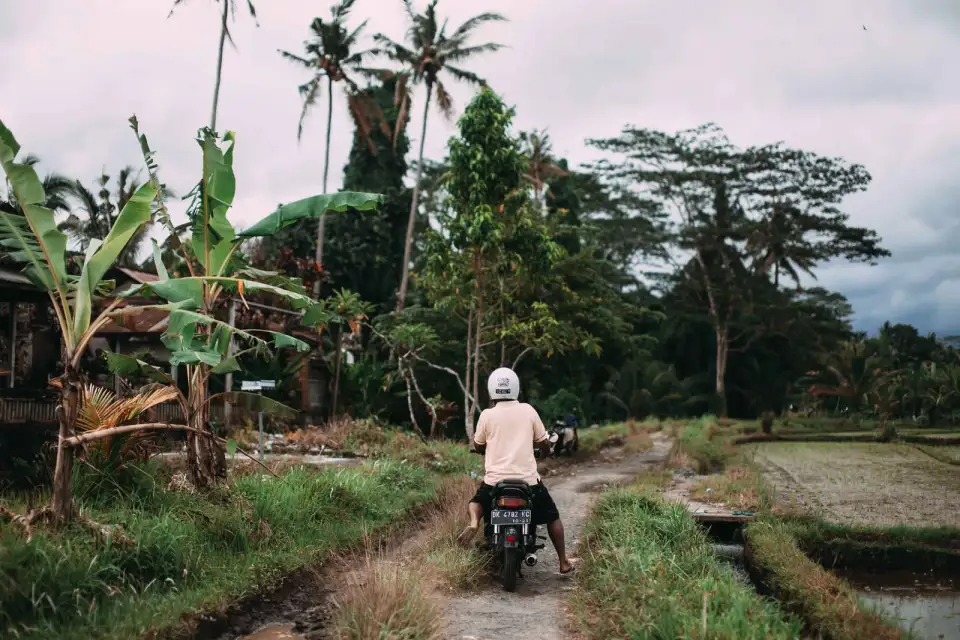
Bali’s roads are slow and the southern corridor is congested. Airport to Sanur or Nusa Dua is commonly under an hour outside peak times and considerably more within them. Anything inland to Ubud is routinely ninety minutes to two and a half hours.
The long-discussed Gilimanuk to Mengwi toll road has had its scope cut to roughly 42 kilometres and has no confirmed opening date, so plan on today’s roads. In practice: nothing more than about an hour each way with under-fives, and no day that has both an early start and a late finish.
Book the airport run before you flyA pre-booked family transfer avoids negotiating with a toddler on the kerb at midnightHealth precautions that actually matter
Rabies is present in Bali. This is the point on which to be strictest, because children are the highest-risk group: they approach animals, and they under-report scratches. The rule is no contact with dogs, cats or monkeys anywhere, including monkey forests and temple grounds where interaction is encouraged and where monkeys will grab at bags, sunglasses and food. If a bite or scratch happens, wash it with soap and running water for several minutes and get medical care the same day, even if the child was vaccinated before travel. Both the US CDC and the Australian government’s Smartraveller service cover this in their Indonesia advice.
Dengue is present and the mosquito bites in daylight. Repellent and covered arms and legs during the day matter more here than the evening routine most families default to. A dengue vaccine exists and has been approved in some countries, including in Australia during 2026, but availability, approved age ranges and suitability depend on individual history. Ask a travel doctor several weeks before you fly. This is not a decision to make from a travel article.
Sun and heat cause more ruined family days than anything else. Plan the middle of the day indoors or in shade as a default, not an exception.
Water and food. Stick to bottled or filtered water including for teeth, and be more conservative with street food than you would be travelling as adults.
Bring a small kit: rehydration sachets, children’s paracetamol in a dose you recognise, plasters and antiseptic. Pharmacy brands and strengths differ from home.
Car seats, transfers and getting around
Child restraint requirements in Indonesia are not equivalent to Australian, UK or EU rules, and a car seat is not a safe assumption. Ask explicitly when booking a transfer, specify the child’s age and weight, and get the answer in writing. Many families travelling with toddlers bring a lightweight seat or travel harness because the alternative is arriving and discovering the answer is no.
Scooters are the normal way locals move around, including with children on board. That is not a reason to copy it: helmet standards, road conditions and travel insurance exclusions all point the other way.
Money, the levy, and paperwork
Every foreign visitor pays the Bali tourist levy of 150,000 rupiah per entry. The published rules do not set out a blanket exemption for children, so budget for each family member. Pay only at lovebali.baliprov.go.id. Sites on .com and .org addresses that look nearly identical charge far more for the same voucher, and this is the most common way visiting families are overcharged before they even land.
Visa rules depend on your passport. Visa on arrival is currently issued for thirty days and extendable once inside Indonesia for a further thirty, but eligibility varies by nationality and the list changes. Check each family member on the official portal at evisa.imigrasi.go.id, including children with their own passports.
Carry cash in rupiah for smaller places, and check that your travel insurance covers your children and any medical evacuation, since that is the cost that actually matters.
For everything else about arriving, money and the general ground rules, our first-time guide to Bali covers the basics that apply to any trip here.