Seven nights is the most common length for a Bali trip and the one most often planned badly. The trap is not ambition, it is the map: Bali looks small, so people build itineraries that hop between the north coast, the east, the volcano and the southern beaches, and then spend most of the week in a car. Bali received close to seven million foreign visitors in 2025 according to the provincial statistics office, and the roads have not grown to match. Distances here are a poor guide to time.
The fix is unglamorous and it works: two bases, one inland and one coastal, with day trips kept short. If you have fewer days, our five-day itinerary compresses this further, and if you can stretch it, the ten-day version is where a third region genuinely starts to make sense.
The travel time problem, stated honestly
There is no motorway network serving most of the island. The one toll road in the south is short, and the long-discussed Gilimanuk to Mengwi toll road has had its scope cut to roughly 42 kilometres, with no confirmed opening date and tendering still ahead of it. Do not plan a trip around it. Assume today’s roads.
In practice that means airport to Ubud is commonly one and a half to two and a half hours, airport to Uluwatu around an hour to an hour and a half, and Ubud to the southern beaches anywhere from ninety minutes to well over two hours depending on when you set off. Late afternoon is consistently the worst. Anything crossing the southern resort belt at the wrong moment can double.
Treat every quoted drive time as the best case. Build your days so that one bad traffic hour does not destroy them.
Days 1 to 3: Ubud and inland Bali
Land, transfer inland, and do nothing ambitious on day one. If you arrive in the afternoon, seriously consider a first night nearer the airport and moving inland with fresh legs.
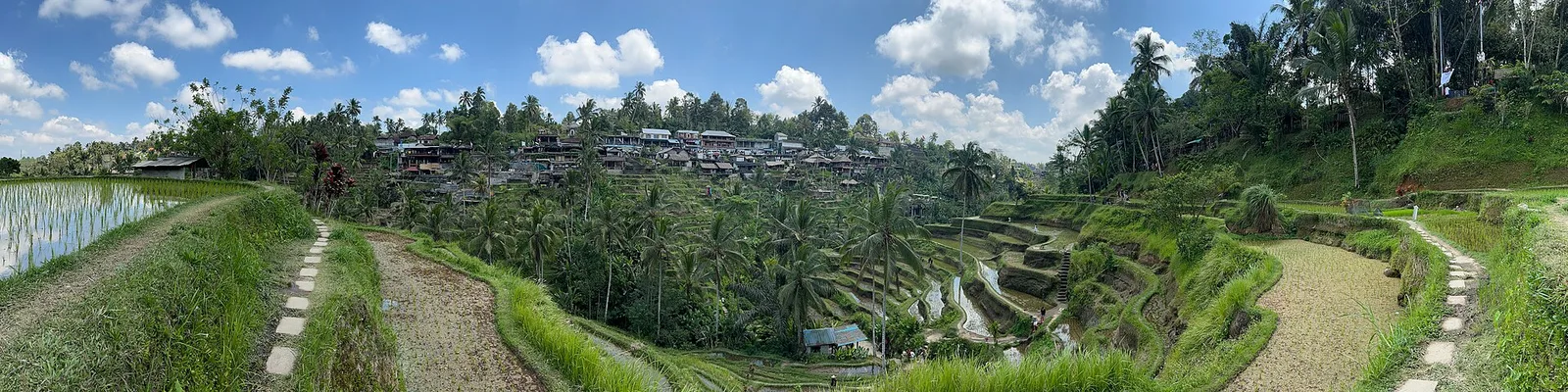
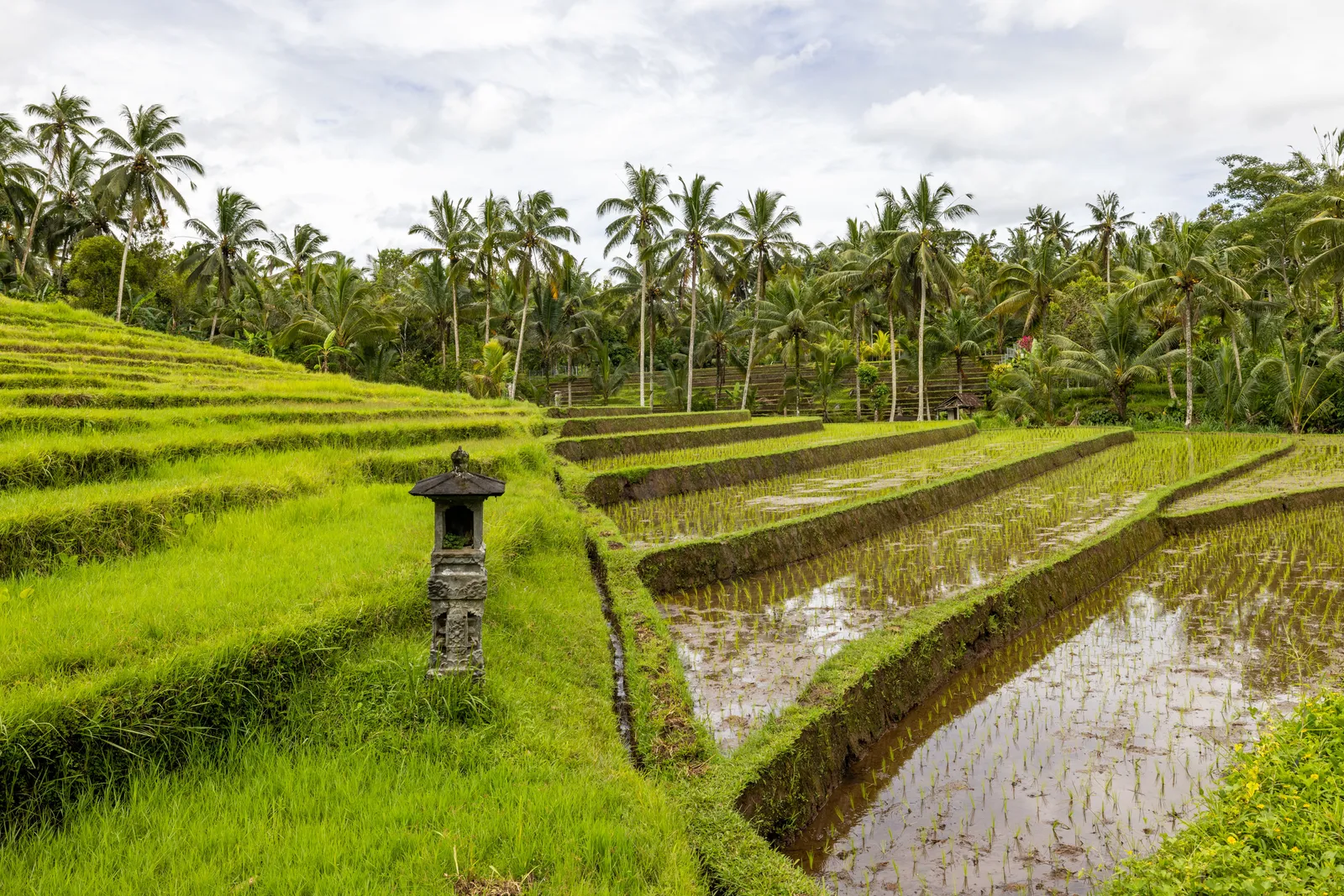
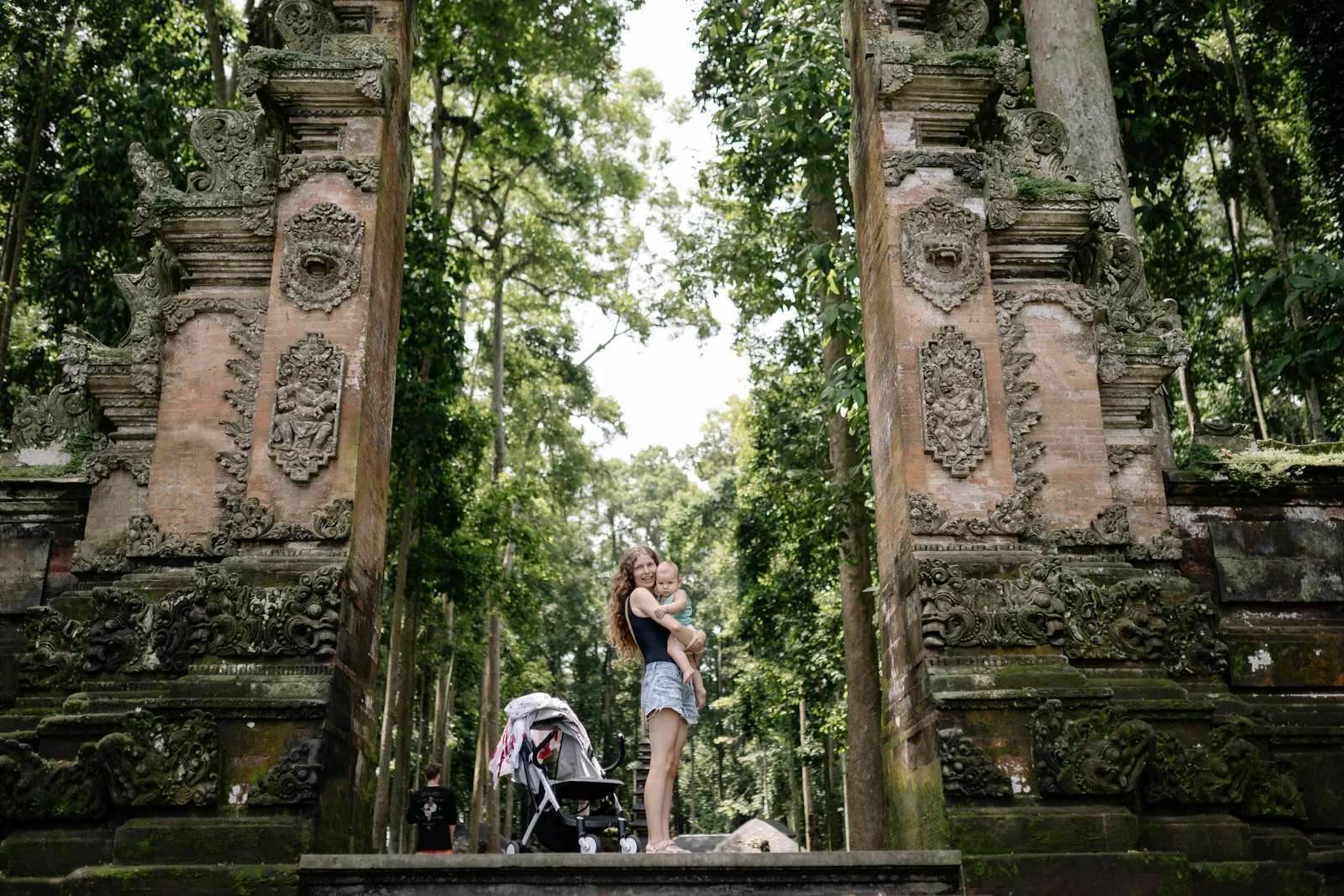
Day 2 is the classic inland day: rice terraces in the morning before the tour buses, a temple or two, and an afternoon that stays close to base. Ubud town itself rewards being walked rather than driven, and the surrounding villages are twenty minutes away rather than two hours.
Day 3 is your one big excursion from Ubud. The realistic candidates are a sunrise volcano trek, a waterfall circuit to the north, or the lakes and highlands around Bedugul. Pick exactly one. All three in three days is how people end up needing a holiday after the holiday.
Entrance fees at named sites are modest but change frequently and are usually charged per person in rupiah at the gate. Carry cash and treat any figure you read online as indicative.
Day 4: the transfer day, used properly
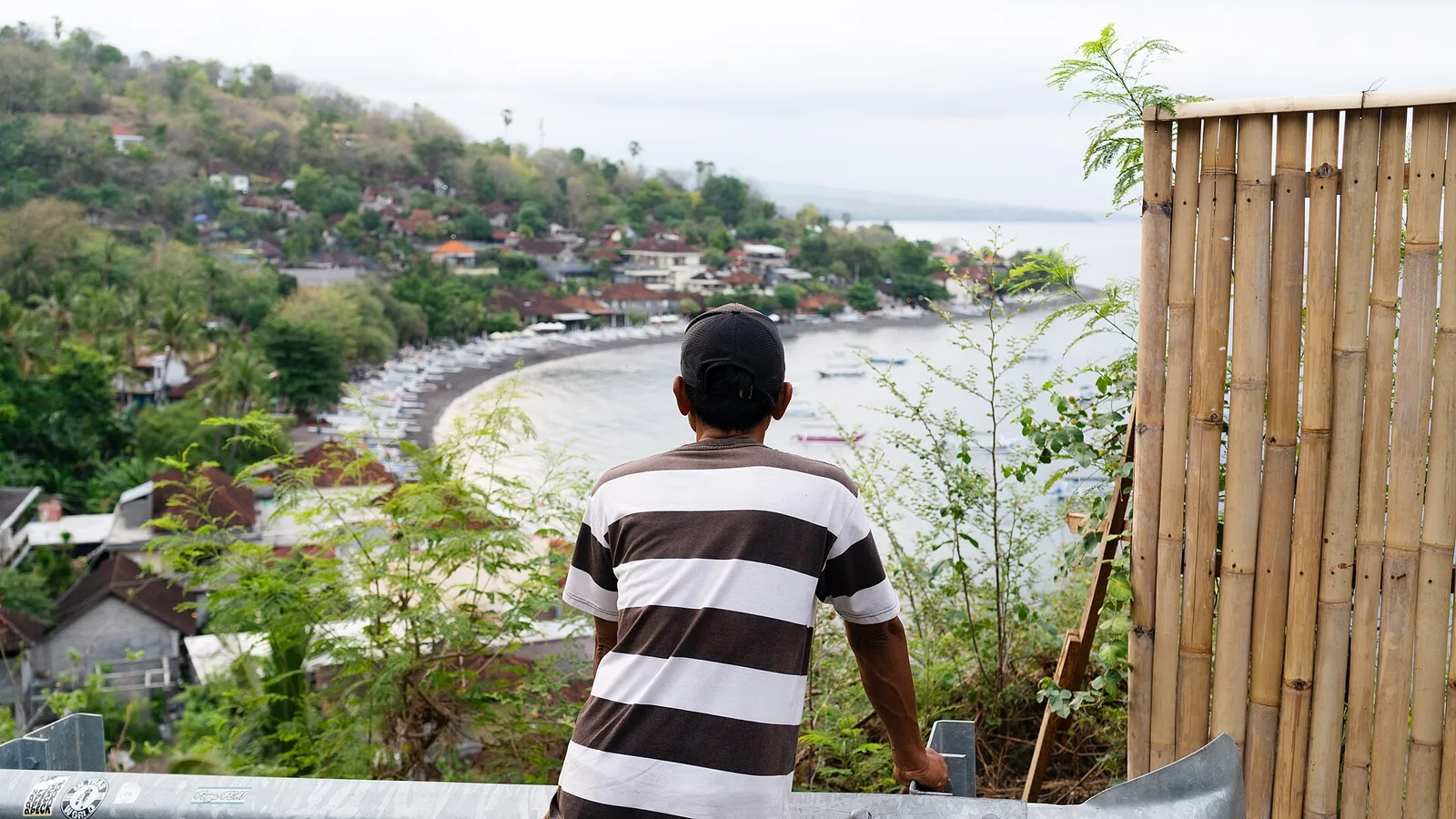
Moving from inland Bali to the coast costs you a chunk of the day, so make the drive do some work. Depending on your route south, you can break the journey at a temple, a coffee plantation or a coastal viewpoint rather than treating it as dead time.
Aim to be checked in by mid-afternoon. A transfer day is not a sightseeing day with a suitcase attached, and pretending otherwise is how people arrive somewhere new, tired, at nightfall.
A driver for the day beats three separate transfersHiring a car with a driver lets you stop en route instead of racing between bookingsDays 5 to 7: the south, chosen deliberately
The southern coast is not one place, and the choice you make here shapes the rest of the week.
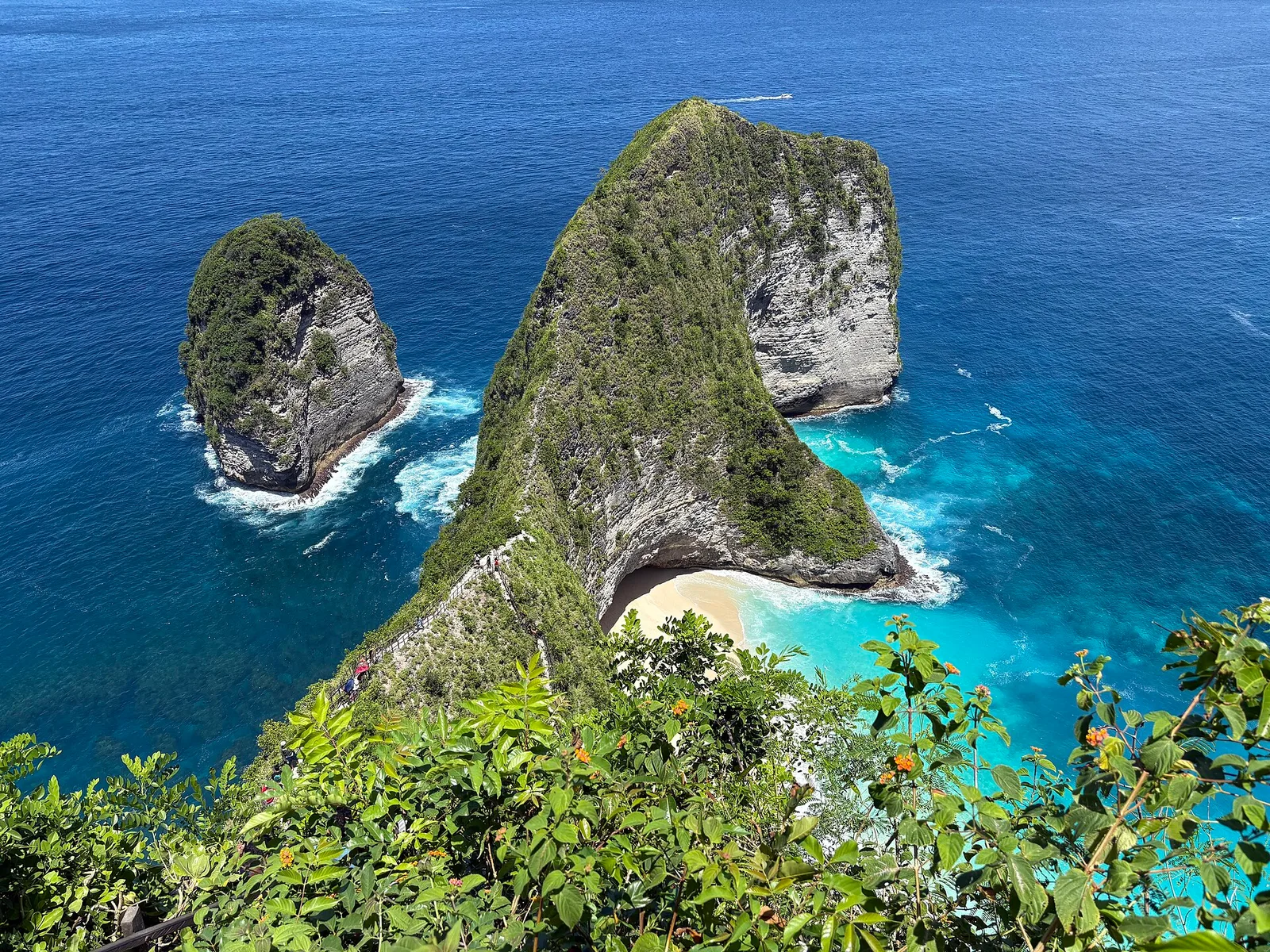
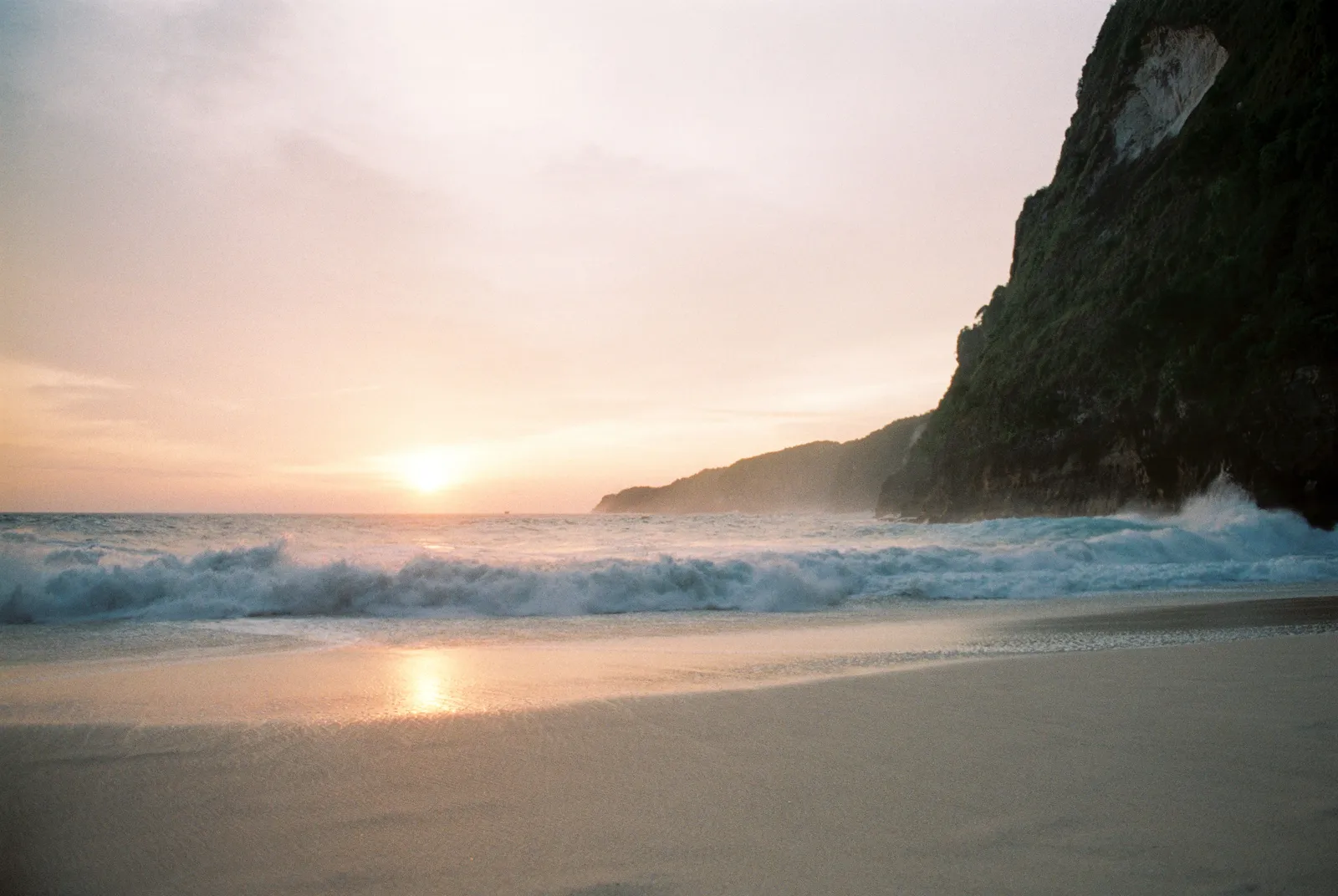
The Bukit peninsula around Uluwatu has the cliffs, the best surf and the most dramatic sunsets, with beaches at the bottom of long staircases. It is the least convenient and the most photogenic.
Seminyak and Canggu are the social west coast: beach clubs, restaurants, dark sand and strong currents. Good for eating and evenings, less good for swimming.
Sanur and Nusa Dua are the calm-water side, protected by reef, with gentle swimming and a far quieter pace.
Use day 5 to settle and swim. Day 6 is the day to add something: a surf lesson, a snorkelling trip, a sunset temple. Day 7 stays flexible, because by then you will know what your trip has been short of, and because international flights out of Denpasar cluster at inconvenient hours.
Where Nusa Penida fits, and where it does not
The fast boat from Sanur is short, generally well under an hour, and tickets typically run in the low hundreds of thousands of rupiah each way depending on operator and season. The crossing is the easy part. The island itself has rough roads, the famous viewpoints are spread out, and the standard day trip is a long one with an early start.
Crossings are cancelled in rough seas, most commonly in the wetter months roughly between November and March, and a cancellation on a fixed one-week itinerary is genuinely disruptive. If Penida is a priority, give it a night rather than a day, and do it from a base in Sanur so the harbour is on your doorstep.
Practical things that make the week work
Pay the tourist levy before you land. Every foreign visitor pays 150,000 rupiah per entry, and the only official channel is lovebali.baliprov.go.id. Sites on .com and .org addresses that look similar charge considerably more.
Check your own visa position rather than a general rule. Visa on arrival is currently issued for thirty days and extendable once for a further thirty, but eligibility depends on your nationality and the list changes. Confirm on evisa.imigrasi.go.id.
Book transfers rather than improvising them, particularly the airport run and the mid-week move.
Carry cash in rupiah. Cards are widely accepted in the south and much less so at temple gates, warungs and parking.
Do not schedule anything important for your final morning. Traffic to the airport is the one drive you cannot afford to get wrong.
If this is your first trip and you want the wider ground rules on money, safety and getting around before you commit to a plan, our first-time guide to Bali is the place to start.