Choose Ubud for culture, rice terraces and calm, and choose Canggu for surf, beach clubs and nightlife. If you have five nights or more, most people should do both, because the two bases are only about an hour apart by road yet feel like different islands.
Ubud or Canggu is the question behind half the Bali itineraries ever planned, and it is really a question about what you want your mornings to look like. Wake to birdsong and mist over rice paddies, or to surf check and a flat white before the waves? Here is the honest comparison.
In short: Choose Ubud for culture, nature and calm (rice terraces, temples, yoga, waterfalls, and a town that is quiet by 10pm) and Canggu for the coast and the crowd (surf, beach clubs, brunch, nightlife and Bali’s biggest digital nomad scene). Canggu is not near Ubud in practice: the two are roughly 30 to 40 kilometres apart, a 1 to 1.5 hour drive in typical traffic, which makes one transfer easy and daily commuting a chore. Costs are broadly similar and both cover every budget. With five nights or more, most people should do both: two or three nights in Canggu, then two or three in Ubud, or the reverse.
The vibe: jungle calm versus beach buzz
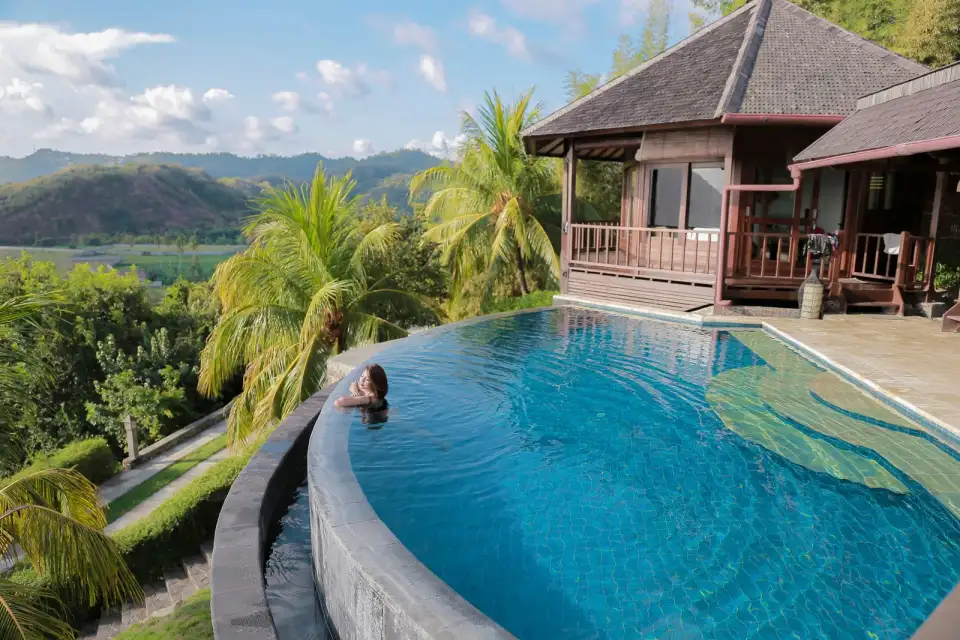
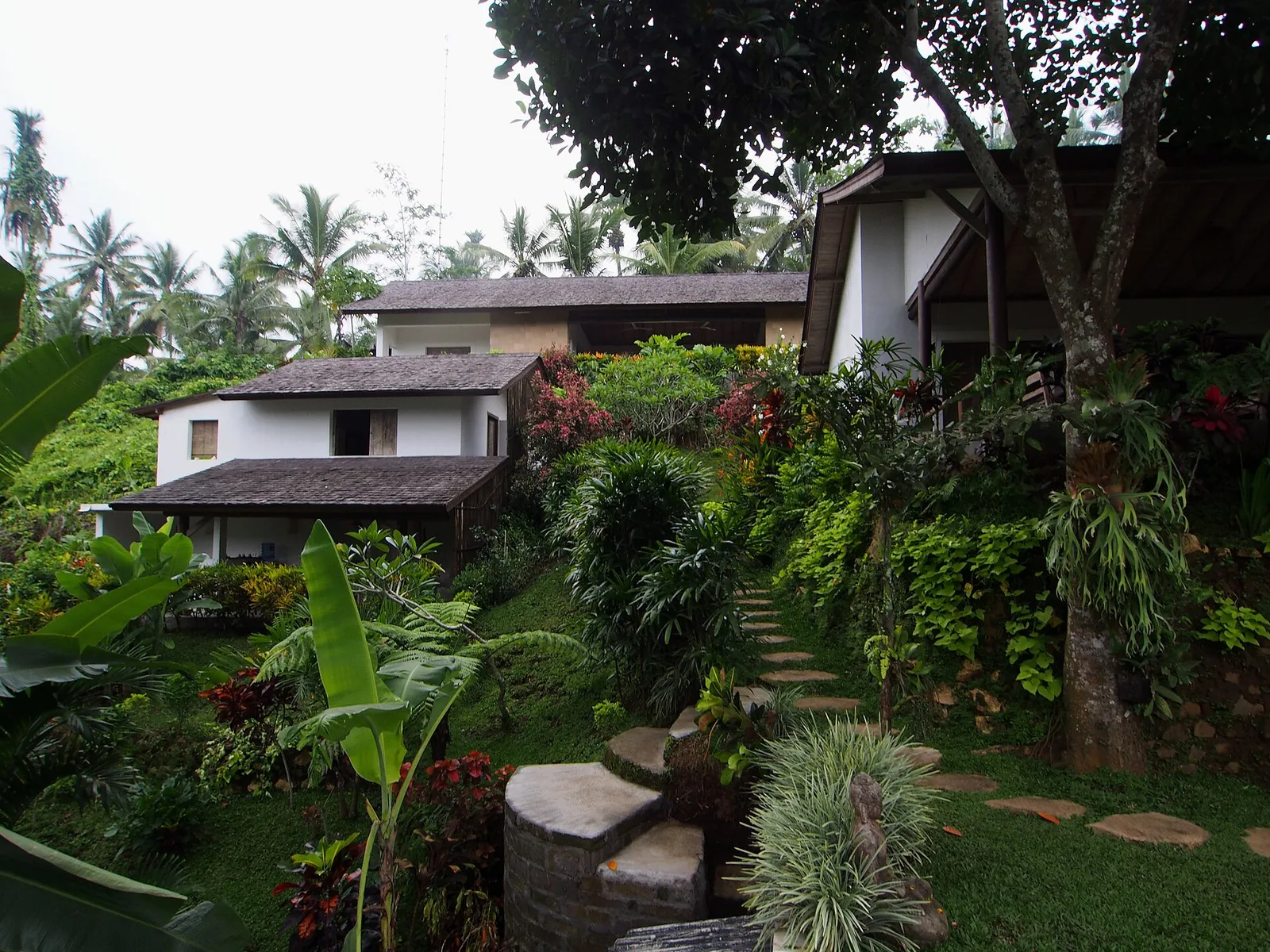
Ubud is Bali’s green heart: a town ringed by rice terraces and river gorges, filled with temples, art markets, yoga studios and jungle-view cafes. It moves slowly, and it is done by 10pm. Canggu is the opposite energy: a sprawling beach village turned international hotspot, all surf racks, brunch menus, coworking spaces and sunset beach bars. Ubud feels like Bali’s culture; Canggu feels like Bali’s scene. Neither is wrong, but they attract different trips.
What a morning looks like in Ubud
Ubud starts early. Roosters and daily temple offerings set the tempo, and the rice terraces and Campuhan Ridge Walk are at their best before the tour groups arrive. Parts of the centre are walkable, though pavements are patchy and the heat builds fast.
What a morning looks like in Canggu
Canggu starts with a surf session or a gym class, then drifts into a long brunch and a laptop in a cafe. It is spread along lanes and beach roads rather than centred on one street, so short distances on the map can take a while in traffic.
Beach and surf
Why Canggu wins by forfeit
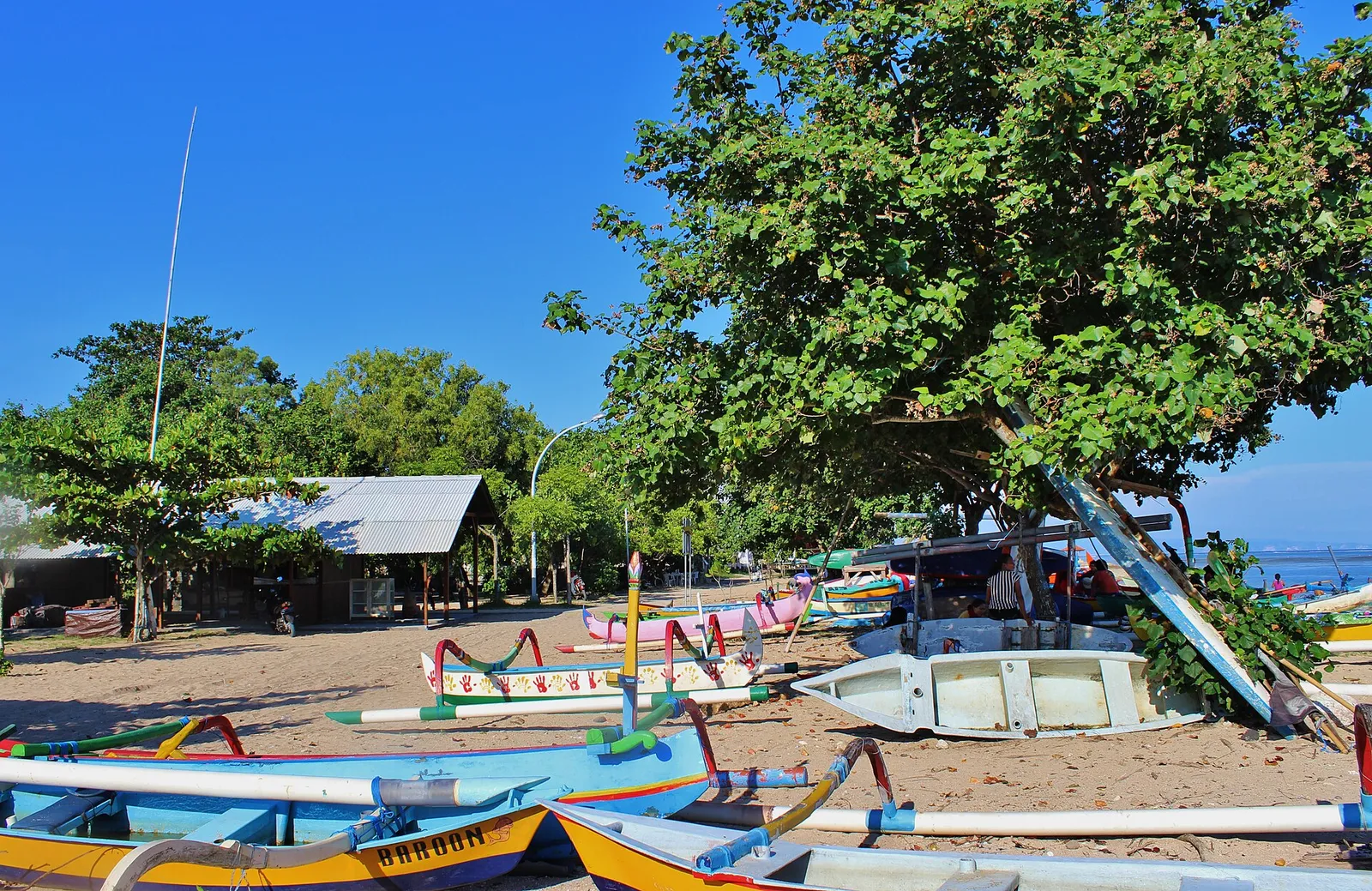
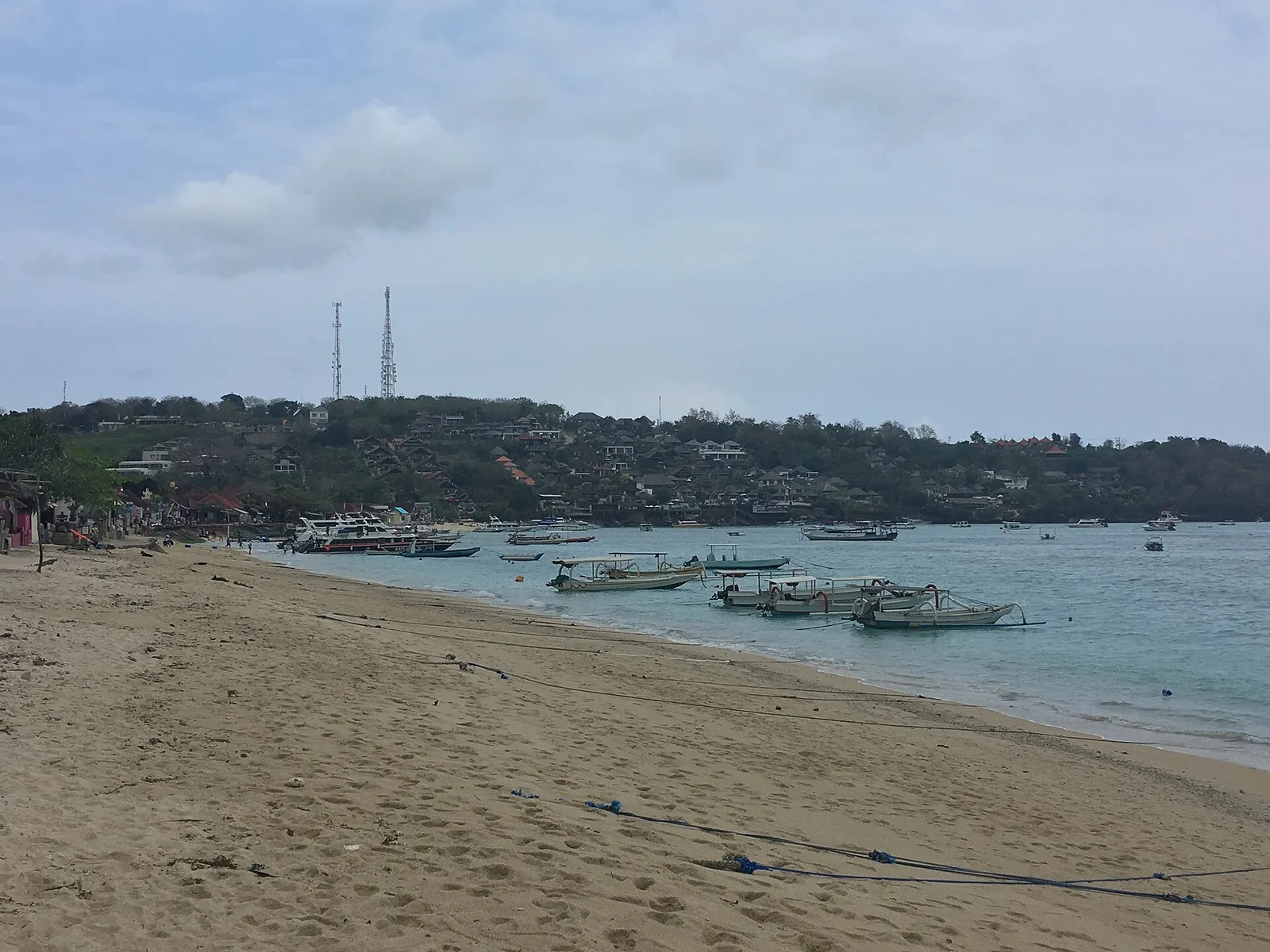
Ubud has no coast at all, sitting inland about an hour from the nearest sand. Canggu’s black-sand beaches, Batu Bolong, Berawa, Echo Beach, are the island’s most famous surf playground, with mellow beginner waves, board rentals and surf schools on every corner, plus a sunset scene that fills the sand every evening.
Can you swim in Canggu?
The water is for surfing more than swimming, with strong currents; for postcard swimming coves you head to the Bukit, as our best beaches in Bali guide explains. Beginners should ask a surf school which beach suits their level on the day, because conditions change with tide and swell.

Culture, nature and wellness
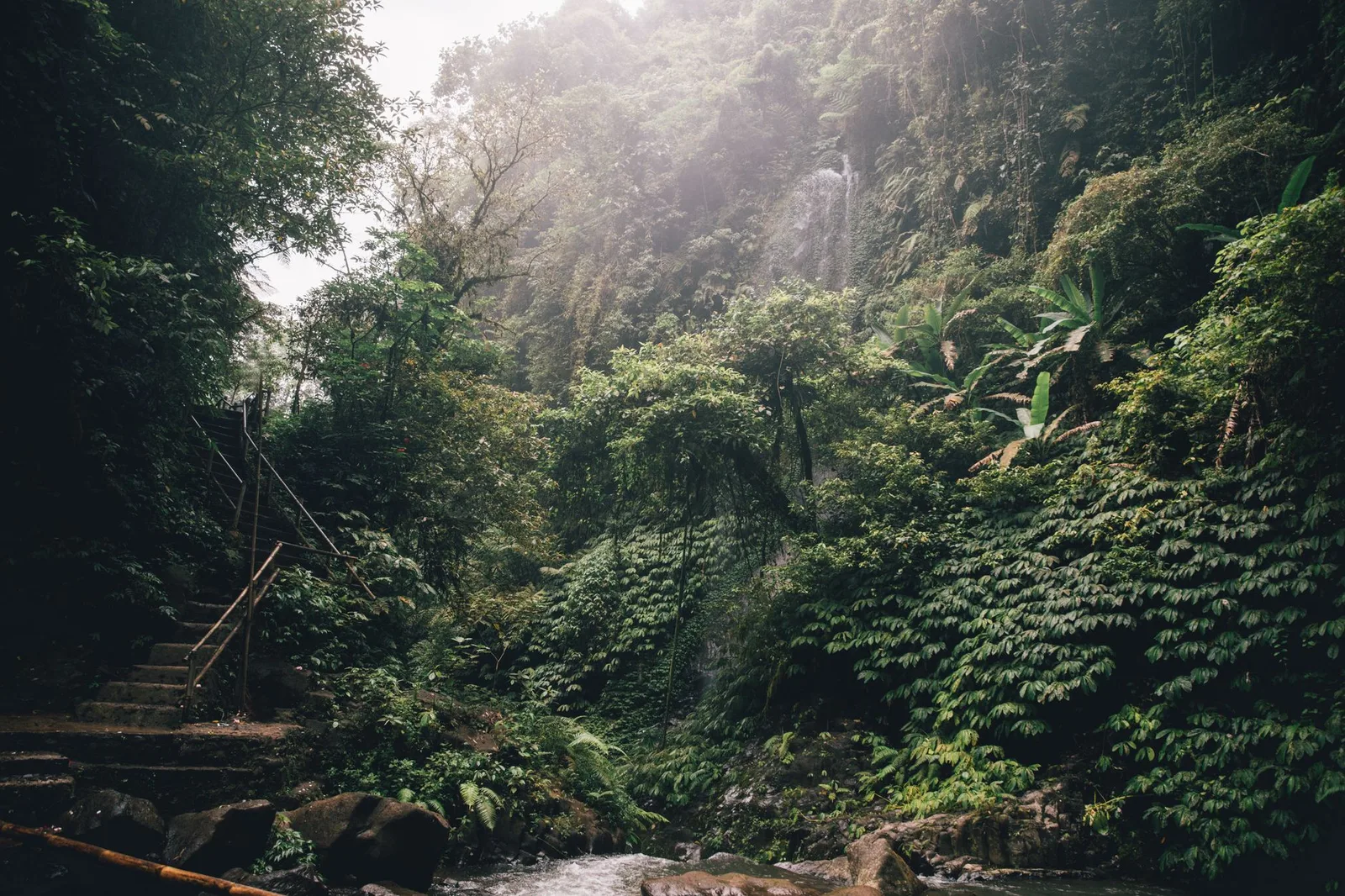
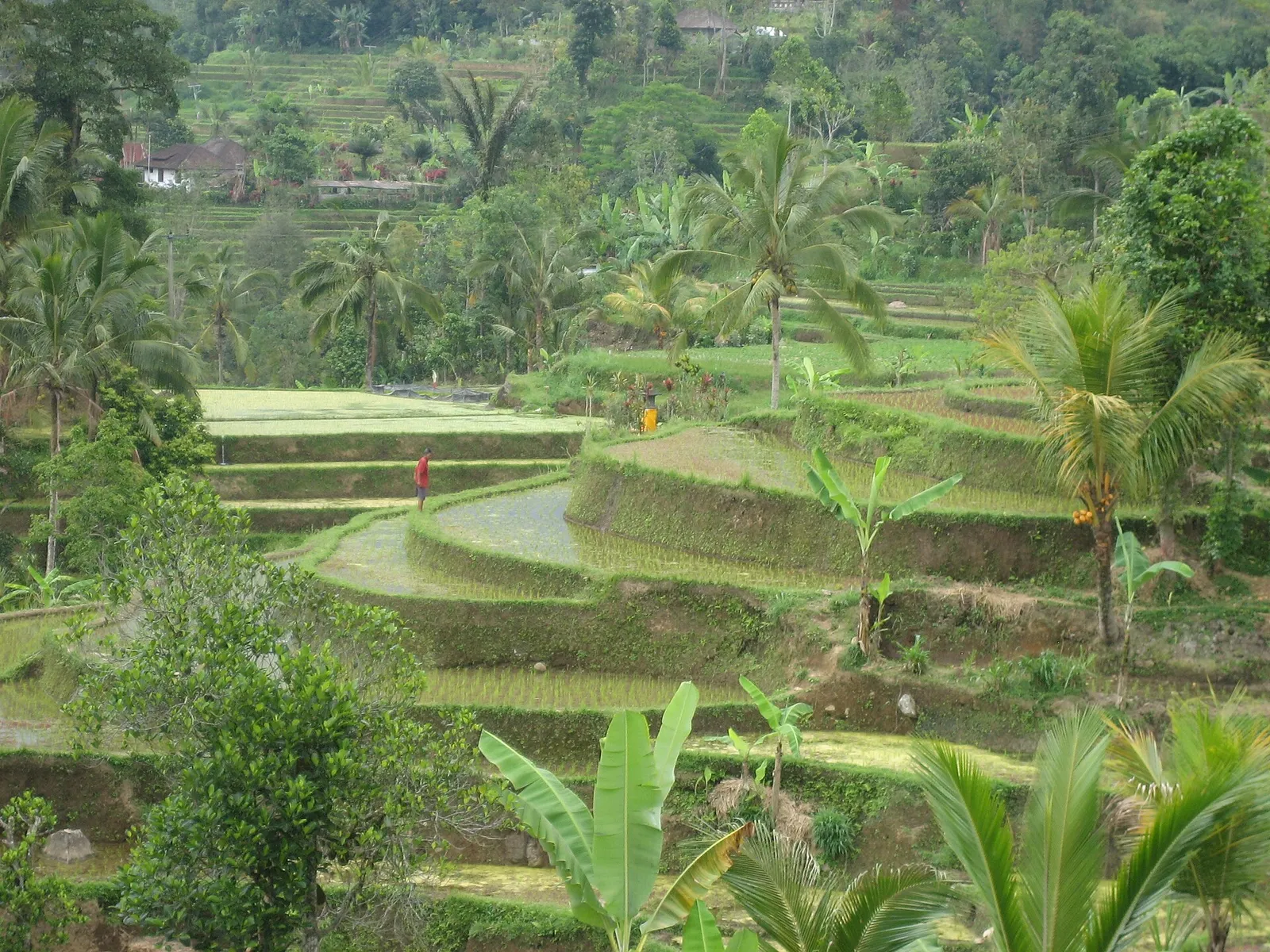
Here Ubud runs away with it. The Tegallalang rice terraces, the Campuhan Ridge Walk, the Monkey Forest, the water temples and the nightly traditional dance performances are all on your doorstep, and the surrounding valleys hide waterfalls, jungle swings and river rafting. Ubud is also the island’s wellness capital: yoga shalas, meditation retreats, sound healing and some of the best-value spas anywhere. Canggu has gyms, studios and ice baths, wellness with a fitness accent, but for the classic Bali of temples and terraces, base in Ubud and read our Bali temples guide first.
What if you stay in Canggu?
You can still visit Ubud for the day, but the drive eats a big slice of it. A single outing works well; a week of them does not.

Food and nightlife
Both eat brilliantly, in different registers. Canggu has arguably Southeast Asia’s densest brunch-and-specialty-coffee scene, plus smoothie bowls, international restaurants and beach clubs that turn into parties after dark. Ubud counters with jungle-view fine dining, legendary warungs, health-food pioneers and organic everything. Nightlife is the real divider: Canggu goes late most nights; Ubud winds down early, trading DJs for gamelan. Party people should not base in Ubud, and early risers may sleep better there.
Is one cheaper?
Broadly no. Ubud has the edge on cheap guesthouses and warung meals just outside the centre, while Canggu’s beach clubs and brunch spots nudge daily spending up. In both, guesthouses start around 150,000 to 400,000 rupiah a night and stylish private-pool villas run roughly 800,000 to 1.8 million, so confirm current rates before booking.
Day trips and location
Ubud is the better launchpad for central and east Bali: waterfalls, Mount Batur sunrise treks, Sidemen valley and the Besakih temple region are all closer. Canggu is better placed for the south: Uluwatu’s clifftop temple, beach club hopping, Seminyak and the airport (45 to 75 minutes away, against 1.5 hours or more from Ubud). The two are 1 to 1.5 hours apart by car, so combining them is painless; commuting between them daily is not.
Ubud versus Canggu at a glance
| Category | Ubud | Canggu |
|---|---|---|
| Setting | Jungle, rice terraces, rivers | Beach village, surf coast |
| Beach | None, about 1 hour away | On the doorstep |
| Surf | No | Best beginner scene in Bali |
| Culture | Temples, dance, art, everywhere | Limited |
| Wellness | Yoga and retreat capital | Gyms and fitness studios |
| Nightlife | Quiet by 10pm | Beach clubs, bars, late nights |
| Digital nomads | Small, quiet scene | Bali’s nomad capital |
| Day trips | Waterfalls, Batur, east Bali | Uluwatu, Seminyak, the Bukit |
| Airport transfer | 1.5 hours or more | 45 to 75 minutes |
So which should you choose?
Choose Ubud if you are coming for culture, nature and calm: temples and rice terraces, yoga and retreats, waterfalls and green views, honeymoon mornings with birdsong, or a quiet base to actually finish that book.
Choose Canggu if you are coming for the coast and the crowd: learning to surf, beach club sunsets, brunch culture, nightlife that outlasts 10pm, or a working stint among Bali’s digital nomads.
Choose both if you have five nights or more, and most people should. The classic split, two or three nights in Canggu then two or three in Ubud (or the reverse), delivers the two best versions of Bali in one trip for the price of a single transfer. That is the real verdict: this is not a rivalry, it is a sequence. For the wider picture of every area, see our where to stay in Bali guide, and if this is your first visit, start with the first time in Bali guide.
Quick matches
- Surfers and first-time surf learners: Canggu.
- Yoga, retreats and early nights: Ubud.
- Remote workers: Canggu for community, Ubud for focus.
How to split your stay without wasting days
A simple way to plan it
- Count your nights. With four or fewer, pick one base and day trip rather than lose half a day to a transfer.
- With five to seven nights, give each base two or three nights.
- Choose the order by your flights. Canggu is closer to the airport, so ending there suits an early departure.
- Move in the morning, drop your bags, and spend the rest of the day in the new area rather than in the car.
Mistakes to avoid
- Expecting a quiet village in Canggu. It is busy, spread out and scooter-heavy.
- Expecting beach days from Ubud. The nearest sand is about an hour away.
- Booking Ubud for nightlife. Most places wind down by about 10pm.
- Splitting a short trip three ways. Every move costs you part of a day.
Before you book
Both of these bases run on two wheels, and that is the one thing to sort before you arrive rather than after: the scooter clause is where Bali policies differ most from ordinary travel cover. Our guide to travel insurance for Bali sets out what to check.
And if the island itself is still up for debate, this pairing is a fair summary of what Bali offers that its regional rival does not, namely two completely different holidays within an hour of each other. Our comparison of Bali and Thailand takes that decision on properly.
If you are staying for months rather than weeks, the comparison shifts to internet, coworking and cost. Our honest guide to working remotely from Bali covers it.
In summary, Ubud is Bali’s culture and calm, Canggu is its coast and scene, and the best first trips use both.