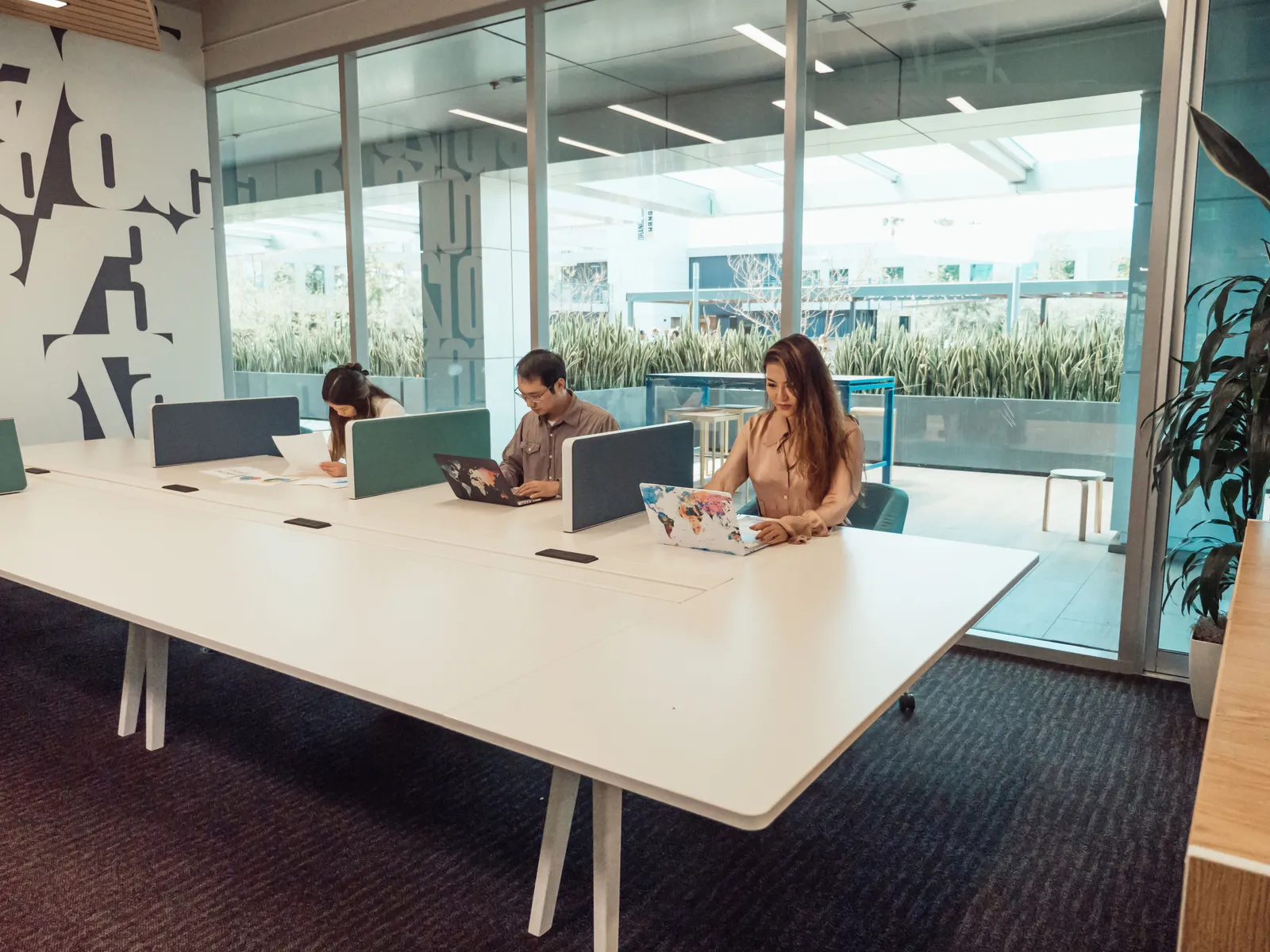
Bali has been a centre for remote work for over a decade, and the version circulating online is somewhat rosier than the reality. The infrastructure is genuinely good, the cost of living is genuinely low, and there are two significant complications that people discover after arriving. Here is the useful account.
The visa point, stated plainly
A tourist entry does not permit work, including remote work for a foreign employer. Whether you enter visa-free or on a visa on arrival depends on your nationality, and our entry guide covers which applies to which passport. Neither permits working.
Enforcement has historically been inconsistent, which is why a great many people do it regardless. That does not change what the rule says, and the consequences when it is enforced fall on the individual.
Indonesia has introduced longer-stay routes aimed at people working remotely for employers based outside the country, alongside investor and retirement categories. The names, requirements and durations of these have changed more than once and continue to evolve. That is precisely why this article will not list them: any specific detail printed here would be out of date at some point, and this is a matter where being out of date is expensive.
Check the current position with official Indonesian immigration sources or a licensed agent shortly before applying. For a stay of months rather than weeks, use a proper route.
Canggu or Ubud
The two hubs are quite different and the choice sets the tone of the whole stay.
Canggu is the larger scene by some distance: more coworking spaces, more people doing exactly what you are doing, a surf and beach culture, and a dense strip of cafes and bars. It suits anyone who wants an active social life running alongside the work. It is also busy, noisy and increasingly congested.
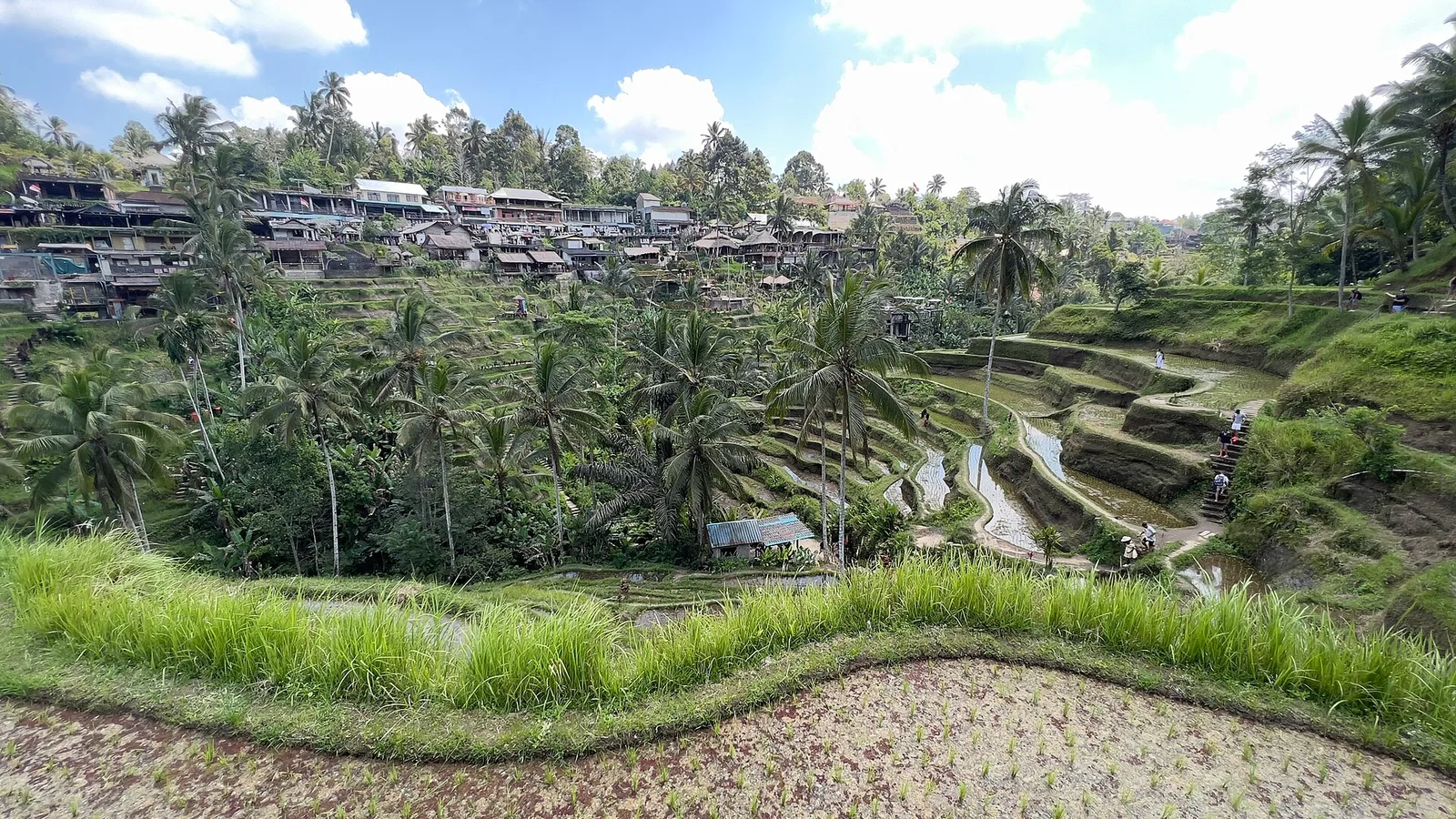
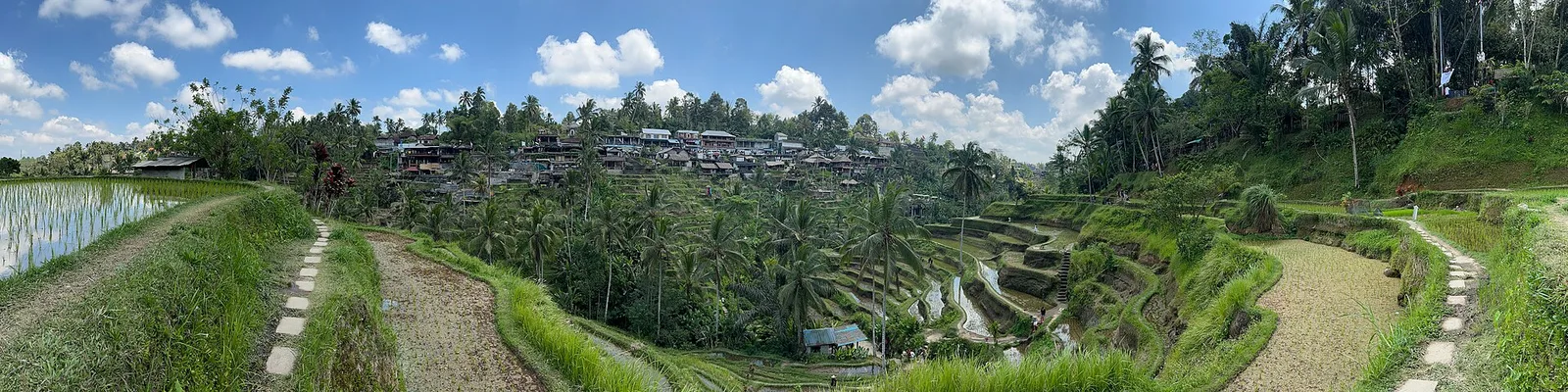
Ubud is quieter, cooler, greener and inland, oriented around yoga and wellness rather than surf, with a smaller but long-established coworking presence. It suits people who want to actually get work done and take the pace down.
Our comparison of Ubud and Canggu goes into the wider differences, and our Canggu guide covers the area in detail.

Internet and power
Honest assessment: good in the hubs, variable everywhere else, with meaningful differences between properties on the same street.
Coworking spaces generally have the best and most consistent connections, and they are worth using for anything that matters, particularly calls. Power cuts happen and are usually short, and the better spaces run backup power, which is one of the strongest practical arguments for paying for a desk rather than working from a villa with a router of unknown quality.
If a villa’s connection is critical to you, test it before committing to a long booking rather than trusting the listing.
Long stays need different coverStandard trip insurance is written for weeks, and a stay measured in months usually needs a policy designed for itWhat coworking costs and how to choose
Rates run from daily drop-in through weekly to monthly, and the monthly memberships are dramatically better value for anyone staying a while. The larger spaces bundle in events, classes and a community, which for many people is the actual product rather than the desk.
Prices vary between hubs and have risen as demand has grown. Almost every space sells a day pass, and using one before committing to a month is the obvious move: the connection, the noise level and the atmosphere differ enormously between spaces that look similar online.
Test the space at the hour you actually work, not at lunchtime. A room that is calm at midday can be full and loud at six, and if your calls land in the European evening that is the only session that tells you anything. Two other things to check on a trial day: whether there are enclosed booths or a quiet floor for calls, since open-plan air-conditioned rooms with a hundred keyboards are difficult to take a meeting in, and whether the membership includes weekend and evening access, which some tiers do not.
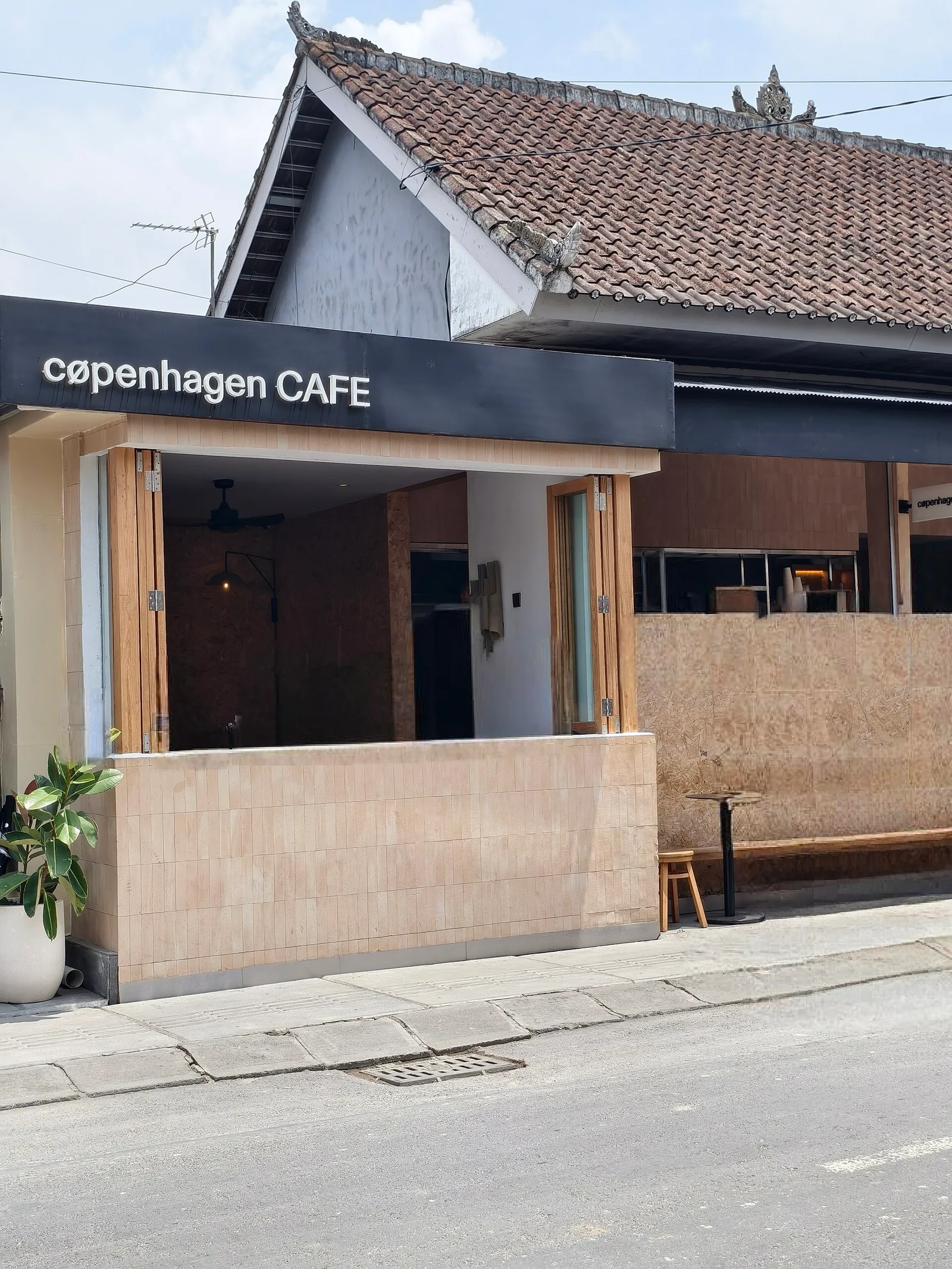
Cafes are the cheaper option and they work for shallow tasks, but the better ones in Canggu and Ubud increasingly limit laptop use at busy hours, and the wifi is not built for a video call.
The thing that ends most stays
Not the visa, and not the internet. Time zones.
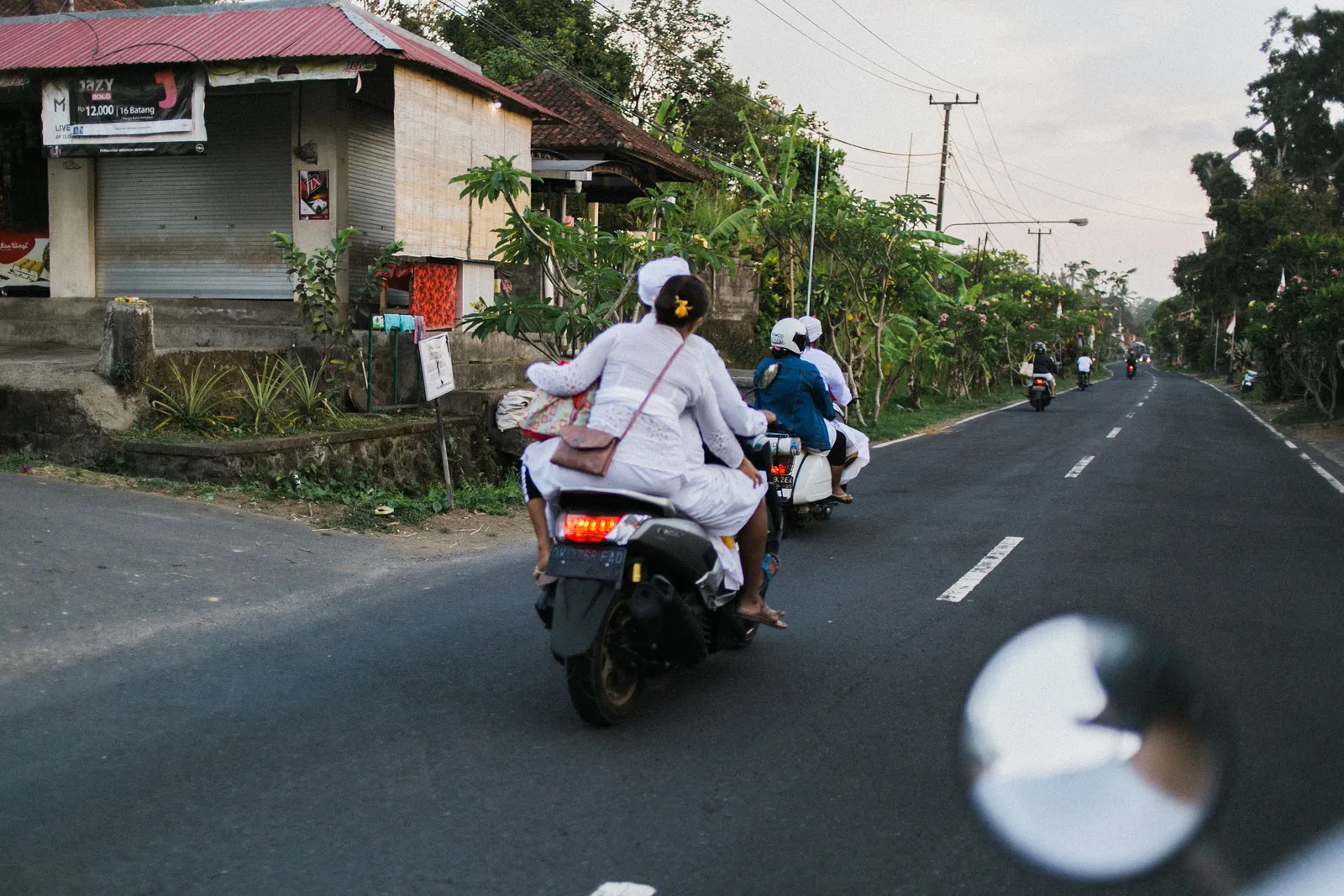
Bali sits a long way ahead of Europe and well ahead of the Americas. Anyone working with colleagues or clients in those regions is looking at permanently early mornings or late evenings, and there is no local solution to it. That is the factor that most often turns a planned year into three months.
Traffic in the southern hubs is a distant second, and it is a real one: the roads around Canggu have not kept pace with its growth, and short journeys take much longer than they should.
What actually works well
Setting the complications aside, the case for Bali is strong: living costs are low relative to most Western incomes, the food is excellent and cheap, the coworking infrastructure is mature rather than improvised, there is a large community of people in the same situation, and you can finish work and be in the sea in twenty minutes. That combination is why people keep coming, and why a good many of them stay far longer than they planned.