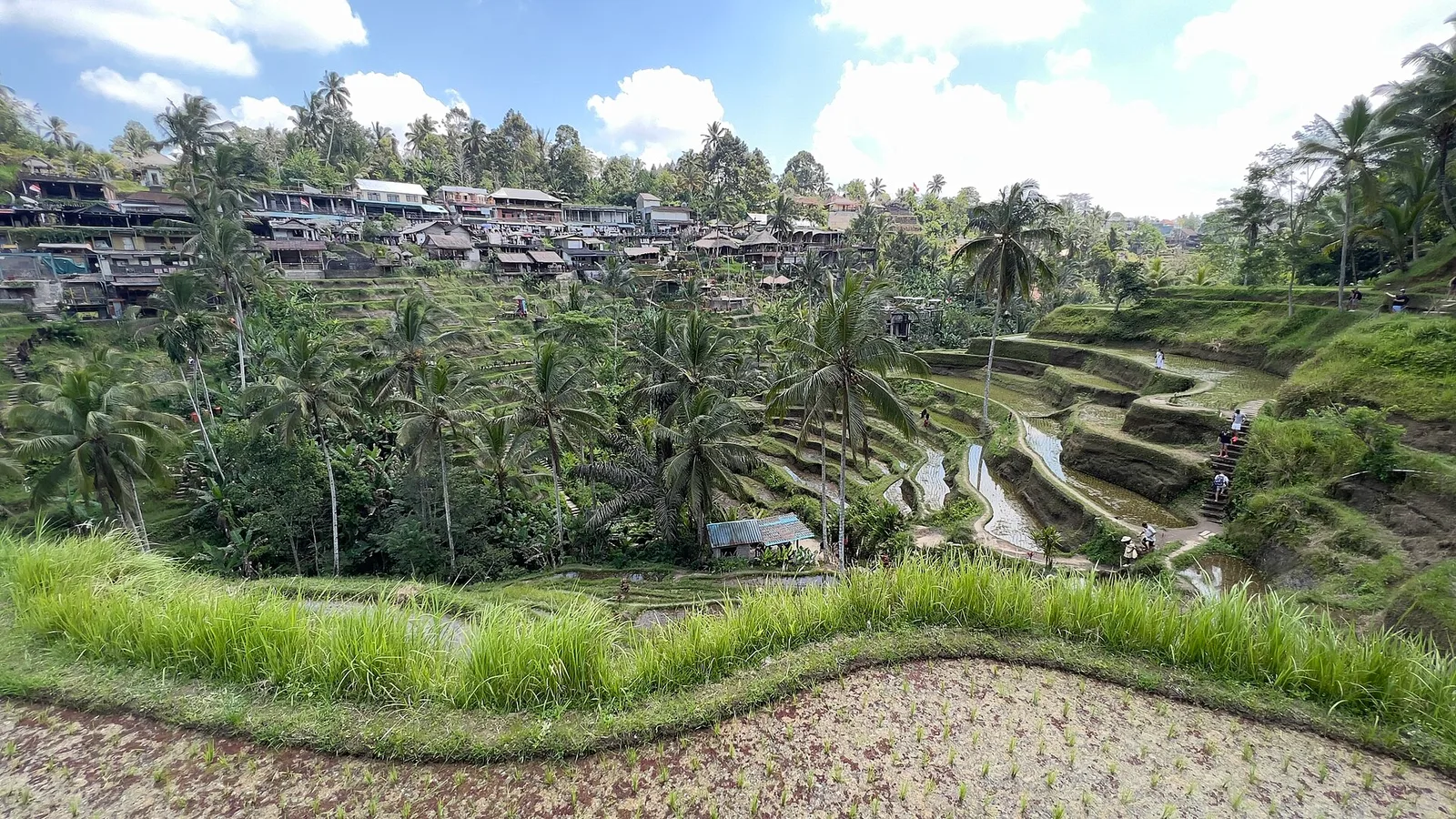
Bali runs on two economies at once. There is the card economy of hotels, beach clubs and restaurants in the south, where a phone will pay for most things, and there is the cash economy of warungs, markets, temple gates, waterfall entrances and every village on the island, which does not care what is in your phone. Moving between them is the whole of managing money here, and the mistakes people make are all in the same direction: not enough cash, drawn from the wrong machine, at the wrong moment.
Cash and cards
Cards work at hotels, established restaurants, spas, larger shops and organised tour operators.
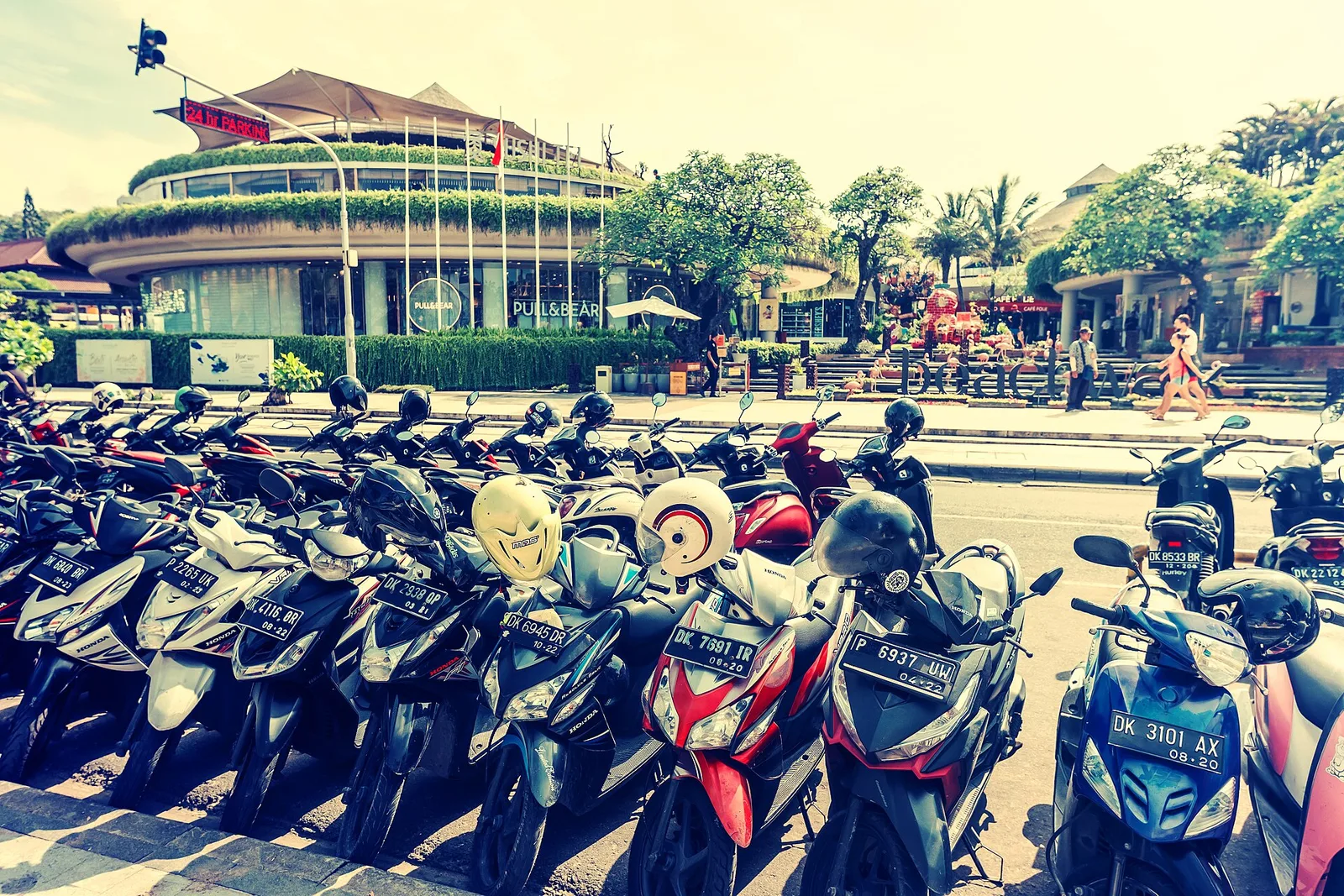
Cash is required for warungs, markets, entrance fees, parking, small drivers, scooter rental and essentially everything rural.
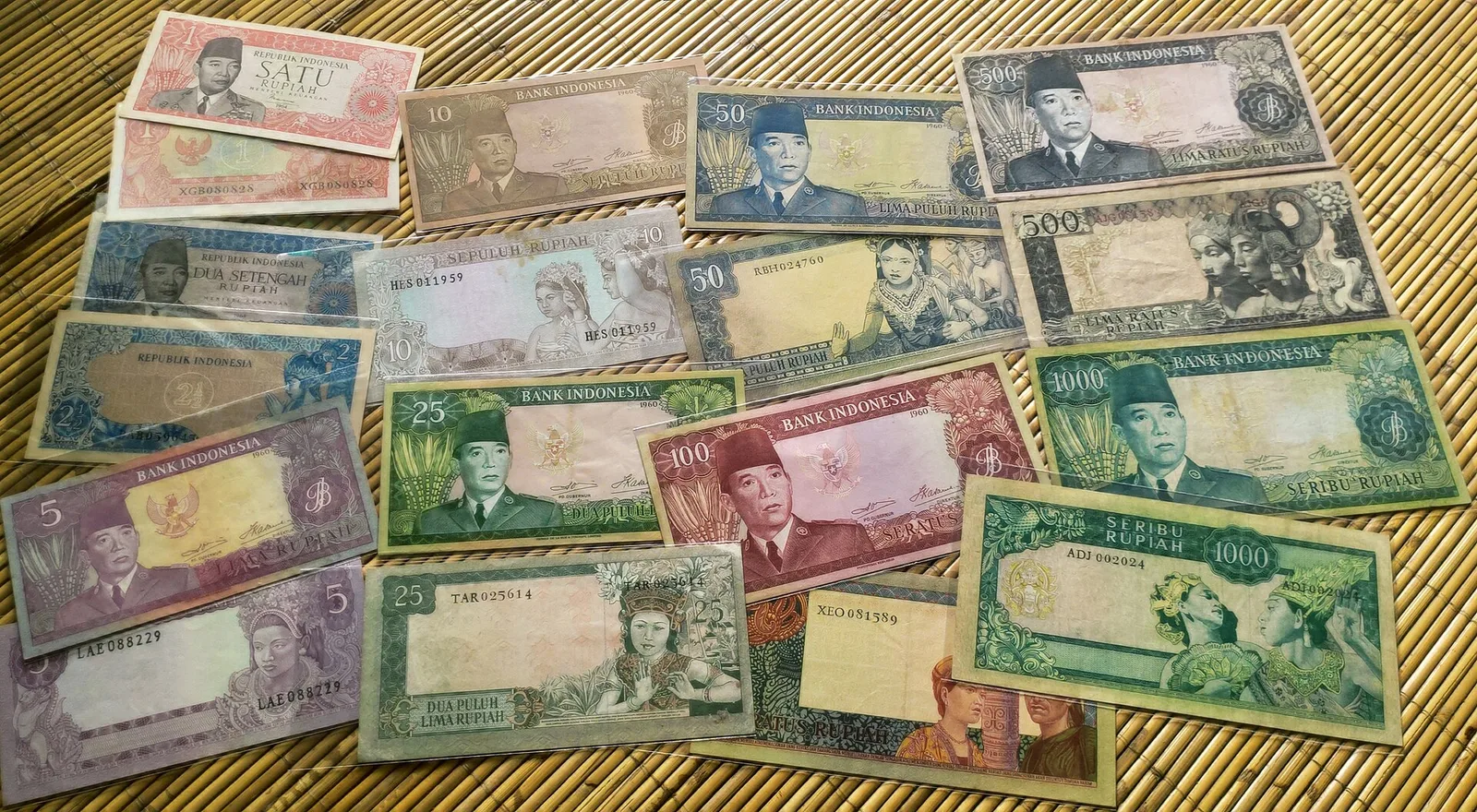
Small notes matter. Machines often dispense large denominations and a warung cannot change one.
Draw before you travel inland, because the highlands, the east coast and the offshore islands have few machines and they are sometimes empty or offline.
Keep some cash separate from your wallet, in the room safe.
ATMs
Use machines inside banks, supermarkets or busy shops rather than isolated booths.
Daylight, and somewhere with people around.
Look at the card slot for anything that appears added or loose, and cover the keypad.
Check the denomination the machine offers, since some dispense only large notes.
Take your card and cash before walking away, which sounds obvious and is exactly how cards get left behind.
Your own bank’s fees matter as much as the local ones, so check them before travelling.
Tipping
Not obligatory and genuinely appreciated, and increasingly expected in the tourist economy.
Restaurants frequently add a service charge and a tax, which appear on the bill as separate lines. The service charge does not always reach staff.
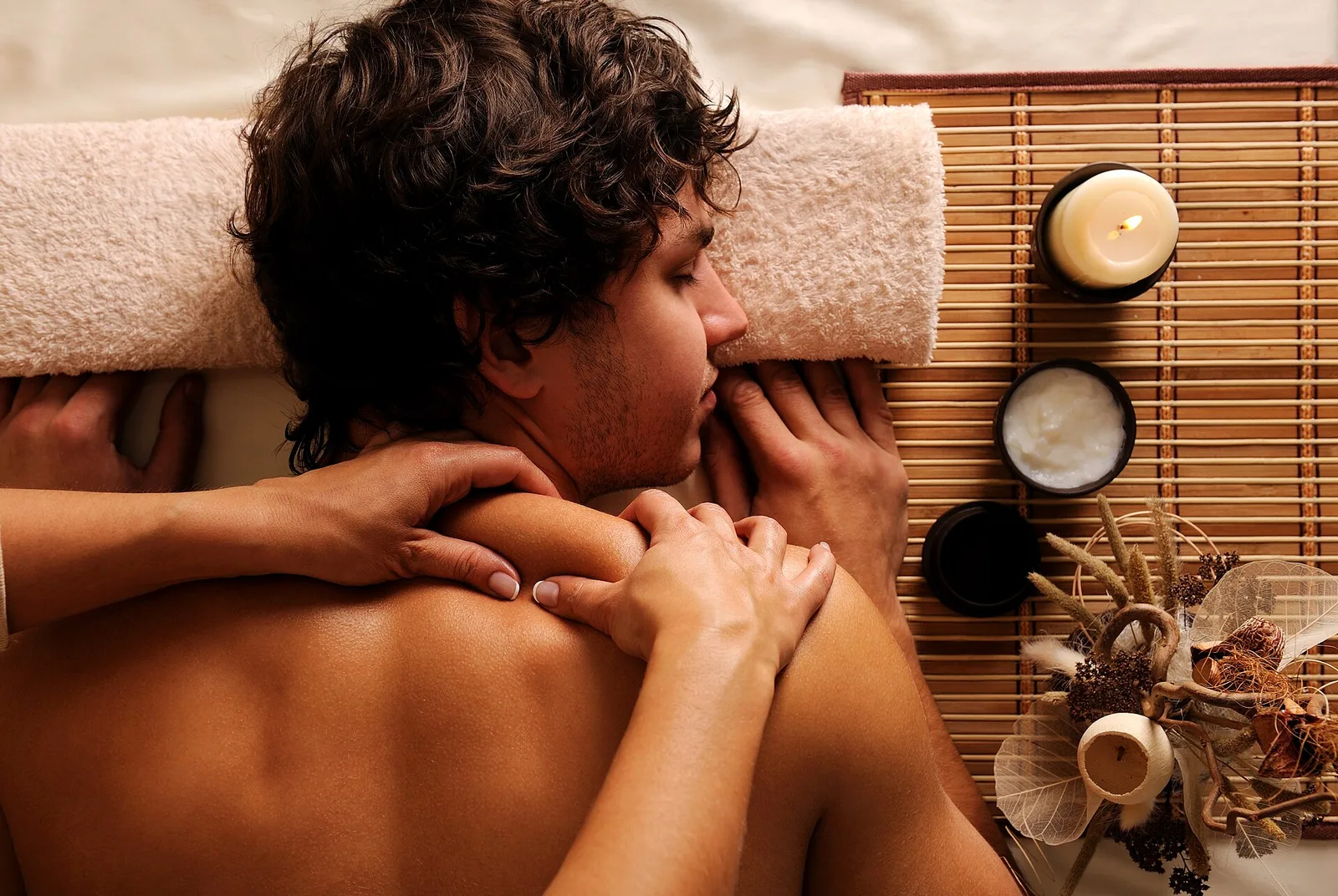
Therapists, drivers and guides are the people most worth tipping directly in cash, which reliably reaches them.
Small amounts. This is not a percentage-based culture and a modest sum handed over directly is the norm.
Hotel staff who carry bags or clean rooms, in cash, where you can.
No pressure either way, and nobody will comment.
The two economies
Understanding the price gap prevents both overspending and misplaced outrage.
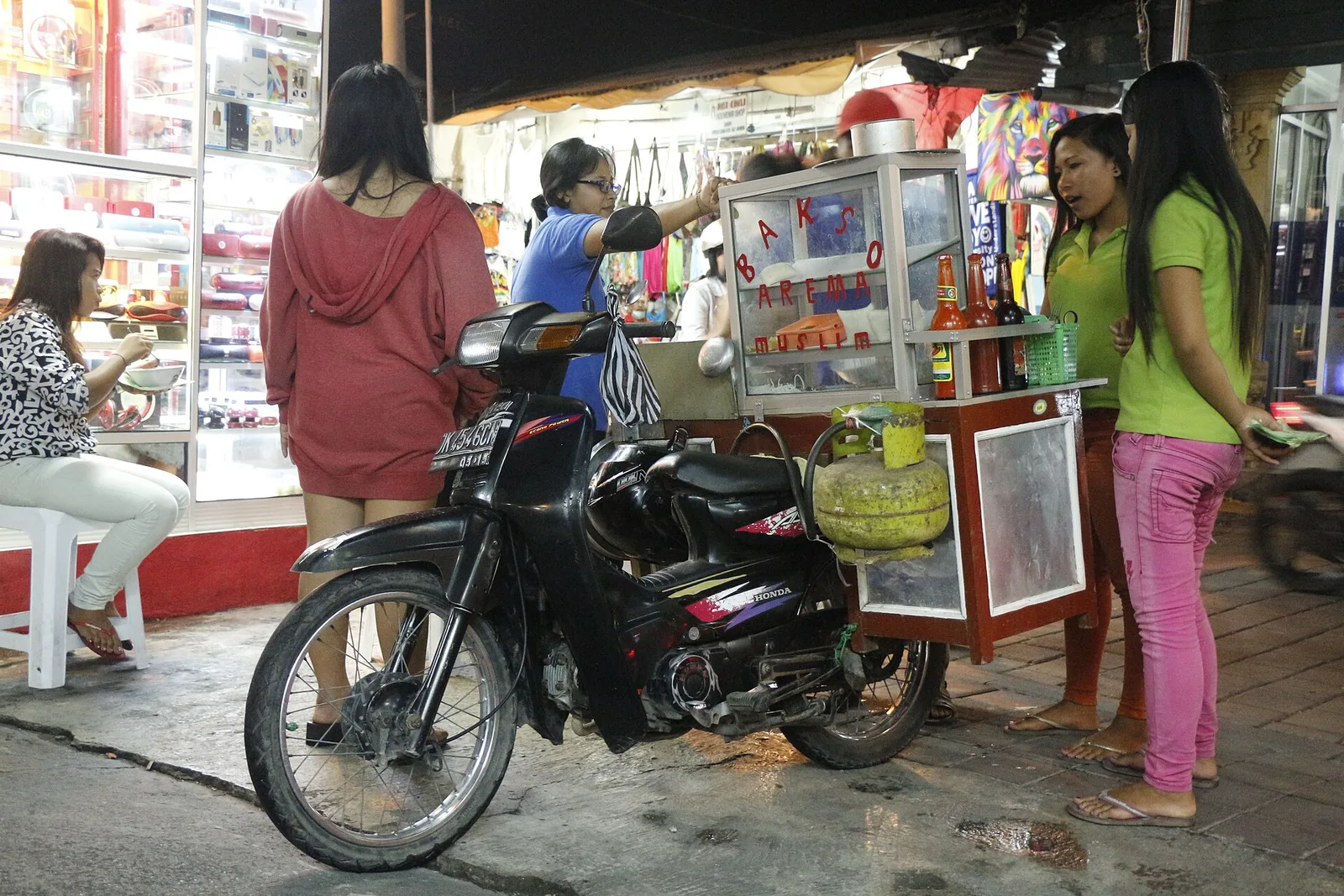
A warung meal costs a small fraction of a restaurant meal in the southern beach towns, and both are on the same island a short ride apart.
A beach club afternoon can cost more than three days of everything else.
Spa treatments, transport and food are the categories where local prices are genuinely low.
Imported goods, alcohol and international restaurants are where they are not.
Our Bali budget guide covers what a trip actually costs across those tiers.
Cultural note on money
You will see small woven offerings on pavements, in shops and at shrines, frequently with a coin or a note in them. These are religious offerings rather than tips or litter. Do not step on them, do not move them, and do not take anything from them. Walking around them is the whole of the etiquette.
Practical notes
Notify your bank of travel dates if your card issuer still requires it.
Carry two cards from different networks, kept separately.
Photograph your cards and keep the numbers to call if they are lost.
Small notes for temples, parking and waterfall entrances, which are collected locally.
Do not change money at the airport beyond what you need for the ride into town.
For the theft and scam picture around all of this, including the passport deposit rule and the bag-snatching pattern, our guide to safety and scams in Bali covers what actually happens.
And for one of the best value things to spend it on, our guide to spas and massage in Bali covers the tier where the money goes furthest.
The short version
Carry cash and use cards where they work, because Bali runs on both and the cash half covers everything rural. Draw from machines inside banks in daylight, check the slot, cover the keypad and ask for smaller notes. Use authorised money changers only, count at the counter, and never hand the money back. Tip modestly and directly in cash to therapists, drivers and guides. Draw what you need before heading inland or to the islands. And walk around the offerings on the pavement rather than through them.