Bali has a rare and wonderful quality: it can be one of the cheapest good holidays in the world, or a full-blown luxury escape, on the same street. What you spend is almost entirely up to you. This guide breaks down what things really cost, so you can build a budget that fits your trip.
The currency, and why you feel rich
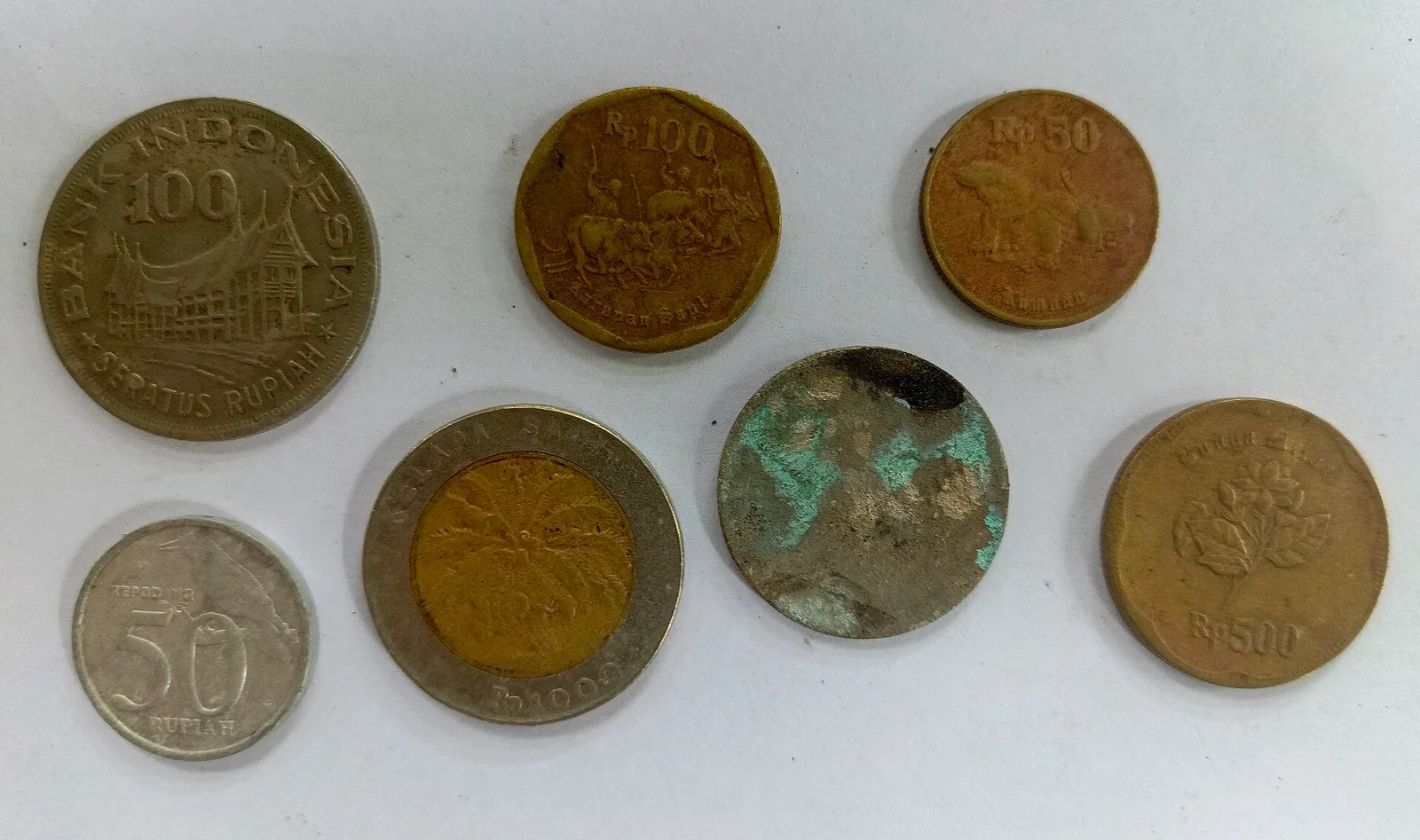
Bali uses the Indonesian rupiah (Rp), and the exchange rate turns everyone into a millionaire: in mid-2026 a US dollar bought roughly Rp 18,000. That means an ATM withdrawal comes out in the millions and a coffee costs tens of thousands, which takes a day to get used to. The rupiah does move, so look up the live rate rather than relying on a figure you read months ago, keep a rough mental conversion handy, and always double-check you have the right number of zeros before you pay.
The practical trick most visitors settle on is to fix one anchor in your head and work from it, rather than converting every price. Learn what a single warung meal costs in rupiah and everything else calibrates against it. The zeros are where mistakes happen: the difference between two notes can be a factor of ten, and tired travellers hand over the wrong one regularly.
Daily budgets, three ways
Here is what a day roughly looks like at three styles of travel, per person.
Backpacker (around 300,000 to 500,000 rupiah a day): a bed in a hostel or simple guesthouse, warung meals, a shared scooter, and free or cheap activities like beaches and temples. Bali is a genuine bargain at this level.
Mid-range (around 700,000 to 1.2 million rupiah a day): a nice private room or a shared villa with a pool, a mix of warungs and cafes, a scooter or occasional driver, a paid tour or two, and the odd cocktail at a beach club. This is where most travellers land, and it buys a lovely trip.
Comfort and up (from around 2 million rupiah a day): a private-pool villa, restaurant dinners, private drivers, spa days and premium tours. Even at this level, Bali costs a fraction of a comparable trip in Europe or the US.
The gap between the tiers is narrower here than almost anywhere, which is the genuinely useful insight. Moving from a hostel to a shared villa with a pool changes the holiday enormously and the daily total modestly, so if you are deciding where to spend a limited budget, Bali is a country where upgrading buys a lot.
What individual things cost
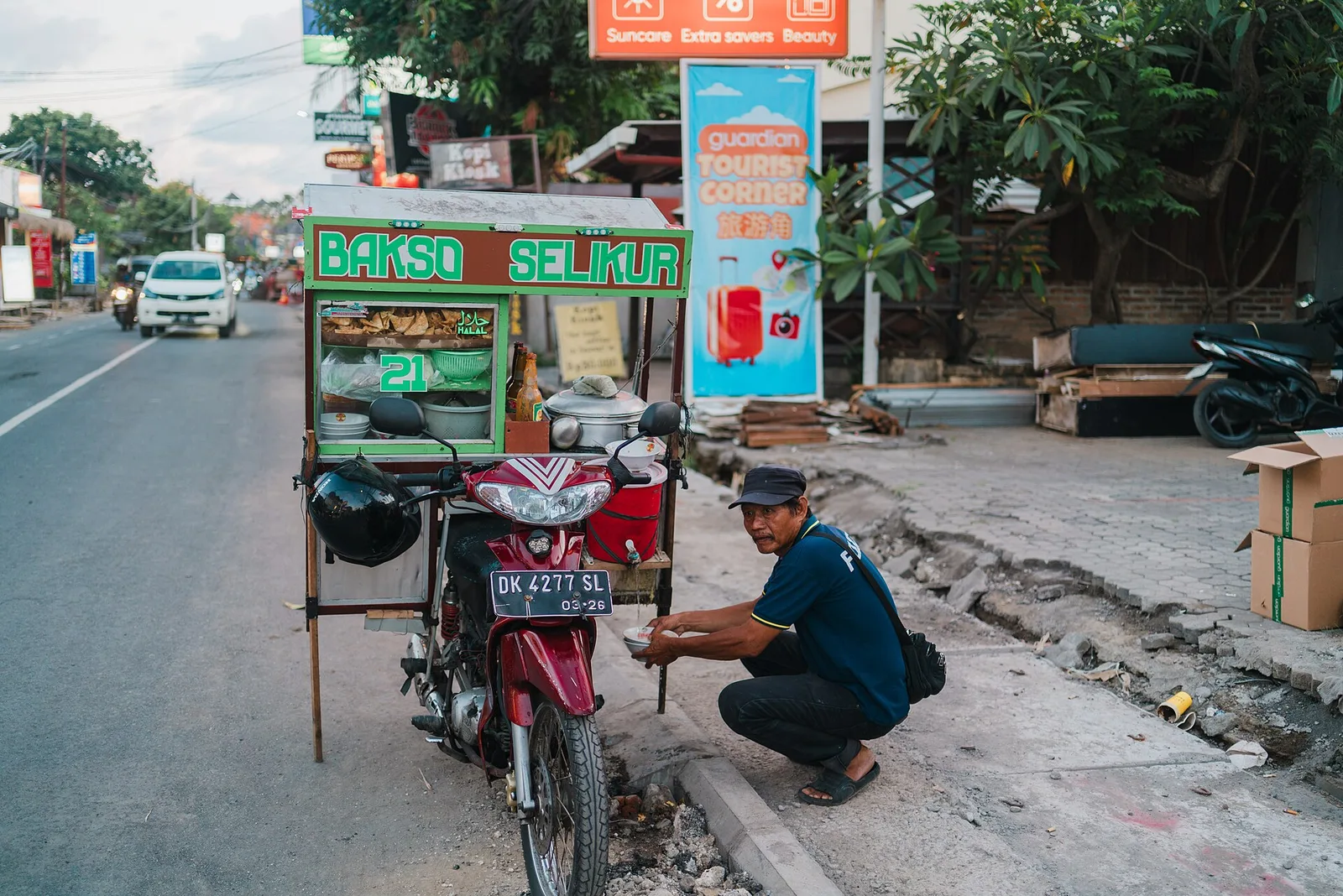
To help you plan, here is a rough sense of prices, always think “around”, since they vary by area and season. A warung meal runs 25,000 to 50,000 rupiah; a cafe brunch more like 80,000 to 150,000. A large local beer is a few tens of thousands. Scooter rental is roughly 60,000 to 100,000 a day, and fuel is cheap. A private driver for a full day of sightseeing is often 600,000 to 900,000 for the car, superb value split between a group. A one-hour massage can be as little as 100,000 to 150,000. Beaches and temples cost little or nothing beyond a small entrance fee.
The costs that sit outside the daily rate
This is where planned budgets and real ones diverge, because none of these show up in a per-day figure.
- Getting in. Depending on your passport there may be a visa or visa-on-arrival fee, and Bali also charges a tourist levy on foreign visitors, paid online before you travel or on arrival. Neither is large, both are missed. Our Bali visa and entry guide sets out what applies to which passport and what to pay before you fly.
- The airport transfer, at both ends of the trip, which costs meaningfully more if your villa is in Ubud or on the Bukit than if it is ten minutes from the terminal. Our guide to Bali airport transfers compares the options and the late-night catch.
- Boats between islands. Fast boats to the Nusas or the Gilis cost far more than anything you will pay on land, and prices climb in the dry season.
- Travel insurance, covered below, which is the line most worth not cutting here.
Getting around: what each option really costs
Transport is the second biggest lever after accommodation, and the three options are not close on price.
| How you move | Rough daily cost | The catch |
|---|---|---|
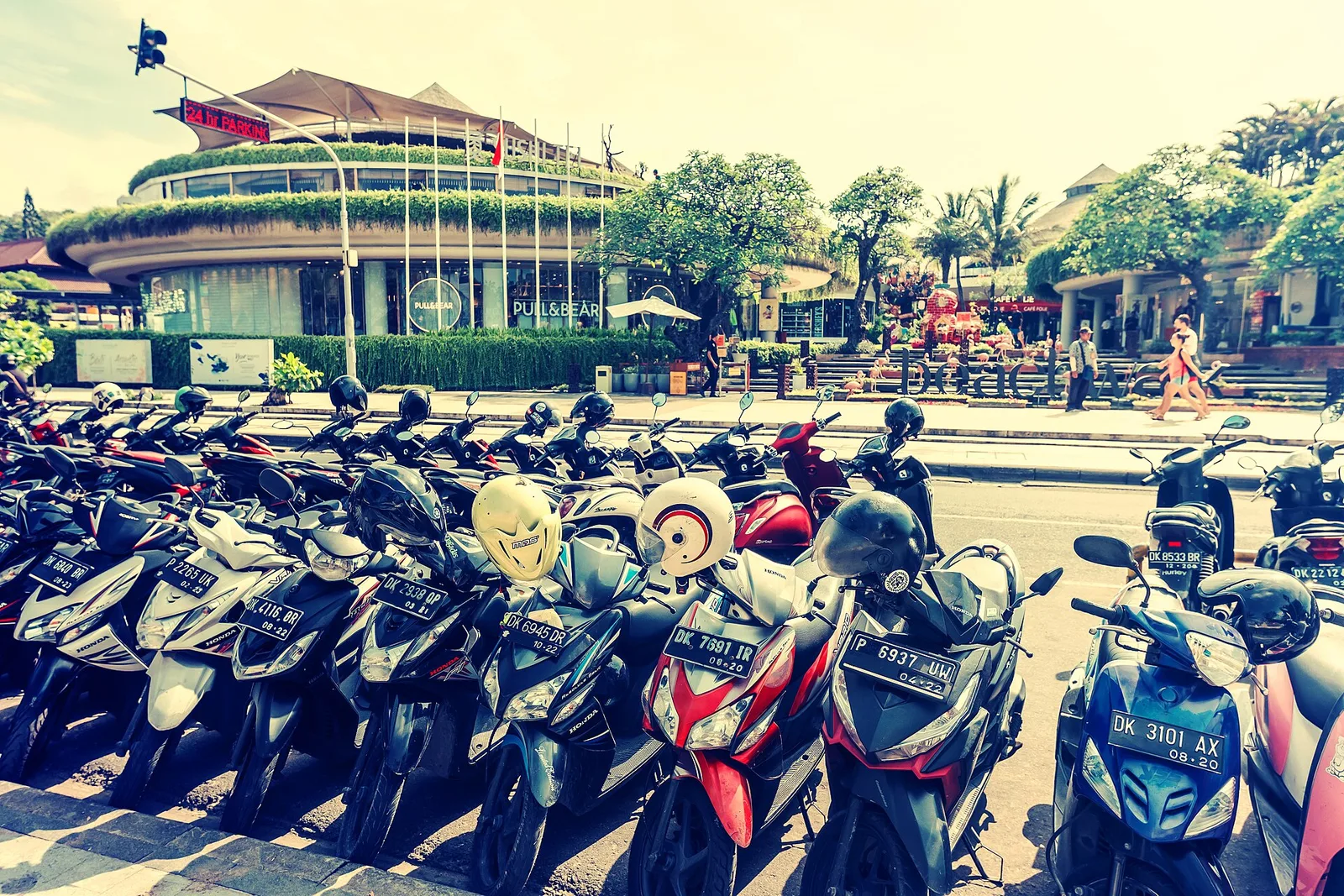
| Scooter | The cheapest by far, a few dollars plus fuel | Licence, permit and insurance implications |
| Ride-hailing apps | Cheap per trip, adds up over a full day | Not accepted in every area |
| Private driver for the day | Most expensive, excellent value split | Overkill for short hops |
The ride apps deserve one honest note: they are not available everywhere. Some areas restrict app pickups in favour of local drivers, so you may be told to walk to a designated point or find that nobody takes the job. Keep cash for a local driver as a fallback and agree the price before you set off. And a driver for the day is the outstanding value option for a group, since the price is for the car rather than per person, and it covers everything a full sightseeing day involves.
Villas that beat any hotel at homePrivate-pool villas in Bali cost a fraction of a comparable stay in the WestAccommodation: the biggest line, and the one you control
For most trips this is the largest single expense, and three things move it. Area matters most: the same standard of villa costs noticeably more in Seminyak or on the Bukit than in Ubud, Sanur or the quieter east. Season is next, with July, August and the New Year period at the top and the wet months at the bottom. Group size is third, because Bali’s private-pool villas are priced per property, which makes them extraordinary value for four people and merely good for two.
Two practical savings that cost nothing. Booking a place with a kitchen for part of the trip lets you use the astonishingly cheap markets. And booking earlier for the dry season genuinely saves money here, because the well-reviewed, well-priced places are a limited pool and they go first.
ATMs, cards and staying safe with money
Withdraw rupiah from ATMs attached to real banks (avoid standalone machines in dark corners), cover the keypad, and be aware many machines cap withdrawals, so you may pay a fee more than once for a big sum. Cards work at hotels, larger restaurants and beach clubs, but warungs, markets, drivers and small shops are cash only, so always carry some. Tell your bank you are travelling, and keep a backup card separate from your main one.
Watch for two common money traps: money changers offering rates that look too good (use reputable ones, count your cash carefully, and never let it out of your hands), and menus that add tax and service, shown as ”++”, so the final bill runs a little higher than listed.
A third worth adding: when a card machine or an ATM offers to charge you in your home currency rather than rupiah, decline. That conversion rate is set by the machine and is consistently worse than your own bank’s, and it is offered precisely because most people accept it.
Insurance: the line not to cut
Bali is cheap and medical care for anything serious is not. Private hospitals here bill at international rates, and a genuinely bad outcome, an evacuation or a repatriation, runs into figures that dwarf the entire cost of the holiday. That is the whole argument for cover, and the premium is small next to what it protects.
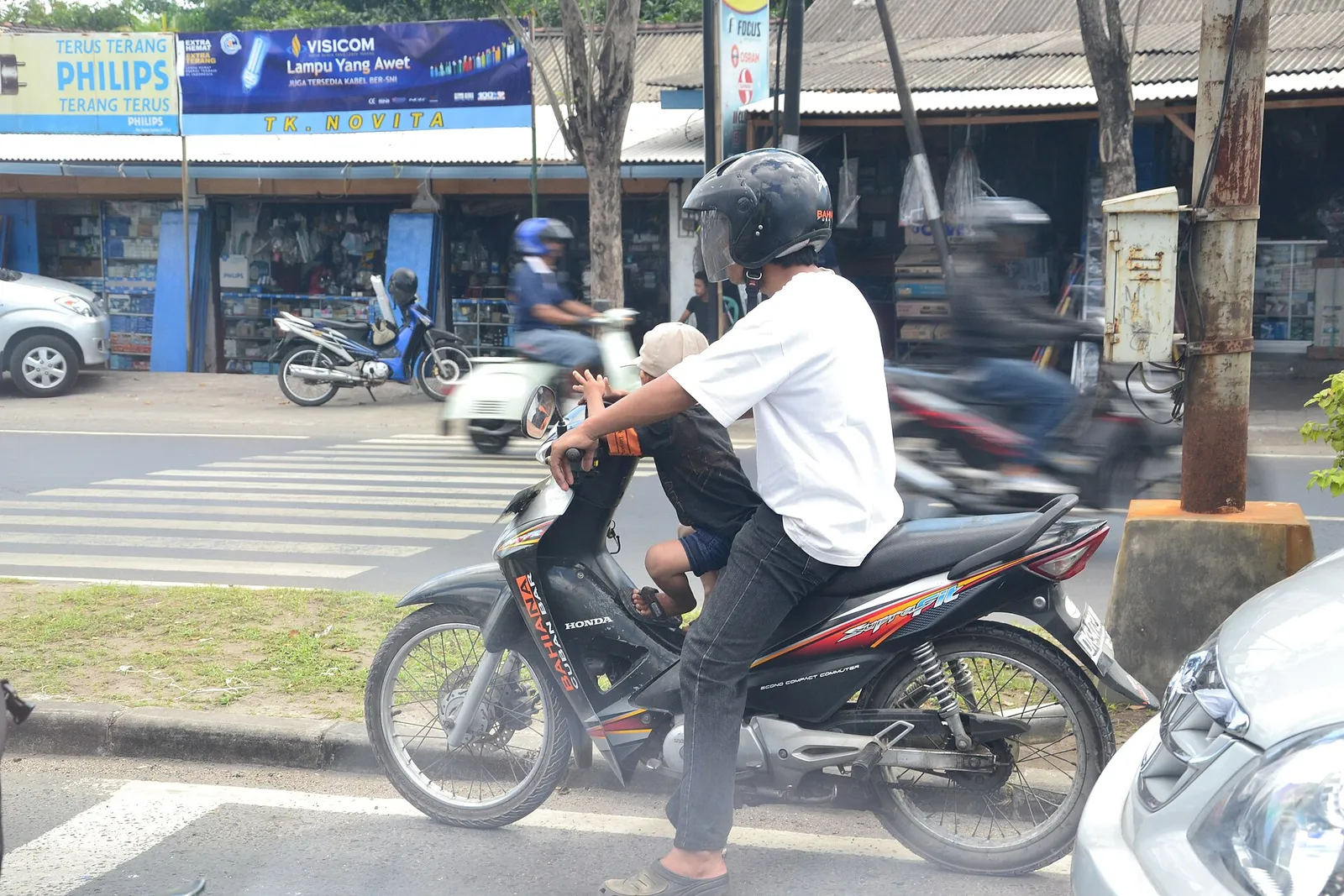
The specific Bali risk is the scooter. Road accidents are the most common way visitors get hurt here, and most policies refuse a claim if you were riding without the correct licence and an international permit, without a helmet, or after a drink, which is exactly the situation many visitors are in without realising it. Read the activity and vehicle sections of your own policy rather than assuming, and check what it says about the excess. Our guide to travel insurance for Bali covers what to look for and the exclusions worth reading twice.
Where the money actually goes
For most people the single biggest cost is the flight to get to Bali, wherever you are flying from, so booking that well is where real savings live. On the island, the splurges that add up are beach clubs, cocktails, fancy dinners and organised tours, all easy to enjoy in moderation. The daily basics, food, transport, a simple room, are so cheap that you can eat and travel well for very little and save your budget for a few standout experiences.
Tips to make it stretch
Eat at warungs for at least one meal a day and you will slash your food bill while eating better. Rent a scooter instead of taking rides everywhere, if you are confident, and read our scooter and car rental guide first, because the licence requirement is the part that turns a cheap week into an expensive one. Travel in the shoulder or wet season for cheaper rooms. Book villas with a group to split the cost of somewhere special. And set up an eSIM before you fly to dodge roaming fees. None of this feels like scrimping, it just means your money goes further.
Three more that cost nothing at all. Move fewer times, since every base change means a transfer you pay for and a half day you lose. Walk one street back from any beach or main strip before choosing where to eat. And share a driver for the big sightseeing days rather than taking individual rides, which is usually cheaper and always easier.
The short version
Bali flexes to any budget: 300,000 to 500,000 rupiah a day as a backpacker, 700,000 to 1.2 million mid-range, more if you want luxury. Budget separately for entry costs, the tourist levy, airport transfers and island boats, since none of those live in a daily figure. Carry cash for warungs and drivers, use bank ATMs, decline the home-currency conversion, watch the zeros on the rupiah, and do not cut the insurance, especially if a scooter is in the plan. Put your money toward a few great experiences rather than everyday basics that barely cost anything, and Bali will feel generous no matter what you spend.
What is your daily budget, and is the flight or the villa taking most of it?