Ubud is the reason Bali is not simply a beach. It sits inland among rice terraces and river gorges, it is the island’s cultural centre, and it has spent the last two decades becoming a wellness destination as well, which means it now contains a temple town, a yoga capital and a serious traffic problem in the same few streets. All three are real. Here is what to expect and how to enjoy the good version of it.
What Ubud actually is
Ubud is a town surrounded by villages, in the hills about an hour from the south coast, and the distinction matters.
The centre is a small grid around the palace and the market: restaurants, shops, cafes, spas and a great deal of traffic. It is busy from morning until late.
The villages around it, ten minutes on foot or five on a scooter, are rice fields, family compounds, temples and silence. This is where the Ubud people describe actually is.
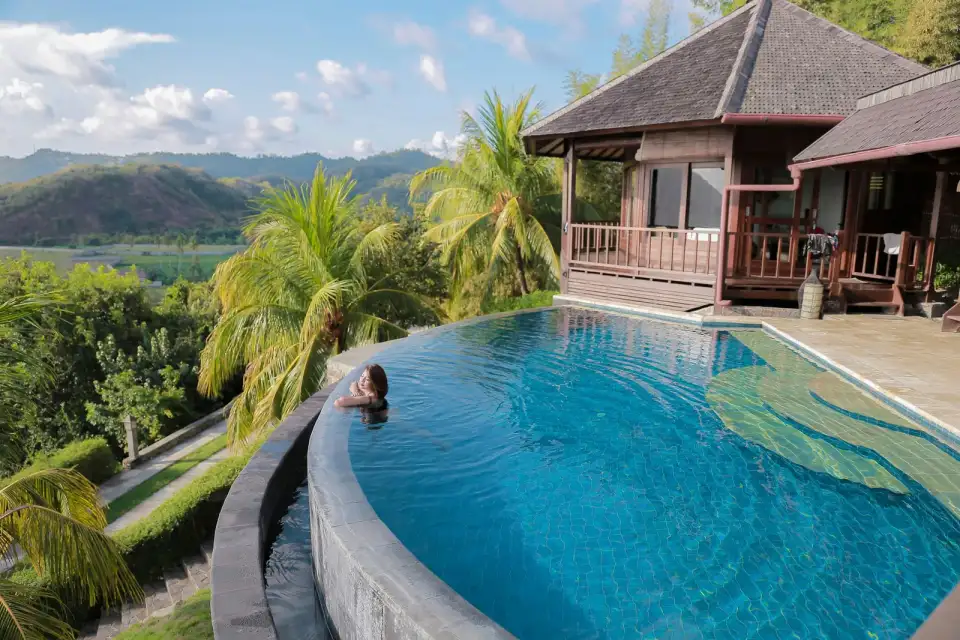
The valley below, along the river gorges, holds most of the good accommodation, the jungle views and the pools.
Almost every disappointed Ubud story comes from someone who never left the first of those three.
What to do
Four things fill a first visit comfortably.
The Monkey Forest, a real forest temple complex with several hundred macaques in residence. Beautiful, atmospheric, and full of practised thieves; secure everything before you go in.
The palace and a dance performance. Traditional dance is performed in the evenings in the palace courtyard and in venues around town, and seeing it once is worth doing even if dance is not usually your thing. The gamelan alone justifies it.
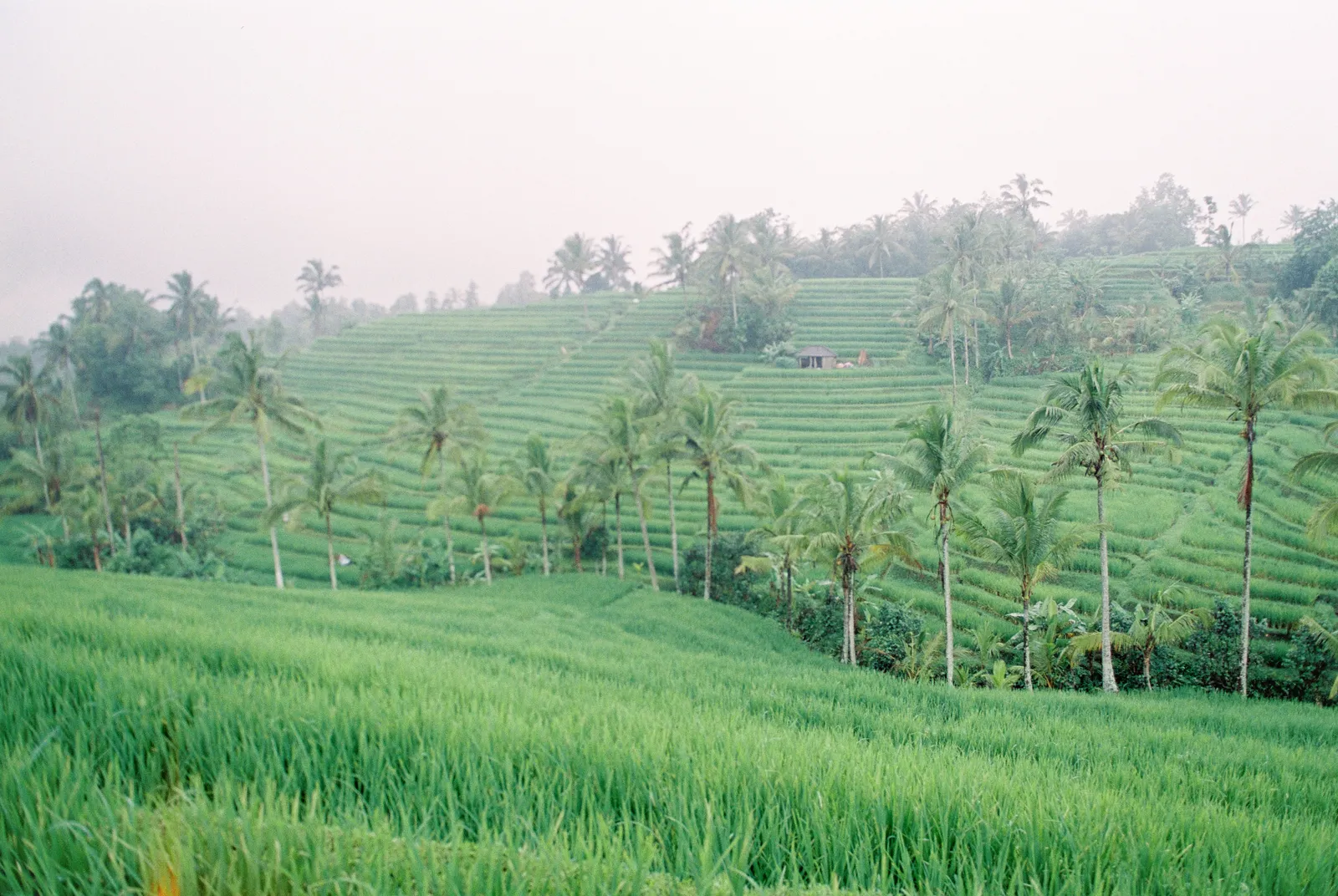
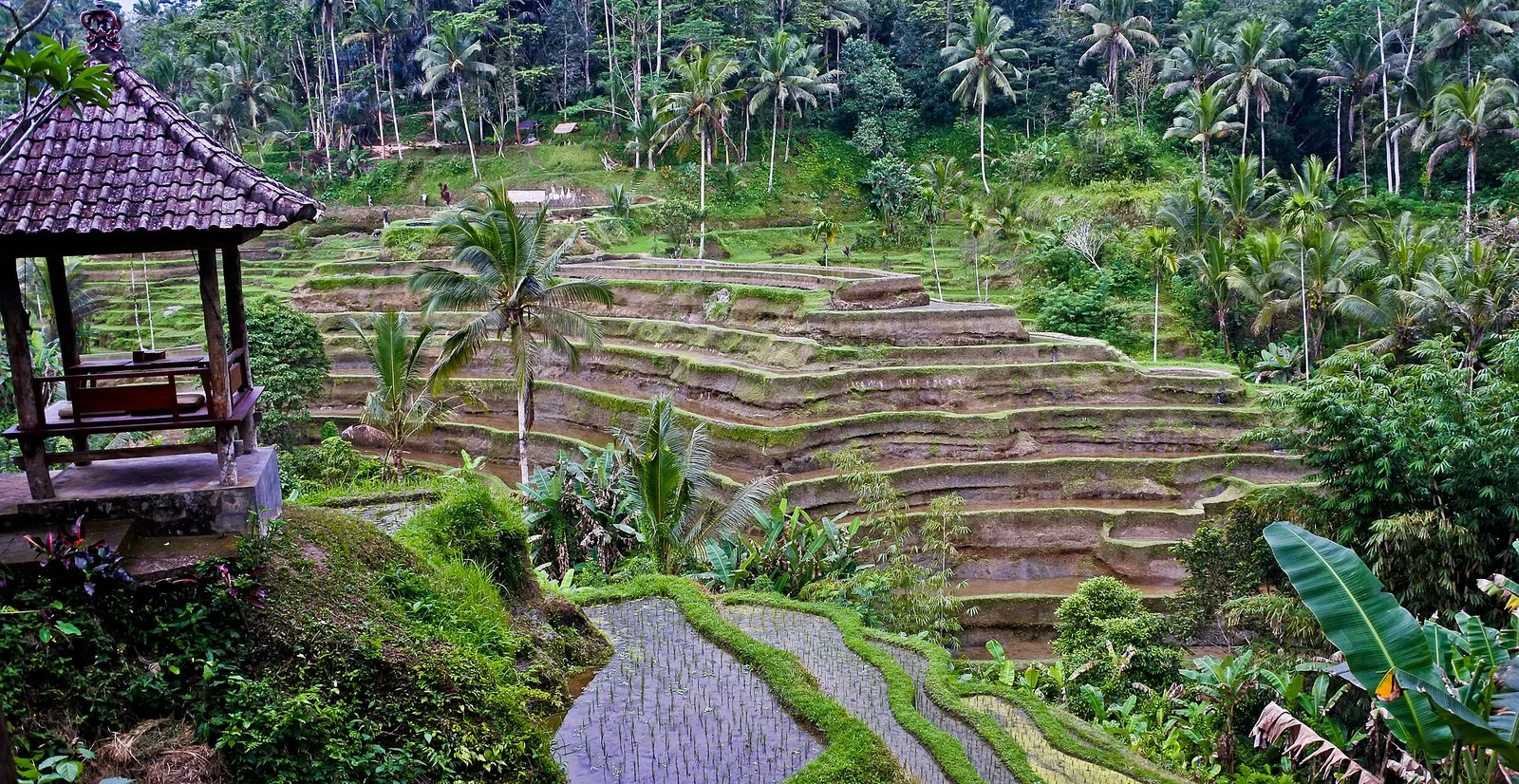
The rice terraces, north of town, spectacular and busy at midday. Go early, and consider the less-famous ones, which are just as beautiful with a fraction of the crowd.
A walk. The ridge path out of town is the best free hour in Ubud, best done shortly after dawn before the heat.
Beyond that there are waterfalls, water temples, craft villages and a great many yoga studios, and none of it needs to be done in a hurry.
The traffic, honestly
This is the part that surprises people and it deserves a paragraph of its own.
Ubud’s centre is a handful of narrow streets, many of them one way, carrying far more vehicles than they were built for. A two-kilometre journey can take half an hour in the afternoon. Pavements are intermittent and frequently occupied.
The practical consequences: walk inside the centre rather than riding, do not schedule two things at opposite ends of a day, and if you are staying out of town, accept that going in and out twice is a decision rather than a detail.
It is also the strongest argument for staying just outside the centre, where you are walking into the congestion rather than sitting in it.
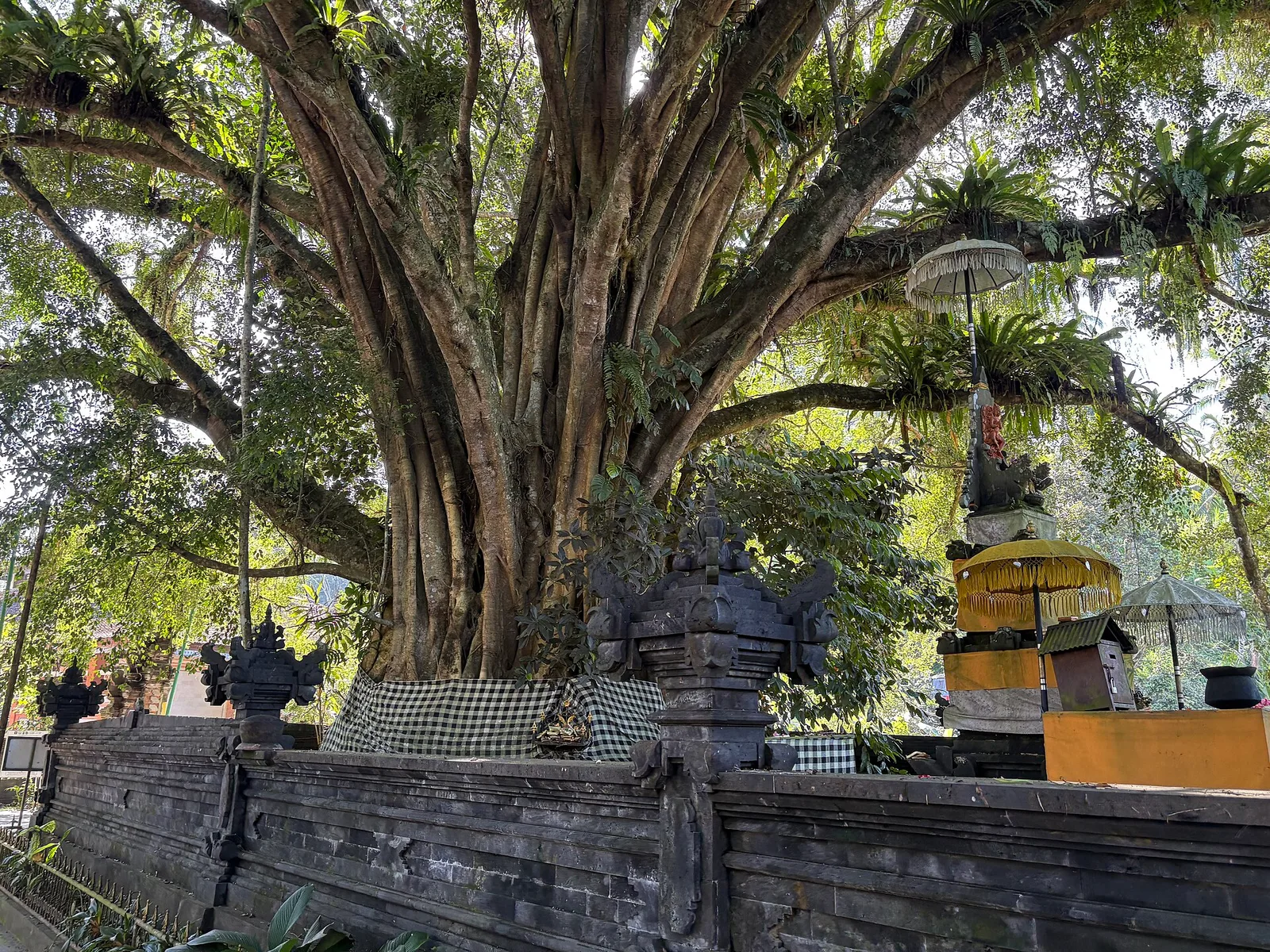
Where to stay in Ubud
Three broad choices, in ascending order of quiet.
In the centre, walking distance to everything, at the cost of traffic noise from early morning. Convenient for a short stay.
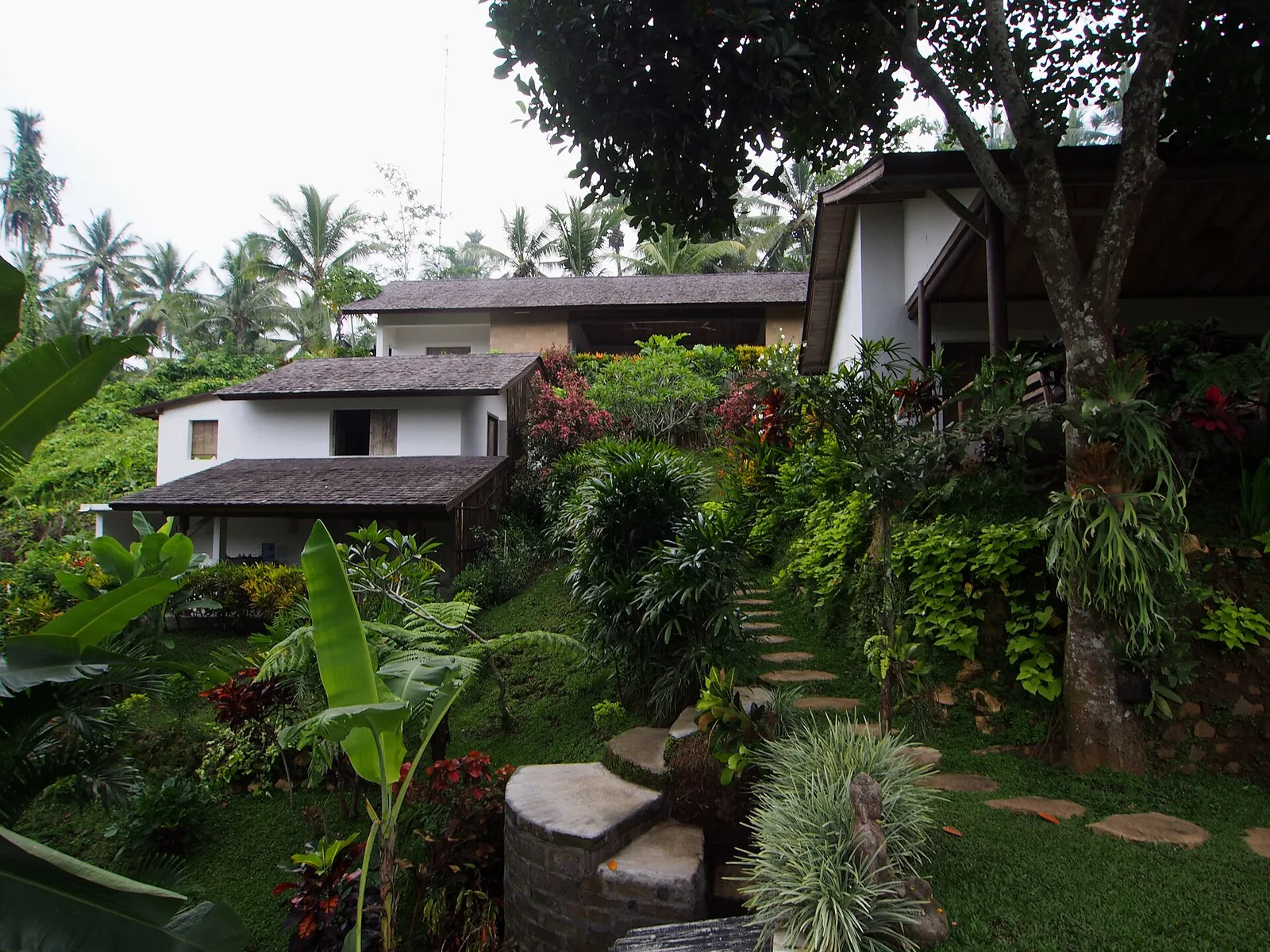
One ring out, in the surrounding villages, a five or ten minute walk in, with rice-field views and better value. This is where most people should be.
Down in the valley, along the gorges, where the jungle-view pools and the more expensive properties are, and where you will need transport for everything.
For how Ubud fits against the coastal areas rather than within itself, our guide to where to stay in Bali covers the whole island’s options.
Ubud against the coast
The comparison that matters on a first trip is not Ubud versus another inland town, it is Ubud versus the surf coast.
Ubud is green, cooler, cultural, slower and inland. Mornings are birdsong, evenings are quiet by eleven.
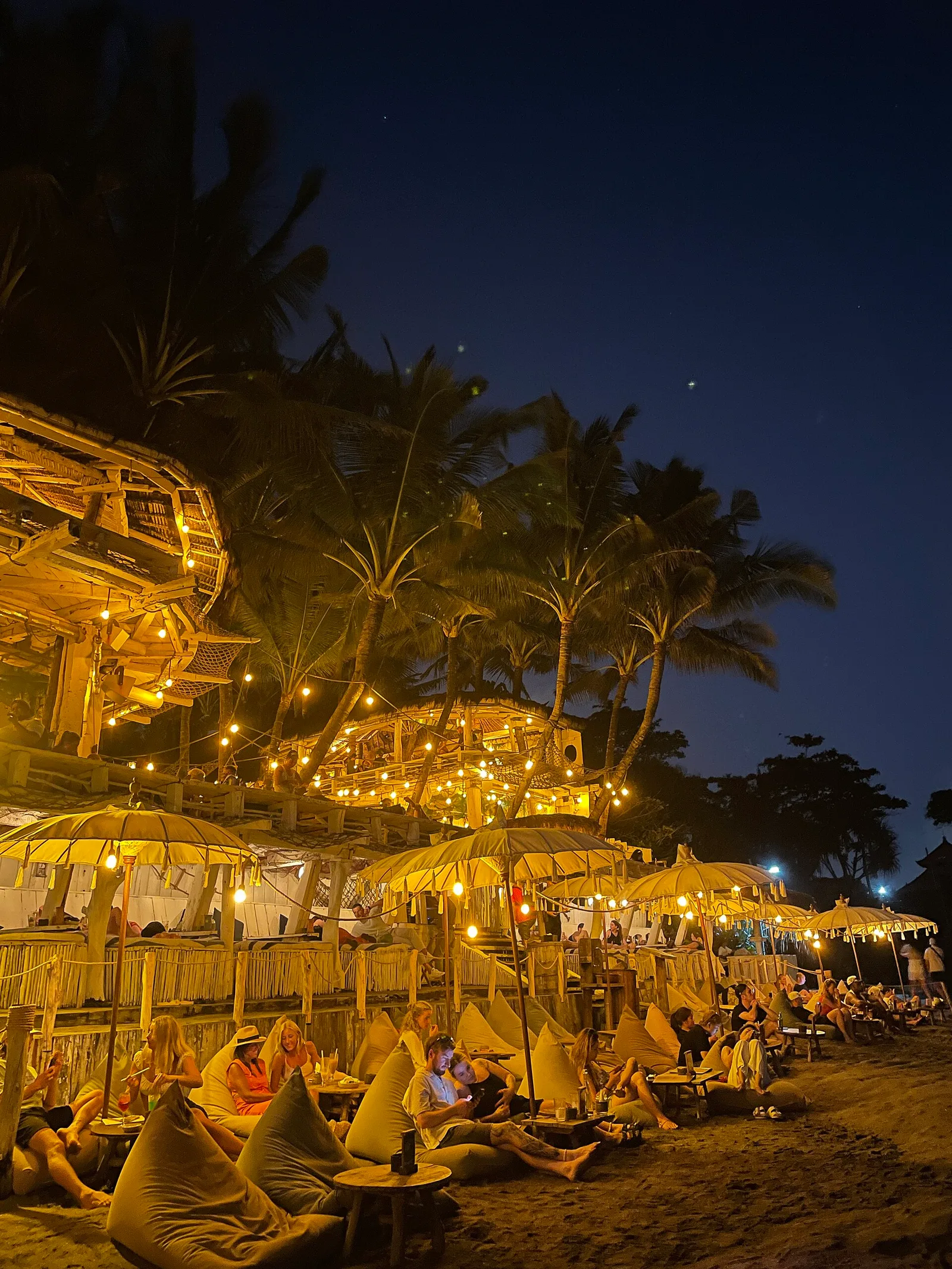
Canggu is black-sand beaches, surf, cafes, scooters and a young international crowd that stays up. Our guide to Canggu covers it properly.
Seminyak is the polished version of the coast, with beach clubs and restaurants; our guide to Seminyak sets out who it suits.
Most first trips do Ubud and one of the coastal areas rather than choosing, and that is the right answer.
Practical notes
It rains here more than on the coast, being higher and greener, and afternoon showers are normal even outside the wet season.
It is cooler, noticeably, particularly at night, which is a relief after the south.
Cash matters at markets, small warungs and temple donations, though cards are widely taken in the centre.
Dress for temples: shoulders and knees covered, and a sarong is provided or rented at the entrance.
Offerings on the ground are everywhere and are not litter. Step around them.
Drivers are cheap, easy to arrange and the sensible way to do a day of waterfalls and temples, and the same driver relationship usually turns into your transport for the rest of the trip.
The short version
Ubud is inland, cultural and green, and it is not a beach base, which is the thing to understand before booking. Give it two or three nights, stay a short walk outside the centre rather than on the main road, and do everything before ten in the morning. See a dance performance, walk the ridge at dawn, secure your sunglasses before the Monkey Forest, and pair it with a stretch of coast rather than trying to make it the whole trip.
The terraces are the other reason people base themselves here, and the two best known are not interchangeable: one is a short ride out of Ubud, the other a UNESCO listed valley an hour further on. Tegalalang and Jatiluwih compared sets out which one suits which kind of day.