The Gili Islands are three specks of sand and coral off the northwest coast of Lombok: Gili Trawangan, Gili Air and Gili Meno, close enough to Bali that most visitors treat them as a Bali side trip even though they belong to a different island altogether. There are no cars and no motorbikes on any of the three, and for long stretches of the year the water off all of them is some of the clearest within reach of a Bali holiday. They get compared constantly to Nusa Penida, but the crossing is longer, the islands are flatter, and the whole point of a visit is doing less rather than seeing more. If beaches are what you are actually optimising for, our guide to the best beaches in Bali is worth reading first to work out whether the extra boat is worth it for your trip.
Three islands, three different trips
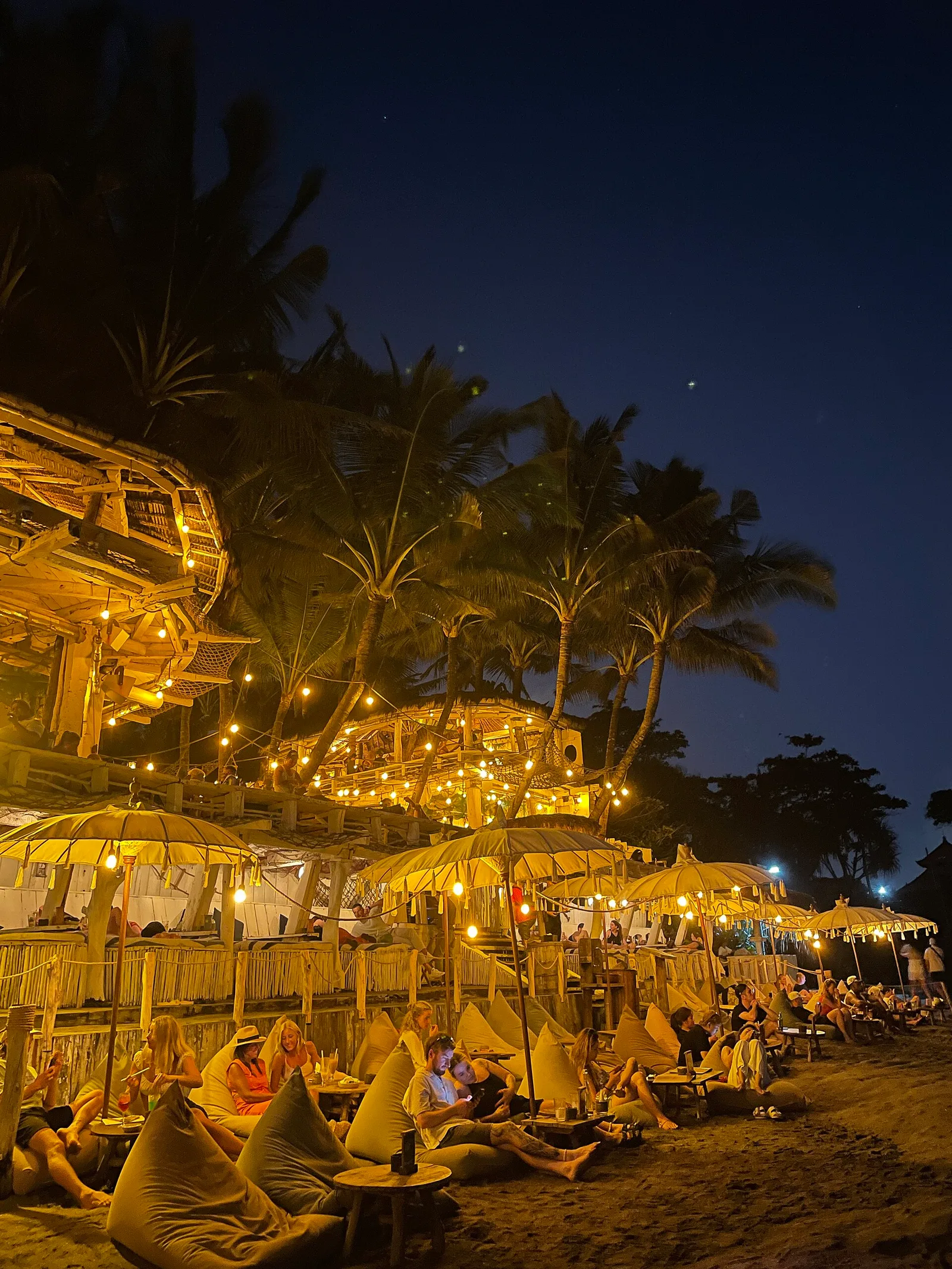
Gili Trawangan, usually called Gili T, is the largest and busiest of the three. It has the most restaurants, the most dive schools and a genuine nightlife strip along the harbour side, and its loop road can be walked in under two hours or cycled in a fraction of that. The sunset gathering near the main pier, with Bali’s volcanoes visible across the water, is one of the better free things to do anywhere in the area.
Gili Air sits in between in almost every sense. It is close enough to Lombok that the crossing from some departure points is shorter, it has enough restaurants and small bars to not feel remote, and it draws a mix of backpackers, couples and families rather than the younger party crowd that dominates Trawangan. For travellers who want an island but not a scene, Air is usually the answer.
Gili Meno is the smallest and by far the quietest, with a fraction of the accommodation and food options of its neighbours. It has long had a reputation as the honeymoon island, it holds a small turtle sanctuary near the shore, and an afternoon there can feel closer to an empty desert island than anywhere else easily reached from Bali.
No motorised transport, and what that means
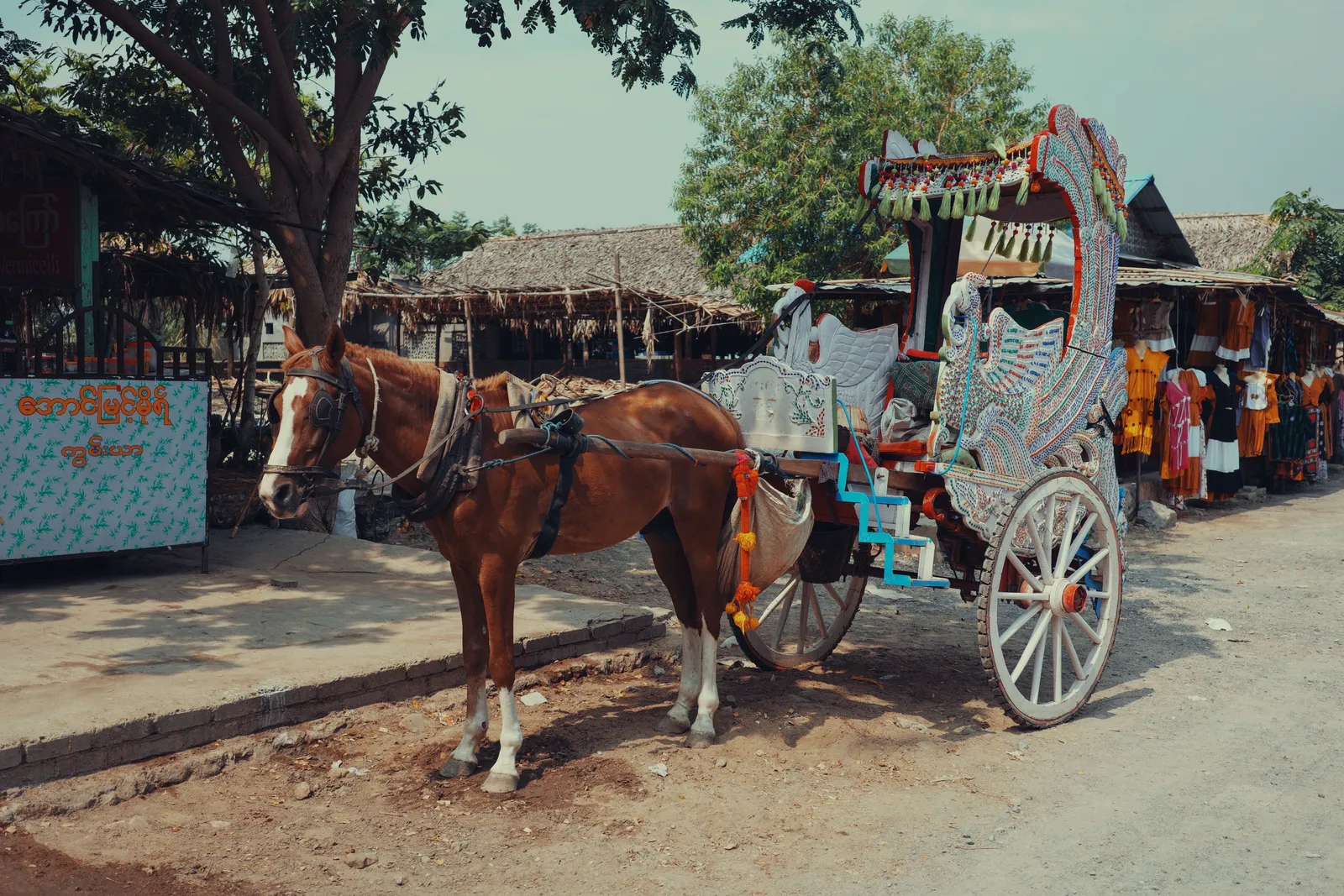
None of the three islands allow cars or motorbikes, a rule that has held for decades and is a large part of what makes them feel so different from the mainland. Getting around is on foot, by bicycle, which most guesthouses rent by the day, or by cidomo, the traditional horse-drawn cart still used to move luggage and passengers around Trawangan and Air in particular.
Horse welfare has become a genuine concern. Conditions for cidomo horses drew increasing criticism over recent years, and in response some islands have introduced electric carts as an alternative, alongside efforts to improve standards for the horses that remain in use. If you would rather not take a cidomo, ask your accommodation about electric cart or bicycle options on arrival rather than assuming it is the only way to move luggage from the harbour.
Getting there from Bali
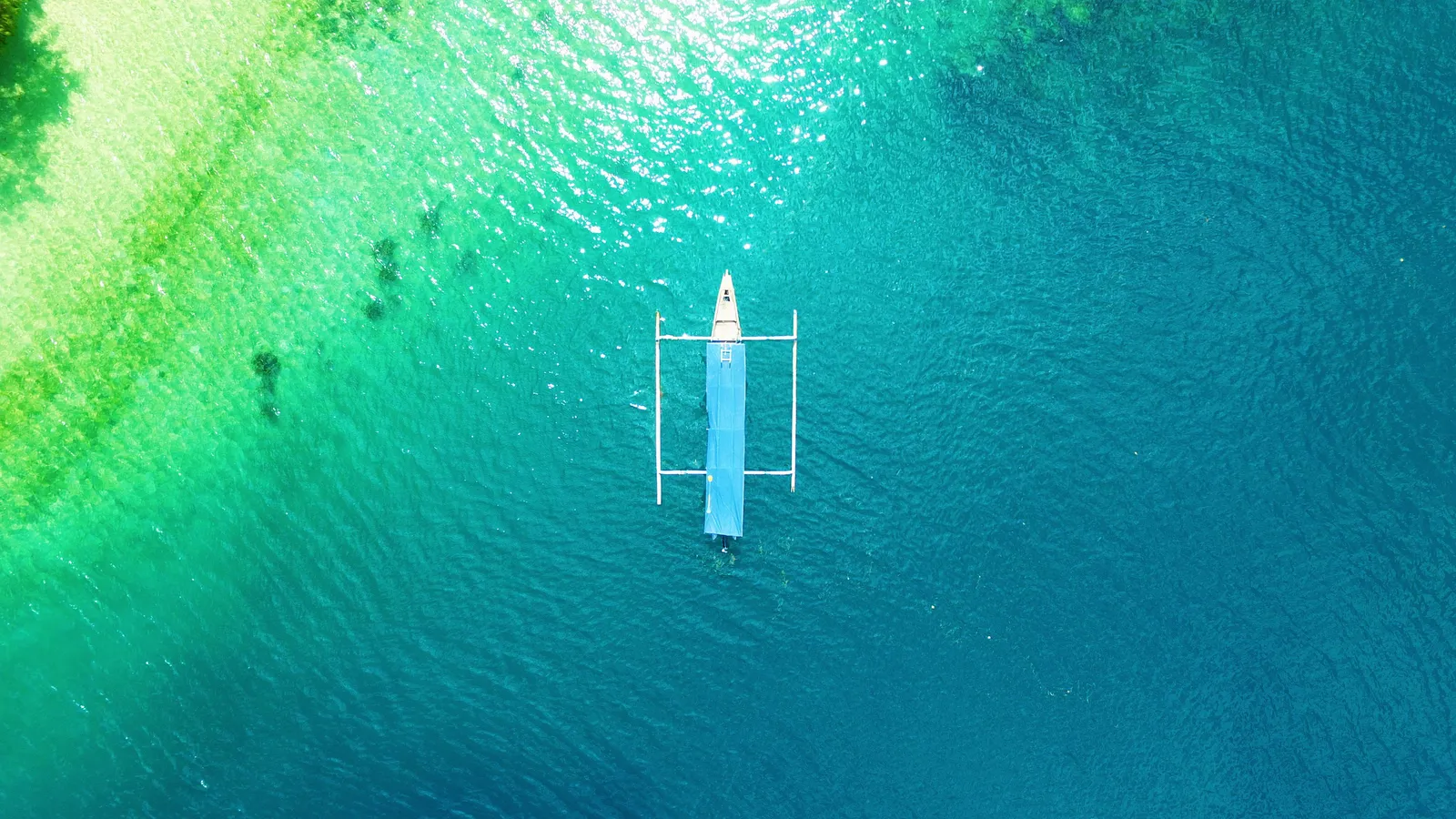
Fast boats run daily from several harbours in Bali, most commonly Padang Bai and Amed on the east coast and Serangan near Sanur, with the crossing taking anywhere from roughly ninety minutes to two and a half hours depending on the exact route and which island is your final stop. Most operators handle onward transfers between the three islands as part of the ticket, so you can book a single journey to whichever one you are staying on.
Sea conditions matter. Services are reduced or cancelled outright in rough weather, which is more common during the wetter months roughly between November and March, so build a buffer day into your plans if your onward travel is tight and confirm your return sailing rather than assuming it will run on schedule.
Snorkelling, diving and the reefs
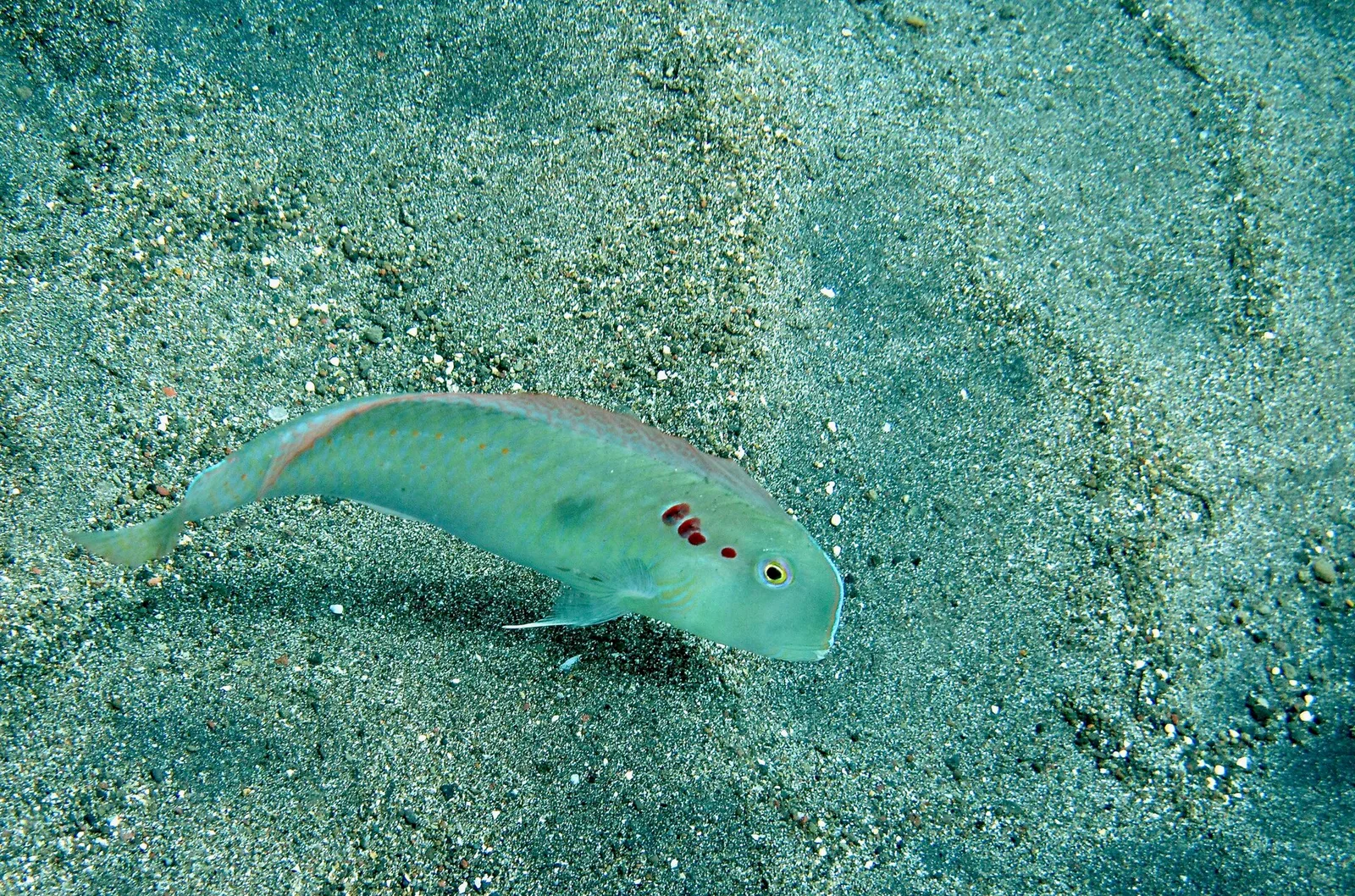
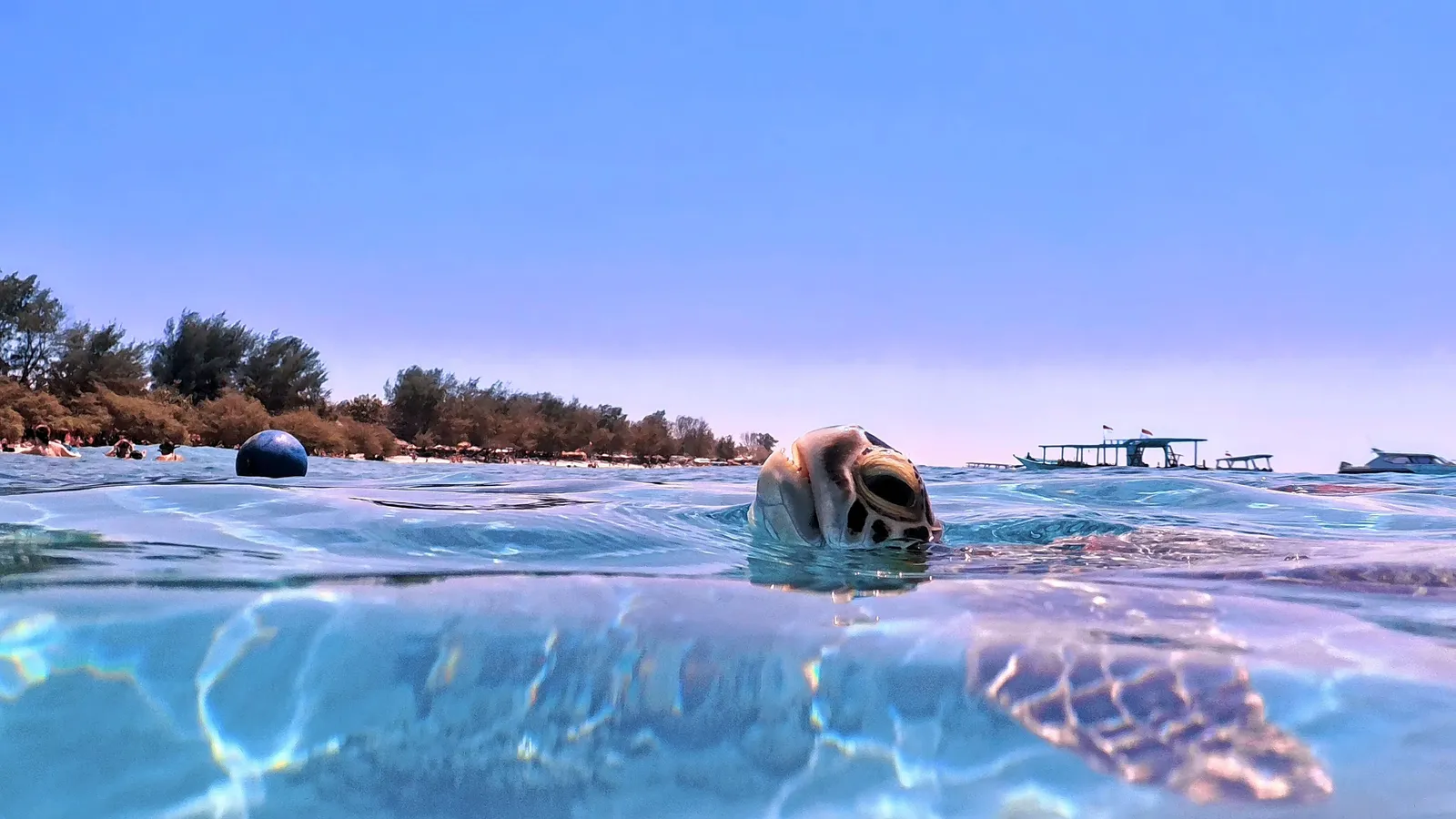
Turtles are the headline attraction, and sightings are common enough directly off the beaches on all three islands that plenty of visitors see one while snorkelling without ever booking a boat. Reef condition is more mixed: past bleaching events and, in places, destructive fishing practices have left sections of coral damaged, and ongoing restoration work, including biorock structures that encourage new coral growth, is gradually rebuilding parts of the reef.
Dive schools are well established, particularly on Trawangan, and a short boat trip to one of the better sites around the islands is worth the extra cost if the house reef alone does not satisfy you.
When to go
The dry season, roughly April to October, is the more reliable window, with calmer seas, more consistent boat schedules and better underwater visibility. The wetter months from November to March bring a real chance of rough crossings and last-minute cancellations, along with occasional heavy downpours, though the islands are far from unbearable during this stretch and prices can dip as a result.
Peak crowds follow the same pattern as the rest of Bali: July, August and the turn of the year see accommodation fill fastest and prices climb, particularly on Trawangan. Shoulder months either side of the dry season often give the best combination of good weather and manageable numbers.
Rooms here sell out before the boats doThe islands are small, the good places are limited, and high season books out well aheadPractical notes
Cash is still worth carrying. ATMs exist on Trawangan and Air but are more limited on Meno, and some smaller guesthouses and warungs do not take cards.
Power and water supply are more basic than on the Bali mainland, particularly on Meno, and it is worth choosing accommodation with reviews that mention reliable electricity if this matters to you.
Pack proper sun protection. Shade is limited away from the main strips, and a day of walking or cycling in the open adds up fast.
Be cautious with anything marketed heavily to tourists on Trawangan’s party strip. Indonesia enforces severe penalties for drugs, including substances sold openly in some bars, and the legal risk is real regardless of how casually it is presented.
For the wider picture of where to get in the water across Bali and the islands around it, from house reefs to full-day boat trips, our guide to snorkelling and diving in Bali covers the operators and the sites beyond just the Gilis.
Before you book the boat
The crossing is the part to plan properly. Fast boats run from several points on Bali’s east coast, they are weather-dependent, and the sea between the islands is rougher than the brochure photographs suggest.
If the trip is a break from the mainland rather than the whole holiday, it works well as a two or three night addition rather than a day trip, which the boat times make impractical anyway. And if you would rather stay on Bali, the eastern side around Tirta Gangga offers the same slower pace without a crossing.