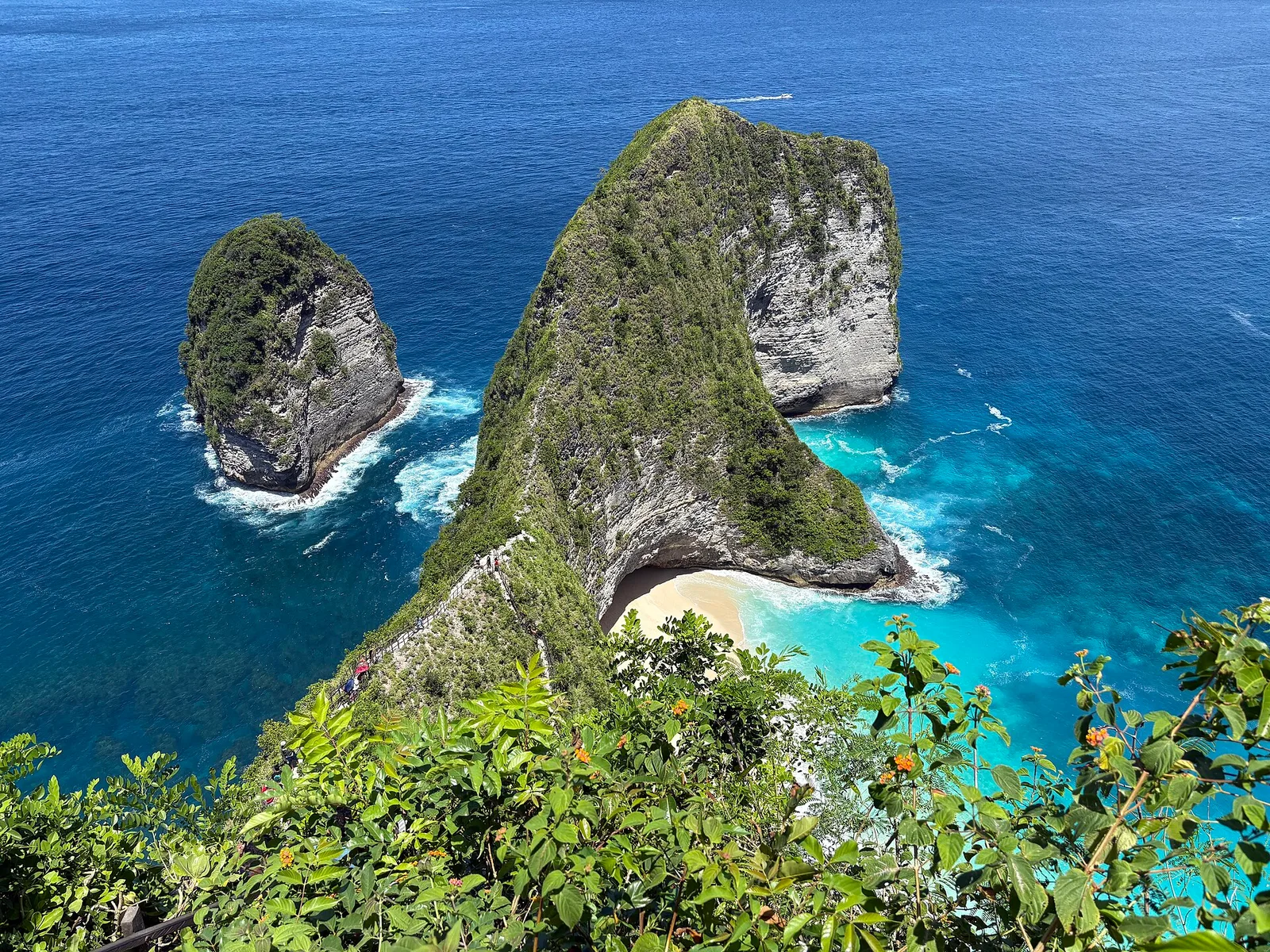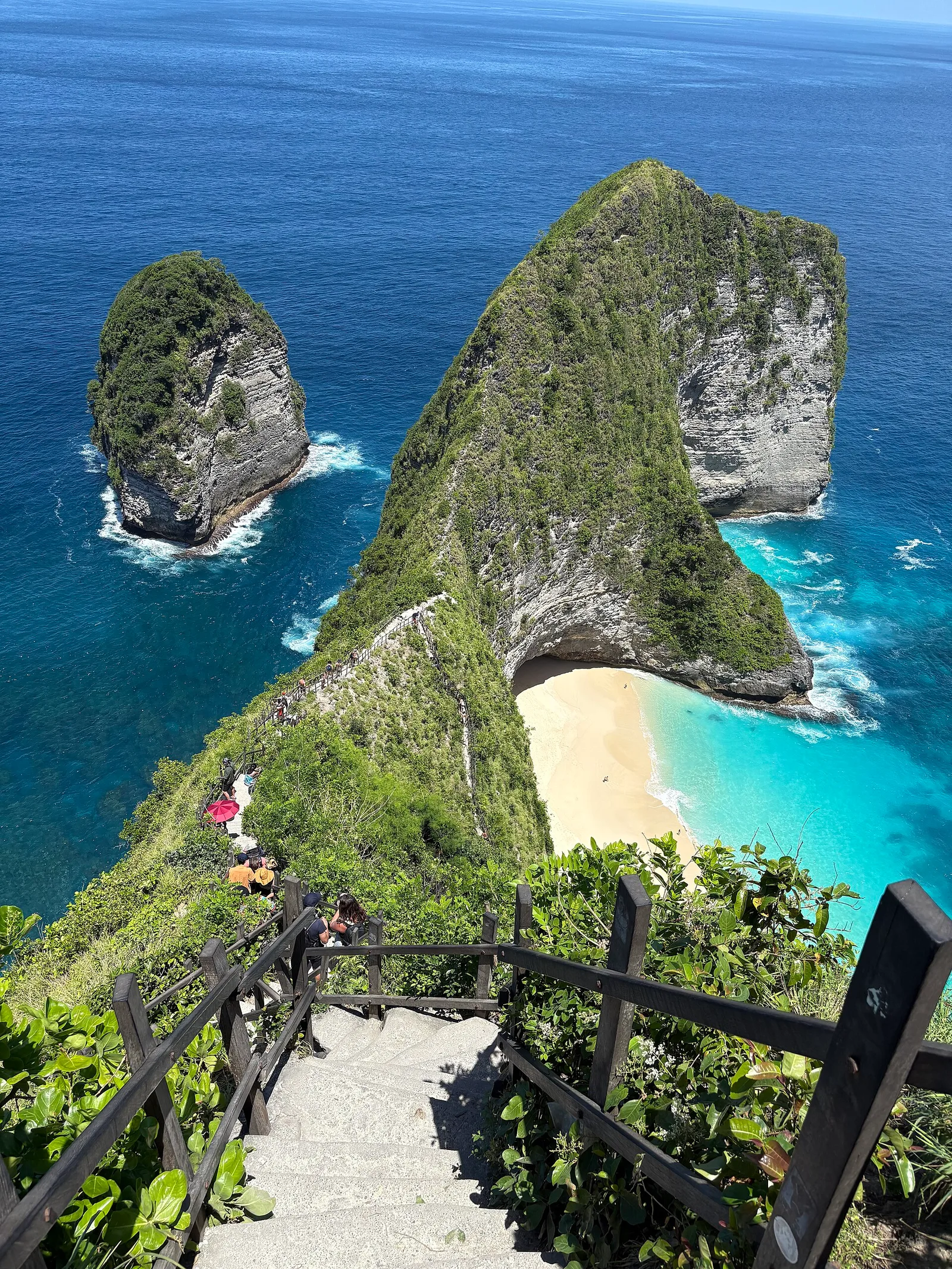
Nusa Penida has produced the single most reproduced photograph in Indonesian tourism, a limestone headland shaped like a dinosaur’s head curving down to a strip of white sand, and it has also produced a large number of disappointed visitors. The reason is almost always the same: they came for the day. Between the boat, the transfers and roads that are genuinely rough, a day tour is mostly transport, and it delivers you to the famous viewpoints at exactly the hour every other tour arrives.
The island
Larger and wilder than expected, with limestone cliffs on the west and south, a drier landscape than Bali and far less development.
Roads are the constraint. Some are fine and some are steep, narrow and broken, and the routes to the western viewpoints are the worst and the busiest.
Distances mislead. A journey that looks like twenty minutes on a map can take an hour.
Facilities are limited compared with Bali: fewer restaurants, patchier power and water, and simpler rooms.
That is also the appeal, and the island at seven in the morning is extraordinary.
The main sights
The famous cliff on the west coast, with the headland and the beach below. The viewpoint is at the top; the descent to the sand is a very steep, exposed scramble that is far harder than it looks and should not be started casually in the heat.
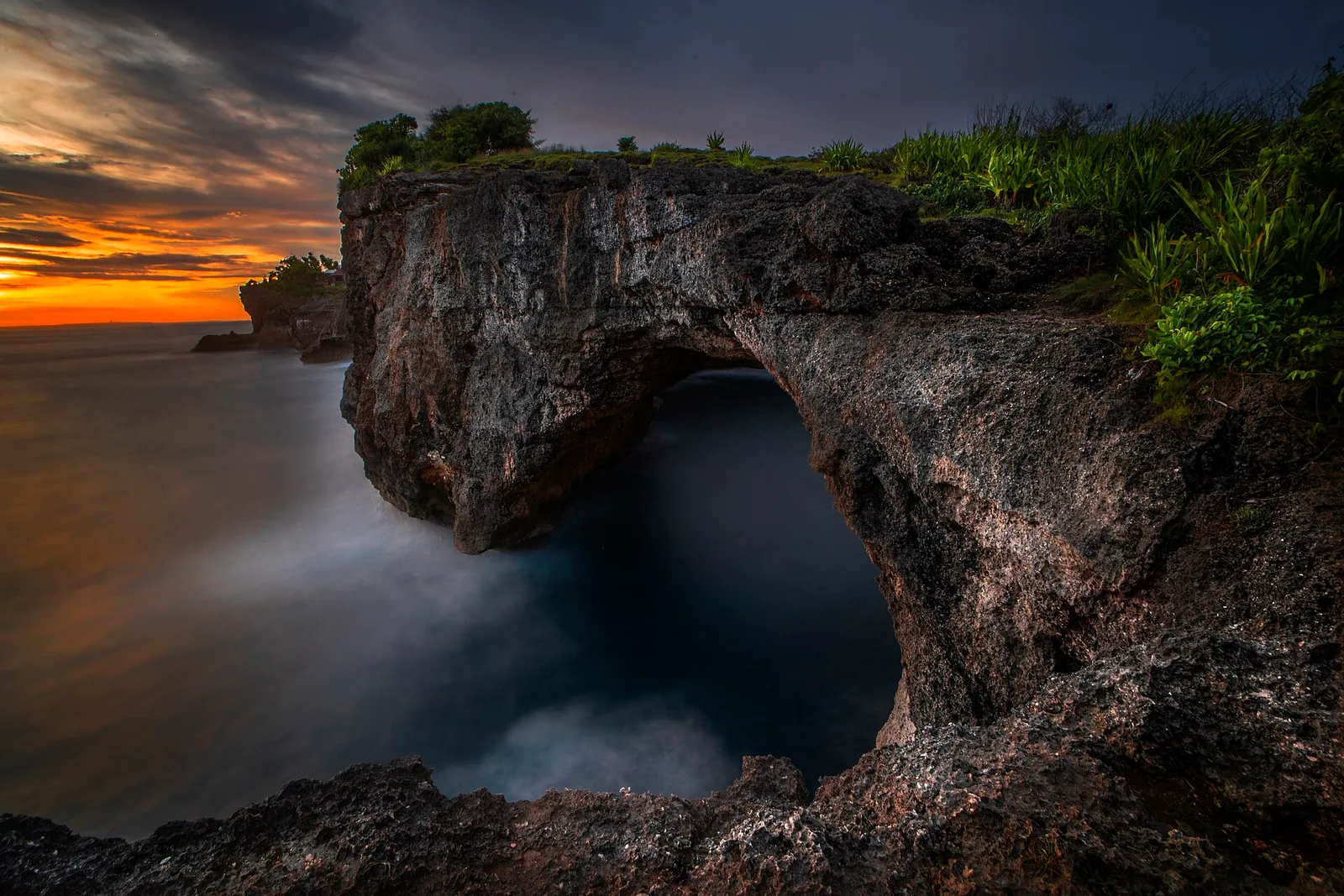
The natural arch on the same coast, a collapsed cliff forming a bridge over the sea, with a walk around the rim.
The beach reached by a long staircase cut into the cliff nearby, which is a serious climb back up.
The eastern viewpoints and beaches, quieter, with a tidal pool and a temple, and a rougher road.
The tree house on the southeast coast, which is a viewpoint and a photograph rather than a destination.
In the water
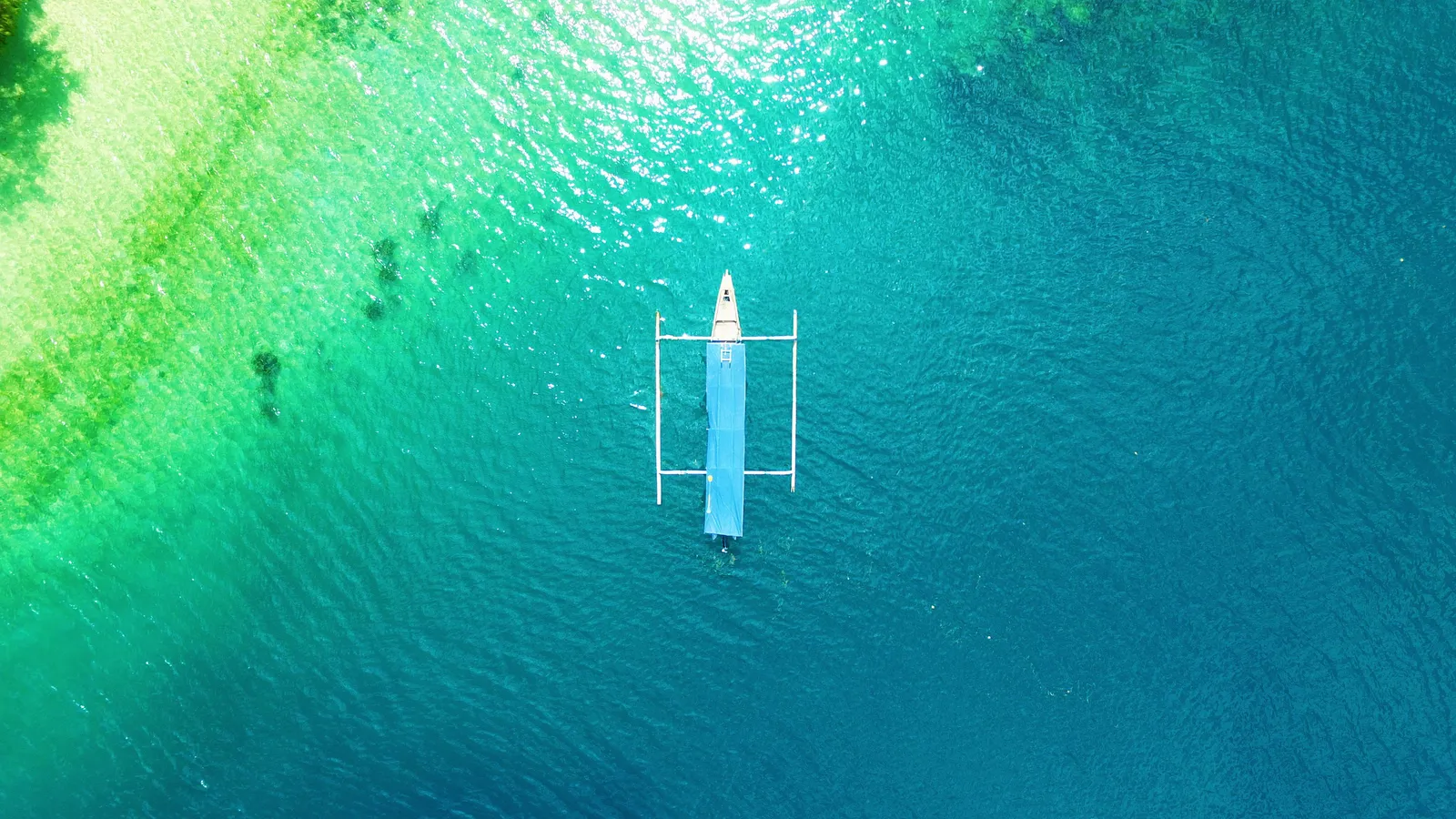
Manta rays at cleaning stations off the south and west, reached by boat, with sightings seasonal and never guaranteed.
Currents are strong at several of the best sites, including the manta points and the channel between the islands, and they are not for weak swimmers. Take the briefing seriously.
Snorkelling trips run from the harbour and typically string together three or four sites.
Diving here is well established and the sites are genuinely good, with cold upwellings that bring unusual species.
Choose the operator on the briefing, not the price, which is the same advice as everywhere and matters more here because of the water.
Practical notes
Book the boat both ways in the busy months, and expect cancellations in rough seas.
Cash matters. Machines exist and are limited, and many places do not take cards.
Bring water and sun cover, since the viewpoints are exposed and there is little shade.
Shoes with grip, because every good thing here is at the bottom or the top of something steep.
Respect the drops. The cliff edges are unfenced, the rock is friable in places, and people have died taking photographs here.
Where this fits in a Bali trip
Nusa Penida is a two or three night extension rather than an afternoon, and it pairs naturally with its smaller neighbour.
Our guide to Nusa Lembongan covers the flatter, easier, more relaxed island next door, which is a good landing after Penida’s roads.
For how a longer Bali trip fits together and where the islands sit in it, our ten-day Bali itinerary covers the shape.
And for the practical cautions that apply across the island, including the scooter question and the rental deposit rule, our guide to safety and scams in Bali covers what actually happens.
The short version
Stay two nights rather than taking a day tour, because the boat and the roads eat a day trip alive. Hire a driver instead of a scooter, since the roads here are the roughest most visitors will meet. See the western viewpoints at seven in the morning when they are empty rather than at eleven when the whole fleet arrives. Take the descent to the famous beach seriously or skip it. Book a snorkelling trip for the mantas, listen to the current briefing, carry cash and water, and stay back from the unfenced edges.