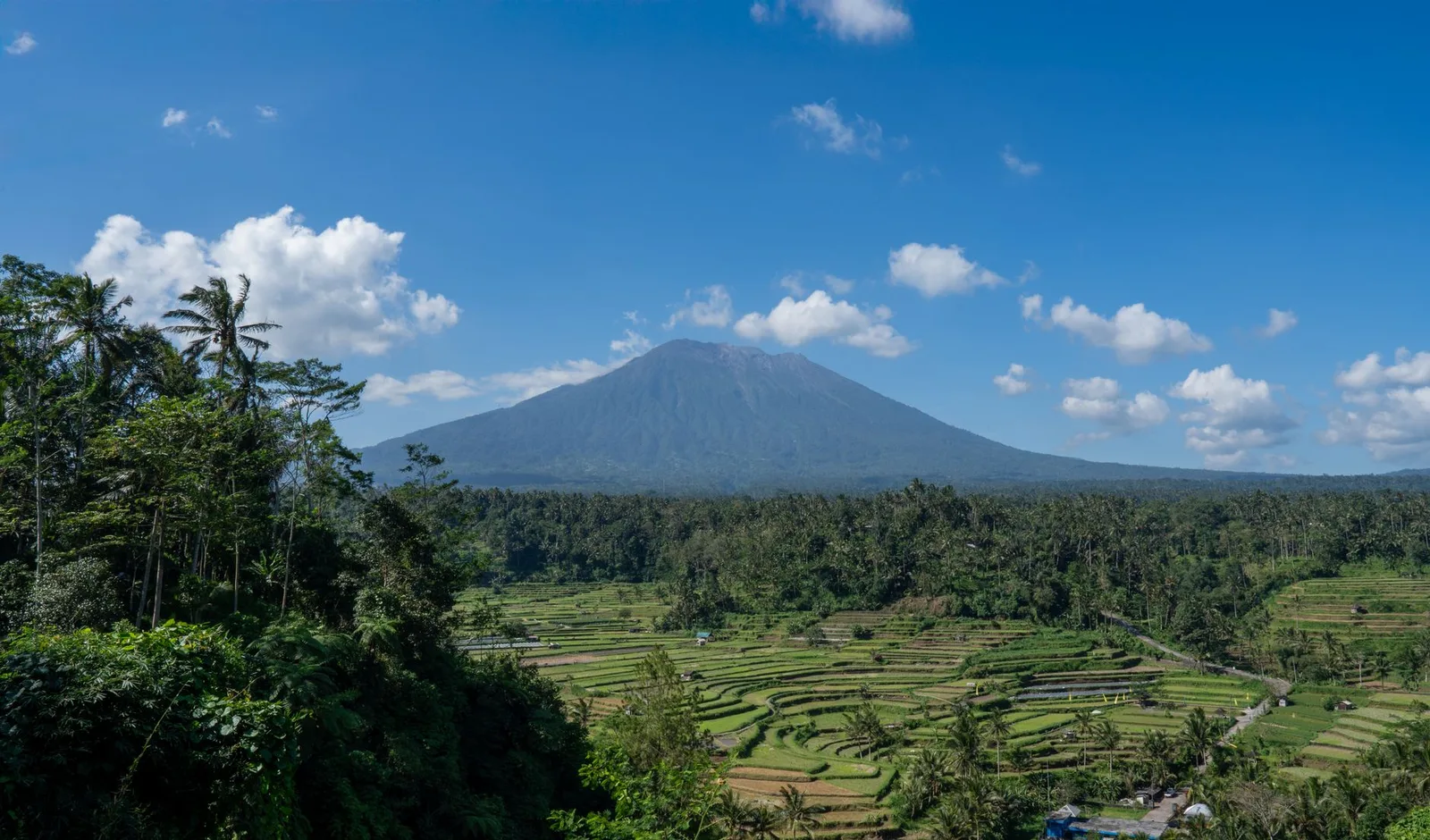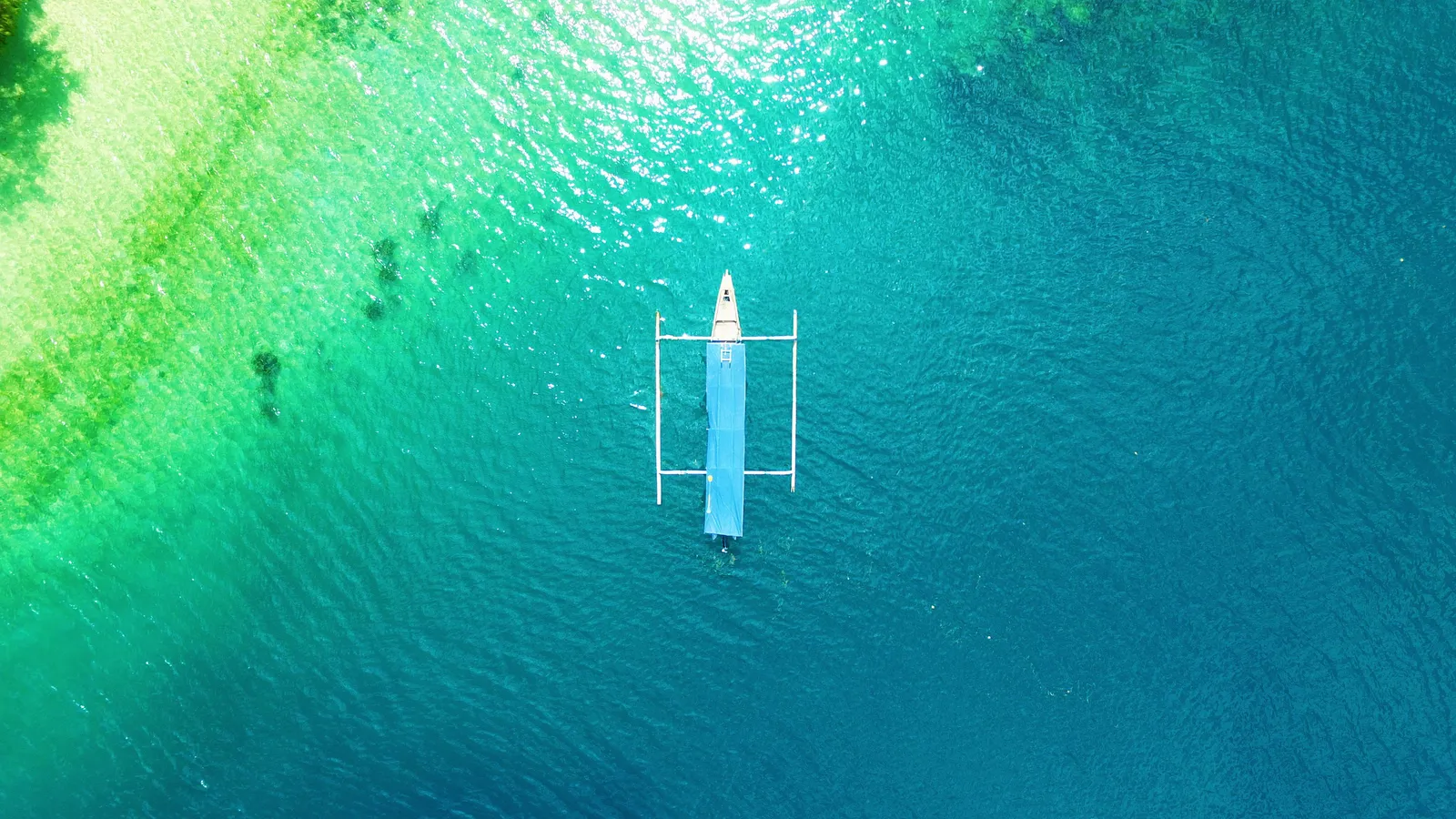
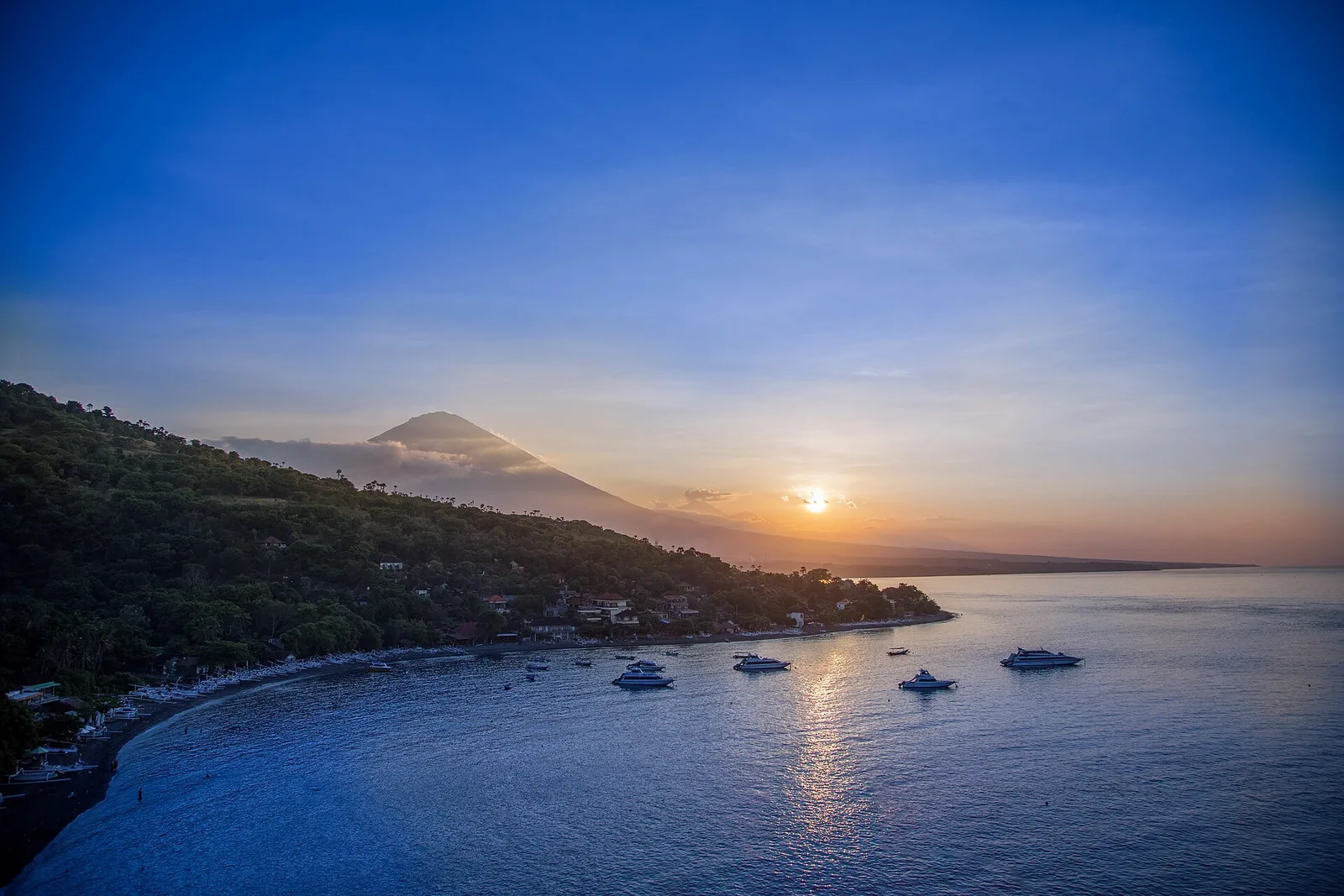
Amed is not one village but a string of them along Bali’s dry eastern coast, with black volcanic sand, calm water, brightly painted outrigger fishing boats drawn up on every beach, and the island’s largest volcano standing behind. It has almost no nightlife, very little shopping and no beach club, and it has the best shore diving in Bali. That combination sorts visitors quickly into people who love it and people who leave after a day.
The coast
Dry and rugged, in the rain shadow of the volcano, with hills coming down to a rocky shoreline rather than a coastal plain.
Black sand and pebble beaches, small, calm and beautiful in a stark way rather than a tropical one.
Fishing villages strung along the coast road for several kilometres, each with a cluster of guesthouses and a warung or two.
Salt production still happens in the traditional way in places along this coast.
The volcano dominates the view inland and is visible from most of the water.
In the water
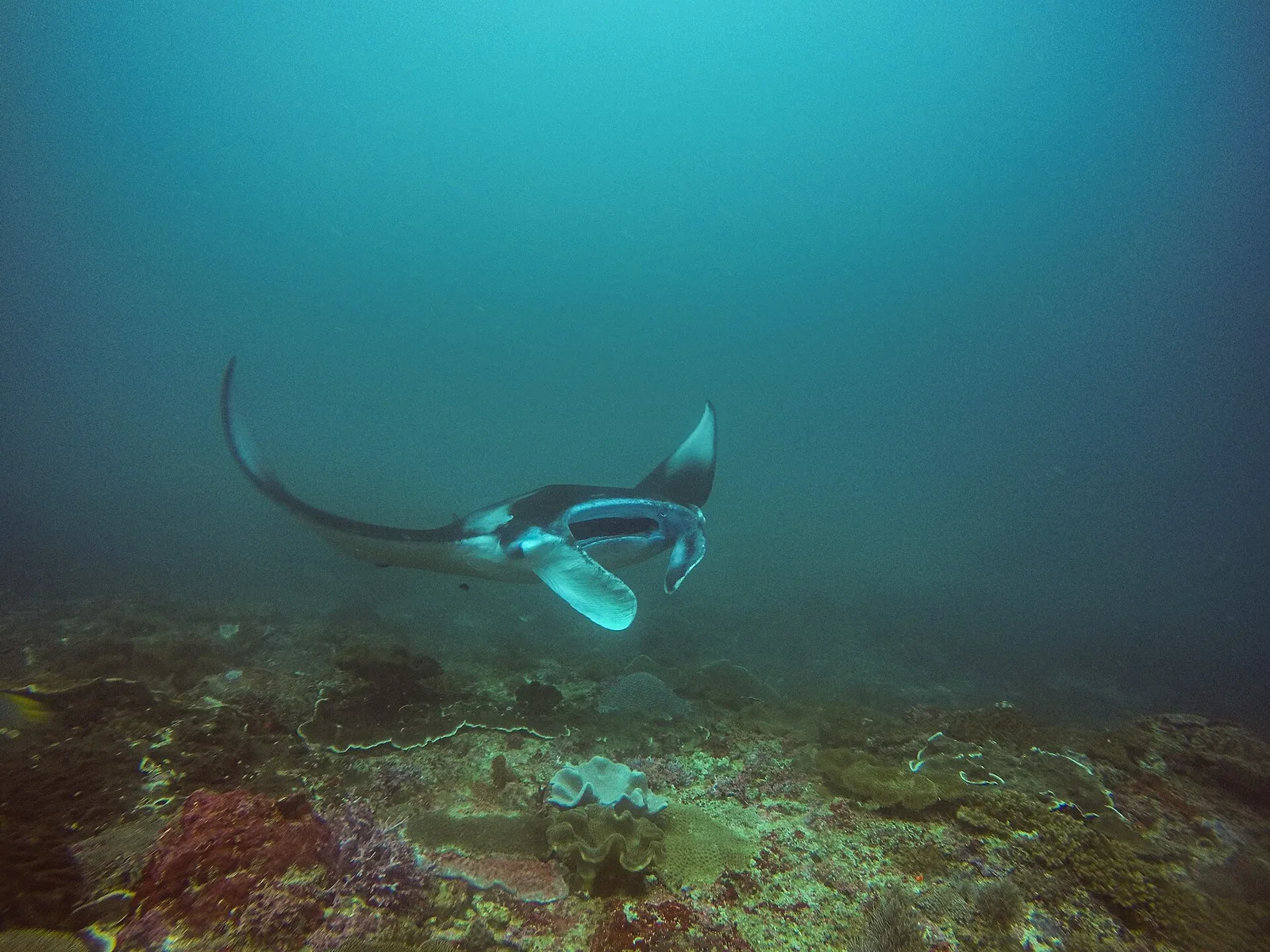
The wreck, a short drive north along the coast, is the reason many people come: a large ship lying in shallow water very close to the beach, covered in coral and reachable by snorkellers as well as divers.
Shore entry is the norm here rather than boat diving, which makes everything cheaper and more flexible.
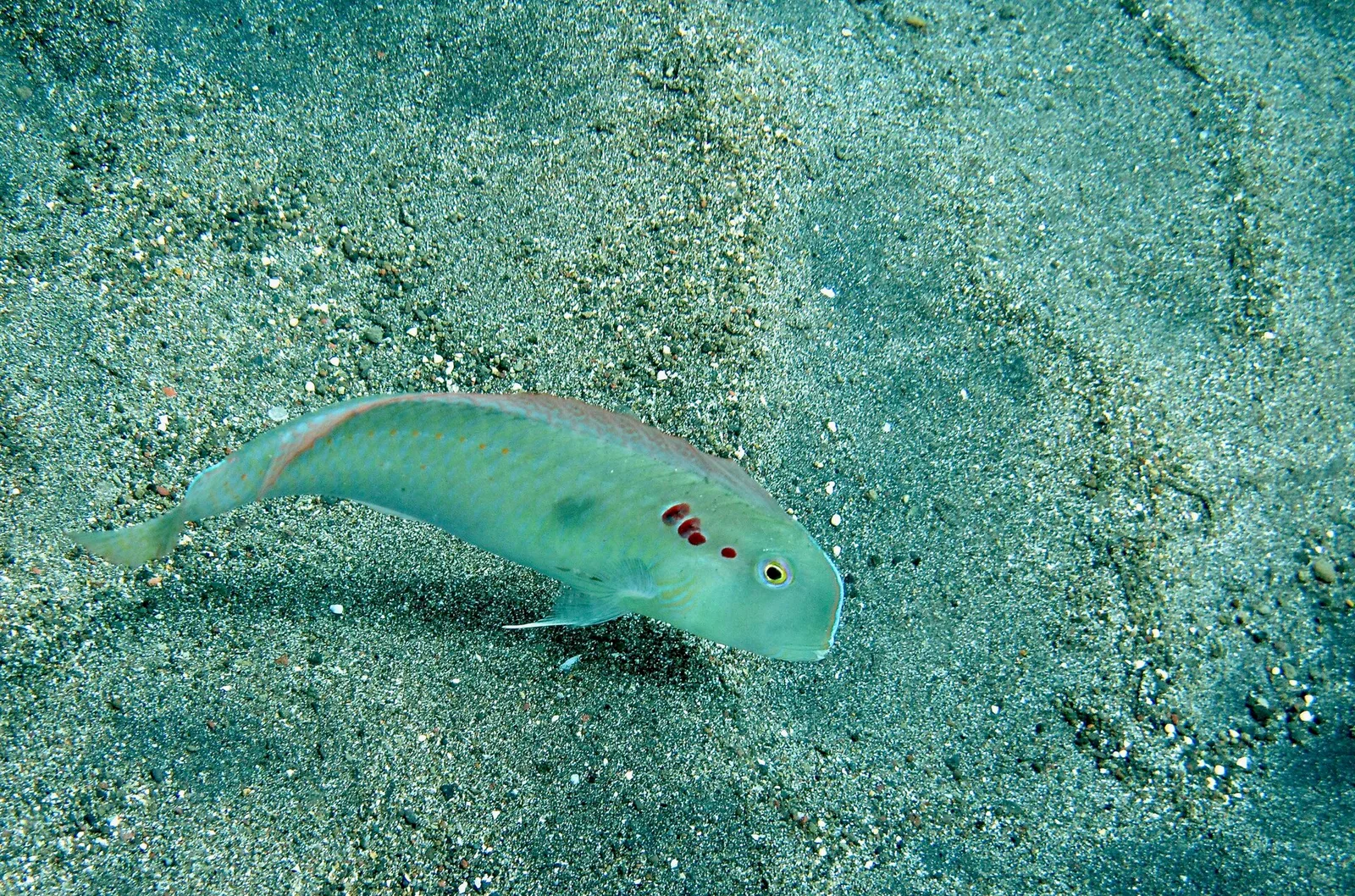
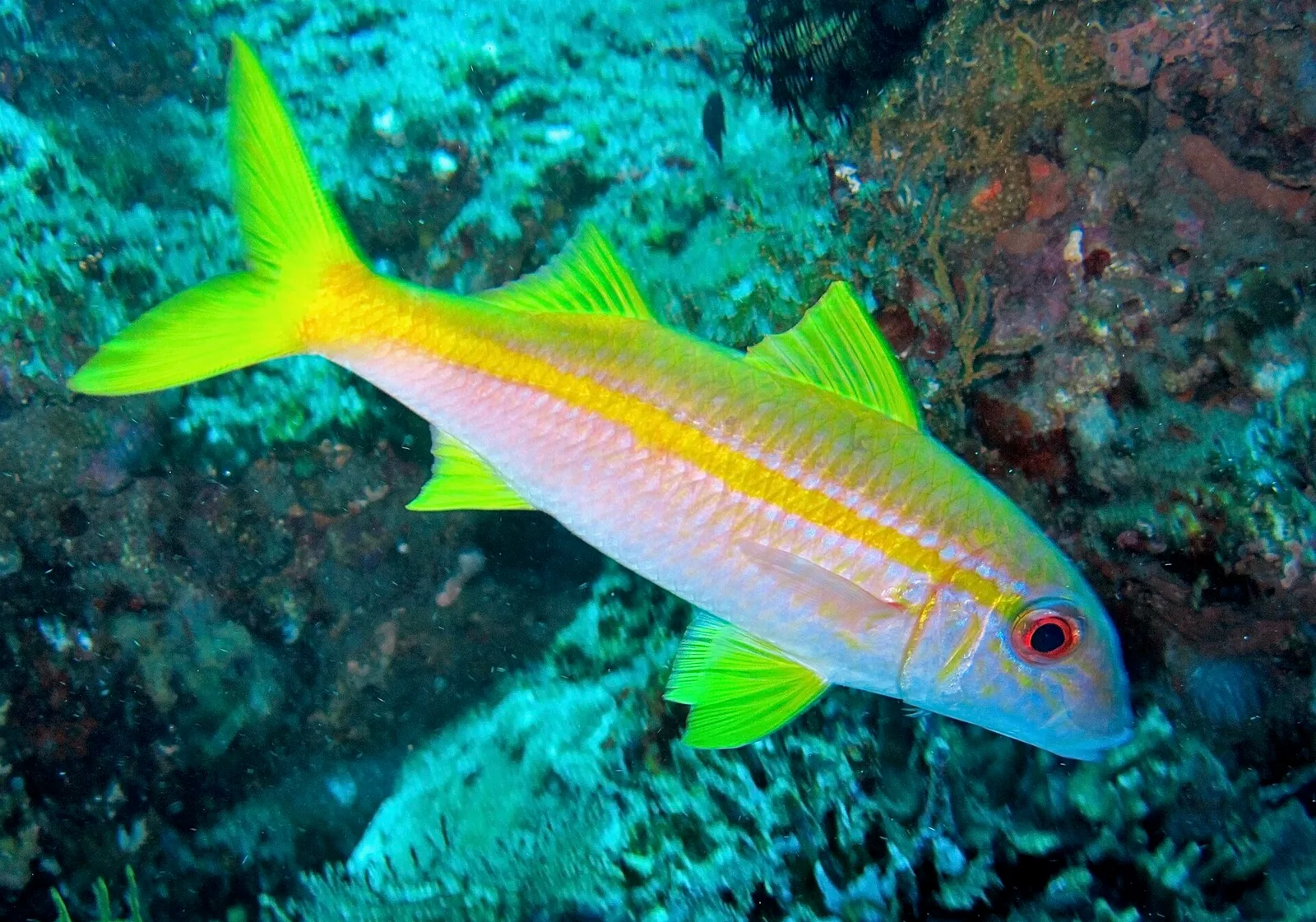
Coral gardens and drop-offs along the Amed coast itself, several of them a short swim from the sand.
Freediving has a real community here, with schools and courses.
Early is best, before the day groups arrive from the south and before the afternoon wind.
Above the water
Sunrise over the sea on this coast, which is the opposite of Bali’s famous west coast sunsets and considerably quieter.
A jukung trip at dawn with a local fisherman, out to the reef and back, which is inexpensive and the best hour here.
The hills behind, with viewpoints, small temples and a road that climbs towards the volcano.
A water palace and a ruined palace a short drive along the coast, both worth a morning.
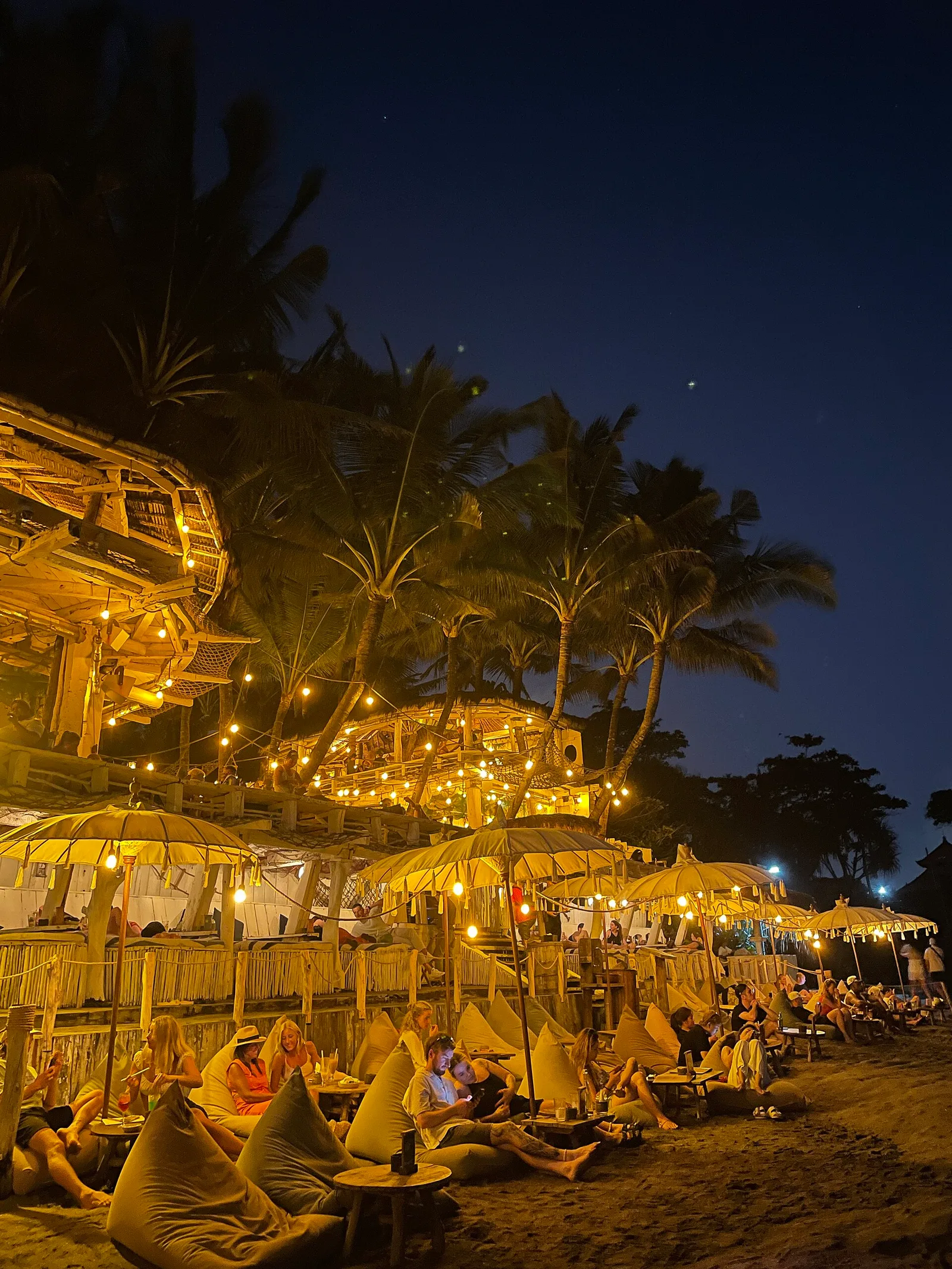
Very little else, which is either the appeal or the problem.
Practical notes
Reef shoes are close to essential, for the stony entries and the sea urchins.
Cash is easier than cards along the coast, and machines are limited.
Restaurants are simple and cheap, mostly warungs and guesthouse kitchens.
Scooters are the standard transport and the coast road is winding with steep sections.
Bring what you need, since the shops here are small.
Insurance and diving need checking together, since a great many travel policies exclude scuba or cap the depth.
Where this fits in a Bali trip
Amed is the quiet end of an itinerary rather than the centre of one.
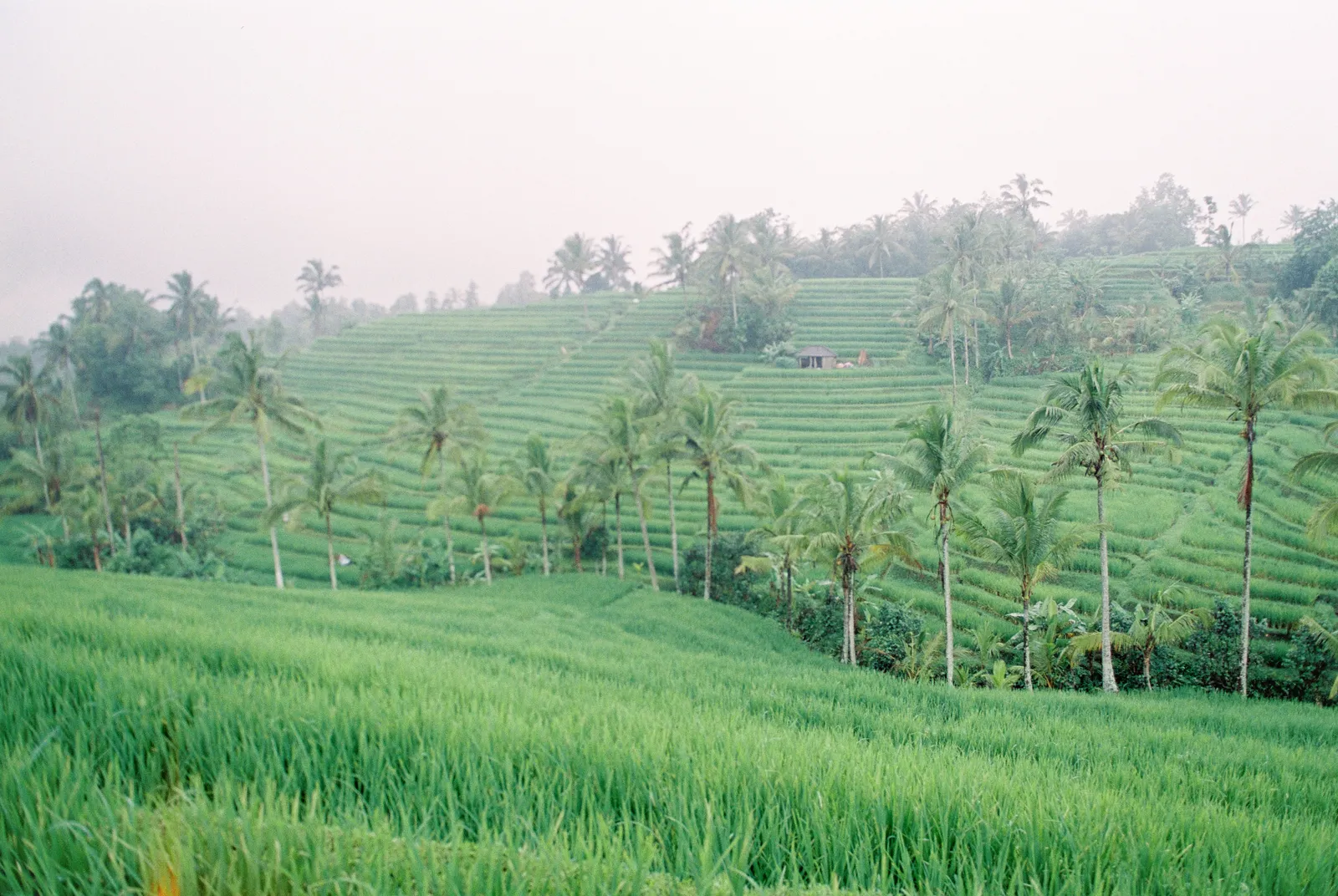
It pairs naturally with the inland valleys south of the volcano, and our guide to Sidemen covers the rice terrace country that makes a good second half of an eastern loop.
For the sites, the operators and the practicalities of getting in the water across the island, our guide to snorkelling and diving in Bali covers the whole picture.
And for the rest of the coastline, from the surf beaches of the south to the calm bays elsewhere, our guide to the best beaches in Bali covers where to swim.
The short version
Come to Amed for the water and the quiet, and not for sand or nightlife. Stay two or three nights locally rather than day-tripping from the south, and get to the wreck at first light when it is empty. Dive or snorkel from the shore, which is what makes this coast cheap and flexible. Take reef shoes for the stony entries. Go out at dawn on a fisherman’s boat. And pair it with the inland valleys rather than trying to squeeze it between two busy southern beach towns.