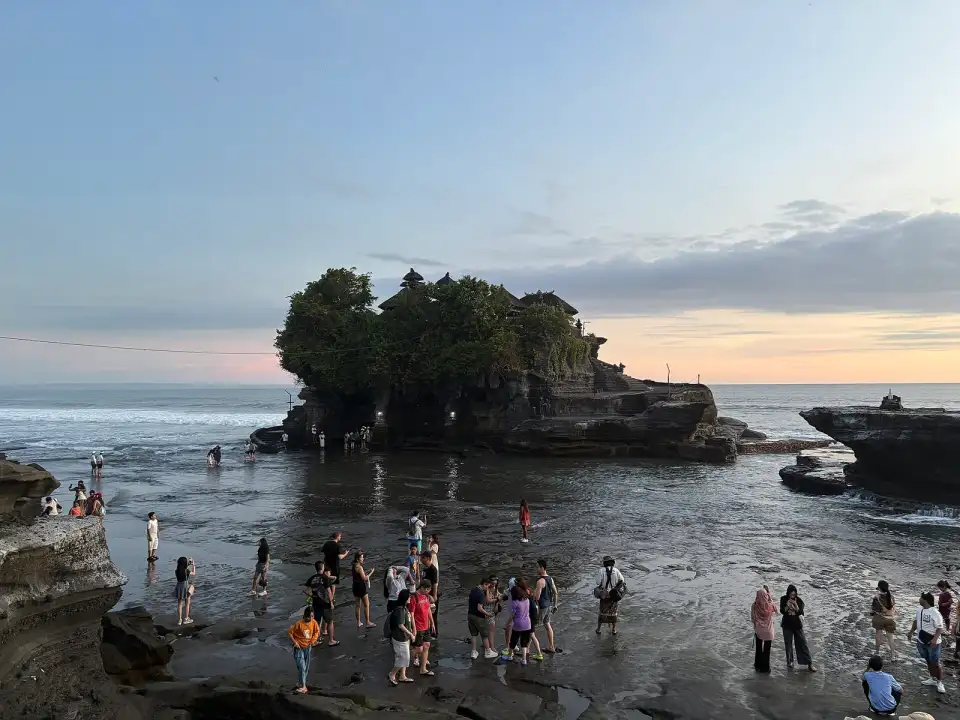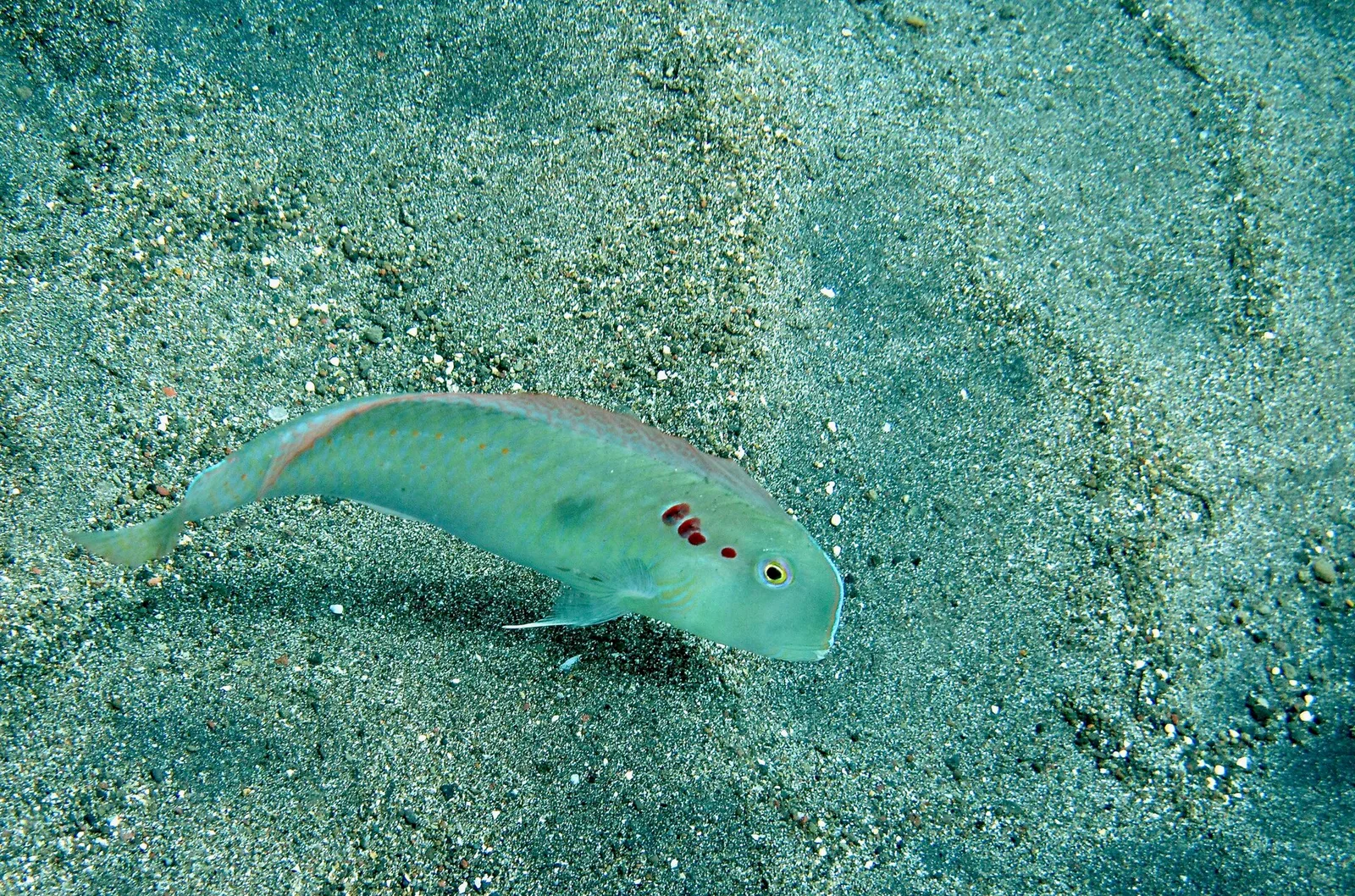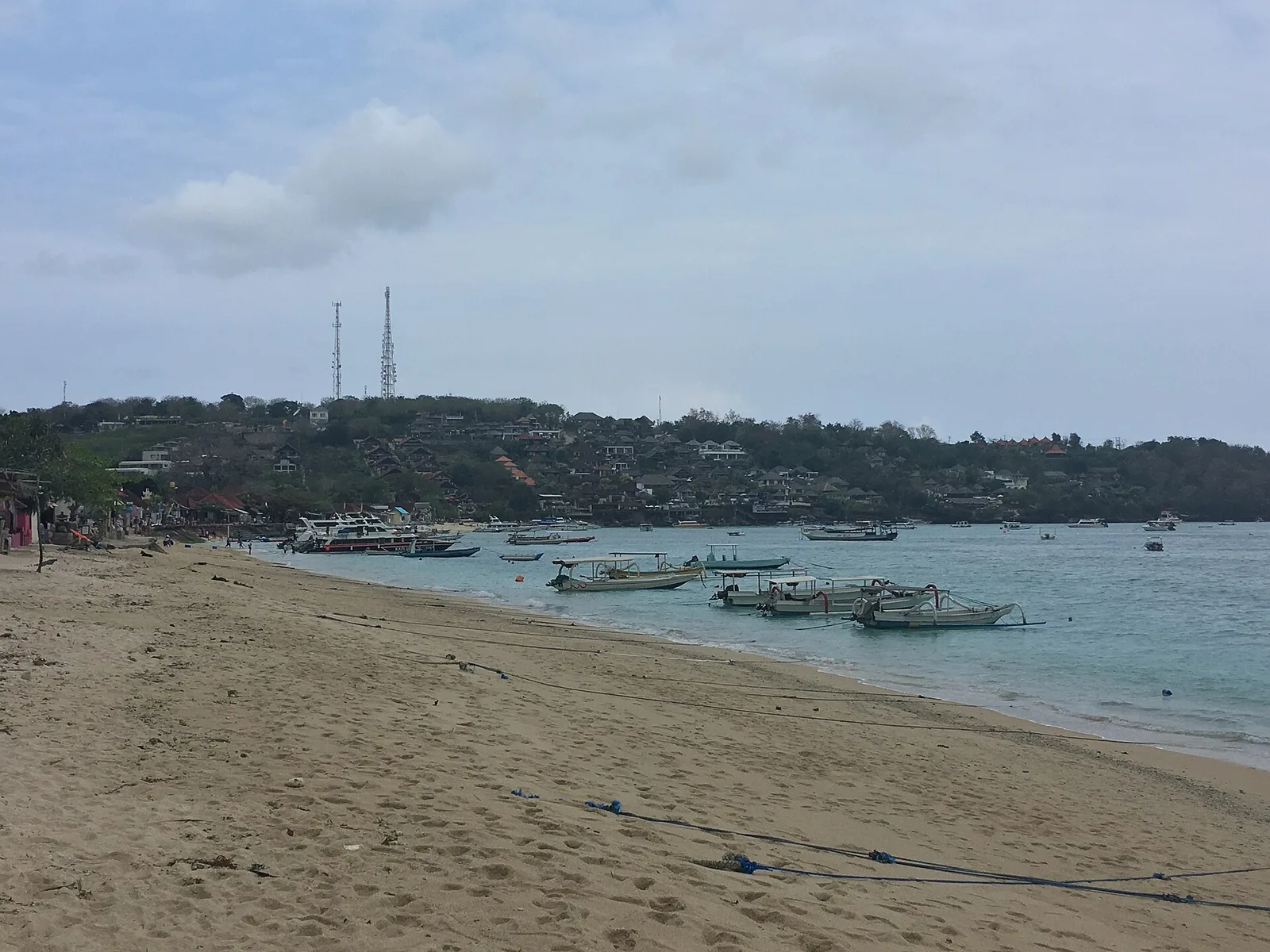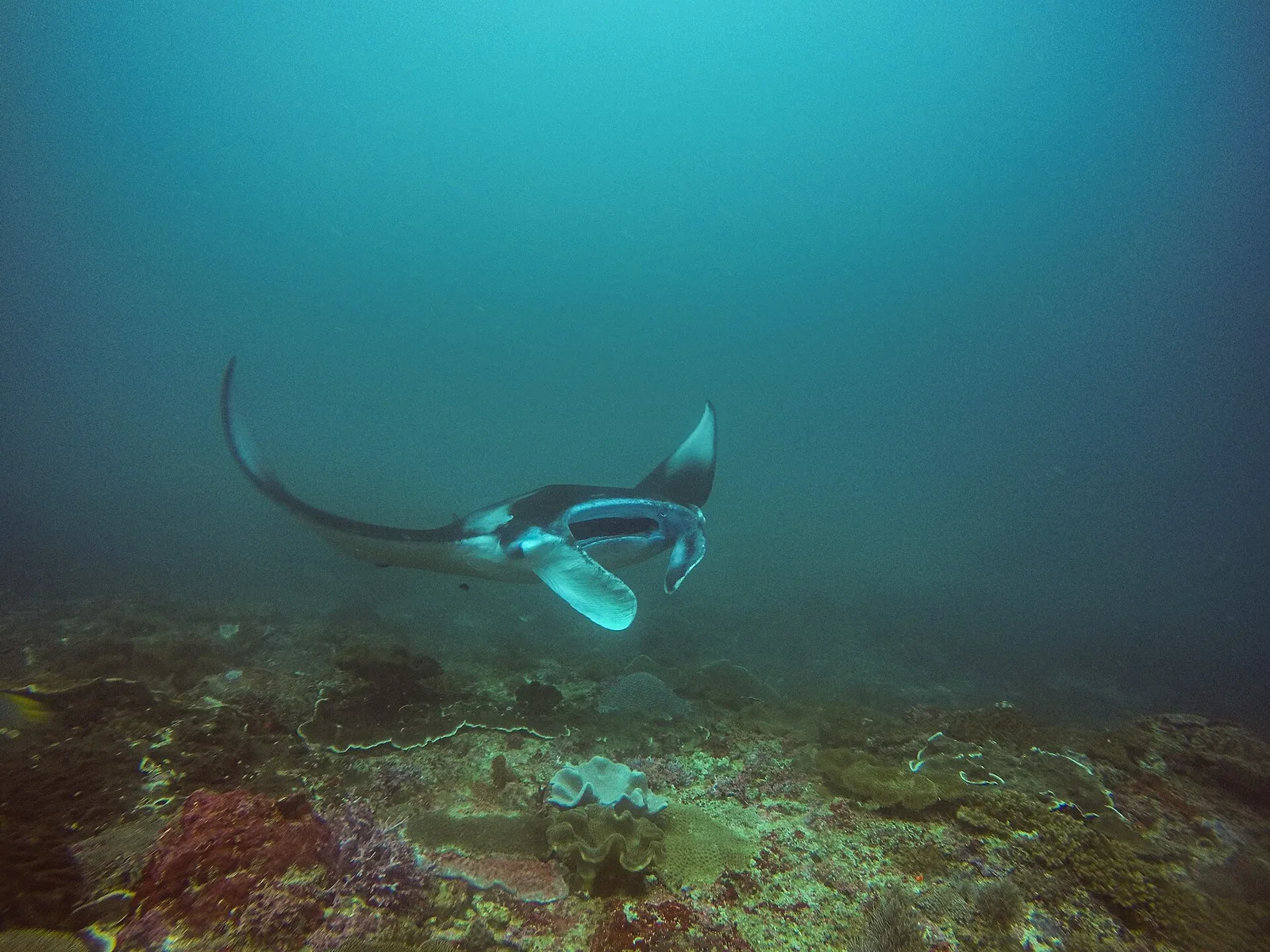
Bali has a genuinely varied set of things to get into the water for: a large shipwreck lying so close to the beach that snorkellers can see most of it, manta cleaning stations off the islands to the southeast, drift dives in a cold channel that experienced divers travel for, and a small marine reserve in the northwest with the healthiest coral on the island. What it does not have is uniform conditions, and the gap between the easiest and the hardest site here is wider than most visitors expect from one small island.
The main areas
The east coast. Shore diving and snorkelling, calm, shallow, cheap, and home to the wreck. The best place in Bali to learn and the easiest to enjoy without a boat. Our guide to Amed covers the coast and where to stay on it.
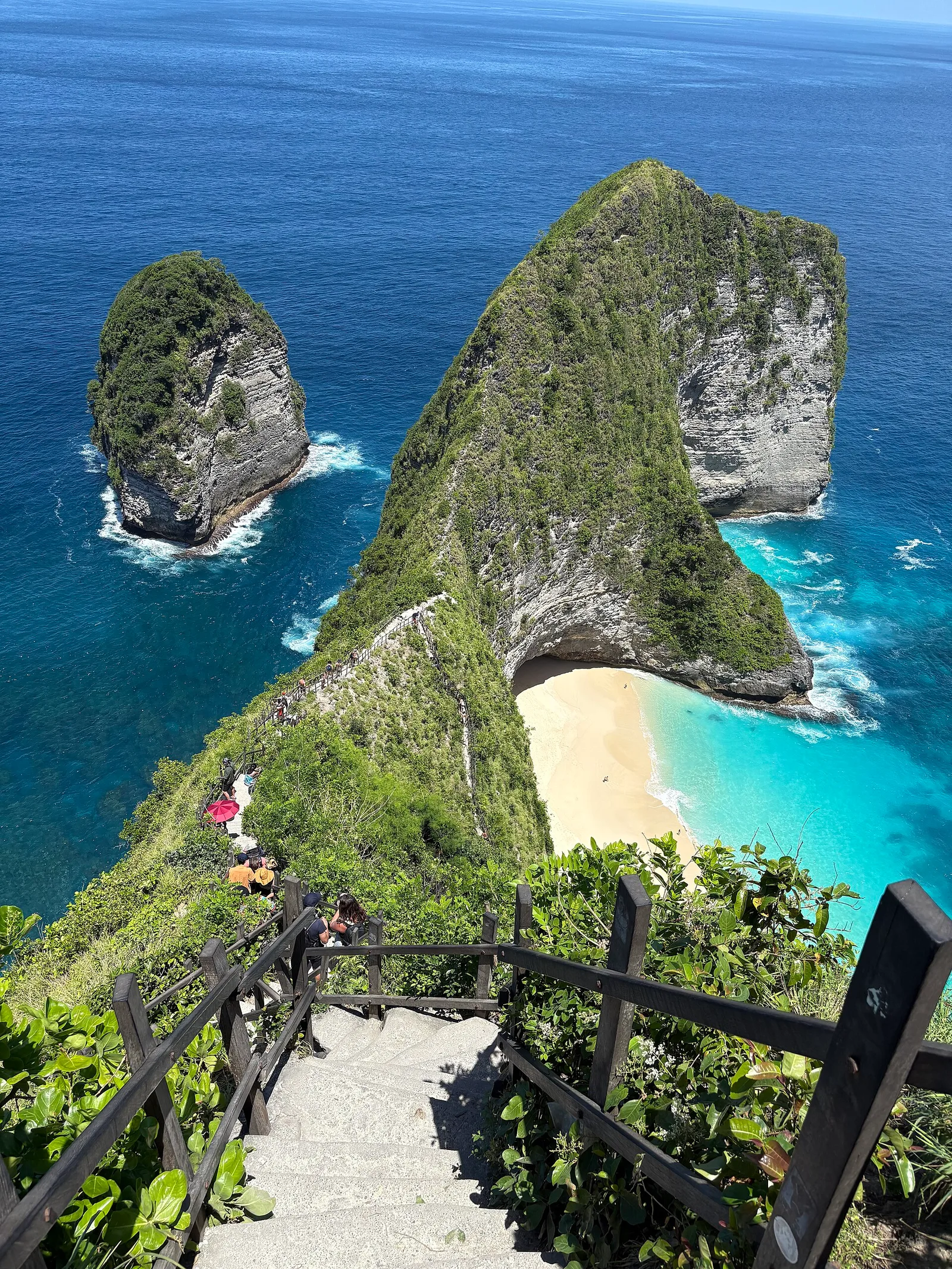
The southeastern islands. Manta cleaning stations, dramatic drop-offs and cold-water species, with strong currents and cool upwelling. Spectacular and demanding. Our guide to Nusa Lembongan covers the base for it.
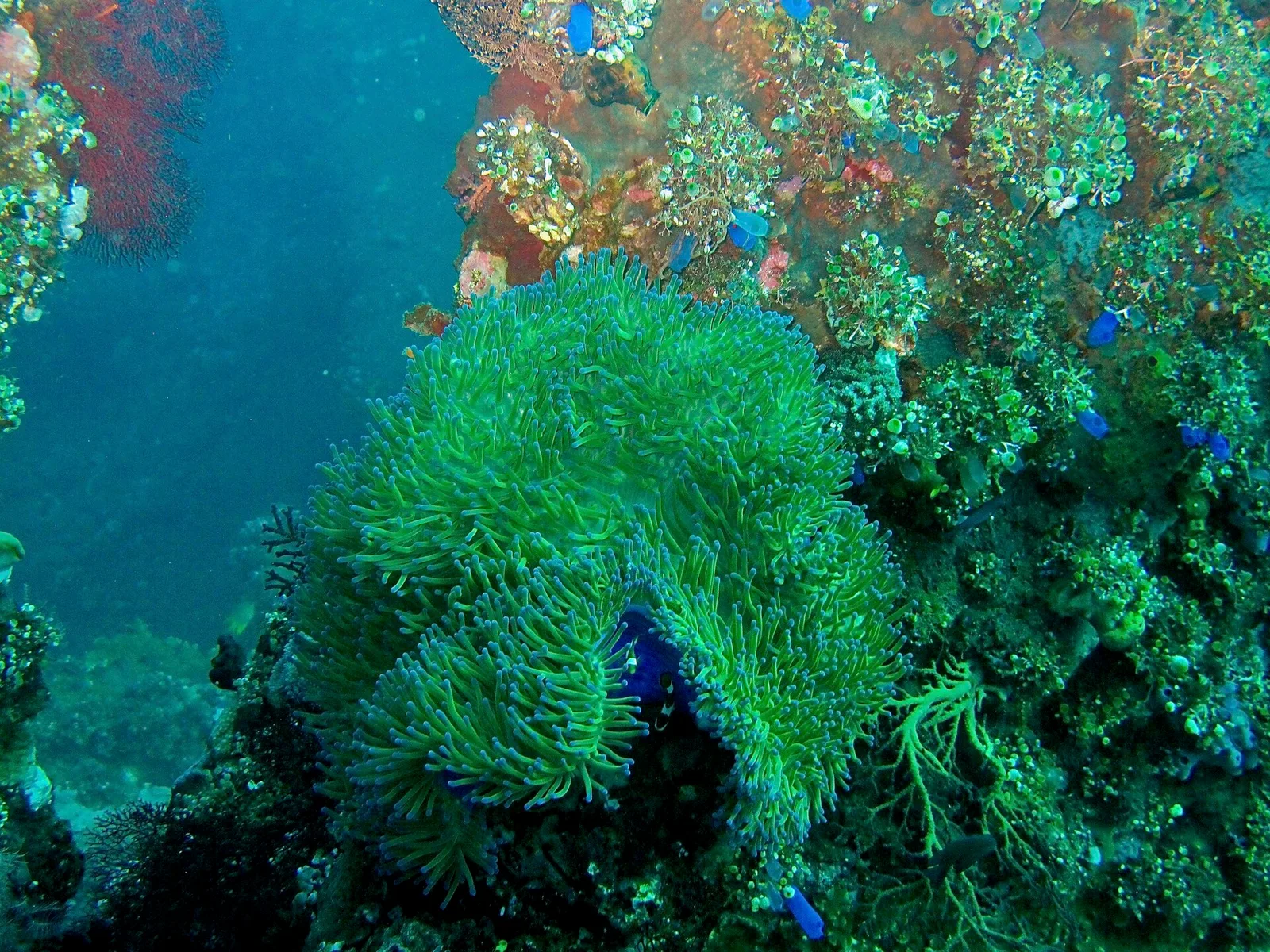
The northwest reserve. A small island in a marine park with the healthiest shallow reef around Bali, excellent for snorkellers as well as divers, and a long drive from the south.
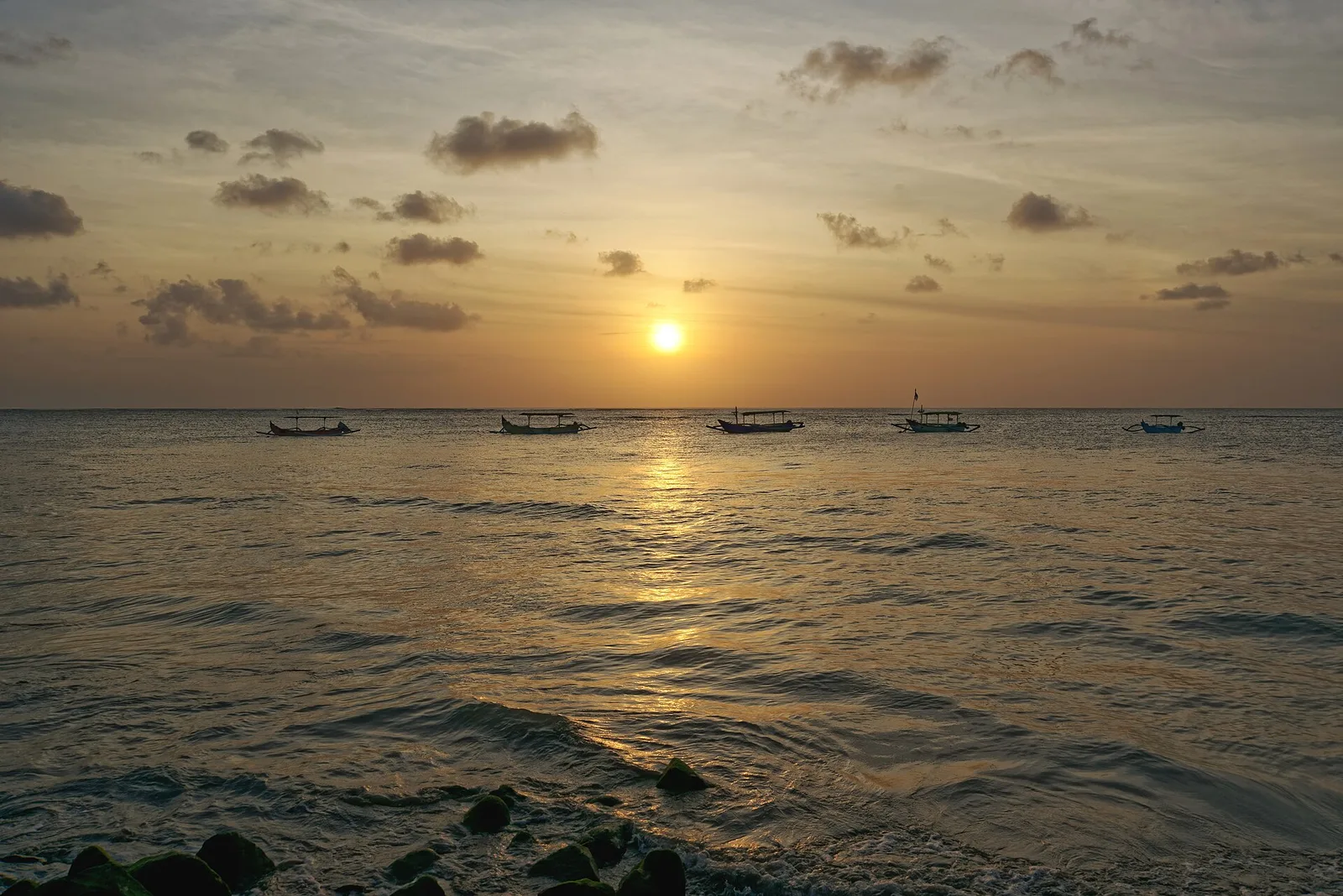
The north coast. Calm, quiet, easy sites with black sand and coral gardens, and very few people.
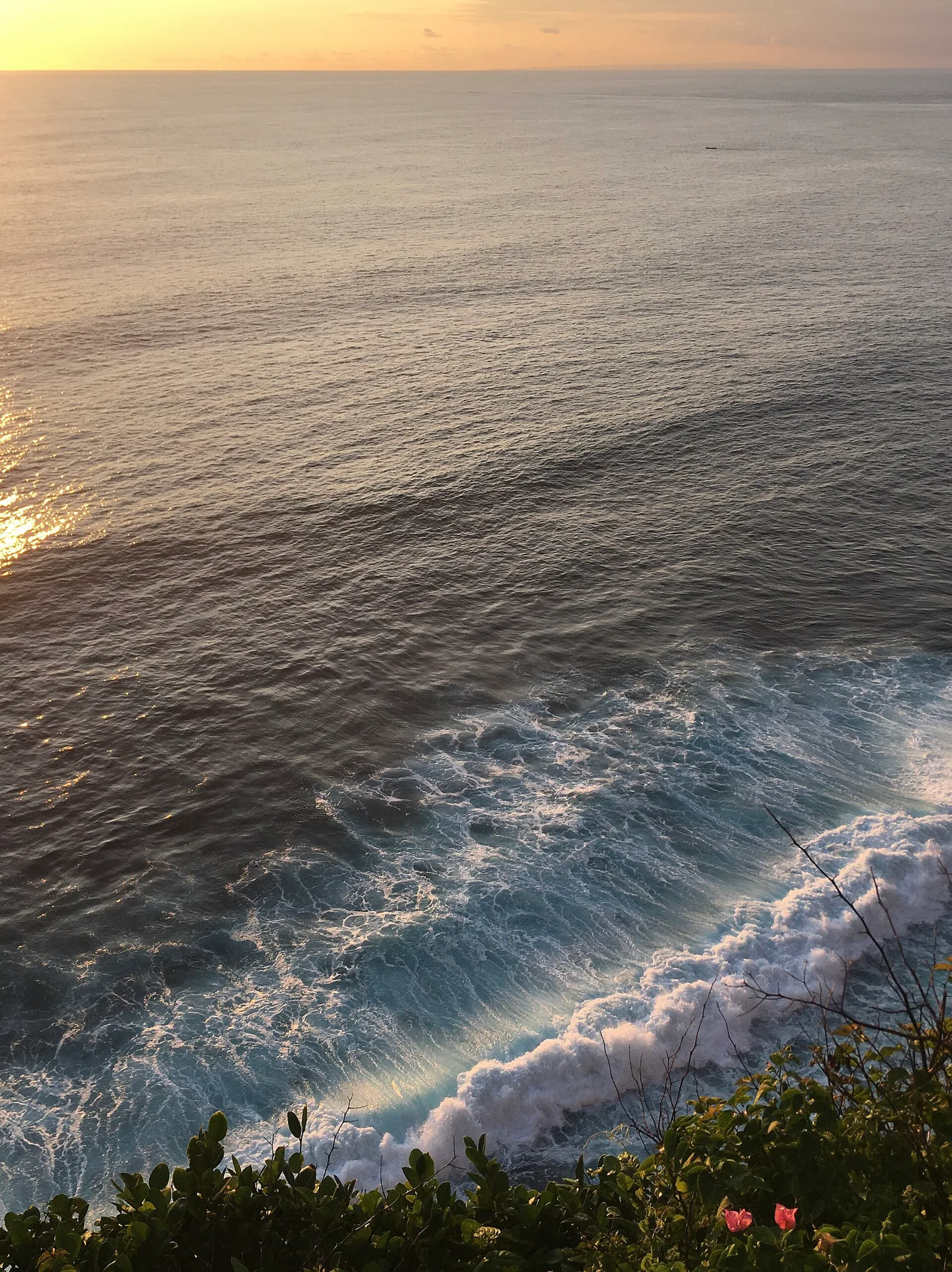
The south. Surf, not snorkelling. This surprises people who booked a beach in the south and packed a mask.
The wreck
A large ship lying on a slope on the east coast, its shallow end within a few metres of the surface and close to the beach.
Snorkellers see a great deal of it, which is unusual for a wreck of this size.
Shore entry over rounded stones, which is the awkward part.
Extremely busy from mid-morning with day groups from the south, and empty at first light.
Suitable for new divers on the shallow sections, with deeper structure for the experienced.
For snorkellers specifically
Go where a boat or a guide takes you, rather than swimming off an unknown beach.
The wreck at dawn is the single best snorkel in Bali.
The northwest reserve for shallow healthy coral.
The east coast reefs, several a short swim from the sand.
Reef shoes for stony entries and urchins.
Never snorkel alone on a coast with current, which is most of the good ones.
Practical notes
Courses are widely available and Bali is good value for certification, with the east coast the most comfortable place to do it.
Insurance needs checking specifically for scuba, since many policies exclude it.
Do not fly too soon after diving, and build the recommended surface interval into your itinerary rather than discovering it the night before.
Reef-safe sunscreen, or better, a rash vest instead of sunscreen.
Do not touch anything, which covers coral, turtles and mantas alike, and is also how you avoid most stings.
Cash for shore-based operators on the east and north coasts.
Where this fits in a Bali trip
The good water is on the east, the north and the offshore islands, which is the opposite side of the island from most first-trip accommodation.
For the beaches generally, including where to swim rather than dive, our guide to the best beaches in Bali covers the coastline.
And the two island bases that put you closest to the mantas and the channel are the small pair off the southeast coast, where the boats leave from the north shore.
The short version
Match the site to your experience, because Bali runs from a shallow calm wreck a snorkeller can enjoy to a cold channel with serious current. Learn and snorkel on the east coast, where entry is from the beach and the wreck is the best thing in the water here, and go at dawn before the day groups. Save the southeastern manta and channel sites for when you are comfortable, and choose the operator on how they brief rather than what they charge. Check your insurance covers diving, do not fly too soon afterwards, and do not touch anything.