Bali built its modern reputation on waves, and the waves that built it are not the ones most visitors should be surfing. The famous southwest reef breaks are fast, hollow and powerful, breaking over shallow coral with entries through caves and exits across rock, and they hurt people who are not ready for them every week. There is also a long coast of forgiving sand-bottomed beach breaks where thousands of people learn every year. Knowing which is which, and being honest about where you belong, is the whole of surfing safely here.
The two kinds of wave
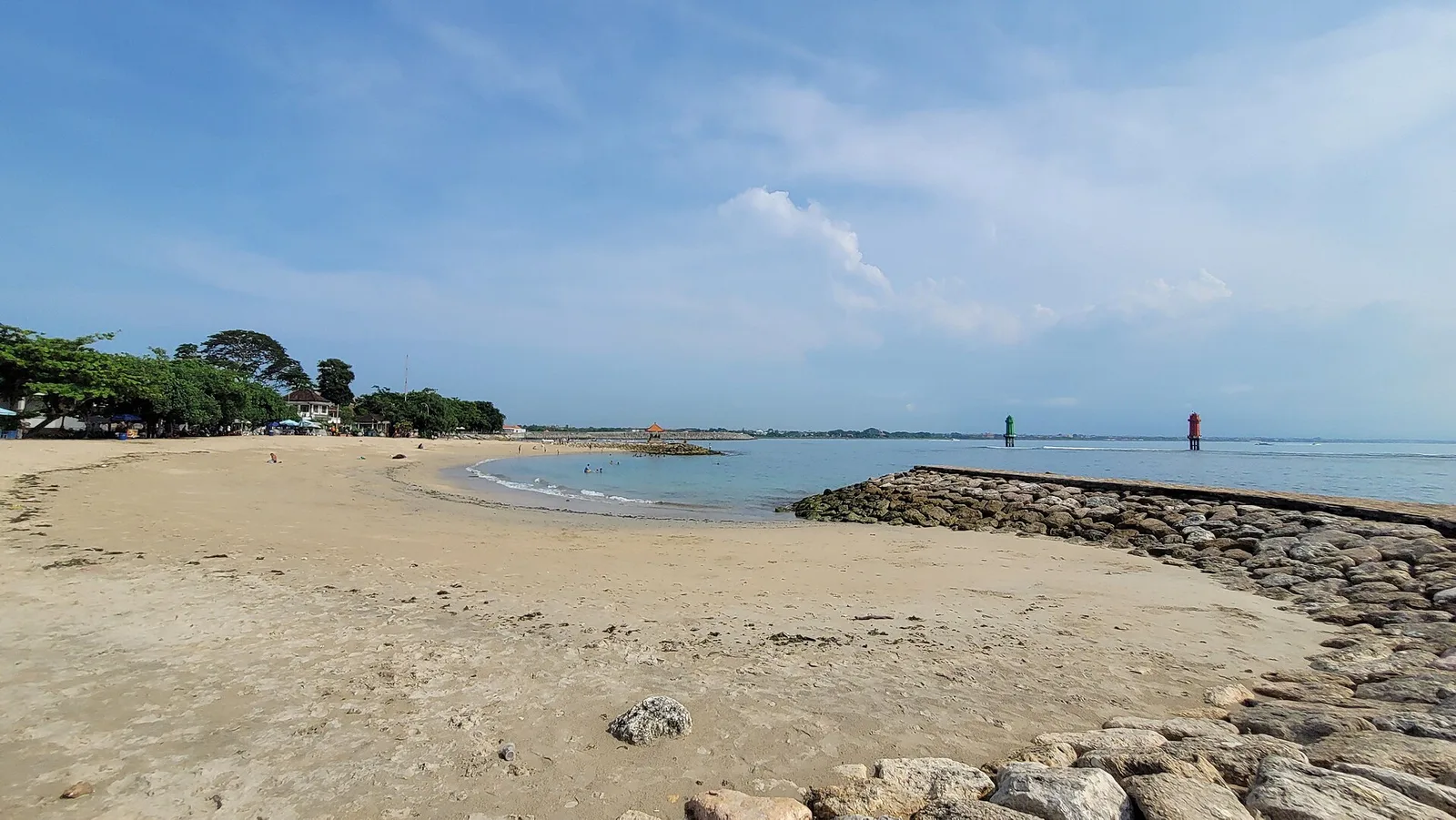
Beach breaks form over sand, shift with the sandbanks, and forgive a bad fall. This is where beginners and improvers belong, and the west coast north of the airport is full of them.
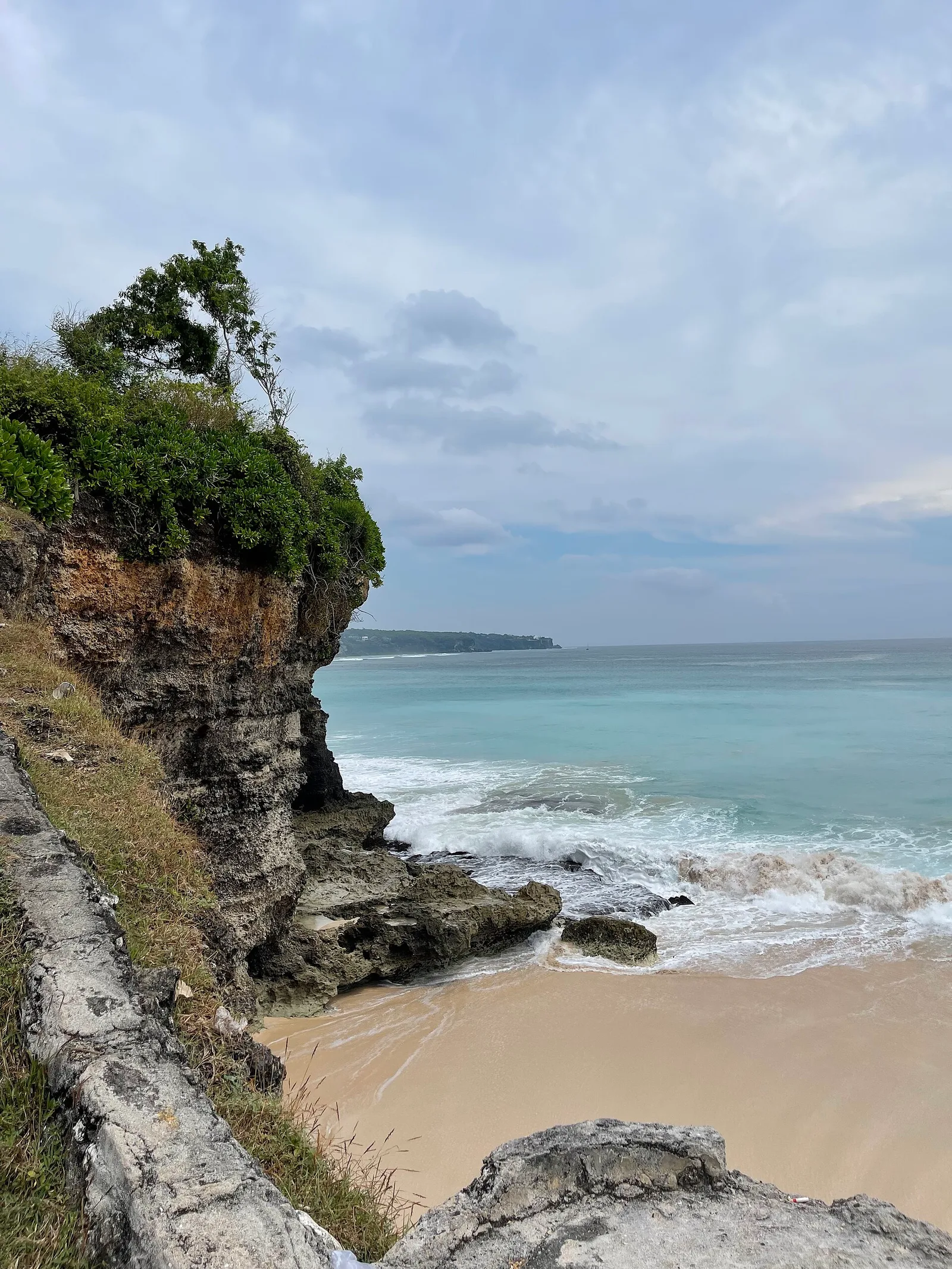
Reef breaks form over coral or rock, are more consistent and considerably more powerful, and punish mistakes with cuts and worse. The southwest peninsula is a chain of them and they are world class.
The difference is what is under you rather than what the wave looks like from the beach, which is exactly why visitors misjudge it.
Where to surf, by level
Beginner. The long sandy beaches on the west coast, with schools, soft boards and whitewater, and no coral anywhere near you.
Improving. The same beaches on a bigger day, or the more forgiving reef and point setups on the east and southeast coasts.
Intermediate. The peninsula breaks on a small clean day, with somebody who knows the entries, plus the reefs off the offshore islands.
Advanced. The famous southwest reefs on a proper swell, which is what people fly here for.
Everyone. The east coast in the wet season, when the west is blown out.
The hazards that matter
The reef. Sharp, shallow at low tide, and responsible for most Bali surf injuries. Cuts infect quickly in warm water and need cleaning properly rather than a plaster.
Currents and rips, which at several breaks are the mechanism that gets you out and the one that will not let you back.
Crowded line-ups with surfers of very mixed ability and no shared etiquette, which produces collisions.
Sea urchins on rocky entries.
Low tide turning a workable break into exposed coral.
Practical notes
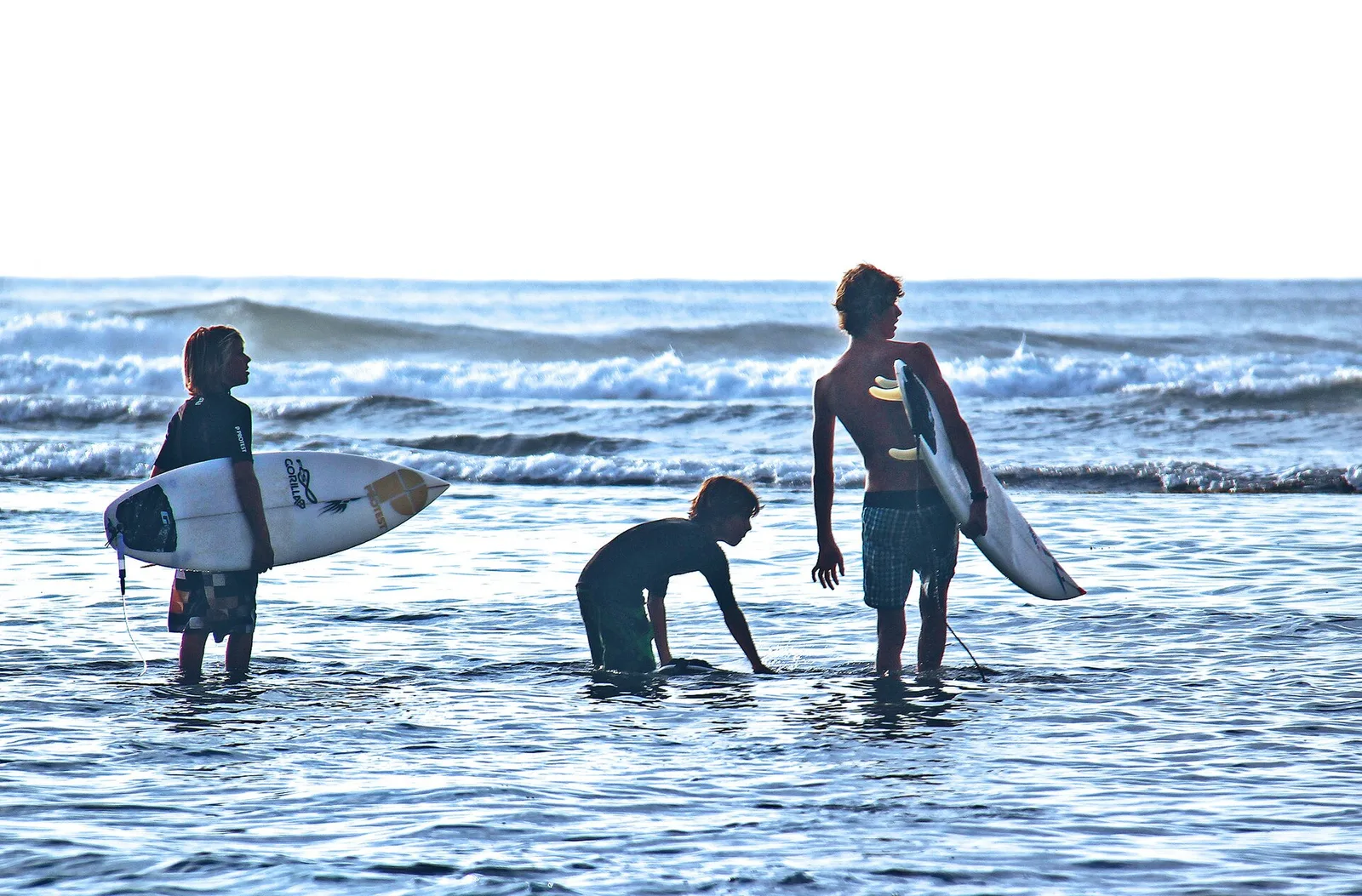
Board hire is available everywhere and is cheap; a soft board for learning and a proper board later.
Reef boots for reef entries, which help with the walk more than the wave.
Sun protection on the water is the thing people neglect most.
Go early. Morning offshore winds are the good hours on the west coast, and the crowds build through the day.
Ask locally which break is working and at what tide, every single day, because it changes.
Respect the line-up. Do not drop in, do not paddle through the peak, and give way to the surfer already on the wave.
Where this fits
If you have never surfed, start on the sand rather than the reef, and our guide to surfing in Bali for beginners covers the schools, the beaches and what a first lesson is like.
For the coastline in general, including where to swim rather than surf and which beaches are calm, our guide to the best beaches in Bali covers the whole island.
And for the other thing the same coast is known for, our guide to Bali’s beach clubs covers the sunset end of a surf day.
The short version
Be honest about your level, because Bali’s famous waves break over shallow coral and hurt people every week. Learn and improve on the sand-bottomed beach breaks up the west coast, and treat the southwest reefs as something to work towards rather than to try. Ask which coast is working this week, since the wind reverses with the seasons and swaps the two sides of the island. Surf early, wear sun protection and reef boots where they help, clean any coral cut properly, and check that your insurance covers surfing before you paddle out.