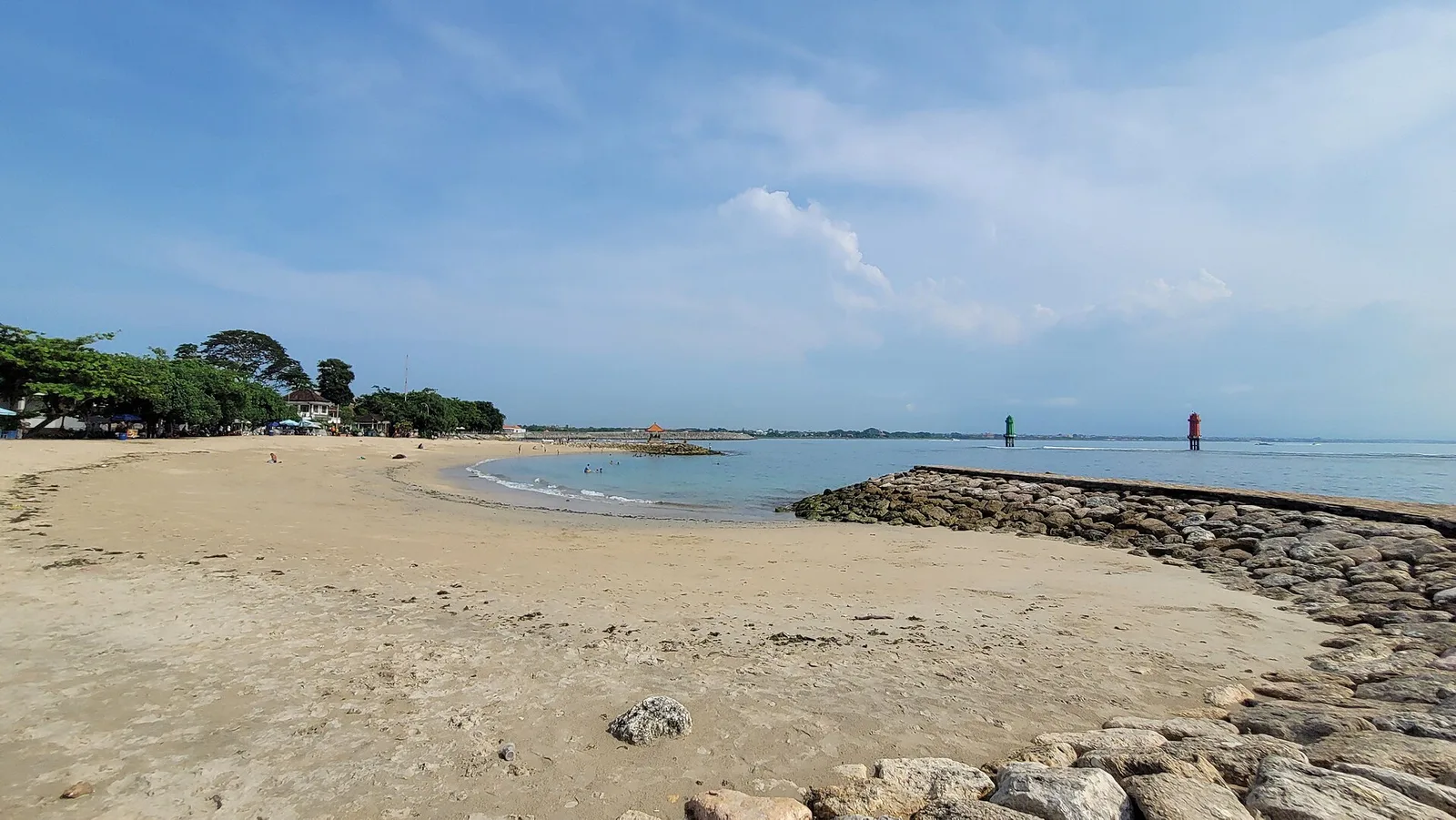
Sanur is the part of Bali that nobody posts about and a great many people quietly rebook. It was the island’s first resort area, it faces east, and a reef offshore keeps the ocean at a distance, which produces the one thing the famous coast does not have: water you can simply swim in. It is calm, flat, well fed and unfashionable. For a large share of visitors it is the right answer and they only find out on the second trip.
What Sanur is
A long, low-rise stretch of the east coast, facing the Lombok strait, with a reef offshore and a shallow lagoon inside it.
A paved beachfront path running for several kilometres along the sand, which is the defining feature: flat, continuous, shaded in places, and usable with a pushchair, a bicycle or unsteady legs.
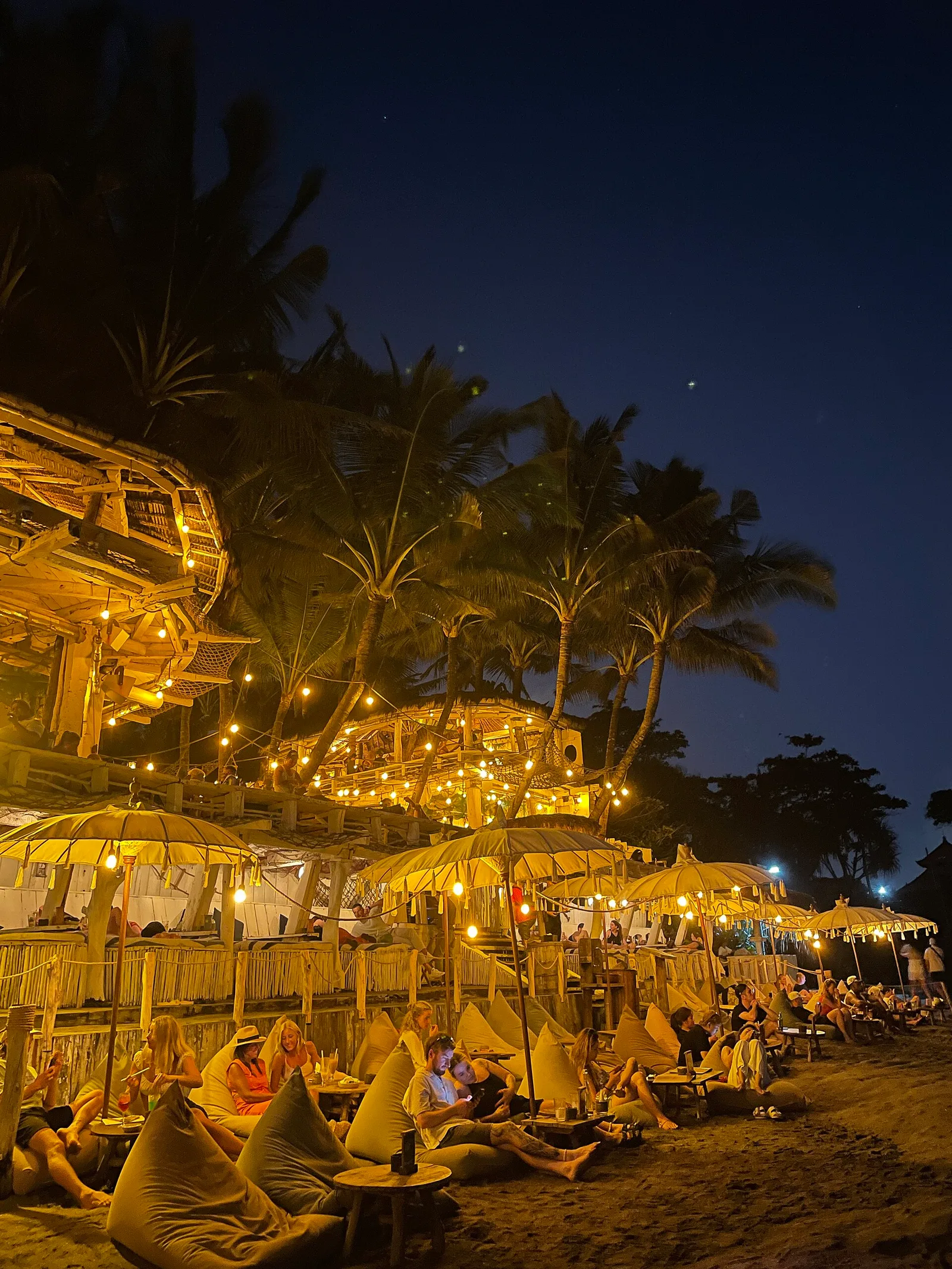
Restaurants and beach bars strung along it, from warungs to smart hotel terraces.
Very little nightlife, deliberately.
The fast boat harbour for the Nusa islands, which makes it the natural base for that side trip.
Who it suits
Families with small children, comfortably the standard recommendation for exactly the reasons above.
Older travellers, for the flat path, the calm water and the absence of scooter chaos.
Anyone who actually wants to swim, which sounds obvious and is not, since most of Bali’s famous beaches are for surfing and sunsets.
Longer stays, where the quiet becomes an advantage rather than a shortage.
It does not suit people who came for nightlife, surf, or the classic sunset-on-the-sand version of Bali. Our guide to Seminyak covers that coast, and it is a genuinely different holiday.
The beach and the lagoon
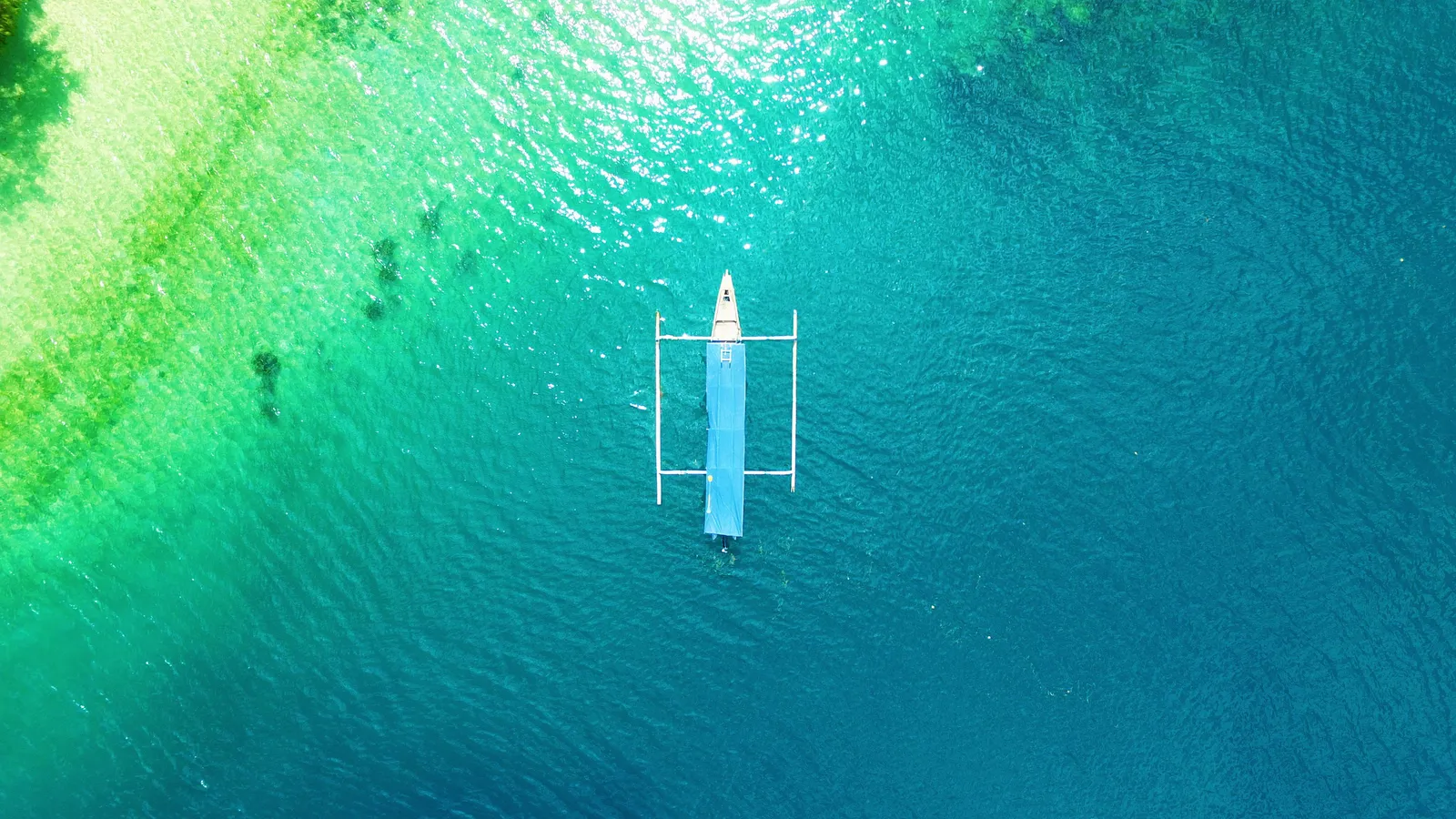
The reef is the whole point. It sits offshore and absorbs the swell, leaving flat, shallow water inside.
The tide matters. At low tide the water pulls back a long way and the lagoon becomes very shallow indeed, which is fine for children and frustrating for swimming. Check the tide and plan the swim rather than the other way round.
The sand is grey-gold and the water is calm rather than crystalline. This is a comfortable beach rather than a spectacular one.
Paddleboards and kayaks work well here precisely because there is no surf.
The path
The beachfront promenade deserves its own section because it is the thing people remember.
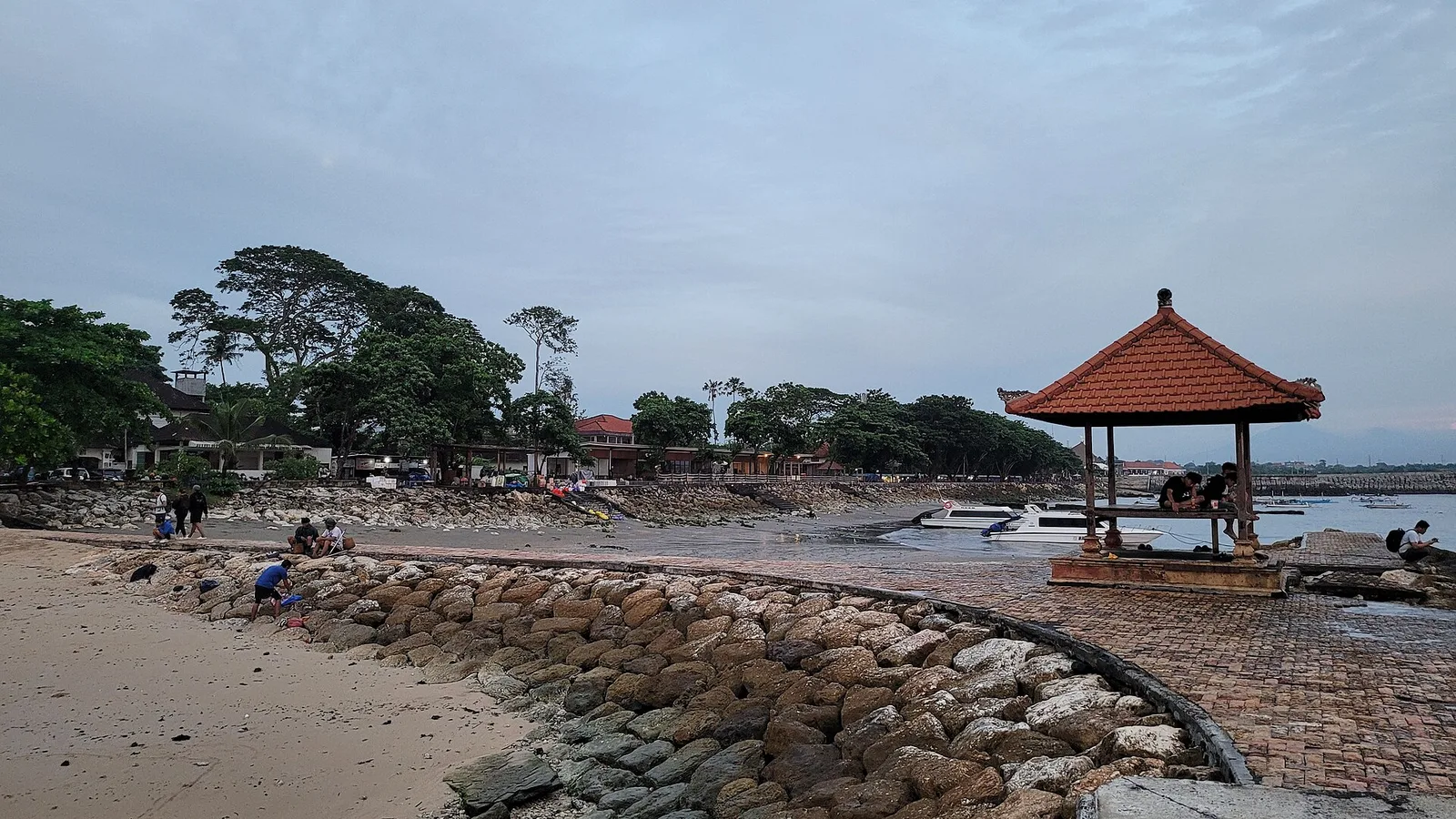
It runs for several kilometres along the front, connecting hotels, restaurants and beach bars, and it is flat, paved and continuous. In a country where pavements are a rumour, that is remarkable.
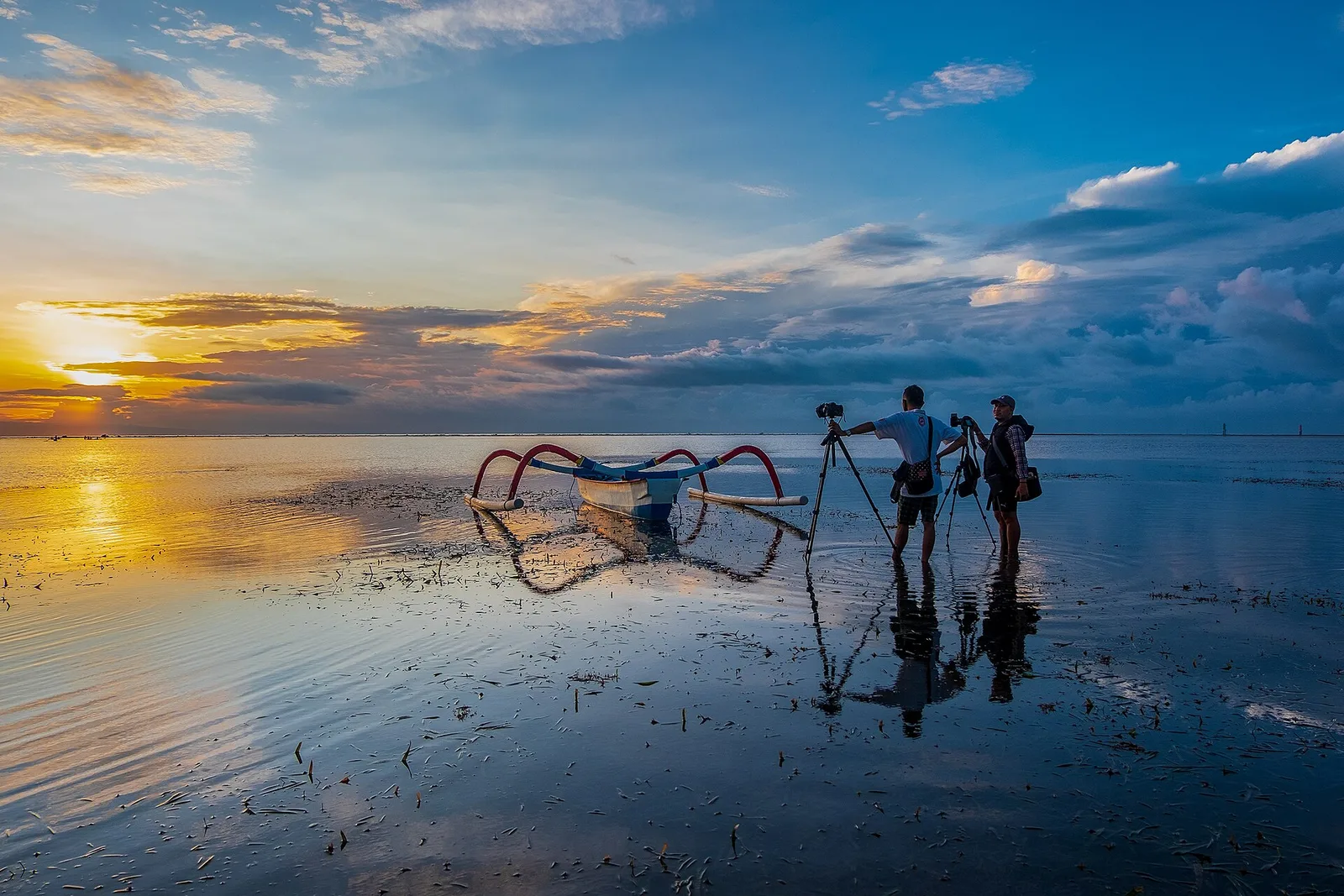
Walk it early, when the sunrise is on the water and the fishing boats are out.
Cycle it, since bikes are widely available and the path is ideal for them.
Eat along it, choosing by where you want to sit rather than by address.
The islands
Sanur is the departure point for the fast boats across to the Nusa islands, and this is a practical reason to base here for part of a trip.
Crossings are short and weather-dependent. The strait can be rough, cancellations happen, and this is not a journey to schedule on the morning of a flight.
Day trips are possible and long. An overnight is the better version if the days allow.
Book the return, and build in a buffer either side.
When to come
Sanur is on the drier, more sheltered side of the island, which changes the calculation slightly.
The dry season is reliably good and busy.
The wet season brings shorter, heavier rain than visitors expect and the east coast fares better than the west for beach debris.
The wind matters more here than elsewhere because of the crossings to the islands, and the same wind is why this is a kite and windsurf spot.
Our month-by-month guide to Bali’s weather covers the seasons properly and is worth reading before fixing dates.
Practical notes
It is quiet after ten, which is the point and a shock to anyone arriving from Canggu.
Distances are short and much of the area is genuinely walkable, which is rare in Bali.
The airport run is straightforward and not long, though southern traffic applies.
Cash for the warungs, cards elsewhere.
It is an easy base for day trips inland, being on the right side of the island for Ubud and the east.
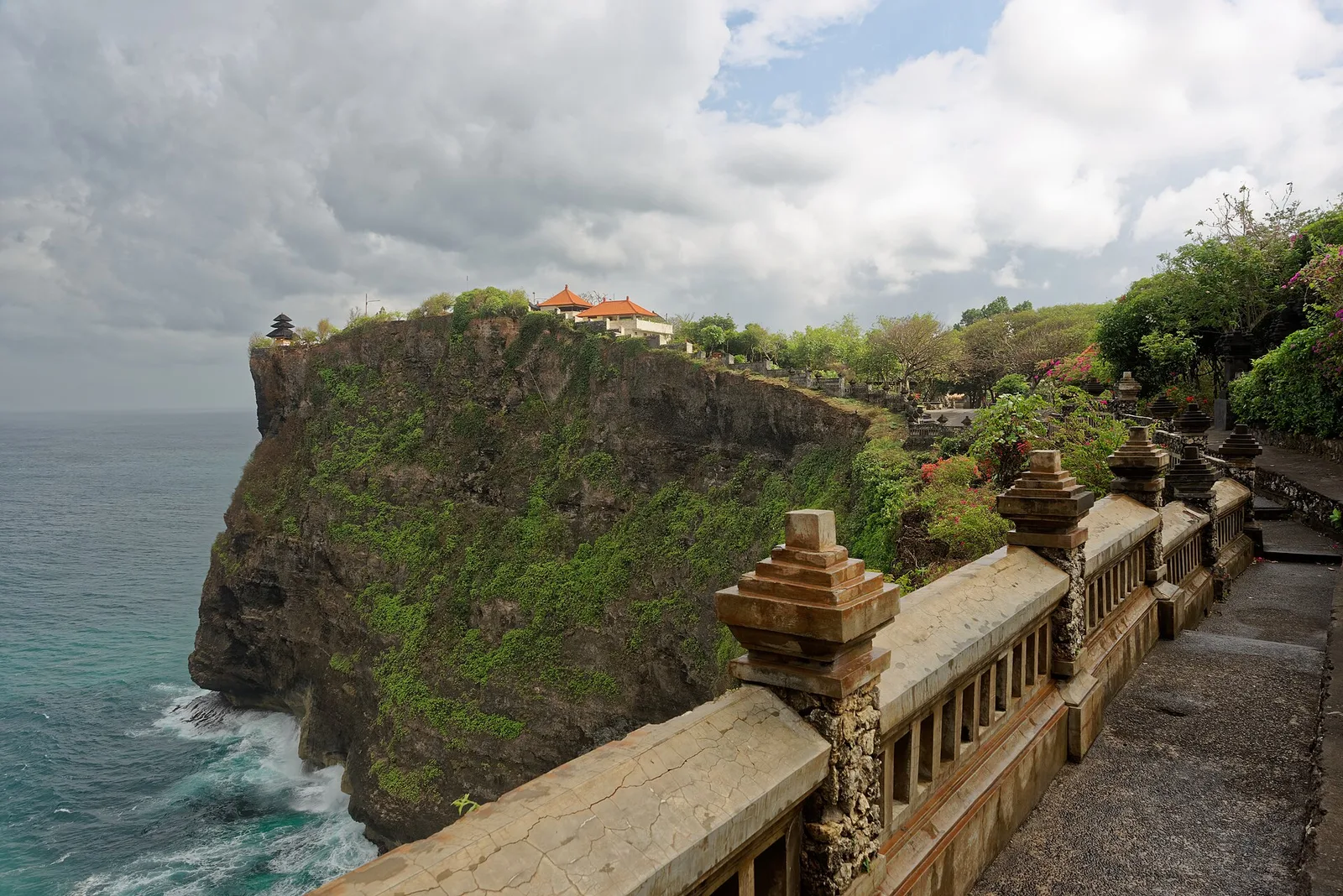
And if you want the opposite experience within the same trip, the cliffs and coves of the south peninsula are the other extreme: our guide to Uluwatu and the Bukit covers a coast with no calm water and a great deal of drama.
The short version
Sanur is the calm east coast: a reef-protected lagoon you can actually swim in, a flat paved beachfront path that works for pushchairs and bicycles, quiet evenings and the fast boats to the Nusa islands. It faces the sunrise rather than the sunset, which decides whether it is right for you. Choose it for families, for longer stays and for swimming, and choose the west coast if you came for surf, sunsets and a scene.