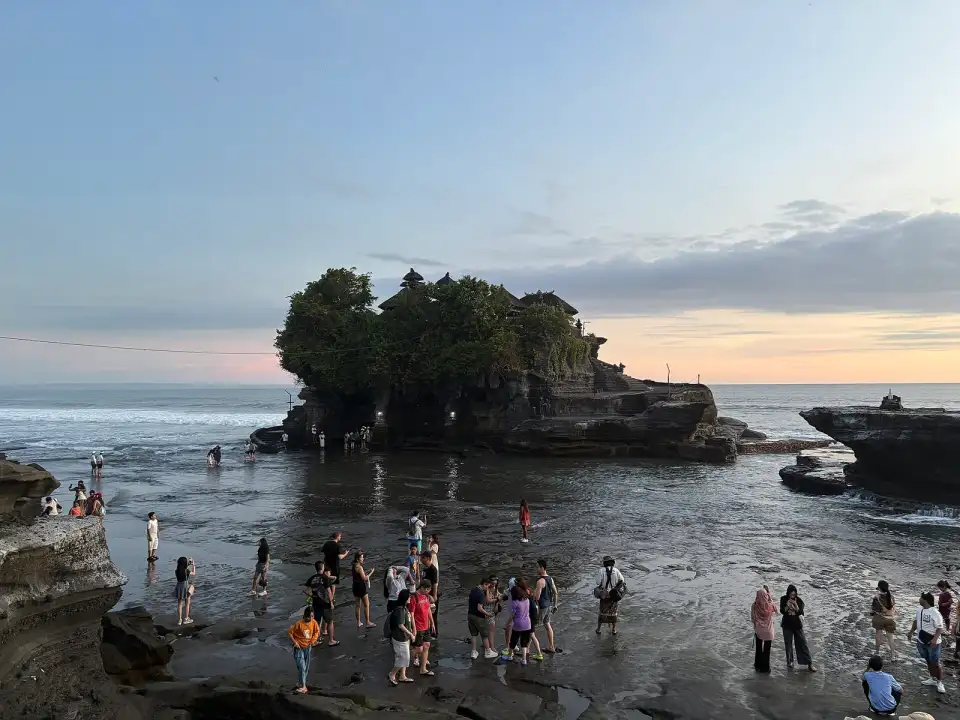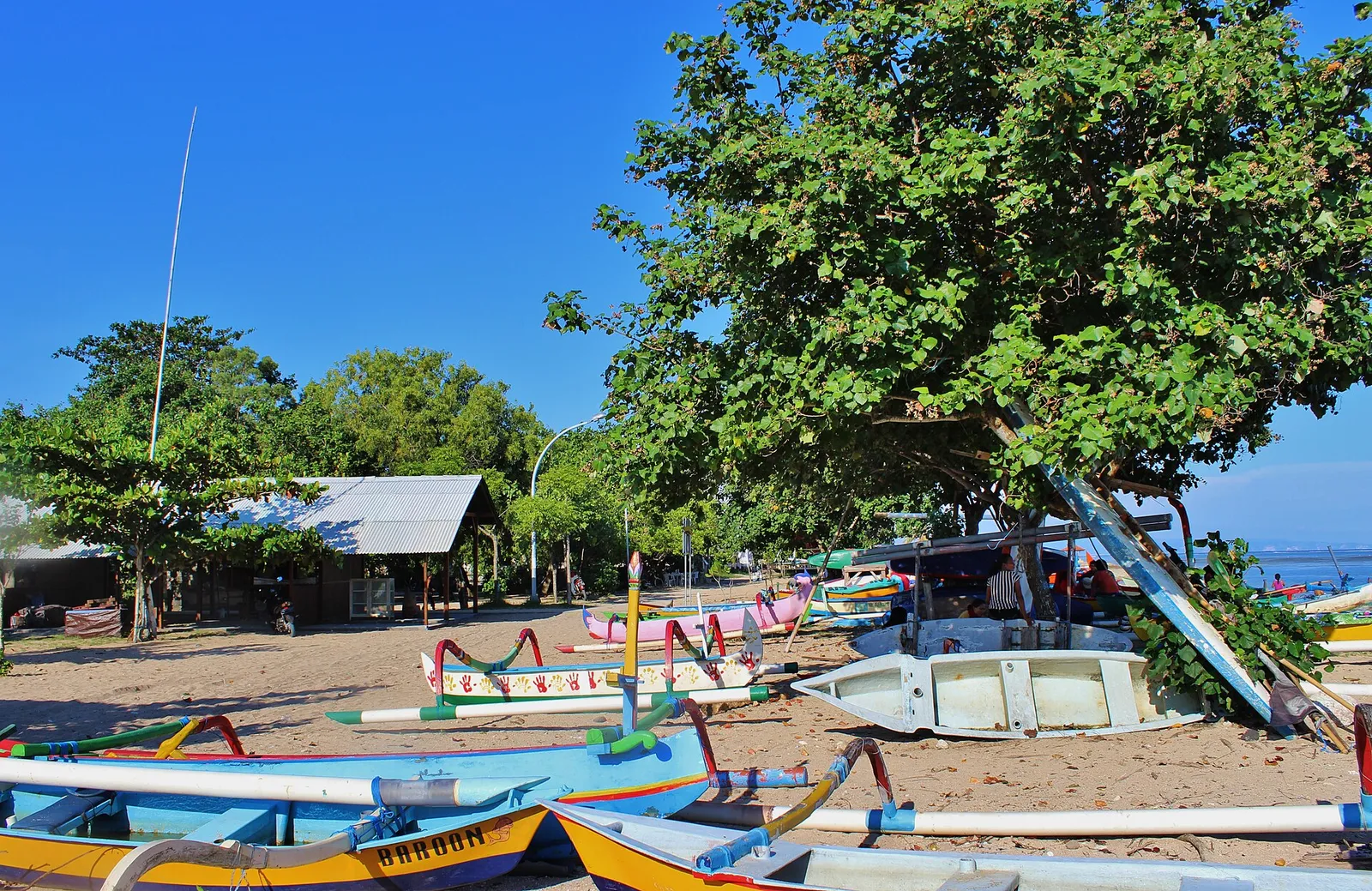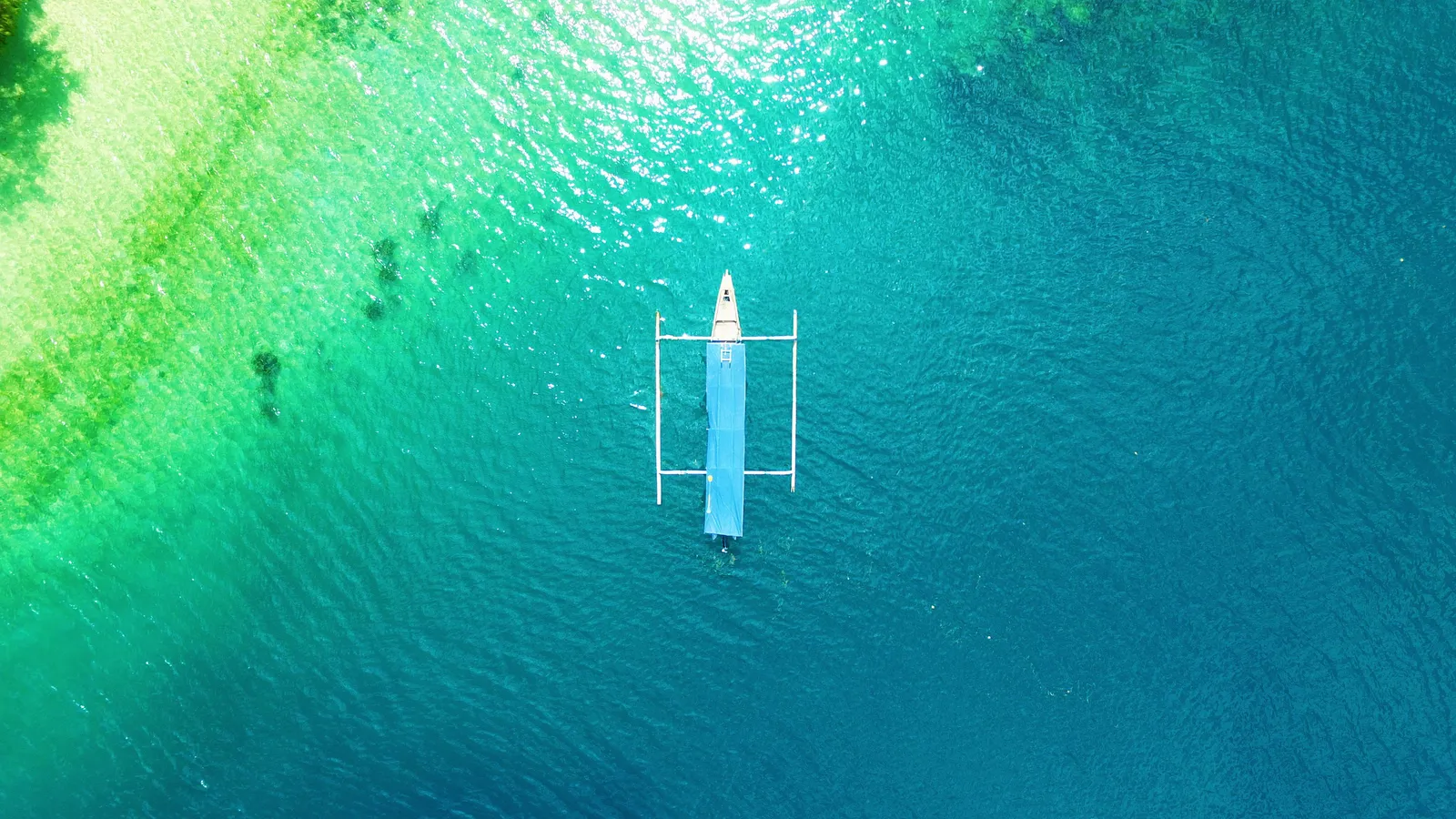
Bali is an island, but it is not really a single beach destination. It is a coastline of moods: black volcanic surf sand in the west, dramatic white coves in the south, calm swimming beaches in the east, and wild clifftop drama on the offshore islands. The secret is matching the beach to the day you want. Here are the best of them.
How Bali’s coastline actually works
Four things explain almost every beach on the island. The west coast faces the open Indian Ocean, so it gets the swell, the surf and the sunsets, and its sand is dark and volcanic. The Bukit peninsula in the far south is limestone rather than volcanic rock, which is why its sand is pale and its beaches sit at the bottom of cliffs. The east coast is sheltered and reef-protected, which is why that is where you actually swim. And the offshore islands are a step wilder in every direction.
The seasons flip part of this. In the dry months the west coast is at its best, cleanest and most reliable; in the wet season the east-coast breaks work better and the west gets messier. Which is a long way of saying that “the best beach in Bali” depends on both where you are and when you came.
The Bukit coves: Bali at its most dramatic
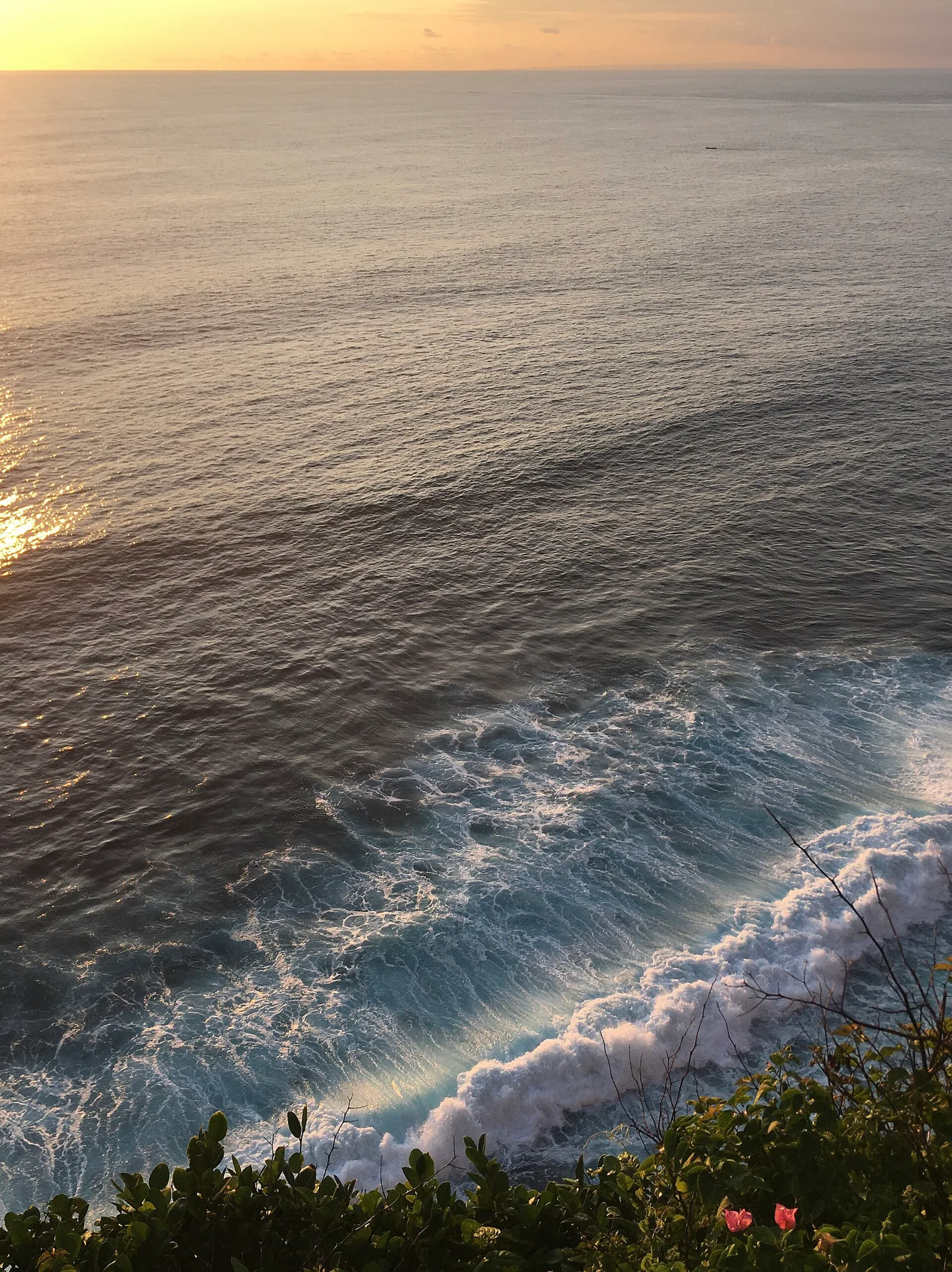
The Bukit peninsula in the far south holds Bali’s most spectacular beaches. Padang Padang is a tiny, gorgeous cove reached through a gap in the rocks, made famous by the movies. Bingin is a bohemian surf beach tucked below cliffside warungs. Uluwatu itself is more clifftop bar than swimming beach, but the setting is unforgettable at sunset. These are beauty-first beaches: steep stairs, strong surf, and views you will not forget.
Go a little further along the peninsula and it keeps giving. Melasti is the wide, bright one, reached by a road cut dramatically through the limestone, and the easiest Bukit beach to get onto without a staircase. Balangan is a long strip below a cliff of warungs. Nyang Nyang and Green Bowl reward a serious set of steps with genuine emptiness.
The universal Bukit caveat is the access. Almost all of these involve long, steep stairs, sometimes hundreds of them, often in full sun and with no handrail worth the name. That is precisely why they stay beautiful, and it is also why they are a poor choice for anyone with bad knees, a pushchair, or a plan to carry a cool box down.
Canggu and Seminyak: surf, cafes and sunset bars
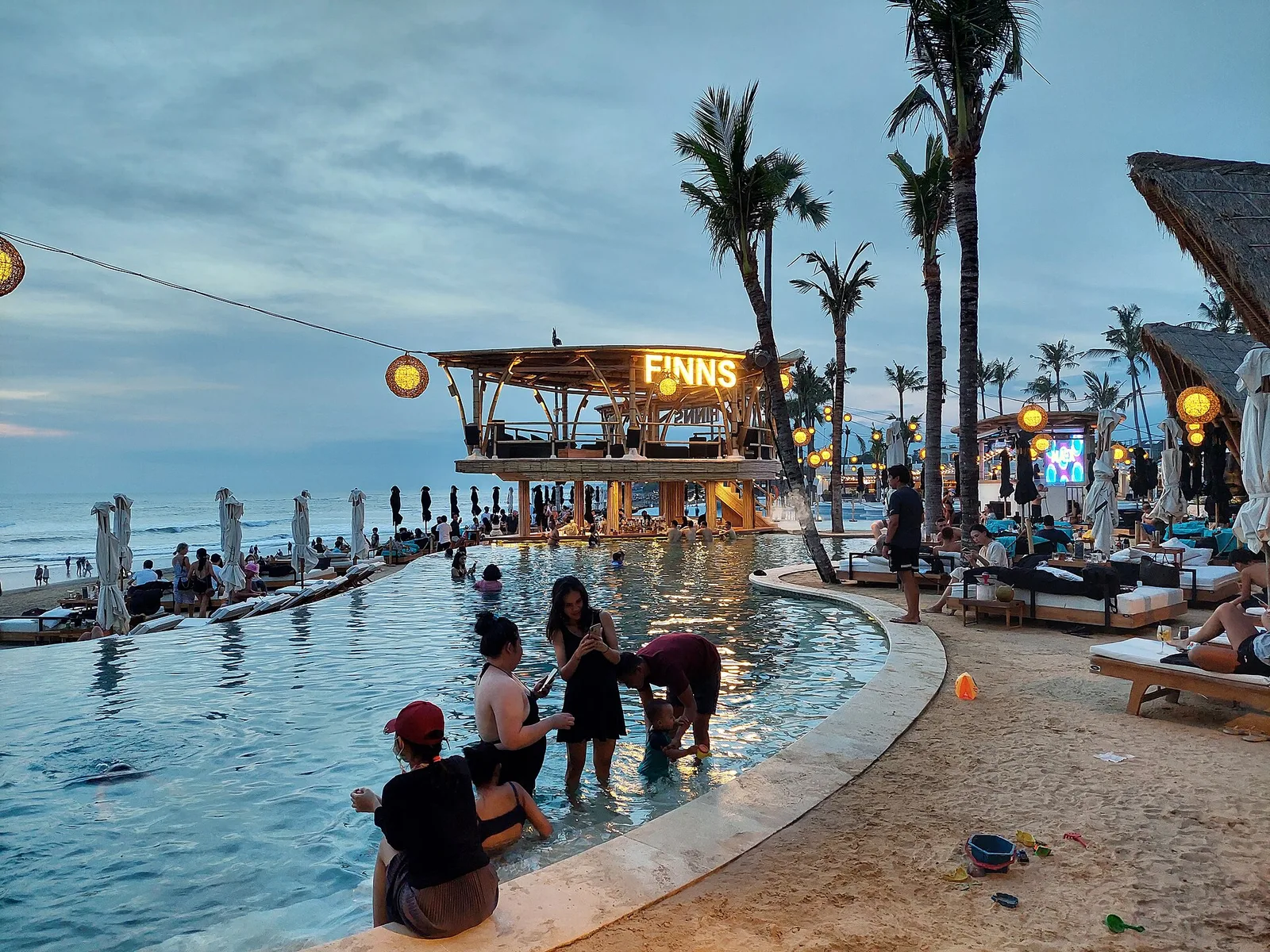
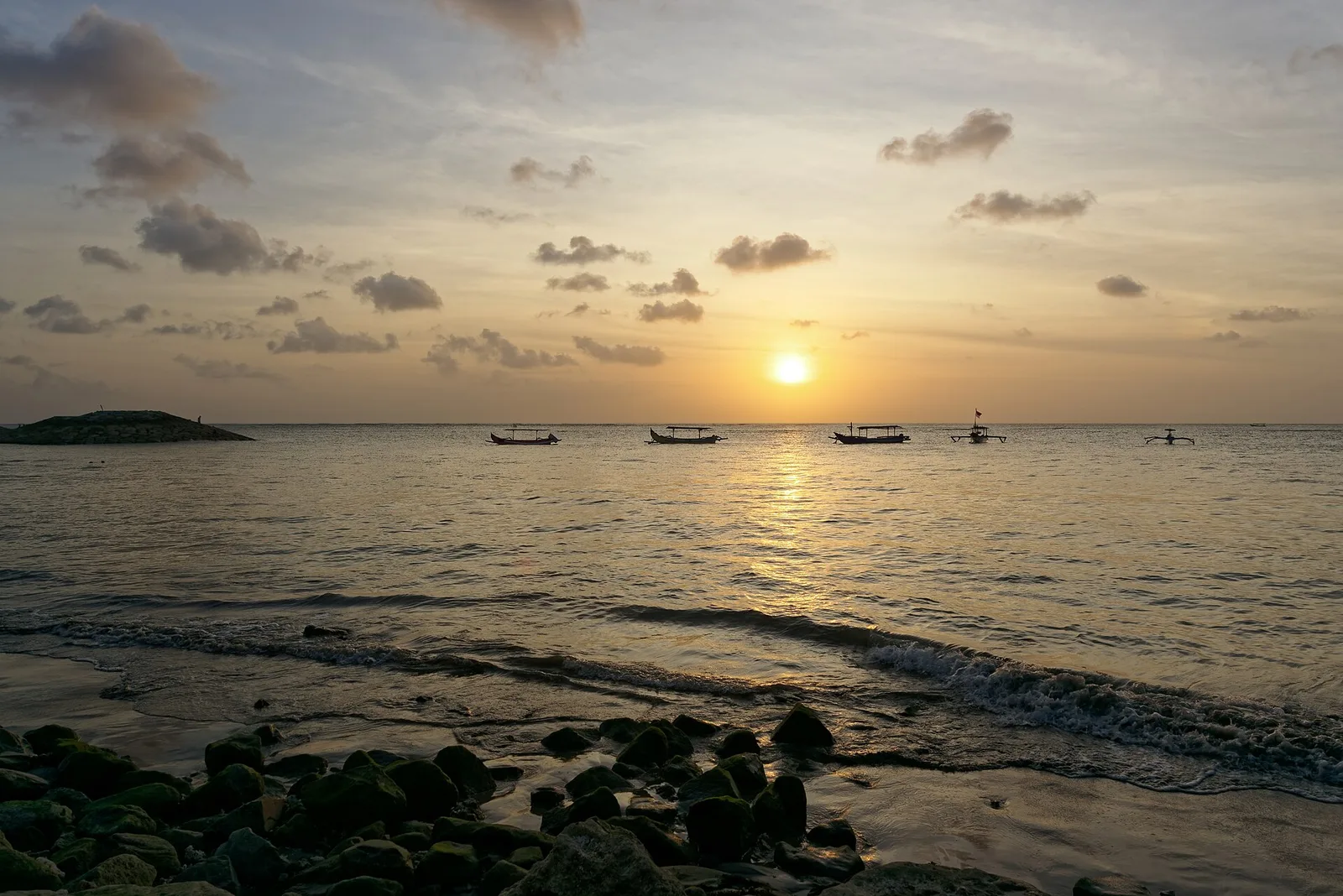
The west coast is where Bali’s beach life buzzes. Canggu has black-sand surf breaks, laid-back beach bars and a young crowd; Batu Bolong and Echo Beach are the classic spots. Seminyak next door is wider, smarter, and home to the famous beach clubs where the sunset comes with a cocktail and a day bed. The water here has real currents, so these are beaches for surfing, sunbathing and sundowners more than for swimming.
These are also the beaches most affected by the wet-season debris that washes up between roughly November and March. Crews clear the busiest stretches daily and it is far from the whole coast, but if you are picturing a pristine white shoreline in January, this is the one honest correction worth making before you book.
Sanur and Nusa Dua: calm water for swimming
If you actually want to swim, head east. Sanur has a long, calm, reef-protected beach and a paved promenade perfect for a morning walk or cycle. Nusa Dua, on the Bukit’s gentler side, offers wide, clean, resort-lined sand and safe water. Both are ideal for families and anyone who prefers a swim and a lounger to fighting the surf. Quieter, flatter, and genuinely relaxing.
One quirk worth planning around at Sanur: the reef means the water gets very shallow at low tide, so the swimming is much better on a rising or high tide. Check the tide before you commit to a beach afternoon there, and use the low hours for the promenade instead.
Make a day of the offshore islandsSnorkelling, viewpoints and hidden beaches are easiest on an organised boat dayJimbaran: sunset and seafood
Jimbaran Bay deserves its own mention. By day it is a calm, swimmable beach; by evening it becomes one of Bali’s great dining scenes, with tables set right on the sand and grills piled with the day’s catch. Come for the sunset, stay for a barefoot seafood dinner with your feet in the sand. It is touristy, and it is still wonderful.
Two practical notes. Fish at the grills is generally sold by weight, so agree what you are getting and what it comes to before it hits the fire. And the bay faces west, so book a table for around an hour before sunset rather than turning up after it, which is when everyone else arrives.
The Nusa islands: the showstoppers
For the beaches that fill your camera roll, take the fast boat to the Nusa islands. On Nusa Penida, the Kelingking viewpoint over its T-Rex-shaped cliff is one of the most photographed sights in Indonesia, and Diamond Beach and Atuh are stunning. On Nusa Lembongan, life is gentler, with snorkelling, mangroves and easy sands. These are day-trip or overnight beaches, and they are worth every bumpy road to reach.
One thing to be clear about before you go: swimming is prohibited at Kelingking, Diamond Beach and Angel’s Billabong. The ban followed a run of drownings, with visitors swept off the rocks by sudden waves and dragged out by currents that look nothing like as strong as they are. Rescue teams are called out repeatedly every wet season. Go for the views, take the photographs, and stay out of the water at all three. If you want to swim or snorkel around Penida, do it from a boat trip at a sheltered spot with a crew who know the conditions.
The other honest note about Penida is the roads, which are narrow, steep and rough, and the distances between the famous viewpoints, which are longer than the small island suggests. A single day trip realistically covers two or three stops rather than the full list, which is a strong argument for staying a night rather than sprinting.
The beaches almost nobody goes to
Head away from the south and Bali gets quieter fast. Amed, on the east coast, is a run of black-sand fishing bays with superb snorkelling straight off the shore and Mount Agung looming behind, and it is one of the best places on the island to get in the water. Just north, Tulamben has a famous shallow shipwreck that snorkellers can see without diving.
Further round, Pasir Putih, often called Virgin Beach, is a pale-sand cove in the east that feels a world away from Seminyak. And Lovina on the north coast is sleepy, black-sanded and known for its early-morning dolphin boats, which are popular and also contested on welfare grounds, since a large number of boats can end up chasing the same pod.
When to come for the beaches
The dry season, roughly May to September, is the straightforward answer: cleaner water on the west coast, more reliable sunsets, and the classic surf season for the famous breaks. The wet season, roughly November to March, brings shorter sharp downpours rather than all-day rain, but also the debris on the west-coast sand and choppier crossings to the islands.
Surfers get a genuine year-round option, since the swell and wind favour the west coast in the dry months and the east coast in the wet ones. Everyone else should lean towards the dry season if the dates are flexible. Our month-by-month guide to Bali’s weather sets out what each part of the year actually feels like, including the shoulder months that give you most of the dry-season upside with fewer people on the sand.
Beach safety, briefly
Bali’s south-coast surf is beautiful and can be dangerous. Rip currents are real, so swim between flags, heed the lifeguards, and never go out in big surf unless you know what you are doing. On the offshore islands, the cliff paths and stairs can be steep and slippery, so wear proper shoes and take your time, and respect the no-swimming signs at Kelingking, Diamond Beach and Angel’s Billabong, which exist because people have died there. A little caution keeps a beach day a beach day.
Two additions that matter as much as the water. Not every beach has lifeguards, and the emptier and more beautiful a cove is, the less likely anyone is watching, so pick a patrolled beach if you plan to swim properly. And the sun here is equatorial: it burns far faster than most visitors expect, shade is scarce on the sand, and the black volcanic beaches get genuinely painful underfoot by midday. Know how to summon help before you need it: our guide to emergency numbers in Bali is a two-minute read that is much better done at home.
What to bring, and a little etiquette
A short list covers almost every beach day: reef-safe sunscreen and a hat, something on your feet for hot black sand and sharp coral, plenty of water, and small notes for parking, entrance fees and the warung at the top of the stairs. A dry bag is worth it for boat days.
On etiquette, two things visitors get wrong. Topless and nude sunbathing are not acceptable here, however relaxed a beach club feels. And you will find small woven offerings placed on the sand, on steps and at shrines near the water; walk around them rather than over them, and do not move them for a photograph. It costs nothing and it is noticed.
Bali or Thailand, if beaches are the point?
If you are still choosing the country rather than the beach, the comparison worth making is with Thailand, and it is closer than the internet suggests. Bali’s strengths are the drama of the Bukit cliffs, world-class surf and everything being on one manageable island. Thailand’s are calmer, clearer swimming water across two coasts, more classic white-sand-and-palm scenery, and a genuinely wide choice of islands, at the cost of more internal travel to reach them.
Our comparison of Bali and Thailand works through cost, getting around, food and what a beach week actually looks like in each, which is the fastest way to settle it.
The short version
Choose the Bukit coves for drama, Canggu and Seminyak for surf and sunset bars, Sanur and Nusa Dua for calm swimming, Jimbaran for a seafood sunset, Amed for snorkelling, and the Nusa islands for the showstoppers. Come in the dry season if you can, check the tide before you commit to an afternoon, respect the rips and the no-swimming bans, and bring something for your feet. Match the beach to your mood, and Bali’s coastline will give you a different perfect day every day of the trip.
Which kind of beach day are you after, the clifftop drama or the calm swim?