Bali has become one of the largest yoga destinations on earth, with open-air studios above rice fields, retreats at every price point, and more teacher training courses running at any given moment than most countries have in a year. That scale means two things: whatever you are looking for exists here, and so does a great deal of marketing. The drop-in scene is genuinely excellent and inexpensive. The retreats and trainings are where the choice actually needs making.
The drop-in scene
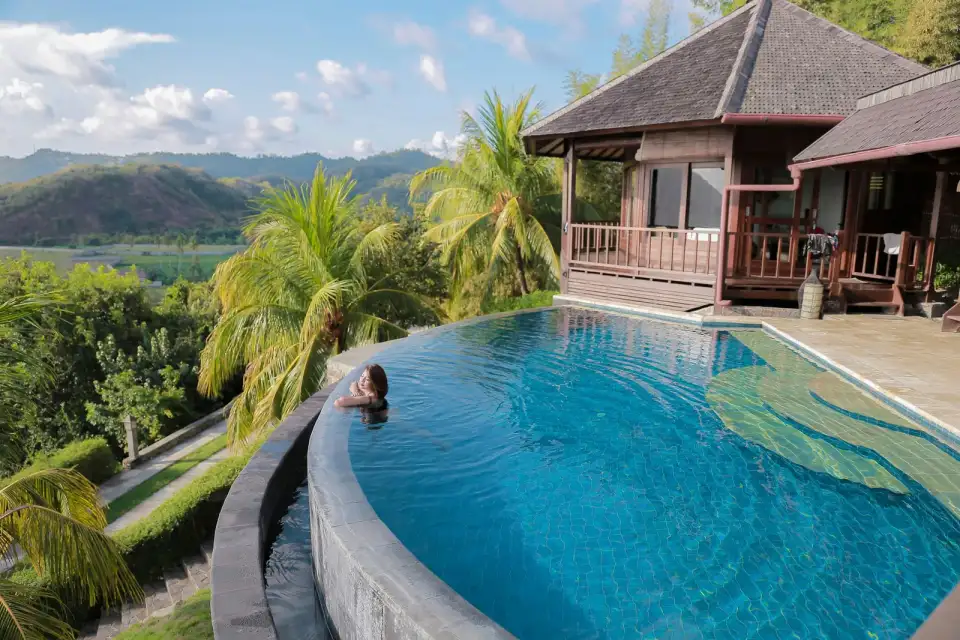
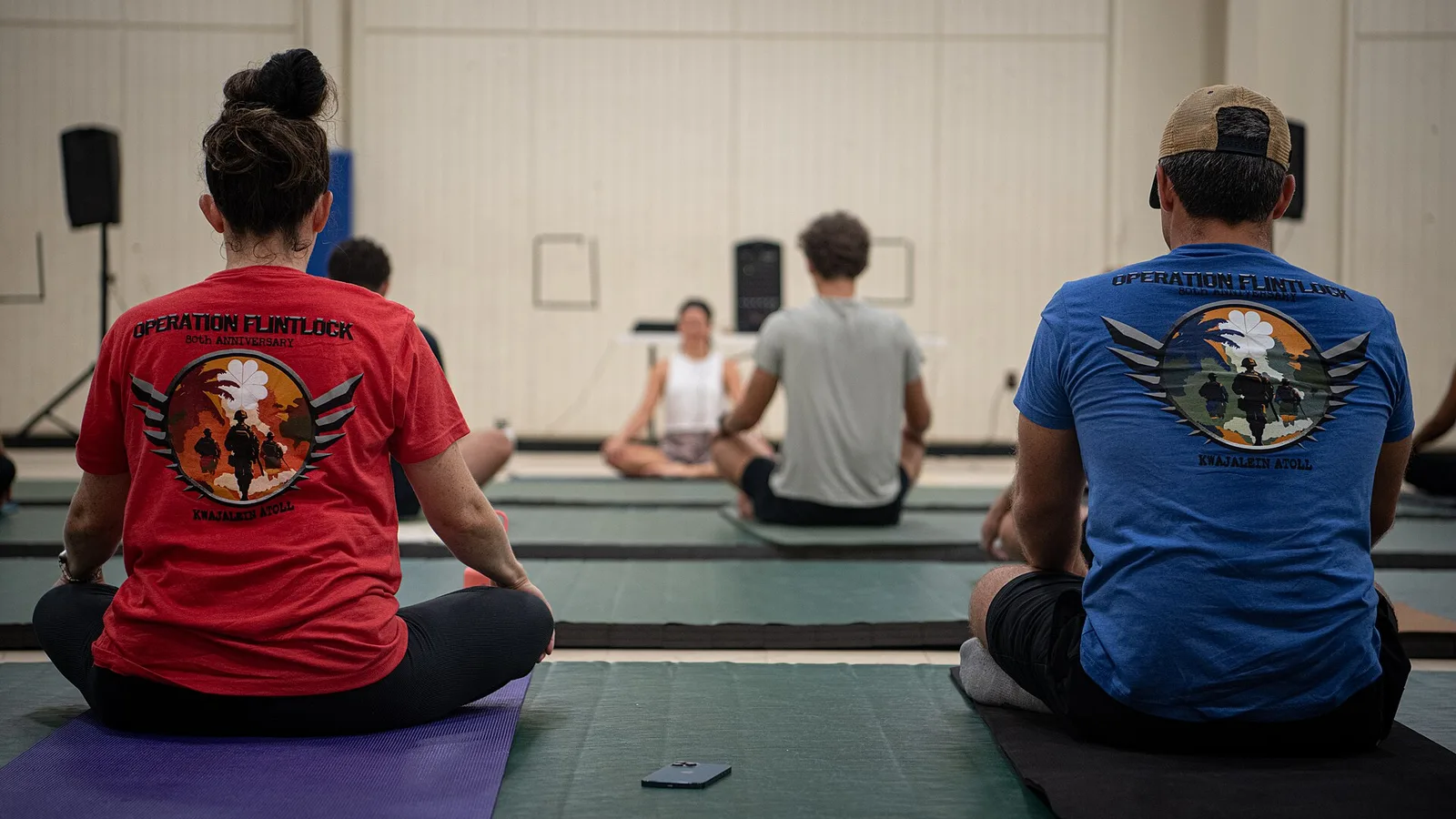
Studios open to the air, with wooden floors, high roofs and a view of trees or fields, which is a large part of why practising here is different.
Timetables run all day, from early morning to evening, across every style.
Class passes are considerably cheaper than single drop-ins if you plan several.
Beginners are welcome and beginner classes are timetabled daily.
Ubud has the depth of studios, teachers and traditions; the west coast beach towns have a big, casual, long-stay scene.
Sound baths, breathwork and meditation sit alongside the asana classes and are worth trying at least once.
Choosing a retreat
Check what is actually included. Accommodation, meals, classes, excursions and transfers are bundled differently by every operator, and headline prices are not comparable.
Check the daily schedule. Some retreats are two classes and free time; others are structured from six in the morning to nine at night.
Check the group size, which changes the experience more than the venue does.
Check whether the lead teacher is actually teaching, or whether the name in the marketing appears for one session.
Read recent reviews rather than testimonials on the operator’s own page.
Practical notes
You will sweat more than at home, because most studios are open-air in a hot humid climate. Water and a towel every time.
Morning classes are the coolest and the busiest.
Mats are provided at essentially every studio.
Mosquitoes at dusk in an open-air shala are a real thing; repellent before an evening class.
Cash or card both work at established studios, and small ones may prefer cash.
Ceremony days can close or move classes, which is part of being in Bali rather than an inconvenience.
Beyond the mat
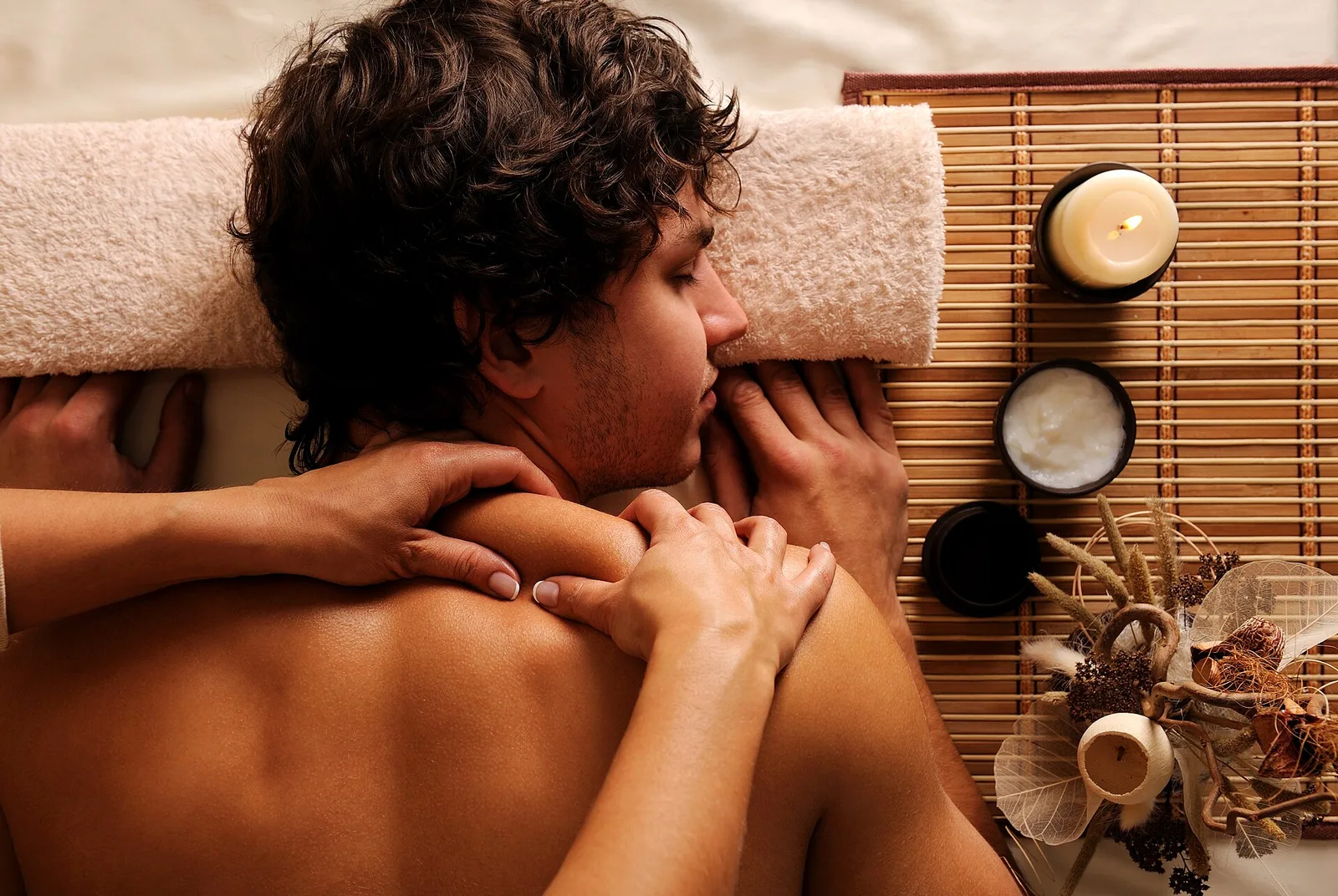
Massage and spa treatments are extremely good value here and pair naturally with a practice week. Our guide to spas and massage in Bali covers what to book and what to pay attention to.
Healthy eating is easy: the cafe scene around the studio districts is built for it.
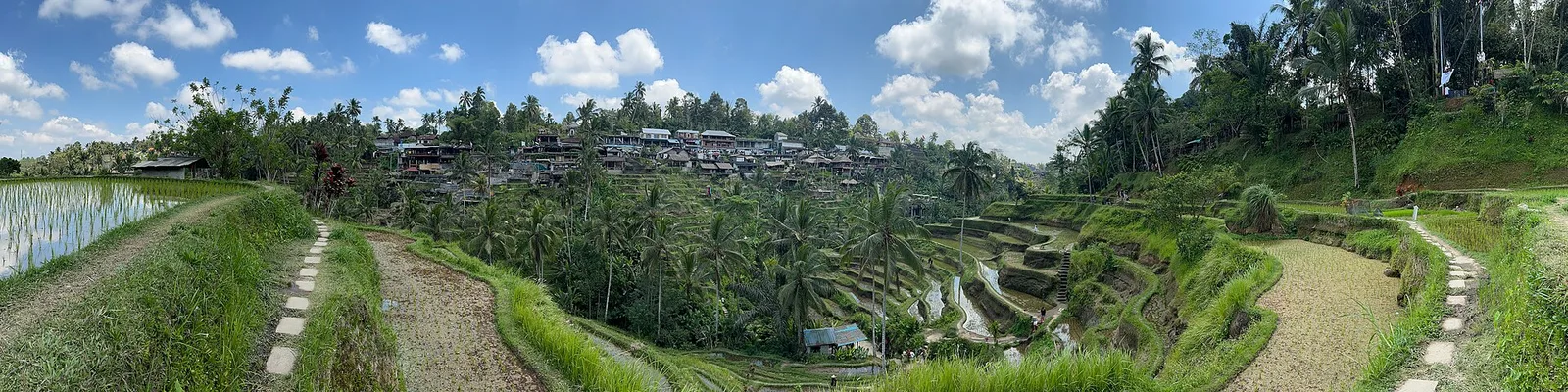
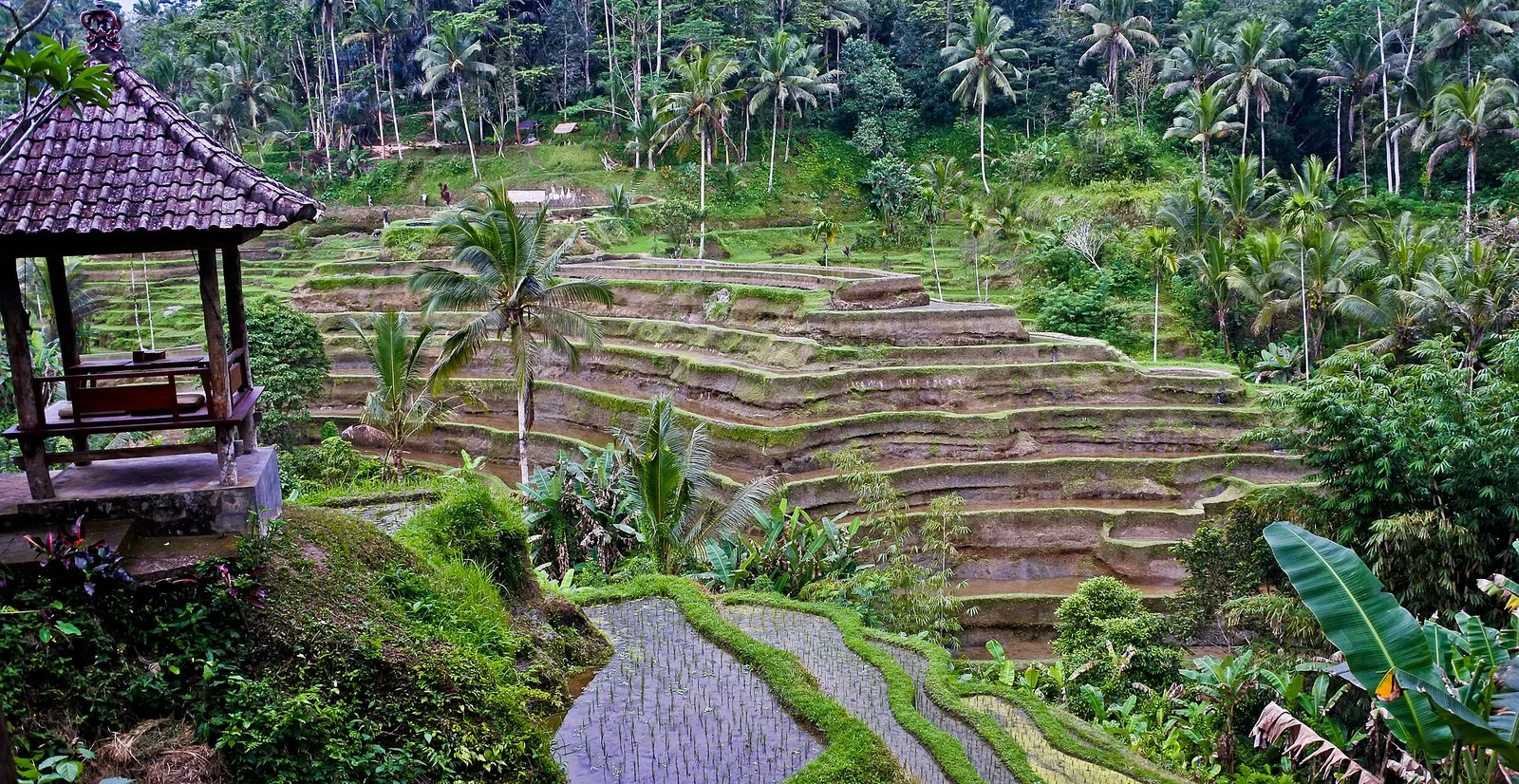
Walks in the rice fields at dawn, which is the other half of a morning class.
Water ceremonies and temple visits, which are religious practice rather than wellness activities and should be approached as such, with a sarong, a guide and respect for what is happening.
Where this fits in a Bali trip
The yoga scene is concentrated inland and on the west coast, which is where most visitors already stay.
Our guide to Ubud covers the town at the centre of it, its neighbourhoods and how to avoid the traffic that shapes a day there.
And for the groundwork of a first trip, from the areas to the transport, our first-time guide to Bali covers what this article assumes.
The short version
Use the drop-in scene freely, since classes are cheap, plentiful and welcoming to beginners, and buy a pass rather than singles. Stay within walking distance of the studio you intend to use, because the traffic is what stops people going. For a retreat, compare what is actually included and how structured the days are rather than the headline price. For a teacher training, check the certifying body and ask to speak to somebody from the last intake, which is the single most useful thing you can do. And bring more water than you think, because an open-air shala in the tropics is not the room you practise in at home.