Bali rewards a little planning and forgives almost none of the panic. You can land with nothing booked and still have the trip of your life, but a handful of decisions made before you fly, where you sleep, how you get around, when you go, are the difference between a smooth first visit and a week spent stuck in traffic or hunting for a ride. This is the guide we wish someone had handed us the first time.
When to go
Bali has two seasons, not four. The dry season runs roughly April to October, and it is the sweet spot: sunny days, calmer seas, and the island at its most photogenic. July and August are the busiest and priciest months, so if you want the good weather without the crush, aim for April, May, June or September.
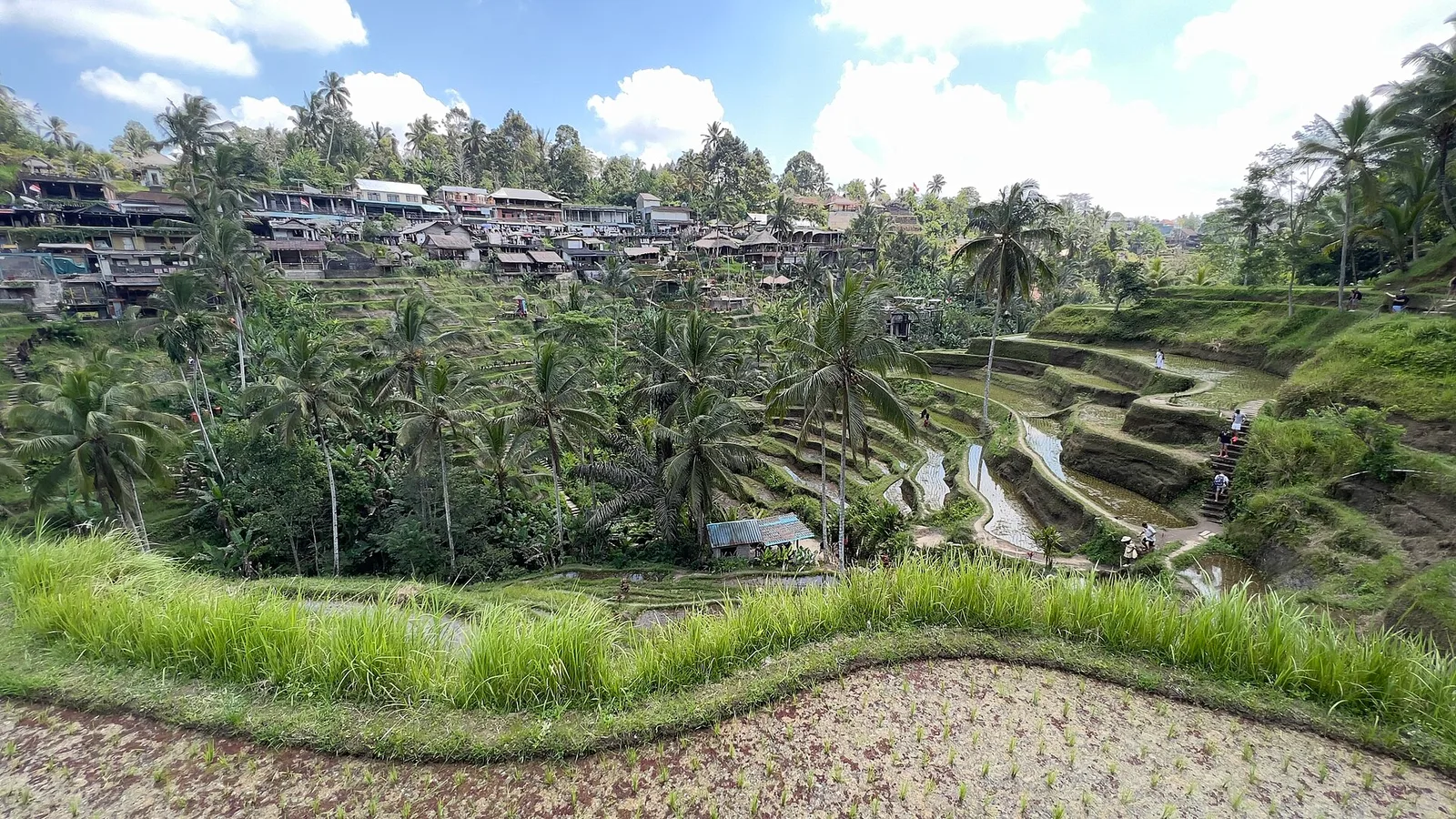
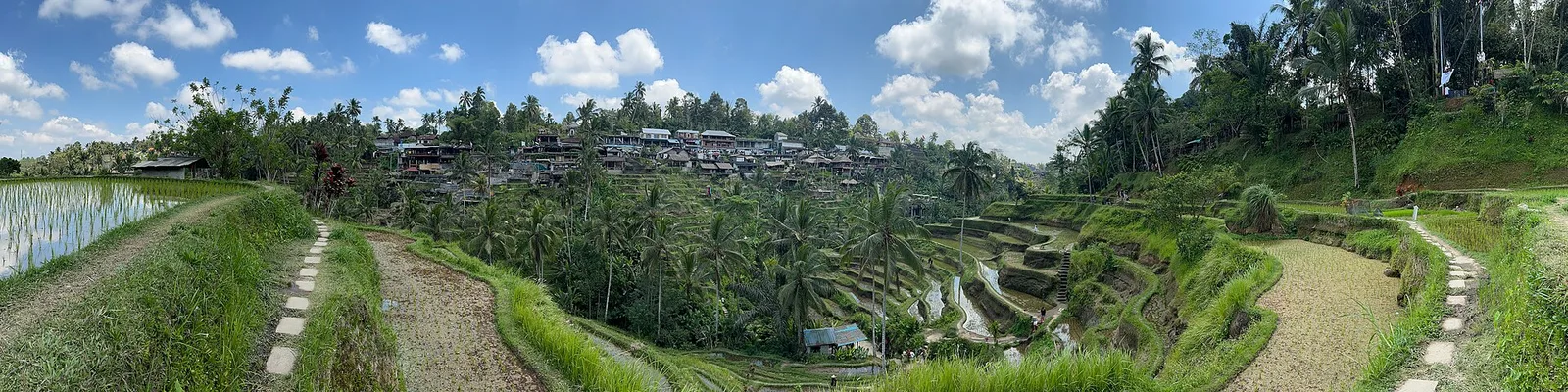
The wet season, November to March, is not a write-off. Rain usually comes in short heavy bursts rather than all-day grey, prices soften, and the rice fields are impossibly green. Just build in flexibility, and do not plan your whole trip around a single perfect beach day.
The visa, sorted in one paragraph
Most nationalities get a visa on arrival (VoA) at Denpasar airport, currently IDR 500,000, at mid-2026 rates, valid for 30 days and extendable once for another 30. The eligible list covers the US, UK, Ireland, EU states, Canada, Australia, New Zealand and South Africa, among many more, but it is a defined list rather than a universal rule, so confirm your own passport is on it before you book. You can buy the visa at a kiosk on arrival or apply online beforehand to skip a queue. Have a card or cash ready, keep the receipt, and make sure your passport has at least six months of validity. You will also need to file the free All Indonesia Arrival Card online before you land, which is covered in full in our visa and entry guide.
Bali also charges a tourist levy on foreign visitors, separate from the visa and payable online before you travel or on arrival. It is small, it is easy to miss, and paying it in advance saves you a queue at a moment when you will not want one.
Landing, and getting to your villa
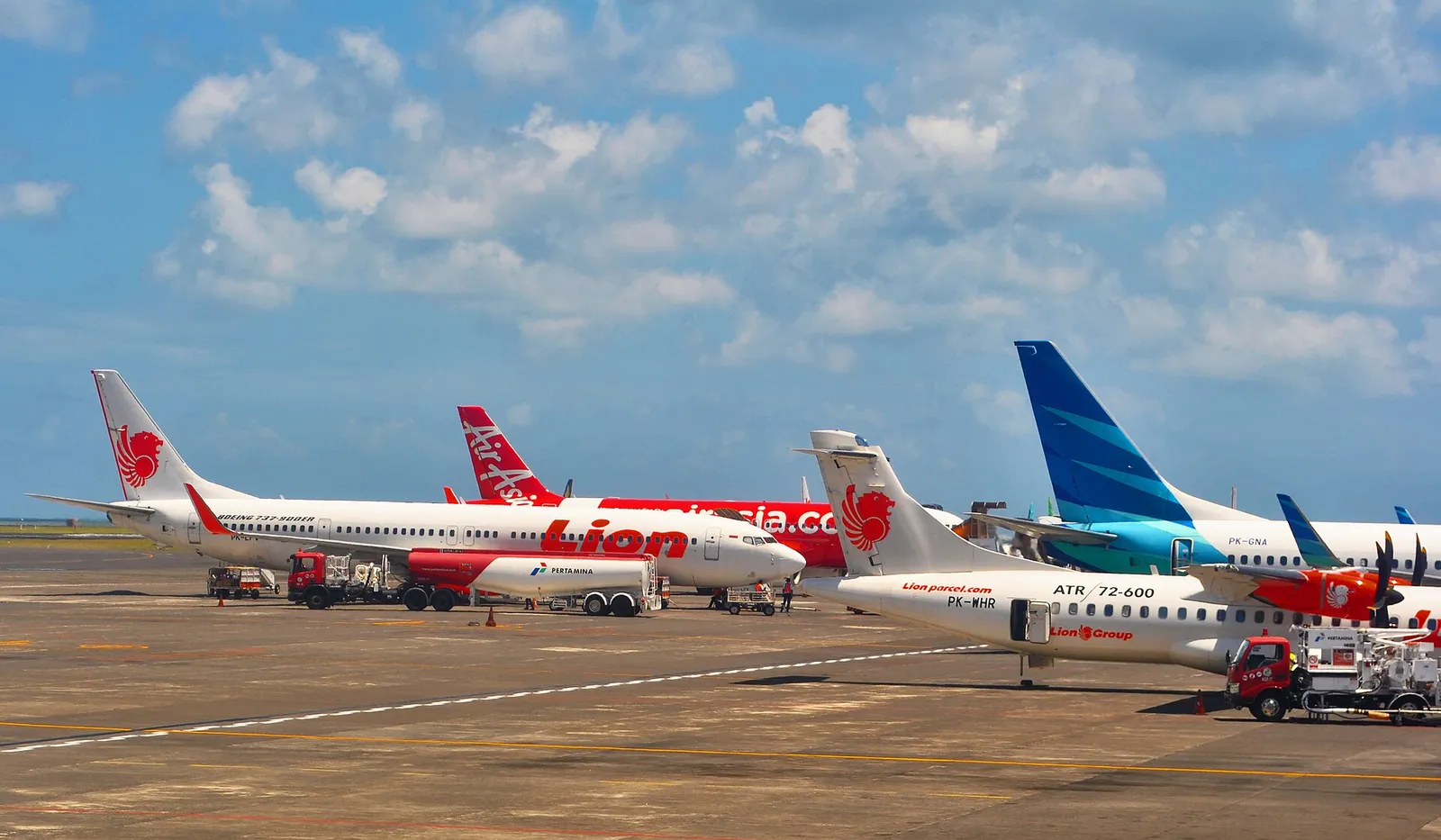
The airport sits in the south, close to Kuta and Seminyak and a long way from Ubud or the far end of the Bukit. That distance is the whole story of your first hour: a transfer to a nearby hotel takes minutes, and one to Ubud can take well over an hour, more in the late afternoon.
Sort it before you land rather than negotiating at arrivals after a long flight. Our guide to Bali airport transfers compares the options, the rough costs and the late-night considerations, including why app pickups work differently at the terminal than elsewhere on the island.
Where to base yourself
Your area matters more than your villa. Bali is bigger and more spread out than first-timers expect, and traffic is real, so pick a base that matches your trip rather than trying to sleep everywhere.
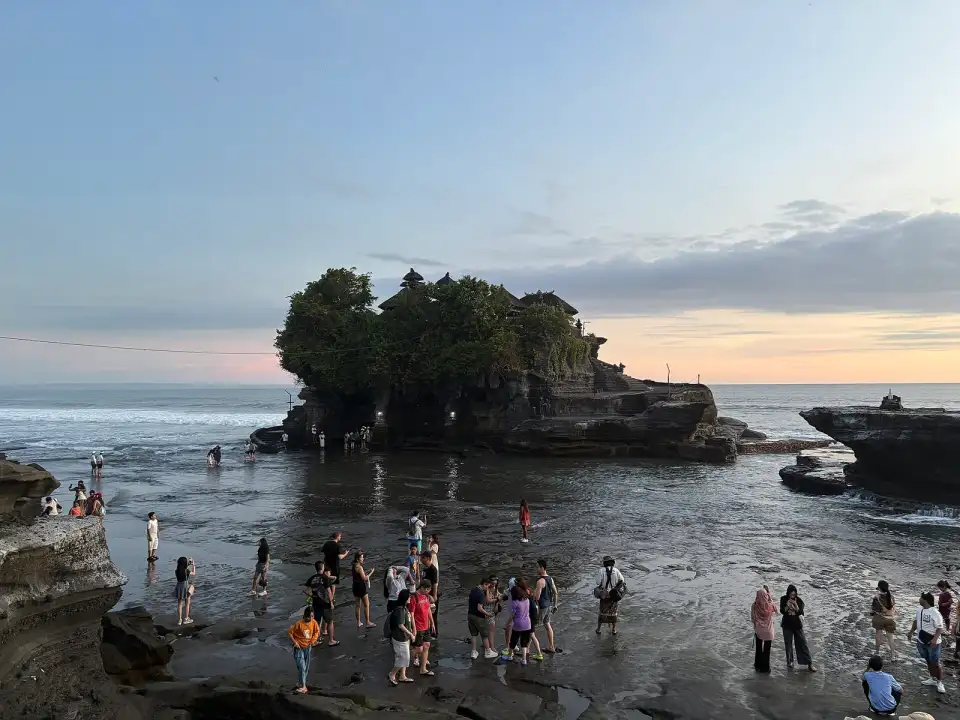
Canggu is the surf, cafe and digital-nomad hub, young and buzzy. Seminyak is its polished, boutique-and-beach-club neighbour. Ubud, inland and green, is the culture, yoga and rice-terrace heart of the island. Uluwatu and the Bukit peninsula have the dramatic clifftop beaches and the best surf. Sanur is calm, flat and family-friendly, and the gateway to the Nusa islands. For a first week, many people split their time: a few nights in the south near the beach, a few in Ubud for the greenery.
How long, and what shape
| Length | A shape that works | What you give up |
|---|---|---|
| 5 to 6 days | One base, day trips out and back | Ubud or the coast, one of the two |
| 7 to 10 days | Coast plus Ubud, three or four nights each | The Nusa islands, unless you rush |
| 10 to 14 days | Coast, Ubud and two nights on Nusa | Very little |
| Under 5 days | The south only, and no long transfers | Most of the island, honestly |
The number that matters more than the total is how many times you move. Two bases is the answer for almost every first trip, three at most on a fortnight. Each change costs a paid transfer and a slow half day, and the island is small enough that day trips cover the rest.
Getting around
There is no metro, no real bus network, and walking only gets you around your own neighbourhood. Most visitors move around Bali in one of three ways.
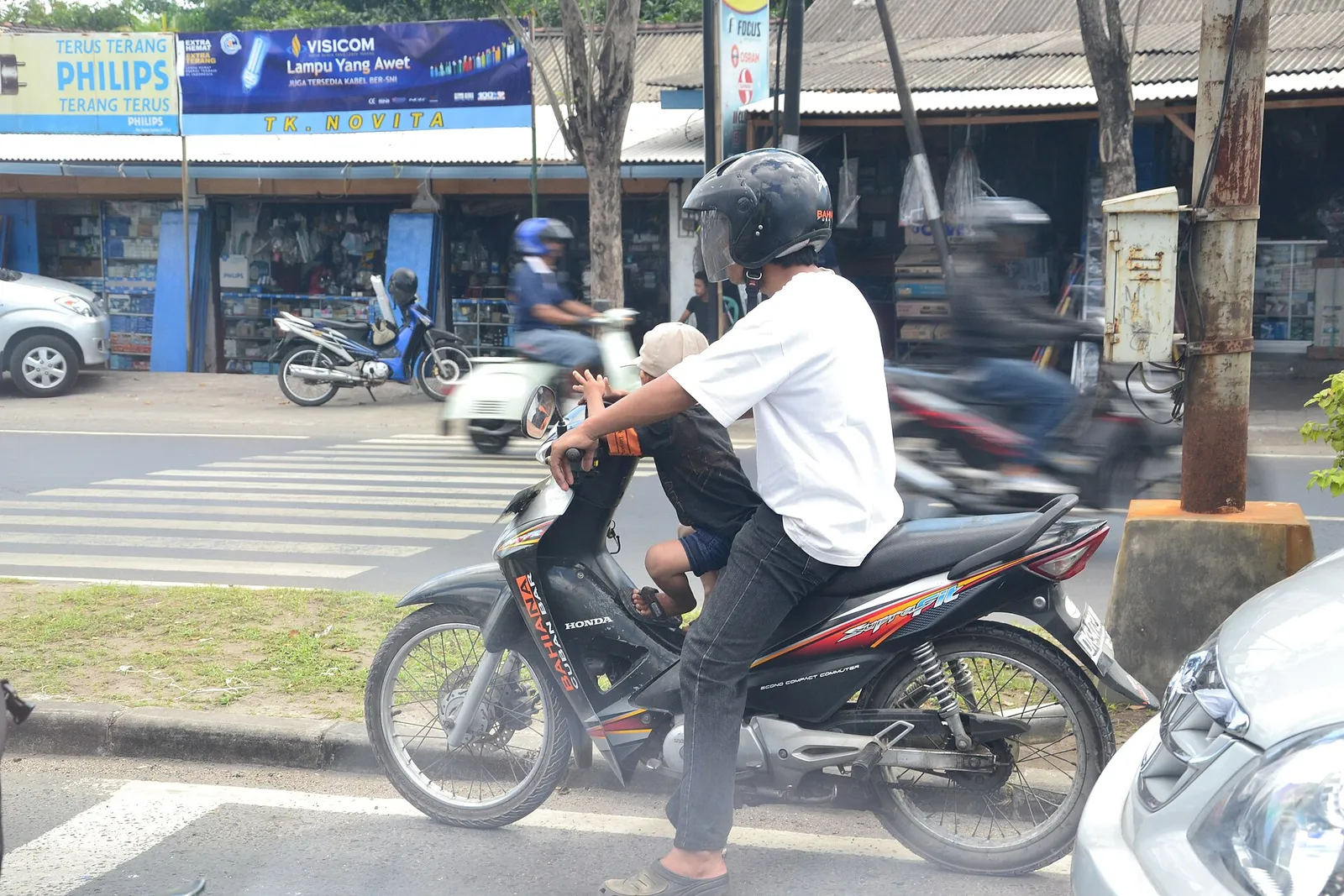
A scooter is how the island actually runs: cheap to rent, easy to park, and the only quick way through Bali’s narrow lanes. It is also the biggest source of tourist injuries, so only ride if you are confident, always wear a helmet, and carry the right licence. If two wheels are not for you, use the ride-hailing apps (Grab and Gojek) for short hops, or hire a private driver for a day of sightseeing, often 600,000 to 900,000 rupiah for the car for eight hours or so, split between a group and remarkably good value.
Two things first-timers learn the hard way. Traffic drives on the left, which is an extra adjustment if you are used to the right and are also learning Balinese roads. And journey times bear little relation to distance, especially in the late afternoon, so treat every cross-island trip as a half-day commitment rather than a hop.
Hire a driver for the big sightseeing daysA private driver for the day turns a scattered island into an easy loopWhat to book ahead, and what to leave loose
Book your first two nights so you land somewhere sorted, your headline experiences (a sunrise trek, a Nusa Penida day, anything with limited boats), and an eSIM so you have data the moment you turn your phone on. Almost everything else, restaurants, massages, extra tours, day drivers, can be arranged on the ground for less, so resist over-planning. Bali is at its best when you leave room to follow a recommendation down a back lane.
The one thing to book earlier than feels necessary is accommodation in the dry season, particularly July, August and the New Year period, when the well-reviewed, well-priced places go first and what is left is the expensive end and the disappointing end.
Temple etiquette and small courtesies
Bali is deeply Hindu, and its temples are living places of worship, not just photo stops. Cover your shoulders and knees, and wear a sarong and sash, almost always provided or rented at the entrance. Crop tops, vests and swimwear cover-ups are not acceptable at temple gates, and provincial rules on visitor conduct at sacred sites have tightened in recent years, with fines and deportation for serious disrespect. Step around, never over, the small palm-leaf offerings you will see on pavements and doorsteps everywhere. A little respect goes a long way, and locals notice it.
Outside the temples, the same instinct covers most situations. Use your right hand to give, take and eat, since the left is considered unclean. Avoid touching people on the head, which is considered the most sacred part of the body, children included. Dress reasonably away from the beach, since swimwear in a shop or a warung reads as thoughtless rather than relaxed. And keep your temper: raised voices and public anger are considered genuinely shameful here, and nothing gets resolved faster because of them.

Money, and what things cost
The currency is the Indonesian rupiah (Rp), and you will feel like a millionaire: in mid-2026 a US dollar bought roughly Rp 18,000, though the rate moves, so check it before you travel rather than trusting an old guidebook. Cards work at bigger hotels, restaurants and beach clubs, but carry cash for warungs, markets and drivers. Use ATMs attached to real banks, and cover the keypad.
Two habits save real money. Decline any offer to be charged in your home currency at a card machine or cash point, since that rate is set by the machine and is always worse. And expect tax and a service charge on top of menu prices at smarter places, often shown with two plus signs. Our Bali budget guide breaks down what a day actually costs at different styles of travel, including the costs that sit outside the daily figure entirely.
Staying well
Do not drink the tap water. Stick to sealed bottled or filtered water, and many places now offer refill stations to cut the plastic. Pack any regular medicines you need, bring good sunscreen and mosquito repellent, and be sensible about the sun, which is equatorial and burns faster than most visitors expect.
Two health points specific to Bali. Rabies is present on the island, so keep away from stray dogs and from the monkeys at the temples and forest sanctuaries, do not feed them by hand, and if you are bitten or scratched, wash the wound thoroughly and get medical attention immediately rather than waiting. And most standard travel policies exclude scooter accidents unless you hold the correct licence with a motorcycle entitlement plus an international permit, and unless you were wearing a helmet. No helmet, no claim is close to universal. That is precisely the situation many riders here are in without realising. Our guide to travel insurance for Bali covers what to check before you take the keys.
The mistakes first-timers actually make
Five, in rough order of how much they cost. Too many bases, which turns a holiday into a series of transfers. Underestimating journey times, which wrecks the day you planned around a sunset. Riding a scooter without the right licence, which is cheap right up until it is not. Booking the last boat back from Nusa on a flight day, which works until the sea says otherwise. And planning around a single perfect beach day in the wet season, when the island’s own rhythm is bright mornings and afternoon rain.
None of these are exotic problems, and all five are solved at the planning stage rather than on the ground.
The short version
Go in the dry season if you can, base yourself in one or two areas rather than five, sort the visa, the levy and an eSIM before you land, book the airport transfer in advance, ride only if you are confident and correctly licensed, book your headline days out early, keep your distance from the dogs and monkeys, and respect the temples. Do that, and your first Bali trip will feel less like a logistics puzzle and more like the beginning of a long love affair with the island.
Which two bases are you pairing, and how long have you got?