Most nights out in Bali end exactly as intended. But the island carries one risk that does not exist in the same form at home, and it is worth ten minutes of reading before your first night out: methanol in counterfeit and home distilled spirits. This is not a scare story invented by insurers. Both the Australian government’s Smartraveller service and the UK Foreign, Commonwealth and Development Office maintain standing warnings about it in their Indonesia travel advice, and it is the one nightlife risk that has killed visitors. Our broader safety and scams guide covers the everyday stuff; this covers the drink itself.
What the risk actually is
Methanol is an industrial alcohol used as a solvent and a fuel. It is colourless, and in a mixed drink it is effectively undetectable by taste or smell. It reaches drinks in two ways. The first is unregulated home distilling, where a badly run still produces methanol alongside the drinkable ethanol. The second, and the one that has driven recent warnings, is counterfeit spirits: criminal operations refilling or replicating bottles of well known brands with cheap alcohol that may contain methanol, then selling them into bars, shops and hotels.
UK travel advice specifically notes cases arising from drinks bought in bars, shops and hotels in tourist areas including Bali, Lombok, the Gili Islands and Sumatra. Australian advice puts it starkly, warning that as little as one shot can be fatal. Neither government tells travellers not to drink in Indonesia. Both tell them to be careful about what they drink and where they buy it, which is a meaningfully different message.
Note the geography: this is not a Bali problem so much as a regional one affecting several Southeast Asian destinations, and the same advice applies wherever you go next.
Reducing your exposure, practically
There is no home test, no colour strip and no smell that reliably identifies methanol in a drink. Everything useful is about avoidance rather than detection.
Favour beer and wine. Bottled and canned beer and commercially bottled wine are not the vector for this risk, which sits almost entirely with spirits. If you want to drink without thinking about it, that is the easy answer.
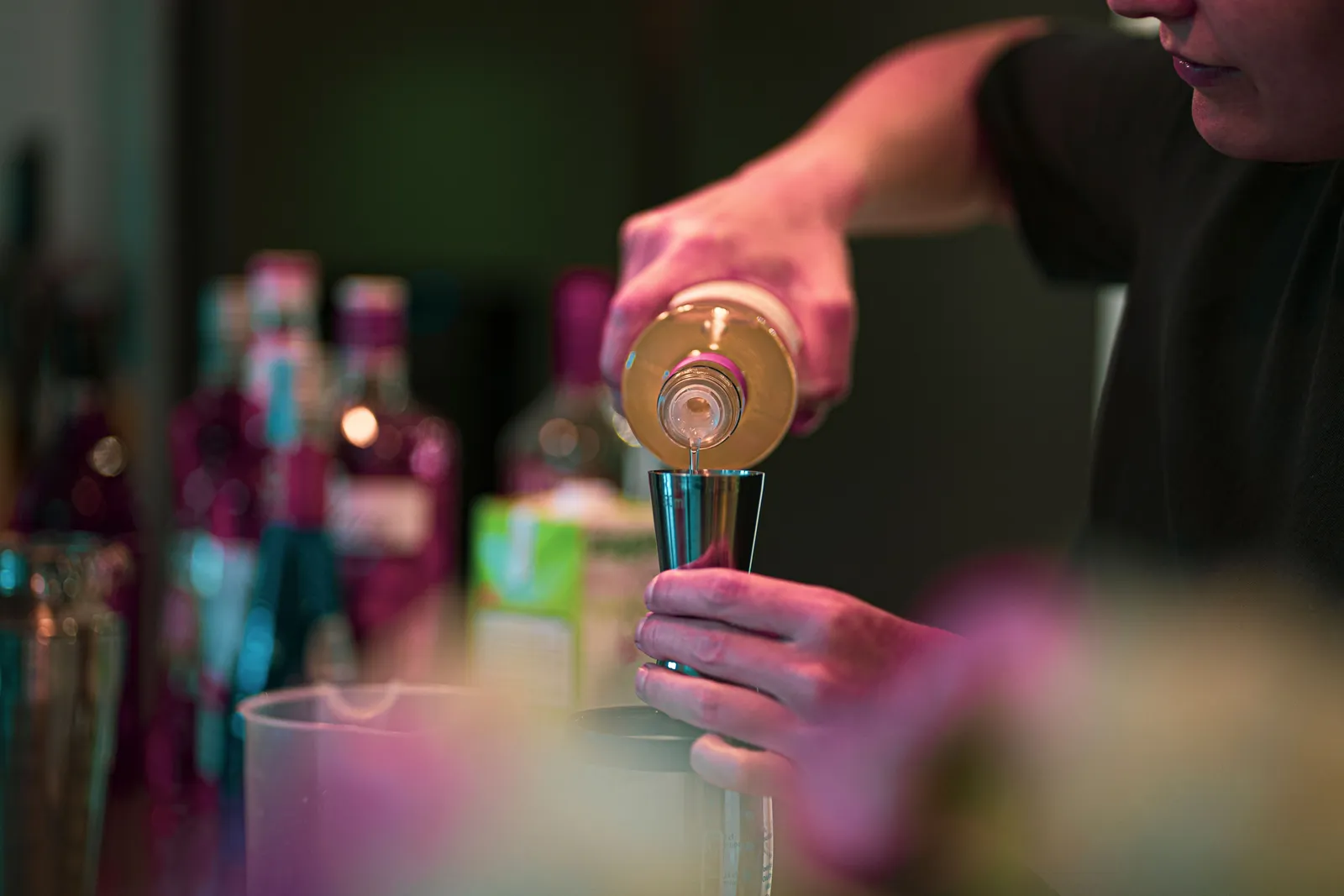
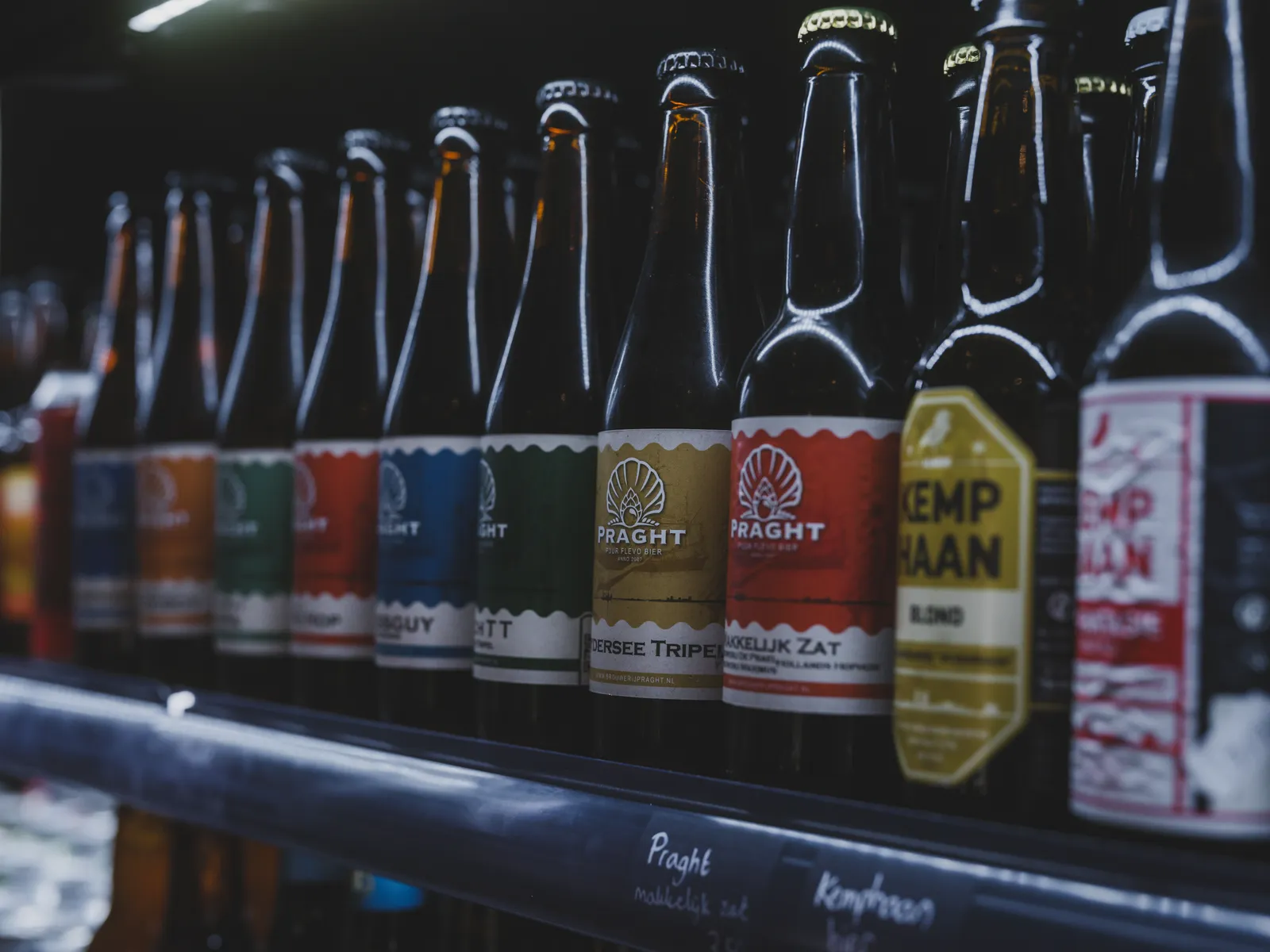
Watch the seal. If you are drinking spirits, buy or order from a bottle that is sealed and opened in front of you, with an intact, well printed label. Broken seals, refilled looking bottles, smudged or misaligned labels and unusually cheap prices on premium brands are the flags that consumer advice consistently points to.
Buy from licensed retailers. Established supermarkets, licensed bottle shops and reputable hotels and bars are on a different footing from a stall, a street vendor or an unmarked shop selling branded spirits at a fraction of the going rate.
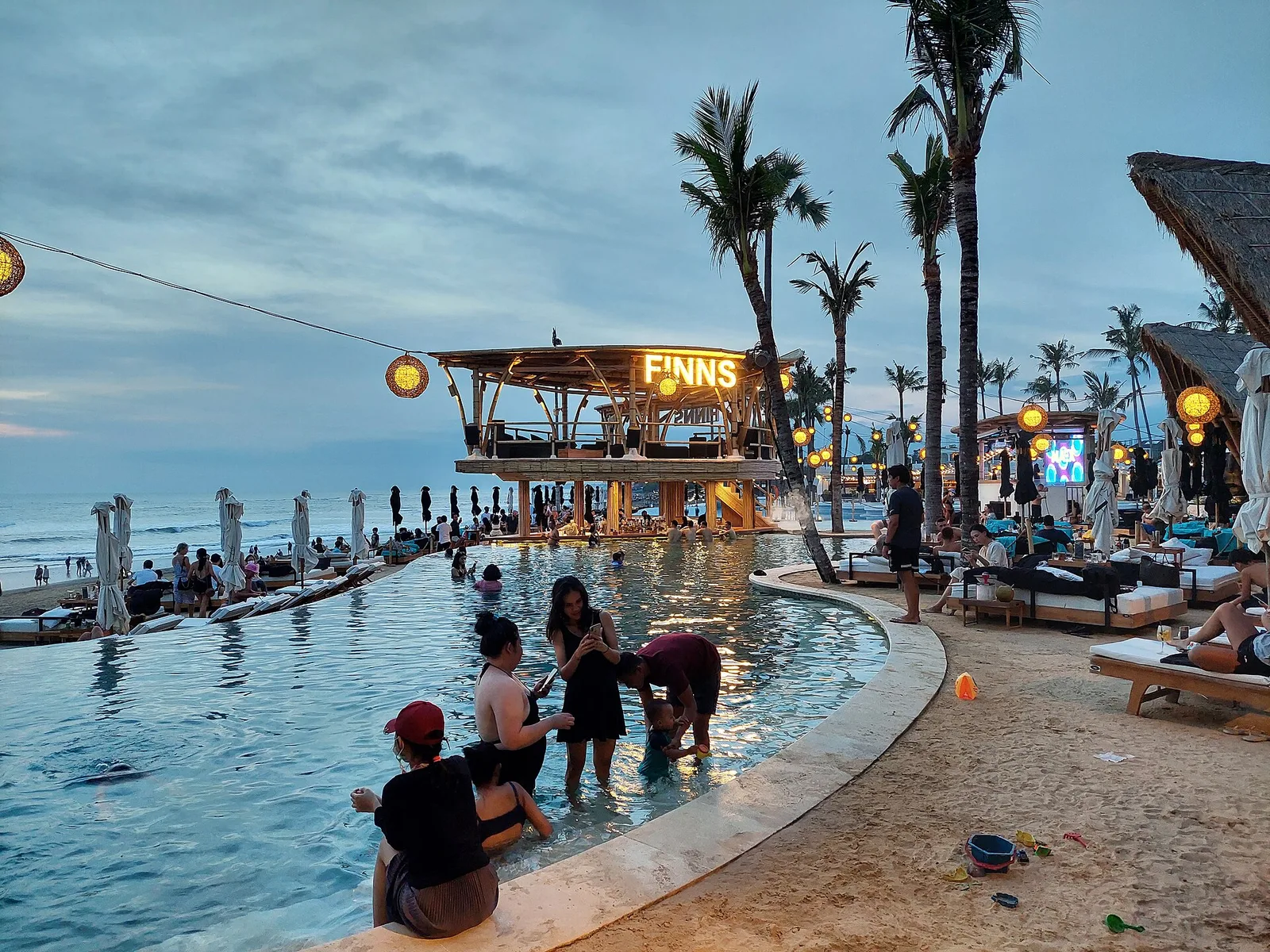
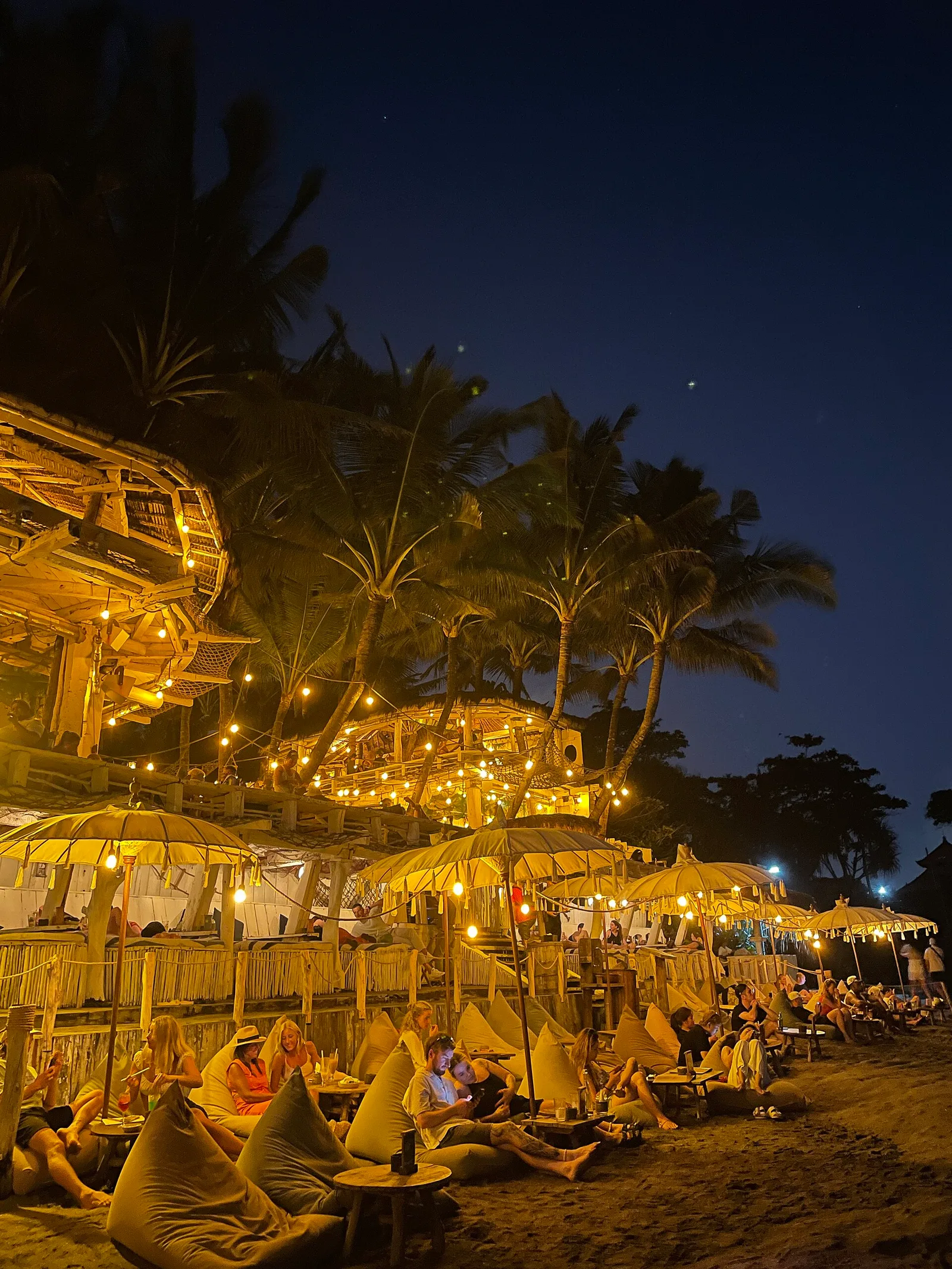
Be cautious with free pour and unlimited deals. Free flow packages, jug cocktails and unbranded house spirits mean you have no visibility of what went in. This is not a reason to avoid the big established venues covered in our beach club guide, which buy through proper channels; it is a reason to think about the very cheap unbranded end of the market.
The symptoms, and the mistake people make
This is the part that matters most, because the natural response is exactly the wrong one.
World Health Organization guidance on methanol poisoning describes a latent period between drinking and the onset of symptoms. Effects can appear roughly 12 to 24 hours after exposure, and drinking ordinary alcohol at the same time delays them further. In the first hours a person may simply seem drunk, which is why nobody reacts.
The serious signs described in that guidance include abdominal pain, nausea and vomiting, difficulty breathing, seizures, and visual disturbance: blurred vision, tunnel vision, apparent blindness or a complaint that everything looks like a snowstorm. Vision changes after a night of drinking are not a hangover. They are a red flag.
The mistake is letting someone sleep it off. The dangerous phase frequently begins long after the drinking has stopped, so a person who seems merely hungover the next morning can be deteriorating. If methanol is a possibility, go to hospital, and say the word methanol to the staff. WHO guidance notes that poisoning can be treated successfully when diagnosed early, and that treatment involves specific antidotes and dialysis rather than anything that happens at home.
Where to go, and who to call
Save the numbers before you need them. 112 is Indonesia’s national emergency line and reaches police, ambulance and fire. In practice, in Bali traffic, the fastest route to care is often a car straight to an emergency department rather than waiting for an ambulance.
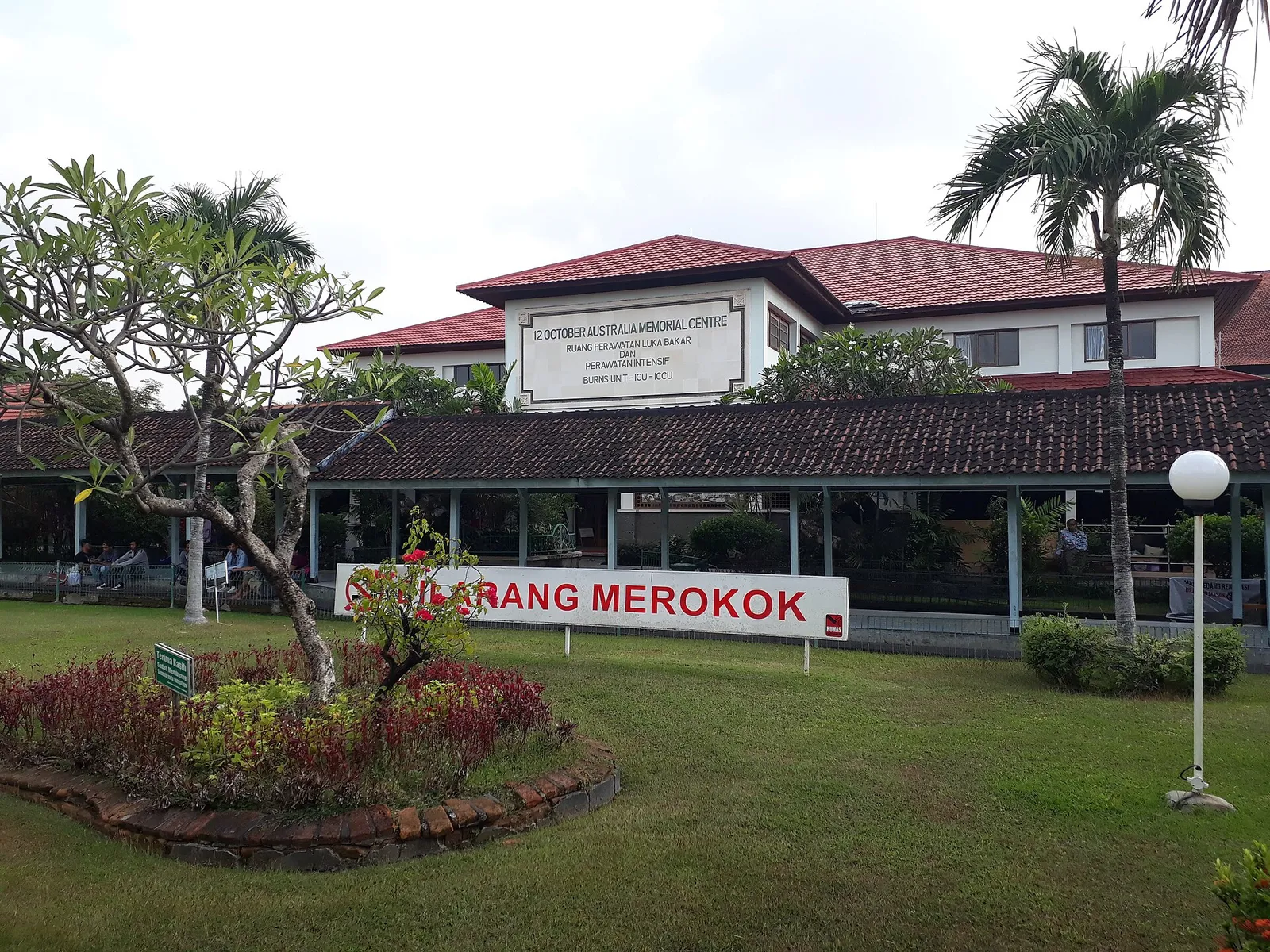
The private hospitals used to treating foreign patients are BIMC, with branches in Kuta and Nusa Dua, and Siloam in Denpasar, all with 24 hour emergency rooms and English speaking staff. Our emergency numbers guide has the direct hospital lines and the wider playbook for what to do when things go wrong, and it is worth saving offline.
Two practical realities. Private care in Bali is paid up front or against an insurer’s guarantee letter, and serious cases are frequently stabilised locally and evacuated to Singapore, which is expensive. That is the argument for proper travel insurance rather than a credit card add on.
Check your policy covers emergency treatment and evacuationMedical evacuation from Bali runs into tens of thousands, and alcohol exclusions vary by insurerRead your policy’s alcohol clause before you travel. Many policies restrict or exclude claims arising from intoxication, and the wording varies enough between insurers that it is worth knowing where you stand.
Drink spiking, which is a separate problem
Methanol and spiking get discussed together but they are different risks with different countermeasures. Spiking means something added to a drink, usually to incapacitate, and the precautions are the familiar ones: watch your drink being made, keep it with you, do not accept drinks from strangers or take one handed to you already mixed, and agree with your group that nobody goes home alone.
The pattern to react to is effects that are disproportionate to what was drunk: sudden heavy drowsiness, confusion, loss of coordination or a memory gap after one or two drinks. Get the person somewhere safe with people they know, do not leave them alone, and seek medical help if they cannot be roused or their breathing is affected.
The other line you should not cross
While on the subject of what governments actually say: Indonesia enforces some of the strictest drug laws in the world, and both Australian and UK travel advice state that penalties are severe, including long prison sentences and the death penalty. This applies to quantities that would be treated as minor possession elsewhere, and it applies to visitors exactly as it applies to residents. Anything offered to you on a night out in Kuta or Canggu, regardless of how casually, sits on the wrong side of that line.
None of this should stop you having a good night. Bali’s bars and beach clubs are one of the genuine pleasures of the island, and the overwhelming majority of visitors drink there without incident. The point is narrower than that: know where your spirits came from, know what the symptoms look like, and know that the correct response to them is a hospital rather than a bed.
For the current official wording, check the Smartraveller Indonesia page maintained by the Australian Department of Foreign Affairs and Trade, or the UK government’s Indonesia travel advice, before you fly. Both are updated as the situation changes, and both are free.