Nobody plans the day they need this article, which is exactly why it is worth five minutes before your trip. Bali has good private medical care, responsive emergency services and a well-worn path for helping foreigners in trouble, but the system works very differently from home, and knowing three phone numbers and two hospital names in advance turns a crisis into a manageable bad day. Save this page offline.
The numbers to save right now
| Service | Number |
|---|---|
| All emergencies (national line) | 112 |
| Police | 110 |
| Ambulance | 118 or 119 |
| Fire | 113 |
| Search and rescue (BASARNAS) | 115 |
| Tourist Police Bali (Denpasar) | +62 361 224 111 |
| BIMC Hospital Kuta (24h ER) | +62 361 761 263 |
| BIMC Hospital Nusa Dua (24h ER) | +62 361 3000 911 |
| Siloam Hospital Denpasar (24h ER) | +62 361 779 900 |
112 is the one to remember: it is Indonesia’s unified emergency number, free from any phone, and operators route you to police, ambulance or fire. English support exists but is inconsistent, so if you are struggling, ask any Indonesian nearby to make the call, or call a private hospital’s emergency line directly, since BIMC and Siloam dispatch their own ambulances and answer in English.
One honest caveat: ambulance response in Bali can be slow by Western standards, especially in traffic-choked areas. In many real emergencies, the fastest route to care is a car or taxi straight to the nearest emergency room, and locals will often help you do exactly that.
The hospitals that know how to treat travelers
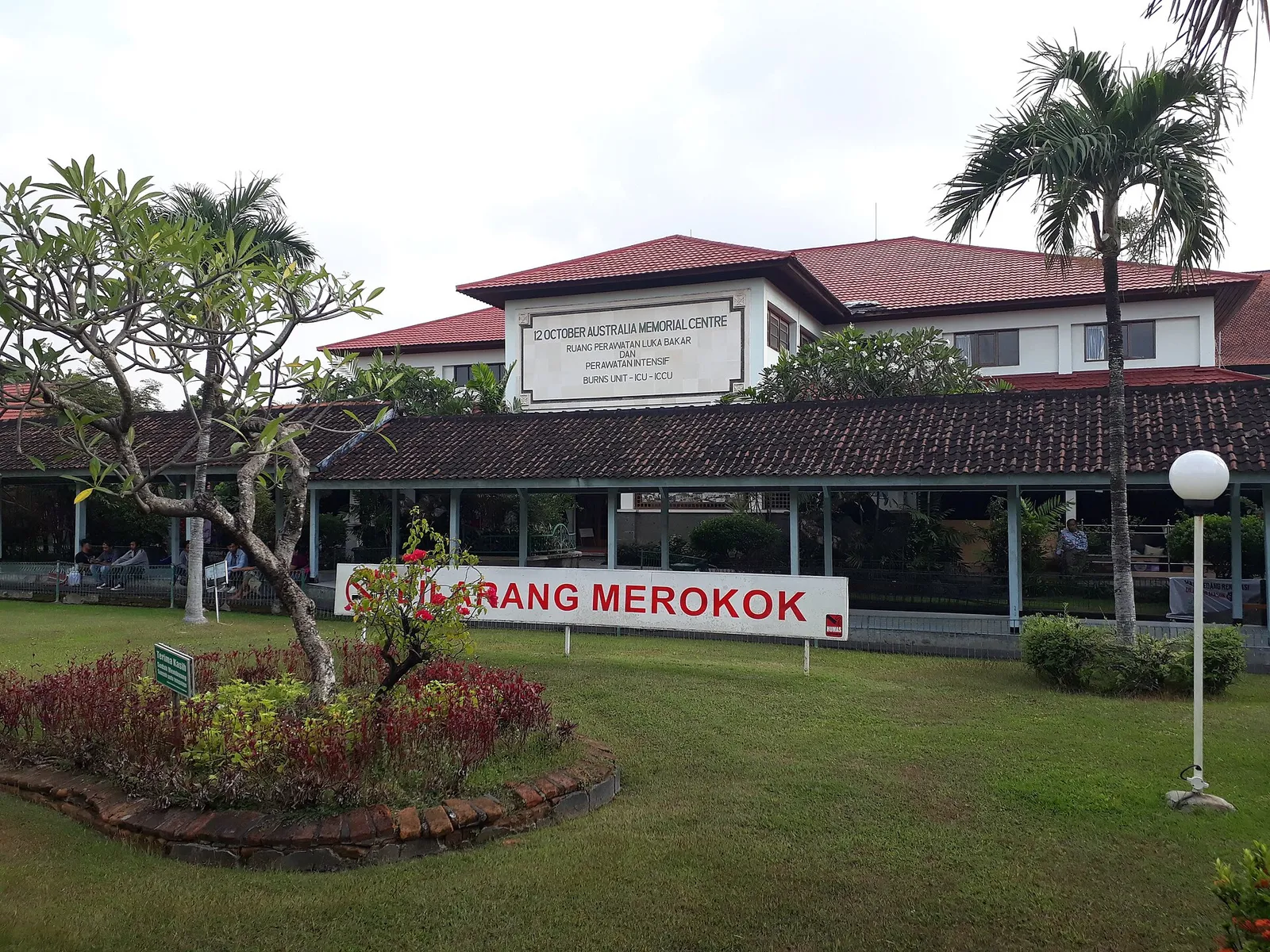
For anything serious, head to one of the island’s international-standard private hospitals. BIMC Hospital, with branches in Kuta and Nusa Dua, was built around foreign patients: English-speaking doctors, 24-hour emergency rooms, and front desks that deal with travel insurers every day. Siloam Hospital Denpasar, near Kuta, is a large modern private hospital with a 24-hour ER, intensive care and a wide specialist bench. In Ubud and along the east coast, private clinics and the hospitals’ satellite branches handle most problems and stabilize the rest for transfer south.
Two practical realities. First, private care is paid care: expect to hand over a card or an insurer’s guarantee letter before treatment beyond immediate stabilization. Keep an emergency fund or credit limit available and call your insurer’s assistance line early, since they can send guarantee-of-payment letters directly. Second, for major trauma, cardiac events and complex surgery, the standard of care is stabilization in Bali followed by air evacuation to Singapore, the region’s medical hub. Those flights cost tens of thousands of US dollars, which is the single strongest argument for proper travel insurance with evacuation cover.
Motorbike accidents: the number one risk
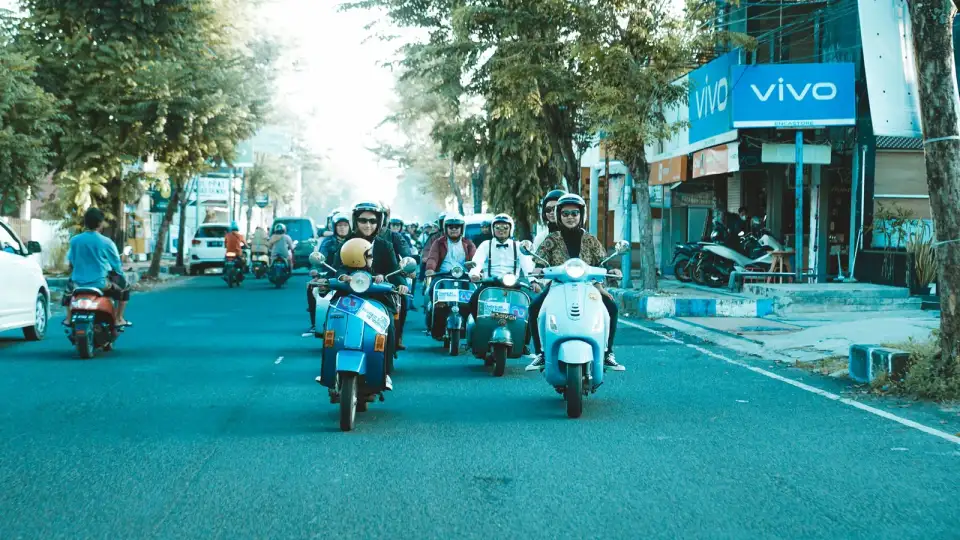
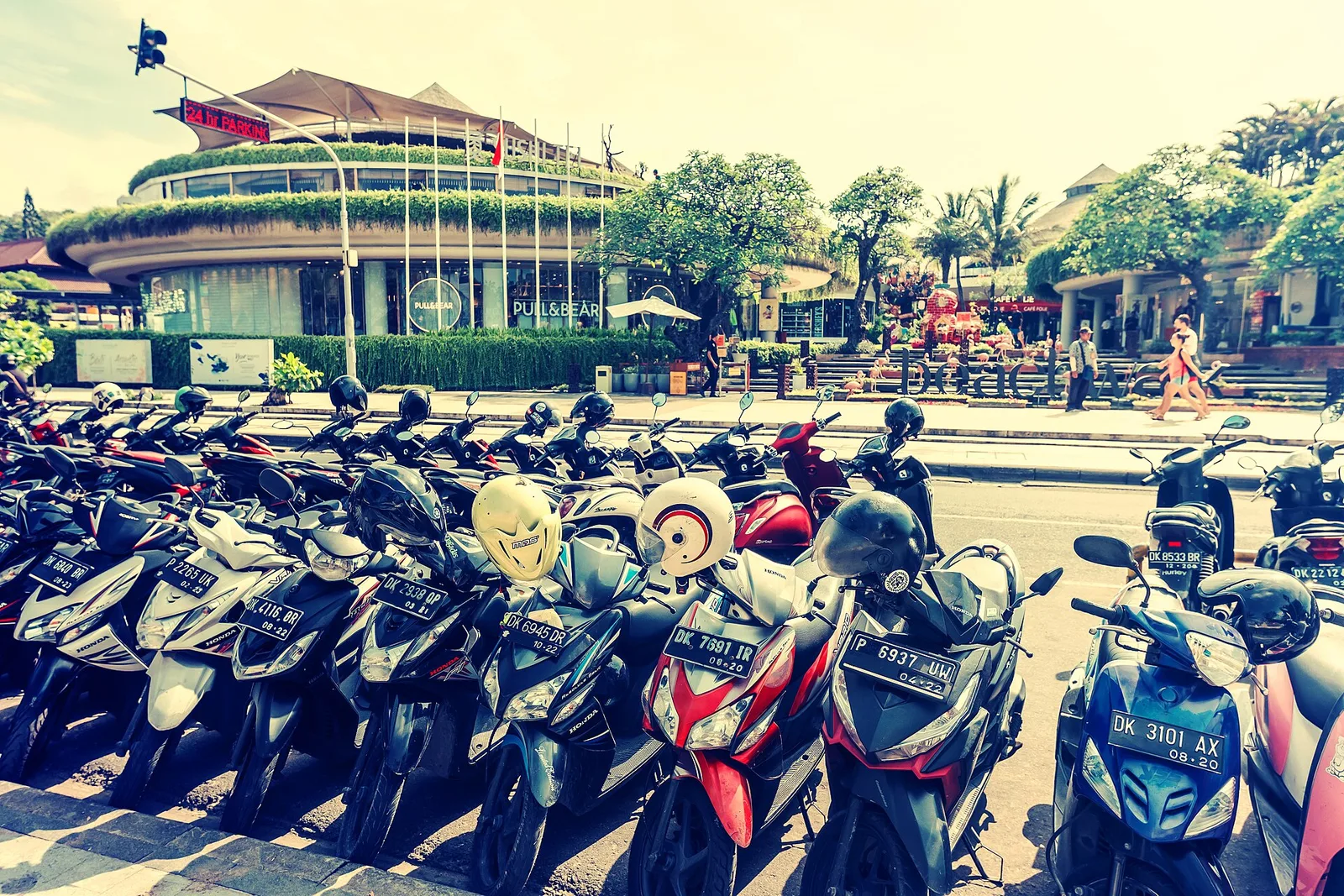
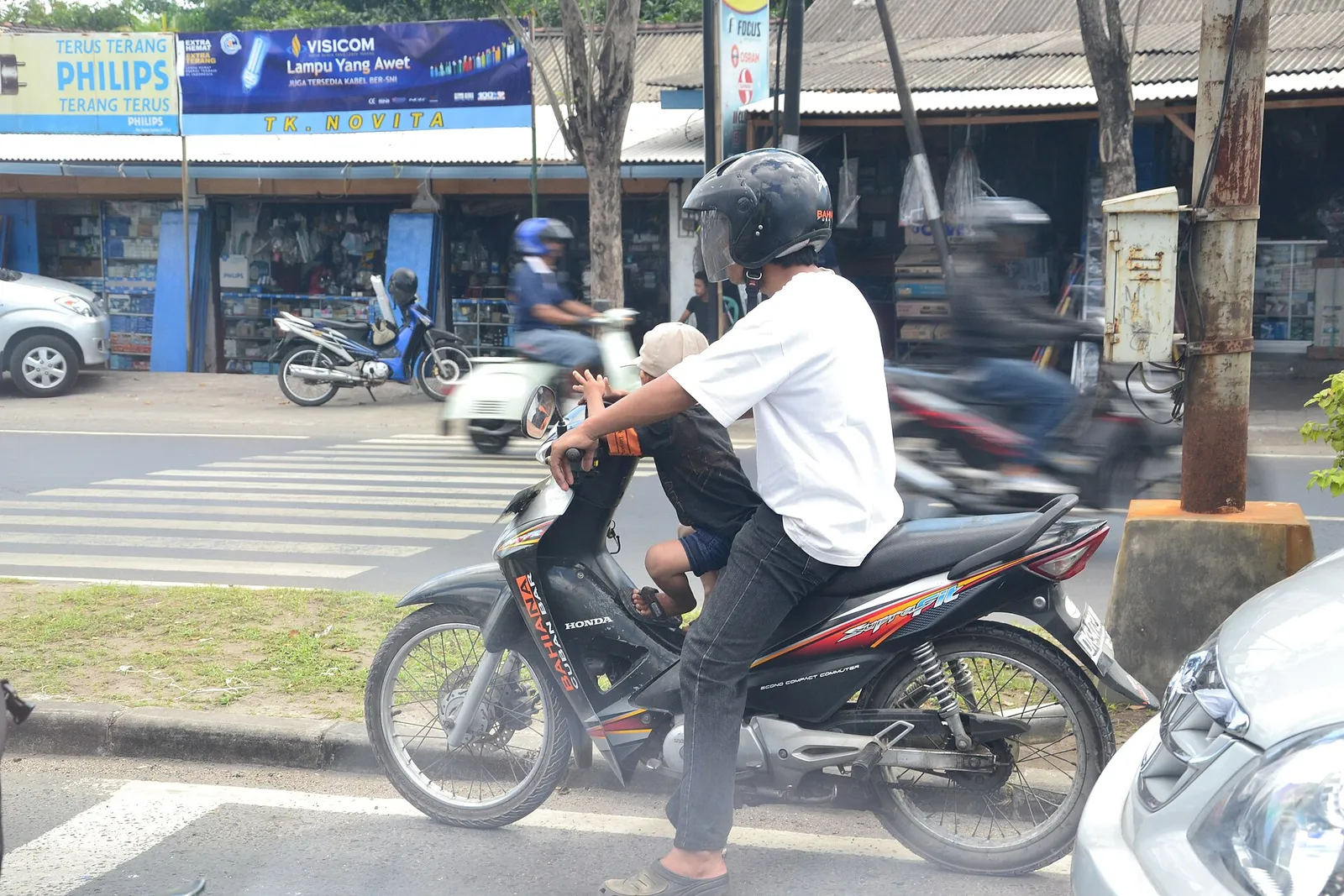
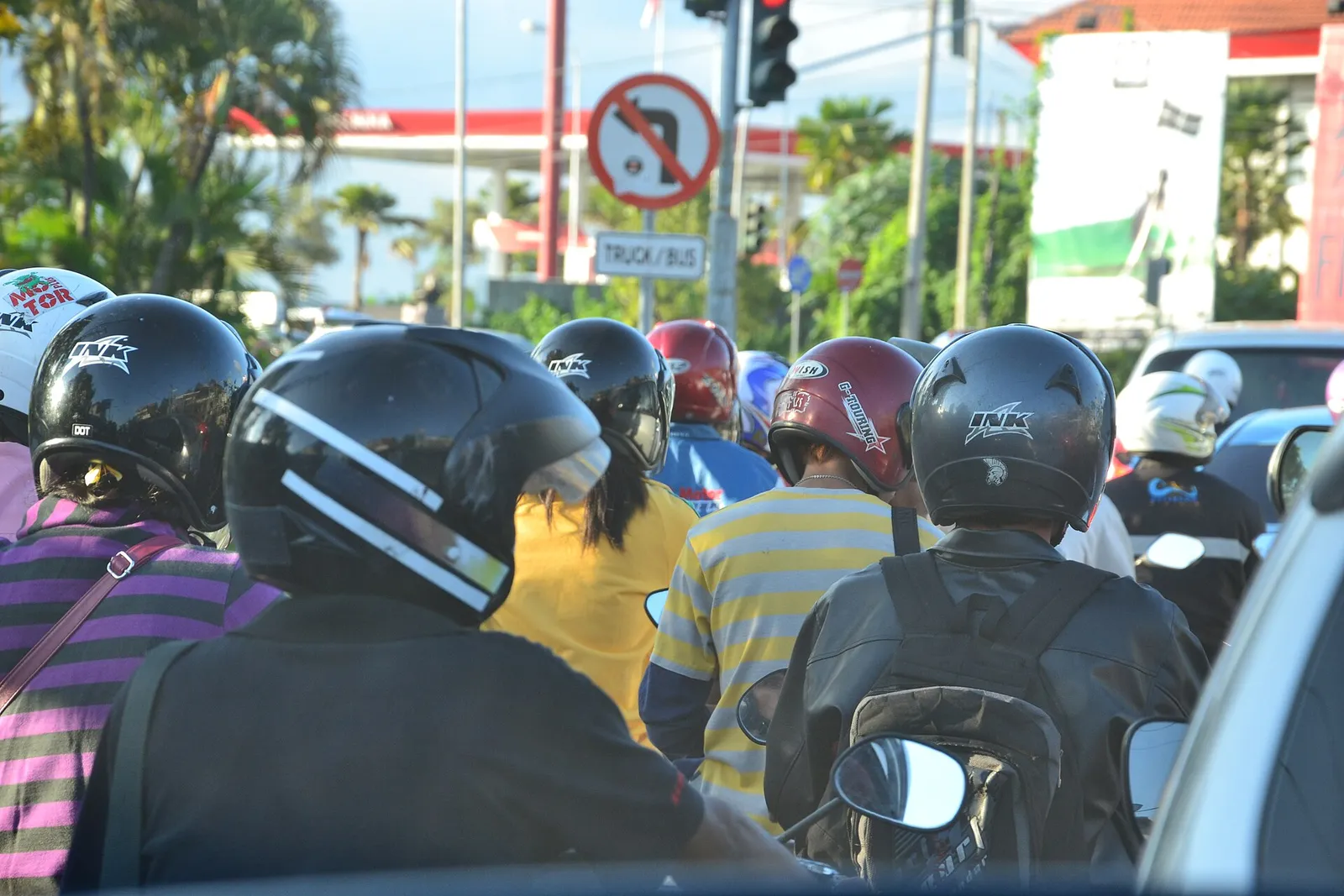
Nothing else comes close. Scooter and motorbike crashes are the leading cause of serious injury and death among visitors to Bali, fueled by inexperience, no helmets, rain-slicked roads and the occasional Bintang too many. The ERs at BIMC and Siloam treat road-rash and fracture cases every single day, and “no license, no helmet” is also the fastest way to have an insurance claim denied.
If you ride: wear a real helmet, carry an international driving permit with a motorcycle endorsement, assume every side road hides a dog or a truck, and never ride at night in the rain. If you crash: get off the road, call 112 or have someone drive you to an ER, photograph everything, and notify your insurer the same day. Our scooter and car rental guide covers licenses, rental checks and safer alternatives in detail; if you are not a confident rider, a car with a driver is cheap enough that pride is the only reason to skip it.
Dengue, Bali belly and the everyday hazards
Dengue fever is present year-round and spikes in the wet season. The carrier mosquitoes bite by day, so repellent is a morning habit, not just an evening one. A high fever with headache, joint pain or a rash a few days after arrival deserves a same-day clinic visit and a blood test; dengue is managed with monitoring and fluids, and catching it early keeps it boring.
Stomach trouble, the infamous Bali belly, hits some visitors in their first week. Drink sealed or filtered water only, be sensible with ice from unknown sources, and carry oral rehydration salts. Most cases pass in 24 to 48 hours; blood, high fever or dehydration mean a clinic visit. Beyond that, respect the ocean: swim between flags where they exist, ask locals about currents, and treat coral cuts seriously in the tropics. Pharmacies (apotek) are everywhere and well stocked for minor issues, and clinics in every tourist area handle stitches, infections and IV rehydration without an ER trip. More prevention basics live in our first-timer guide.
Police, theft and losing your documents
For theft, scams or accidents involving another party, file a report with the police (110) or the tourist police, who are used to working with foreigners. Get the written report: insurers require it for any claim, and embassies require it for replacing a passport. Petty theft, bag snatches from scooters, phones left on beach towels, is the common crime; violent crime against tourists is rare.
If you lose your passport, the sequence is: police report, then contact your embassy or consulate. Many countries serve Bali from their embassy in Jakarta, often with a consulate, consular agency or honorary consul in Bali itself, so check your government’s travel site for the local contact before you fly and save it alongside the numbers above. You will also need to regularize your stay with immigration before departure, which is where the entry stamp details in our visa and entry guide come in handy.
The five-minute preparation that changes everything
Before you fly: buy insurance that covers scooters and evacuation, save this page’s numbers plus your insurer’s 24-hour assistance line, note your embassy’s emergency contact, photograph your passport and policy, and share your itinerary with someone at home. In Bali, that preparation converts almost any emergency from a catastrophe into a story you will eventually tell at dinner.