Bali’s border is one of the easiest in Asia for tourists, but it comes with a handful of rules that catch people out: a passport validity requirement airlines enforce ruthlessly, a digital arrival card everyone must file, a small tourism levy, and surprisingly specific limits on things like alcohol and vapes. Here is the whole entry process, start to finish, so the only surprise on landing is how good the air smells.
The visa on arrival, in plain terms
Most nationalities, more than 90 of them, qualify for a visa on arrival (VoA) at Ngurah Rai International Airport in Denpasar. The list covers the US, the UK, Ireland, all EU states, Canada, Australia, New Zealand and South Africa, among many others. It costs IDR 500,000, at mid-2026 rates, is valid for 30 days, and can be extended once for another 30, giving you up to 60 days on the island. You can pay by card or cash at the airport counters, and the sticker goes straight into your passport.
Two important caveats. First, the VoA is for tourism, family visits and short business meetings, not for working. Second, eligibility is by nationality, and lists do change, so check the current rules for your own passport on the official Indonesian immigration site or with your airline before booking. If your nationality is not on the VoA list, you will need to apply for a visit visa in advance through an Indonesian embassy or the official online portal.
One clarification that saves confusion: the 30 days are calendar days including the day you arrive, not a month, and not thirty full days from the moment you clear the desk. Count them from the arrival date on the stamp and give yourself margin, because the penalty for getting it wrong is charged per day and per person.
e-VOA: the same visa, without the queue
The e-VOA is exactly the same visa bought online before you fly, through the official Indonesian immigration e-visa site at evisa.imigrasi.go.id. Same price, same 30 days, same single extension. The difference is practical: on arrival you skip the payment counter and go straight to the immigration desks, which matters when three wide-body flights unload at once. Applications open up to 14 days before arrival and close roughly 48 hours before you land, so aim for about a week out. Upload a passport photo page and a return or onward ticket, pay by card, and print or save the PDF.
Stick to the official site. Plenty of lookalike agencies charge double for the same document, and immigration officers only care about the real one. Note that the old molina.imigrasi.go.id portal has been retired, so ignore any guide or agency still pointing you there.
If your nationality is not on the VoA list
The visa on arrival is generous but it is a list rather than a universal rule, and travellers whose passport is not on it need a visit visa arranged before departure, either through an Indonesian embassy or consulate or via the official online portal. Expect the usual short-stay evidence: passport validity well beyond the trip, a return or onward ticket, accommodation details and proof that you can support yourself.
Allow weeks rather than days, and do not book non-refundable flights before the decision. As with the e-VOA, apply through official channels only. The agencies that appear at the top of a search and charge several times the government fee are selling you a form-filling service, not a faster decision.
Extending your stay
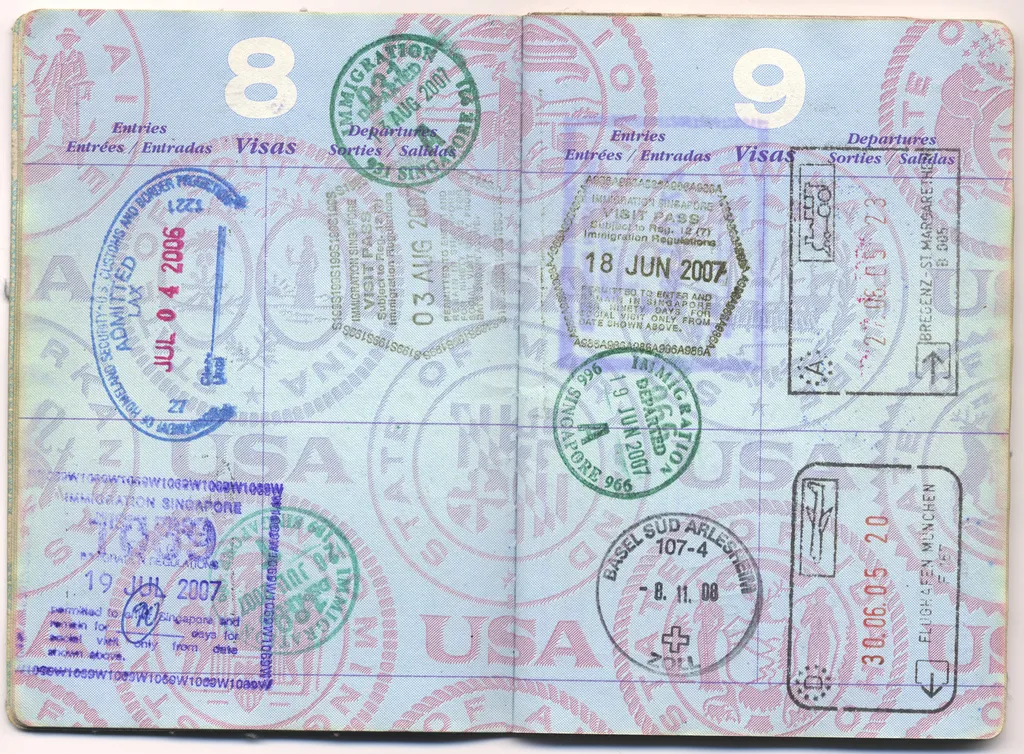
Fell for the island? You can extend the VoA or e-VOA once, for 30 extra days. Start early: the process takes several working days and may require a visit to an immigration office for a photo and fingerprints. You have three routes:
- Online, through the same official portal, if you entered on an e-VOA.
- In person at an immigration office (Denpasar, Jimbaran or Singaraja serve Bali).
- Through a licensed visa agent, who handles the paperwork and office visit for a fee on top of the government one, which varies by agent and is worth confirming in writing before you commit. For most travellers on holiday time, this is money well spent.
Do not overstay. The fine is IDR 1,000,000 per day, charged per person including children, payable before you fly out. There is no grace period, and overstays beyond 60 days can mean detention, deportation and a re-entry ban.
What you need at the border
| Requirement | The rule in 2026 |
|---|---|
| Passport validity | At least 6 months from arrival, 1+ blank page |
| Visa on arrival / e-VOA | IDR 500,000, 30 days, one extension |
| Onward or return ticket | Required, airlines check at check-in |
| All Indonesia Arrival Card | Free digital form covering immigration, customs and health |
| Tourism levy | IDR 150,000 per entry, via the Love Bali site or on arrival |
| Proof of funds or hotel | Rarely asked, but have a booking confirmation handy |
The All Indonesia Arrival Card is the form that catches out anyone working from an older guide. Since late 2025 it has replaced the separate electronic customs declaration (e-CD) and the health form, rolling immigration, customs and health details into a single free submission at the official portal, allindonesia.imigrasi.go.id. One adult can file for a family travelling together, but every traveller, including infants, gets their own QR code to show on the way out of baggage claim. It takes five minutes, so do it in the days before you fly, or on the plane’s Wi-Fi if you forgot.
The tourism levy is Bali-specific: a one-time IDR 150,000 payment per entry, that funds culture and environment programmes. Pay it online through the official Love Bali site before you travel and keep the QR voucher on your phone. Enforcement has tightened, and tourist police now run spot checks at big sites such as Uluwatu and Tanah Lot.
Customs: what you can and cannot bring
Indonesia’s customs rules are stricter than the beach-paradise image suggests, and enforcement at Denpasar is real.
- Alcohol: maximum 1 litre per adult. There is no option to pay duty on the excess: anything over the litre is confiscated and destroyed. Duty-free bought at the airport counts toward the limit.
- Cigarettes: up to 200 cigarettes (or 25 cigars, or 100 g of tobacco) per adult.
- Vapes and e-liquid: legal for personal use, but bring a personal quantity only. A suitcase pocket of devices or bottles reads as commercial import and can be taxed or seized.
- Drugs: Indonesia has some of the harshest drug laws in the world, including the death penalty for trafficking. That includes cannabis and CBD products of any kind, even prescribed ones. Do not test this.
- Cash: amounts over IDR 100 million, or the equivalent in another currency, must be declared.
- Drones: allowed for personal use, but register and follow local flight rules near temples and airports.
Medicines for personal use are fine; keep them in original packaging, and carry a doctor’s letter for anything containing controlled substances such as strong painkillers or ADHD medication.
Insurance: the requirement nobody checks
Indonesia does not routinely ask tourists for proof of travel insurance at the border, and that is precisely why it gets skipped. The reason to have it has nothing to do with the desk. Private hospital care in Bali is billed at international rates, payable up front, and the genuinely expensive scenario, an air evacuation to Singapore or Australia, costs many times the price of the entire holiday.
Note also that no European arrangement helps here: an EHIC or a UK GHIC covers state healthcare within a defined group of countries, and Indonesia is not among them, so EU and British travellers who are used to being covered abroad are not. The specific Bali exclusion to read for is riding a scooter, since most policies will not pay out unless you hold the correct licence with a motorcycle entitlement plus an international permit, and unless you were wearing a helmet. Our guide to travel insurance for Bali covers what to look for and the clauses that decide whether anything is actually paid.
Travelling with children
Every child needs their own passport meeting the same six-month validity rule, their own arrival card QR code, and, where applicable, their own visa. The overstay fine is charged per person including children, so a family that miscounts by a week pays four times over.
Requirements for minors travelling without both parents vary by the child’s nationality and by the airline, and can include a consent letter or documents showing the relationship. There is no single Indonesian rule to quote, so check with your own authorities and the airline before booking rather than at the check-in desk.
The arrival flow, step by step
Denpasar’s arrival process is smoother than it used to be, especially with paperwork done in advance. Expect this sequence: land, walk to immigration, pay for the VoA if you did not buy the e-VOA, clear the passport desks (autogates work for many e-VOA holders), collect bags, scan your arrival card QR code at customs, and walk out into the taxi scrum. With an e-VOA and a pre-filed arrival card, 30 to 45 minutes from gate to curb is normal; at peak evening hours without them, it can stretch well past an hour.
From there, getting to your hotel is its own small adventure, and worth reading up on before you land, since prices at the curb vary wildly. Our airport transfer guide covers taxis, ride-hailing pickup rules and typical fares to every major area.
Leaving again
Departure is simpler than arrival, with one thing to get right. Immigration checks your days against your visa on the way out, which is where an overstay surfaces and where it is paid, per person and per day, before you are allowed to fly. If your dates have moved, sort the extension in Bali rather than hoping the desk will not notice.
Two smaller points. International departure tax is normally included in your ticket rather than collected separately at the airport. And the tourism levy is an entry charge, so you are not asked for it again when you leave. Allow generous time for the drive to the airport: the road from the south is short and the traffic is not, and Bali’s long-haul departures cluster in the late evening.
Watch out for the lookalikes
Three official services here have unofficial imitators, and all three imitators appear high in search results: the e-VOA, the All Indonesia Arrival Card and the Love Bali levy. The genuine articles live at the government domains named above, two of the three are free or cheap, and none of them requires an agency.
The tell is always the same: a site that charges a “processing fee” on top of the government fee for filling in a form you could complete in five minutes. Immigration only recognises the real submission, so paying an agency buys you nothing but a larger bill. Bookmark the official addresses before you start rather than searching for them at the airport.
Before you fly checklist
Renew your passport if it is within six months of expiry. Apply for the e-VOA a week out. File the All Indonesia Arrival Card in the days before you land. Pay the Love Bali levy online. Screenshot every QR code, since arrival-hall Wi-Fi is temperamental. Book an eSIM so your phone works on landing, and check that your travel insurance covers the whole stay, including the extension if you might take one. Then read our first-timer guide for everything that happens after the stamp.