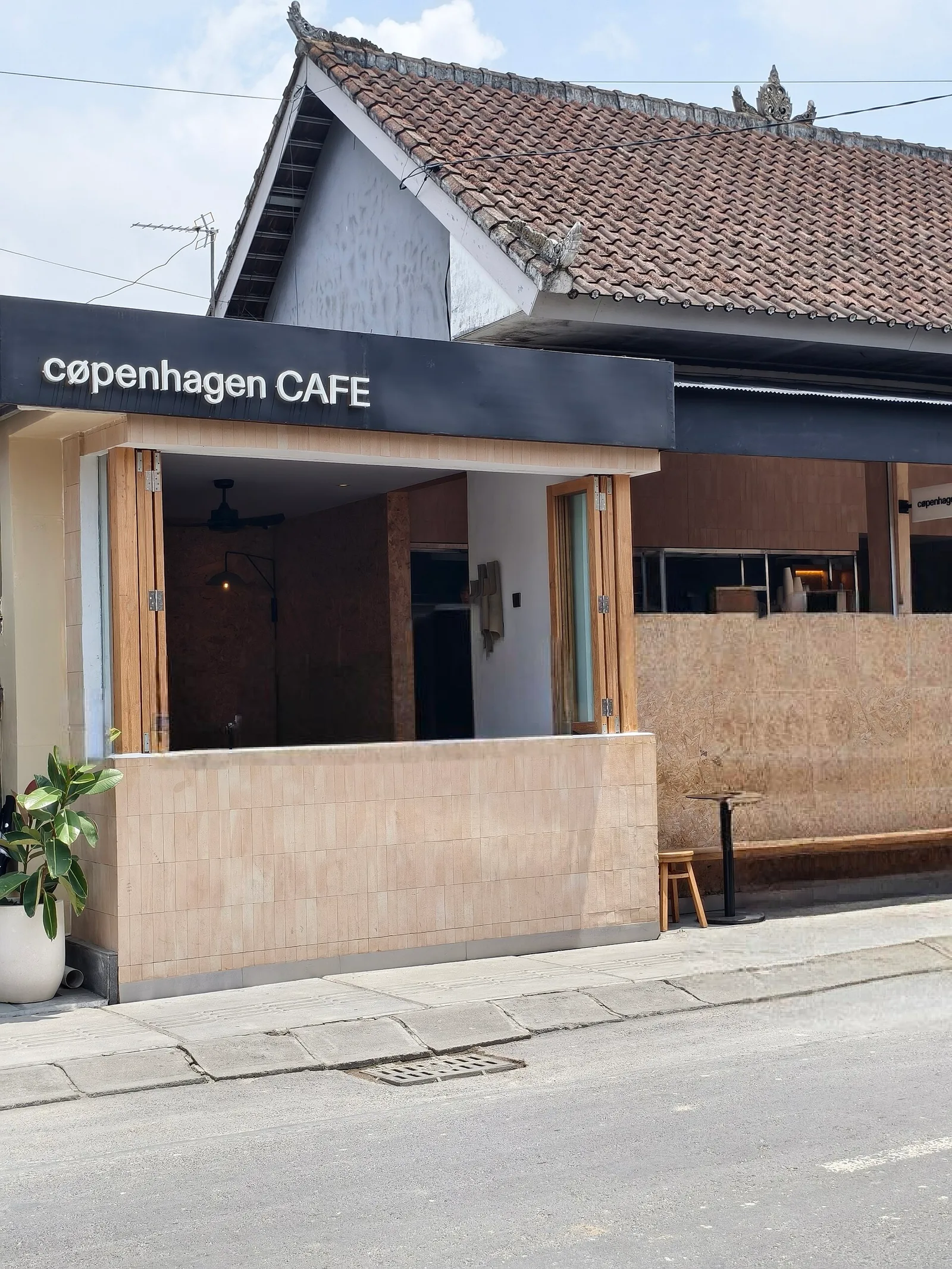
Somewhere in the last decade Bali developed one of the more improbable cafe scenes on earth: hundreds of rooms with good espresso machines, long tables, fast wifi, and menus of bowls, eggs and things involving turmeric, spread across a handful of beach towns and a hill town in the middle of an Indonesian island. It is genuinely good, it is a visitor economy rather than a local one, and it has its own etiquette. Here is how to use it well.
The two scenes
The west coast beach towns are the laptop and brunch capital: big airy rooms, long tables, sockets everywhere, surfers at nine and meetings at eleven. Our guide to Canggu covers the town at the centre of it.
Ubud is quieter and more health-focused, with raw and vegan menus, garden seating and a slower pace.
Elsewhere on the island the scene thins out fast, and outside these areas a coffee means a local warung and a strong sweet cup, which is its own pleasure.
The coffee
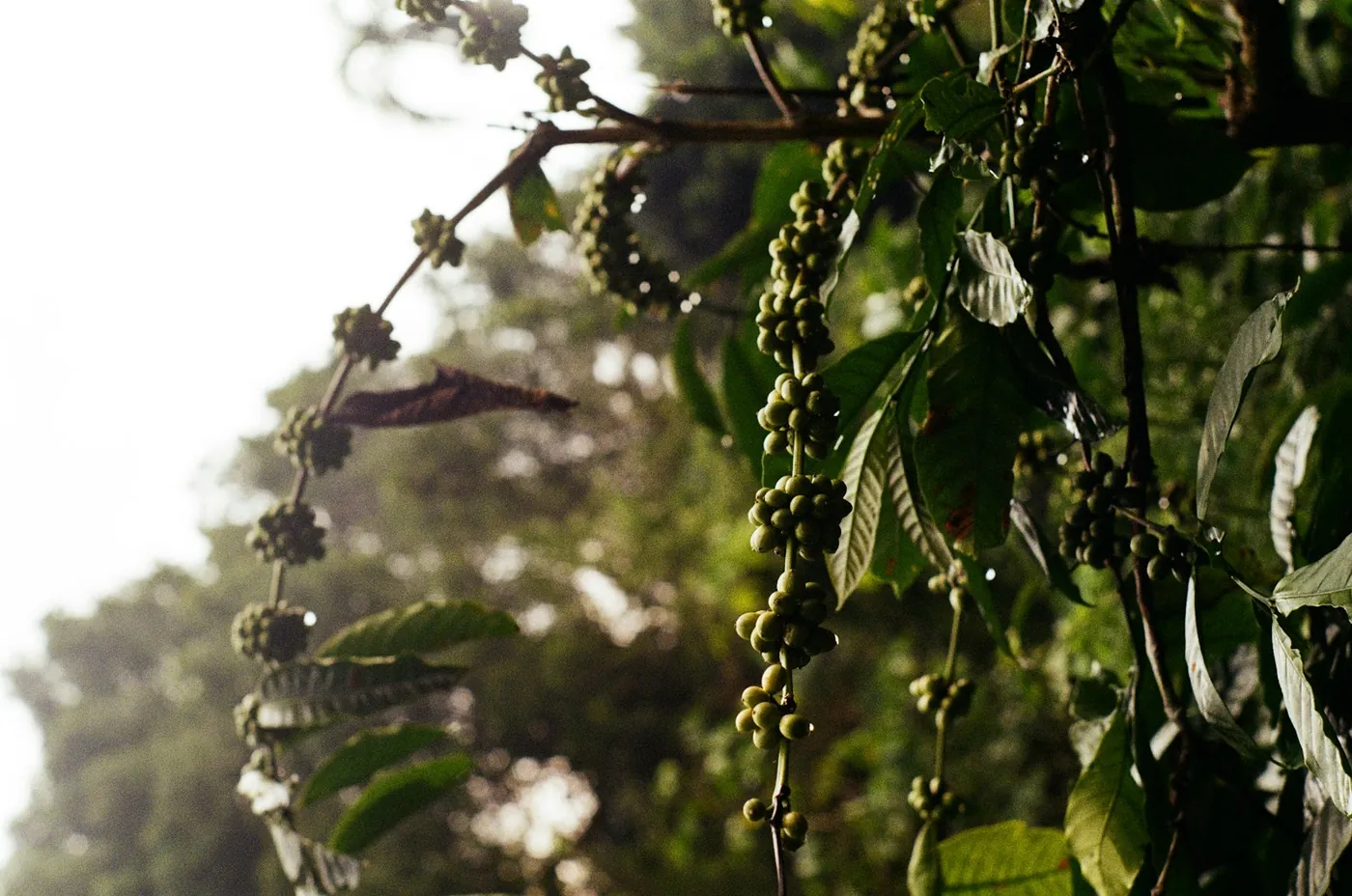
Indonesia grows excellent coffee and Bali grows its own in the highlands, so the raw material is there.
Specialty roasters operate on the island and several cafes roast their own.
Dark roasts dominate the local market, so ask what is being poured if you prefer a lighter style.
Traditional Balinese coffee is unfiltered, strong, sweet and served with the grounds settling in the cup, and is worth ordering at a warung at least once.
Prices at specialty cafes are many times a local coffee, which is worth registering rather than resenting.
The food
Smoothie bowls, which became the island’s signature and are on every menu.
Eggs in every configuration, since the scene runs on brunch.
Vegan and raw menus, which are unusually good and unusually widespread here.
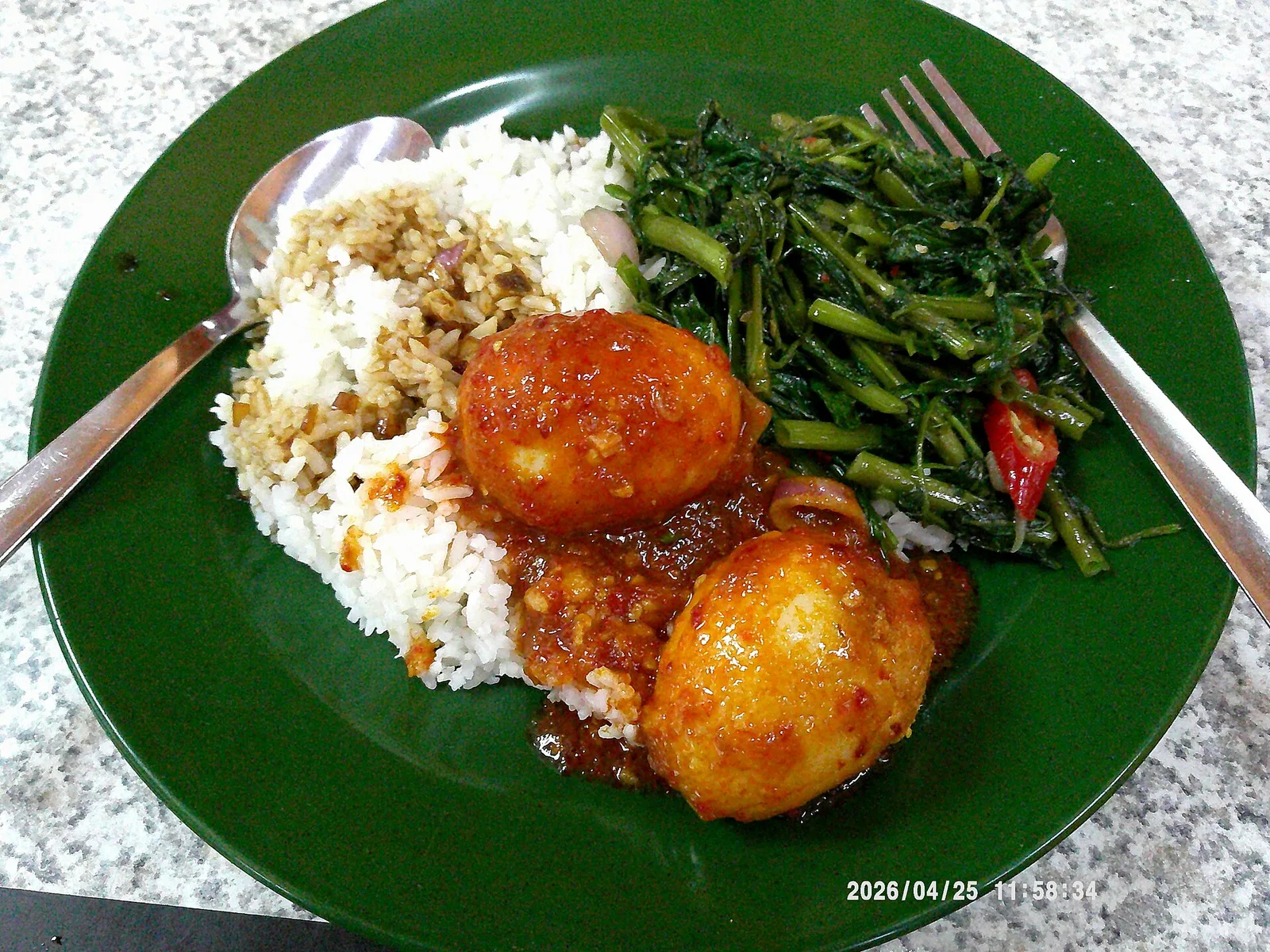
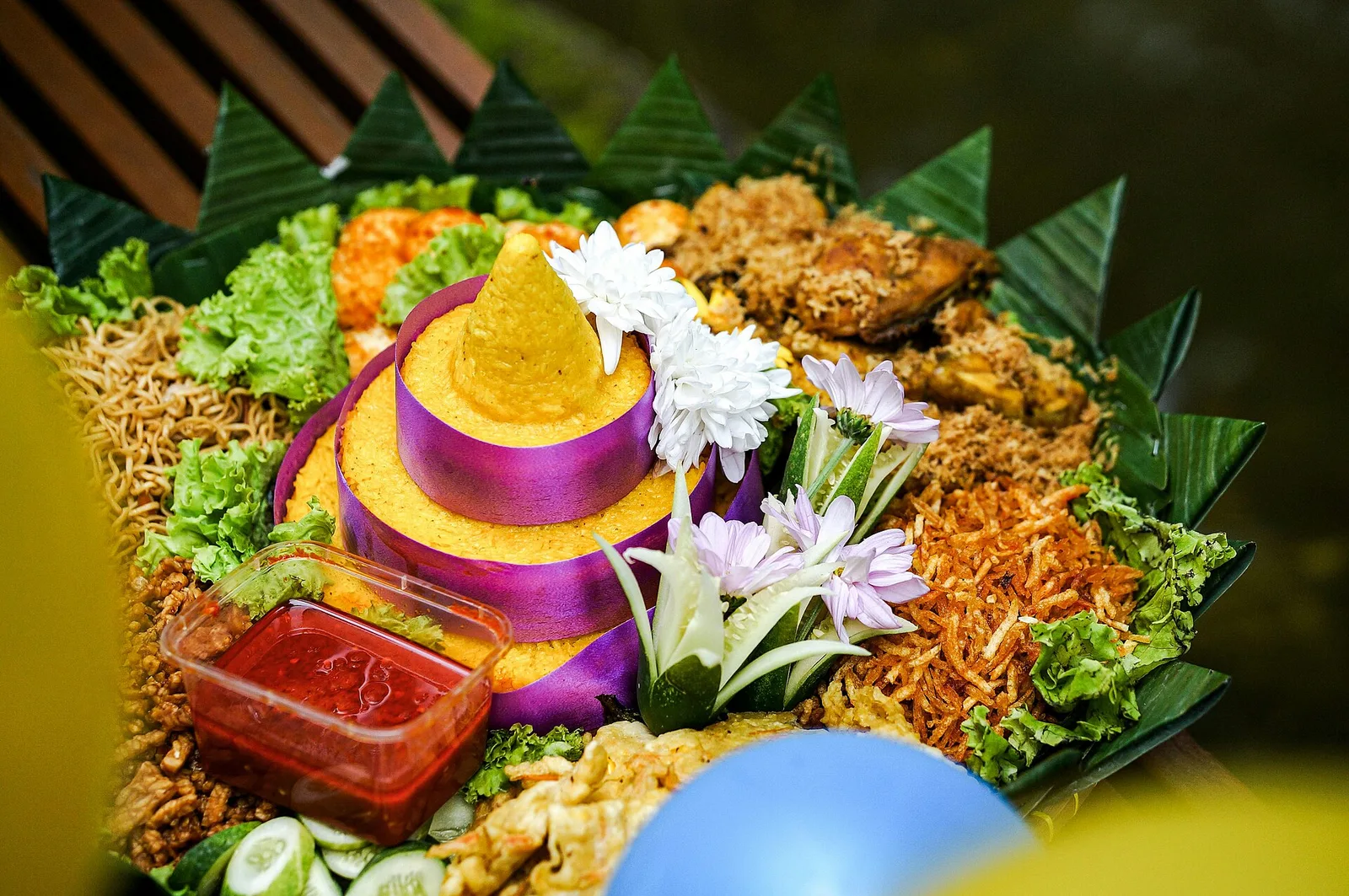
Local dishes done well at the better cafes, rather than only imported ones.
Cakes and pastries at a standard that surprises people.
Portions aimed at people who have been surfing, which is worth knowing at nine in the morning.
Working from a cafe
It is normal here and cafes are built for it.
Keep ordering. A coffee every couple of hours is the rent.
Give up the table at lunch if the place is full and you are on your second flat white of the morning.
Take calls outside or in a coworking space rather than at a shared table.
Check the power situation, since cuts happen and not every cafe has backup.
Coworking spaces exist across the same towns and are the right answer for anyone working full days.

Practical notes
Cards are widely accepted at cafes and cash is still useful.
Service and tax are added at established places.
Ceremony days close cafes at short notice.
Traffic between the beach towns is the real constraint on cafe-hopping, so pick a neighbourhood and walk.
Reusable bottle, since most cafes will refill it and the island’s plastic problem is visible on the beaches.
Where this fits
For the food of the island rather than the visitor economy, from warungs to the roast pig, our guide to where to eat in Bali covers the evening half.
And for the dishes themselves and what to order once the menu makes sense, our Bali food guide is the starting point.

The short version
Use the cafe scene in the west coast beach towns and Ubud, where it is concentrated and genuinely good, and pick a neighbourhood to walk rather than driving between them. Ask what coffee they are pouring, and try an unfiltered Balinese cup at a warung for contrast. Skip the civet coffee entirely. If you are working, keep ordering, give up the table at lunch, take calls elsewhere, and have a data connection of your own so a power cut does not cost you the day.