Bali’s cafe scene is mostly a story about the last fifteen years. The island’s actual coffee culture is much older, rooted in roadside warungs and highland smallholdings rather than laptop-friendly brunch spots, and it comes with one genuinely difficult question attached: kopi luwak, the civet coffee sold across the island as a novelty. Here is what the everyday version looks like, where the coffee actually comes from, and an honest account of the ethics behind the famous one, worth reading before you book anything out of Ubud, where most highland plantation tours begin.
The everyday cup: warung kopi
Long before Bali had a specialty scene, it had warung kopi, the small roadside stalls and family-run shopfronts where a coffee has always meant one thing: kopi tubruk. Hot water is poured directly over finely ground coffee, usually with a generous spoon of sugar already stirred in, and the grounds are left to sink and settle rather than filtered out. You drink around them, not through them, and the last sip is thick enough to notice. It is closer in style to Turkish or Greek coffee than to anything from an espresso machine, and it remains what most Balinese households actually drink at home.
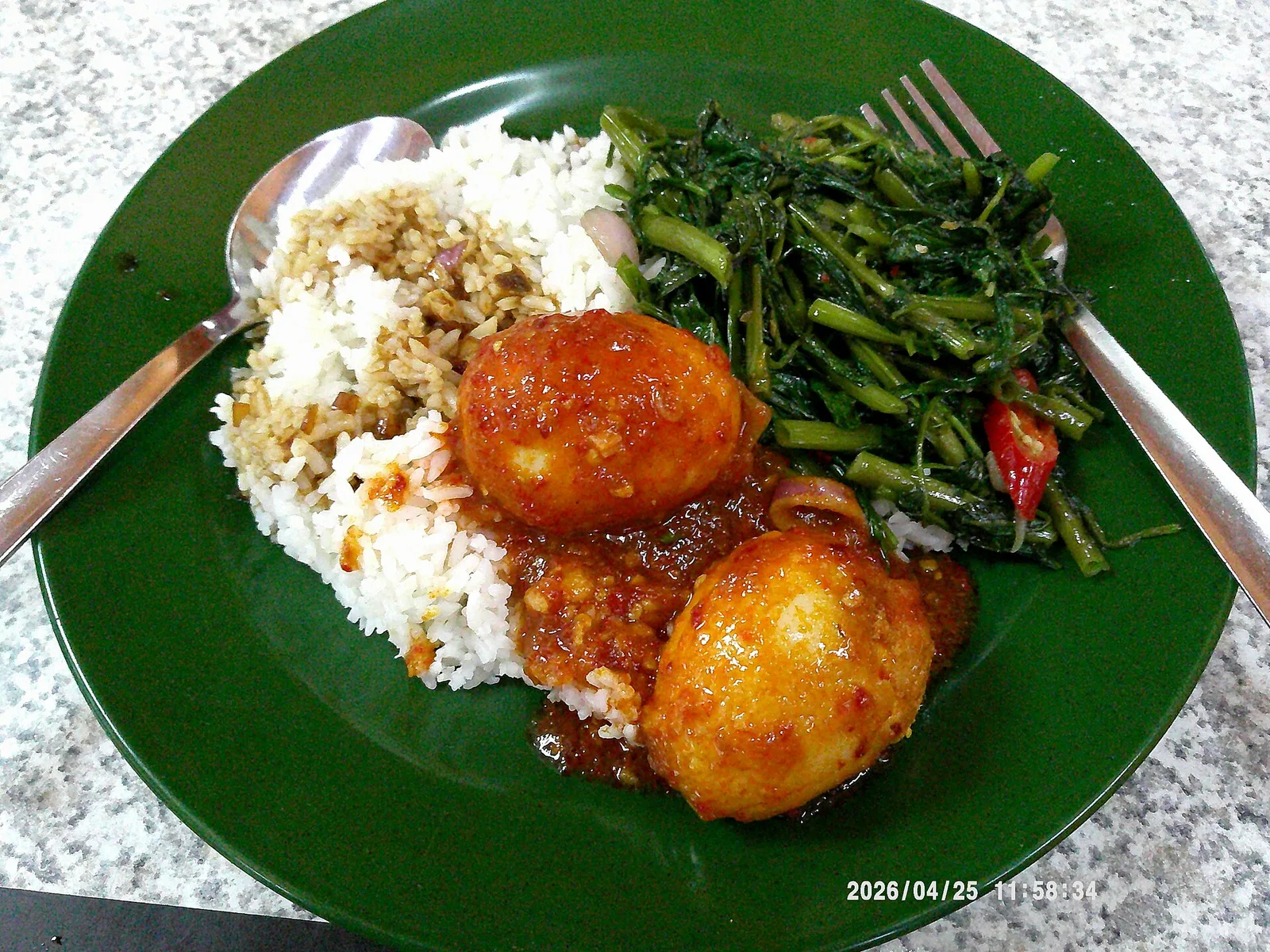
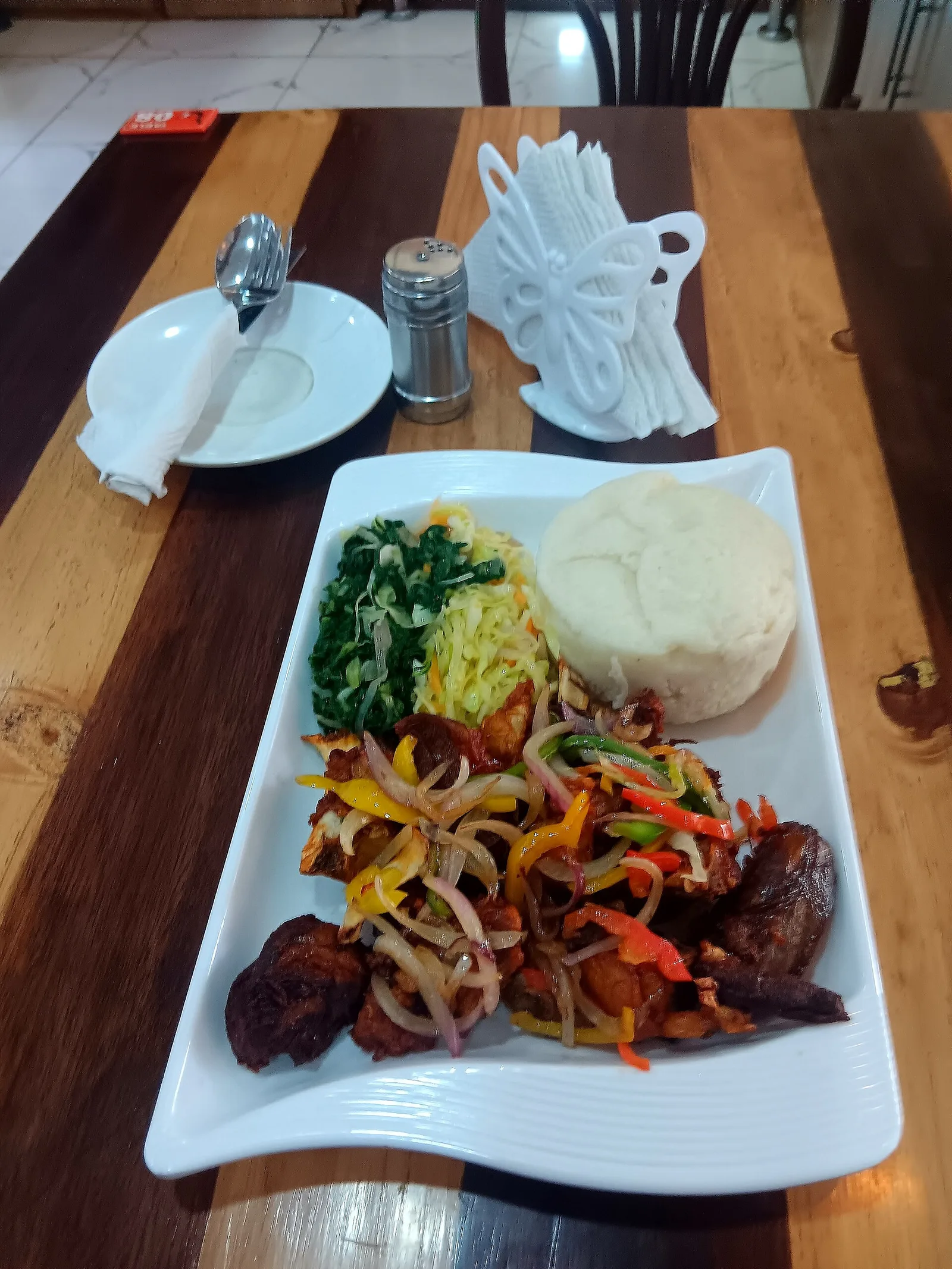
Ordering one at a warung, away from the tourist strip, is a different experience from a flat white in Canggu or Seminyak, both in taste and in the setting: plastic stools, a ceiling fan, and a coffee that costs a fraction of the specialty version a few streets over. It is worth doing at least once, ideally alongside a plate of the local food covered in our wider food guide, as the pairing the island actually built its coffee habit around.
Where the coffee grows
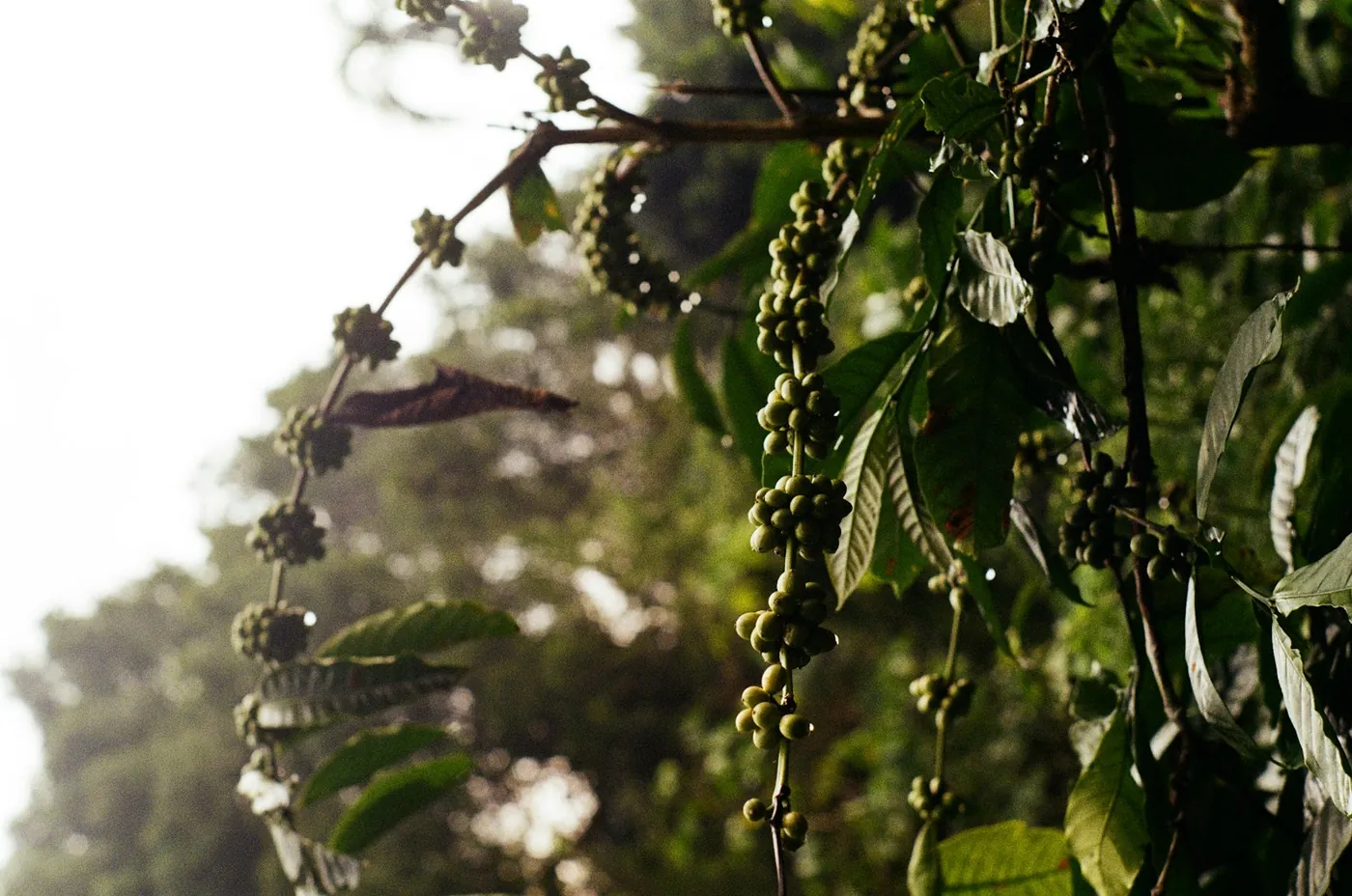
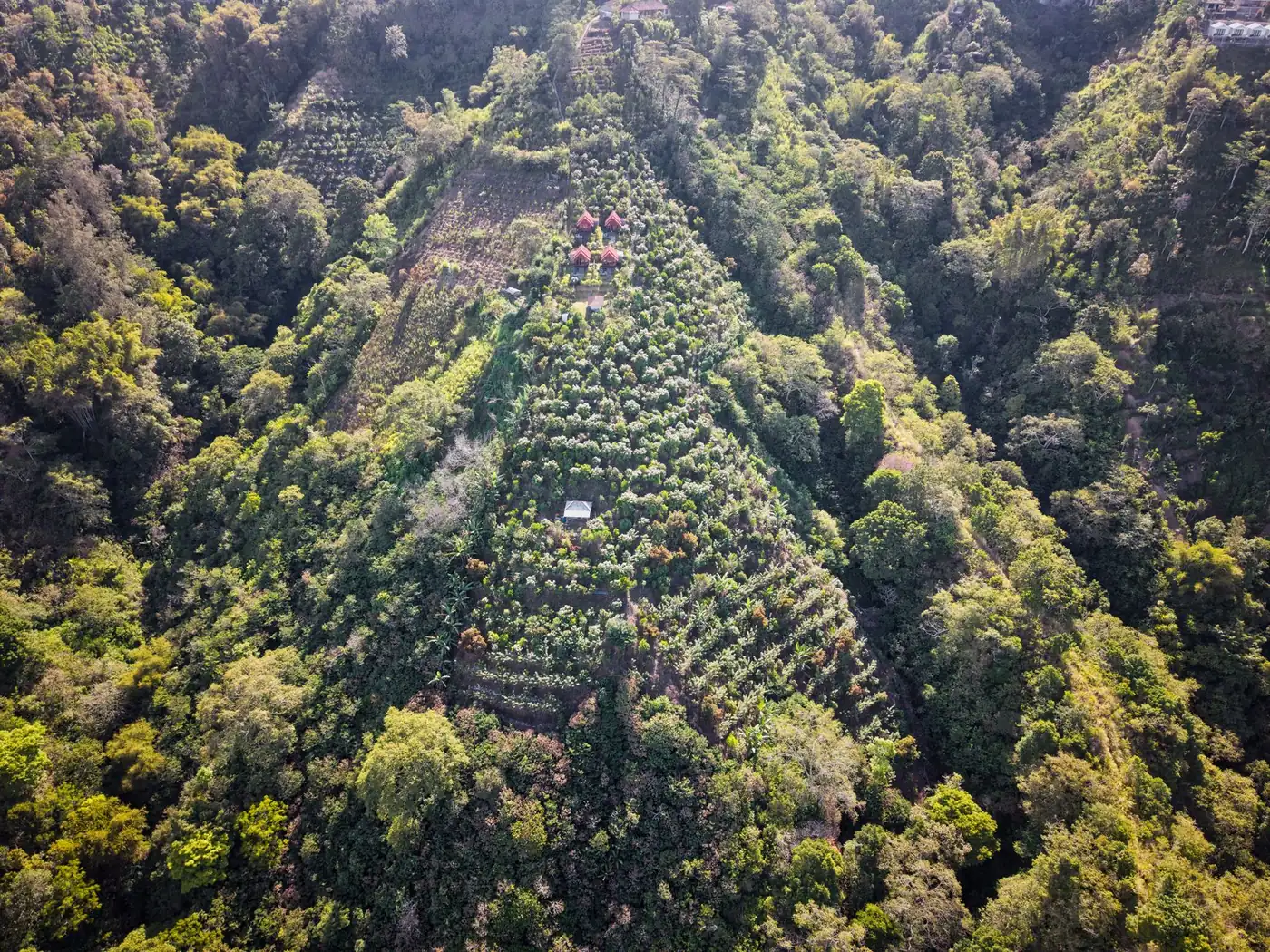
Bali’s coffee is a highland crop, not a coastal one. The main growing areas sit around Kintamani, on the slopes near Mount Batur, and around Munduk and Bedugul further west, where cooler temperatures and rich volcanic soil suit coffee that struggles in the tropical heat of the beach towns. Lower slopes tend to grow robusta, a hardier, more bitter, higher-caffeine bean used widely in traditional blends, while the higher elevations produce arabica, generally softer and brighter, the variety most specialty roasters favour.
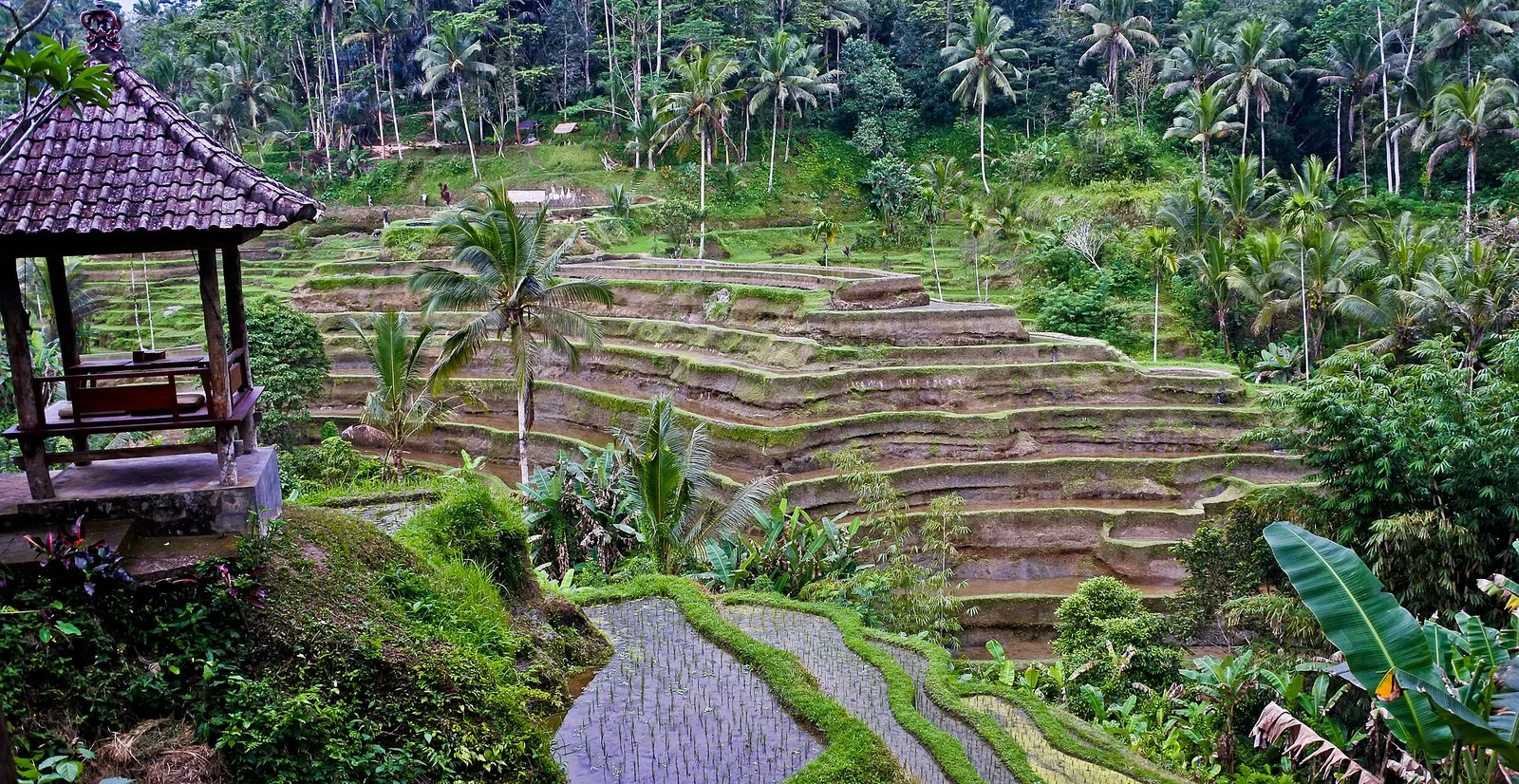
The drive up into either area is worth the trip on its own terms, through working smallholdings, clove trees and terraced hillsides, well before you reach a formal tourist plantation. If you already have a highland day planned, whether for the lake views around Kintamani or the waterfalls near Munduk, a coffee stop along the way needs no extra detour.
What a plantation tour actually shows you
Most of the roadside plantations that offer a visit follow the same format: a short walk through a mixed growing area of coffee, cacao, vanilla and spices, a look at the traditional roasting and pounding process, and a seated tasting flight of eight to ten small cups covering different coffees and herbal teas. Done on its own terms, this part is genuinely worthwhile, particularly the spice garden walk and the chance to see cacao pods and vanilla vines up close, which most visitors have never encountered growing.
The part to think carefully about is what comes at the end of almost every tasting flight: a small, separate cup of kopi luwak, usually the most expensive item on the menu and the one the whole visit is built around commercially.
Choose the highland trip over the roadside stallA proper day tour reaches working smallholdings, not just the tasting stalls on the tour-bus routeKopi luwak: what it is, and the problem with it
Kopi luwak is coffee made from beans that have passed through the digestive tract of the Asian palm civet, a small, nocturnal, cat-sized mammal known locally as the luwak. The animal eats ripe coffee cherries, the beans emerge undigested in its droppings, and they are collected, washed thoroughly and roasted like any other coffee. The story told at almost every plantation is that these are gathered wild from the forest floor, a genuinely rare and labour-intensive process, which is the origin of the coffee’s reputation and its high price.
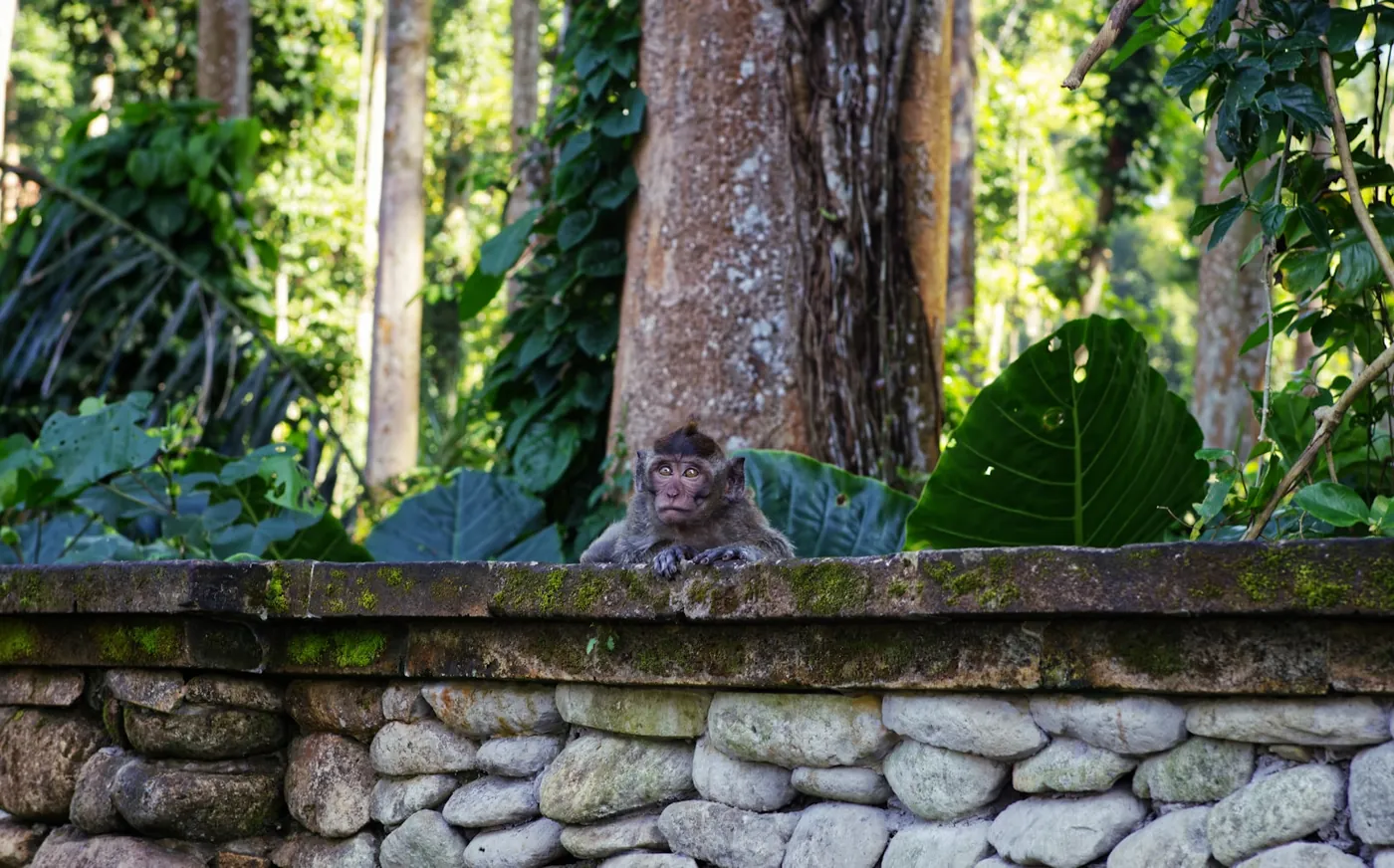
The reality at the great majority of plantations that sell it to visitors is different, and it is well documented: the civets are kept in small cages, fed coffee cherries directly, and the beans are collected on demand rather than found in the wild. It is not what the sign at the entrance usually says, and it is a poor life for an animal that is naturally solitary and active only at night. There is no reliable way for a visitor to tell a genuinely wild-sourced operation from a caged one just by looking at the display cages you are shown on the way to the tasting room.
Making an informed choice
None of this means avoiding a plantation visit altogether. The growing area, the roasting demonstration and the spice garden are worth seeing on their own, and plenty of operators run a straightforward, enjoyable stop without turning the caged civet into the centrepiece. The simplest approach is to decline the kopi luwak tasting specifically when it is offered, order the regular arabica or robusta flight instead, and skip buying a bag of it to take home, since the tourist market is what keeps the caged operations profitable in the first place.
If the story genuinely interests you, a small number of conservation-minded operations further from the main tour-bus circuit work with rescued or free-roaming civets under welfare-audited conditions rather than production cages, though verifying this properly before you book takes more effort than most visitors put in on a day trip. When in doubt, treat any claim of “wild collected” at a roadside stop with real scepticism, and vote with your itinerary instead: the highland smallholdings and a strong cup of kopi tubruk at a village warung deliver Bali’s coffee story without the ethical question mark.
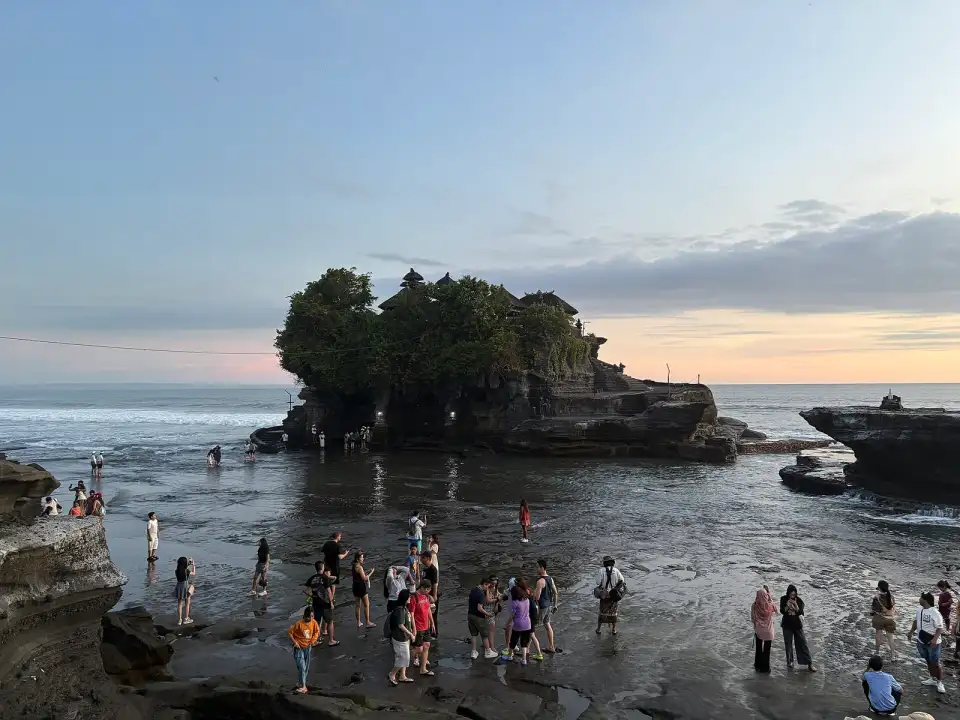
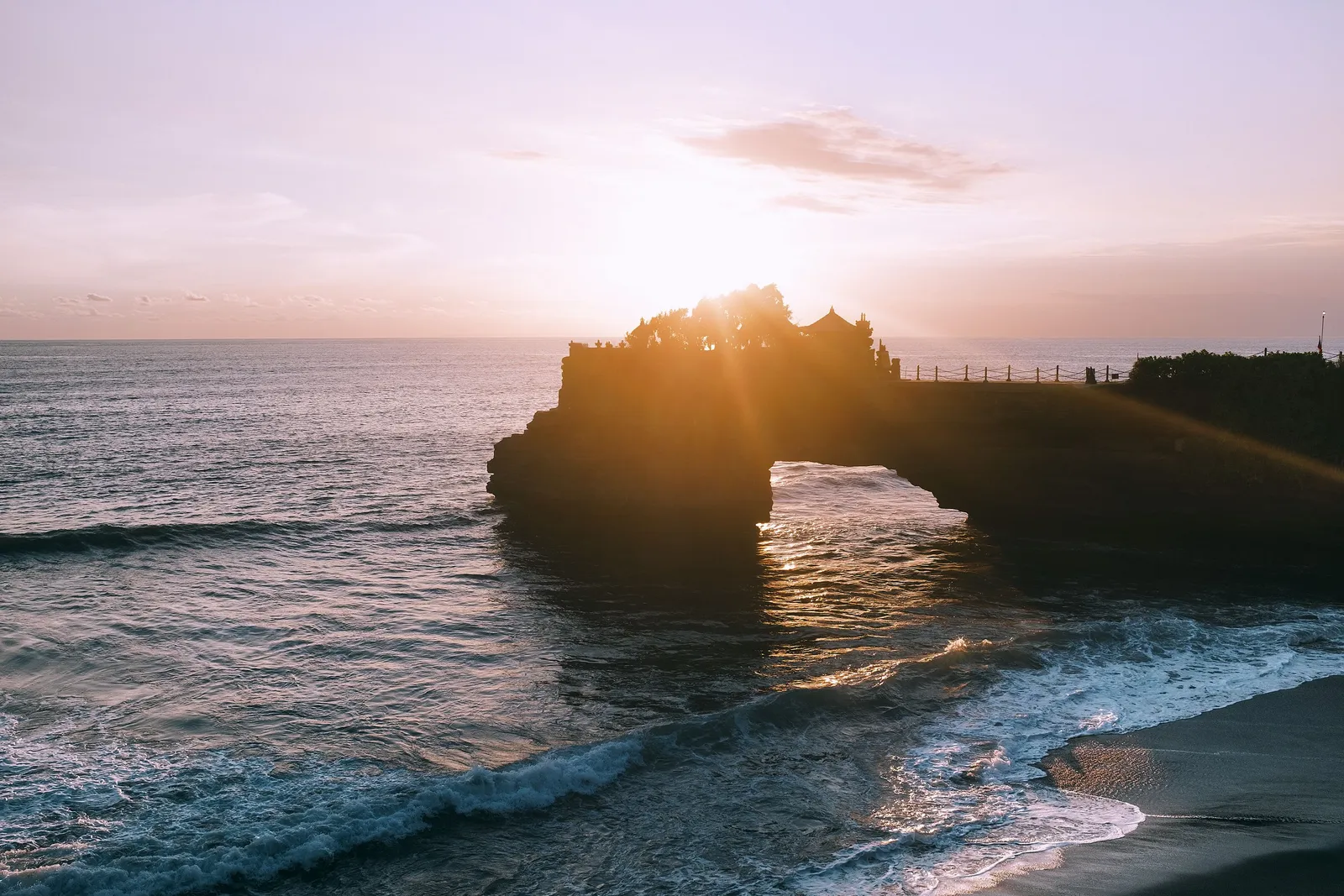
A highland coffee morning pairs naturally with an evening back on the coast: Tabanan, the regency just south of the main growing areas, is also where Bali’s most famous sunset temple sits, and our guide to Tanah Lot covers timing the drive so both fit into one day.