Bali feeds visitors at extremes. At one end is a family warung with four tables and a counter of dishes where a full meal costs almost nothing and is better than most of what you will pay ten times more for. At the other is a beach town with an international restaurant scene, imported chefs, sunset terraces and prices that would not embarrass a European capital. Both are worth your time, and the mistake is spending a whole trip at one end without realising the other exists.
The tiers
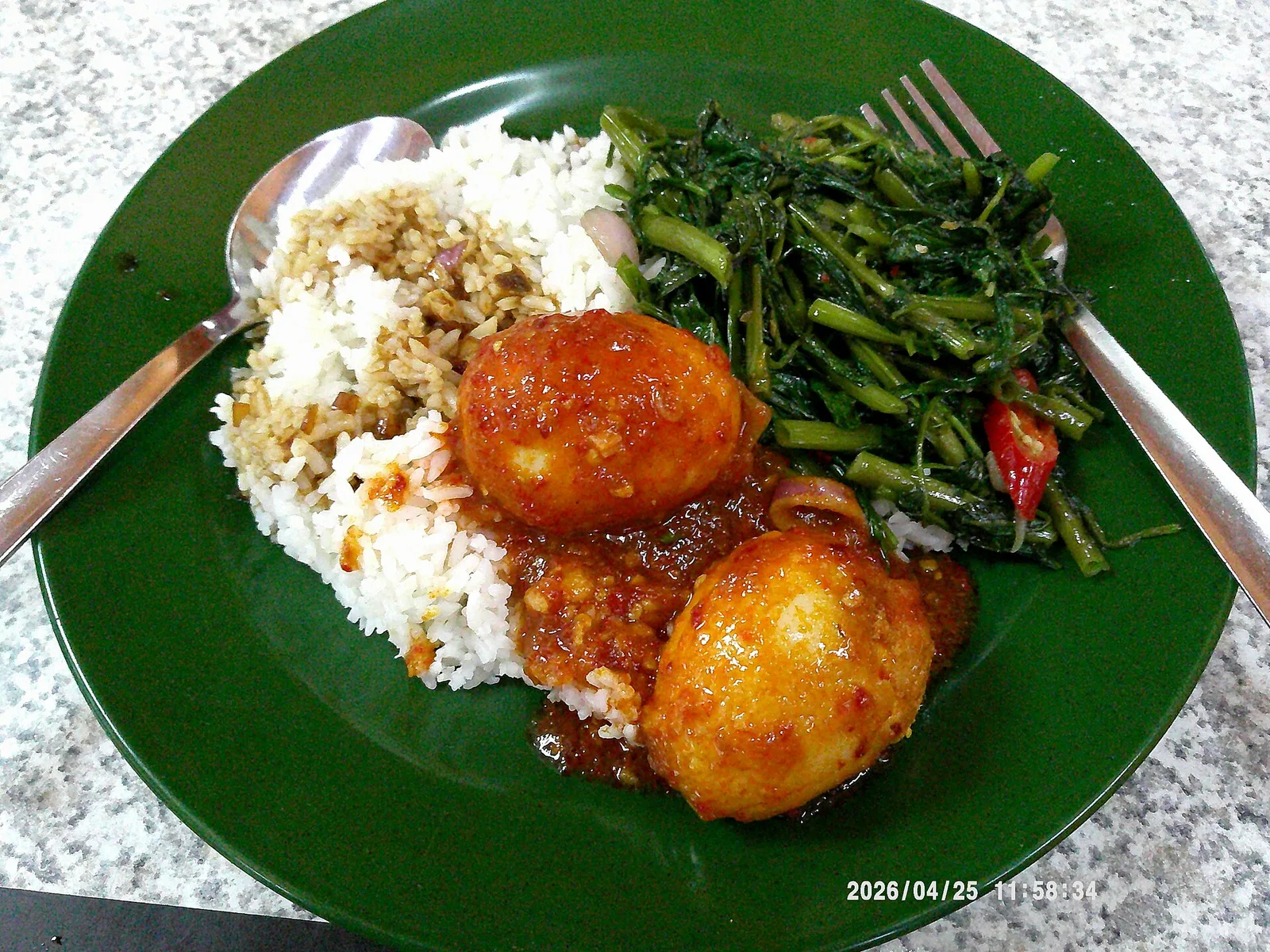
Warungs. Family-run, tiny, cheap, and the real food of the island. A mixed rice plate from a counter is the everyday meal.
Specialist places. Restaurants that make one thing, most famously the slow-roasted suckling pig, and are known across Bali for it.
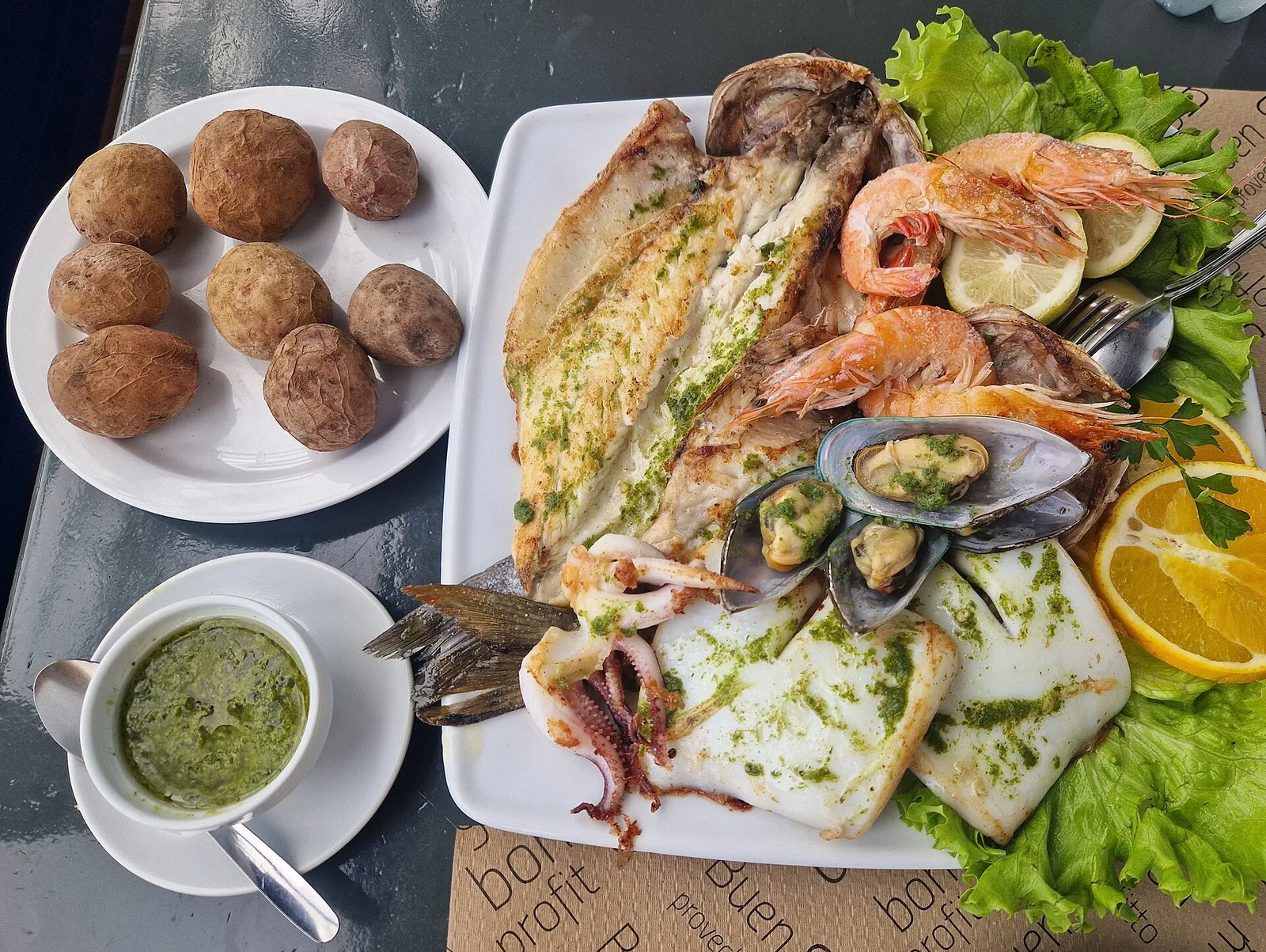
Seafood on the coast, grilled over coconut husks, chosen from ice and served on the sand at the fish markets on the southern bays.
Modern Indonesian kitchens, mostly in the south and Ubud, taking local ingredients seriously at a higher price.
International restaurants in the southern beach towns, which are genuinely good and are not why you came.
What to eat
The suckling pig, roasted whole over wood for hours, which is the island’s signature and a specialist dish rather than a menu item.
A mixed rice plate, where you point at what you want from a counter and it arrives around a mound of rice.
Satay, in several regional forms, including a minced version on lemongrass sticks.
Grilled fish on the coast, priced by weight and chosen before it is cooked.
The ceremonial duck, wrapped and cooked slowly for hours, which must be ordered a day in advance almost everywhere.
Sambals, which are where the heat lives, served alongside rather than in the dish.
Where to eat it
In Ubud, a dense mix of warungs, healthy cafes and serious kitchens within a walk.
In the southern beach towns, the widest range and the international end. Our guide to Seminyak covers the restaurant strip that anchors it.
On the southern bays, the fish markets and grill stalls, at sunset, on plastic chairs on the sand.
In the villages, wherever you happen to be, which is where warung food is at its best and cheapest.
One street back from any main tourist road, which is the reliable rule here as everywhere.
Practical notes
Cash for warungs and markets, cards at established restaurants.
Service charge and tax are added at restaurants and are normal rather than a surprise; the total on the menu may not be the total on the bill.
Ice and water at established places are treated; tap water is not for drinking anywhere.
Vegetarians do well here, since a great deal of Indonesian food is vegetable and tempeh based, and dedicated places abound.
Ceremony days close restaurants, sometimes at short notice, which is part of being here.
Book the sunset tables well ahead in the south.
Where this fits
For what the dishes actually are, region by region and ingredient by ingredient, our Bali food guide is the place to start.
And for the daytime half of eating here, the coffee, the bowls and the long breakfasts that the island is now famous for, our guide to the best cafes in Bali covers where to sit.
The short version
Eat at warungs far more than you expect to, because that is where the food is and it costs almost nothing. Try the roast suckling pig at a specialist rather than on a hotel menu, and order the slow-cooked duck a day in advance. Have one seafood dinner on the sand at a southern fish market. Use the international restaurants in the south deliberately rather than by default, and book the sunset ones ahead. Take a cooking class early in the trip so the menus make sense for the rest of it, and be careful with sambal until you know which one you have.