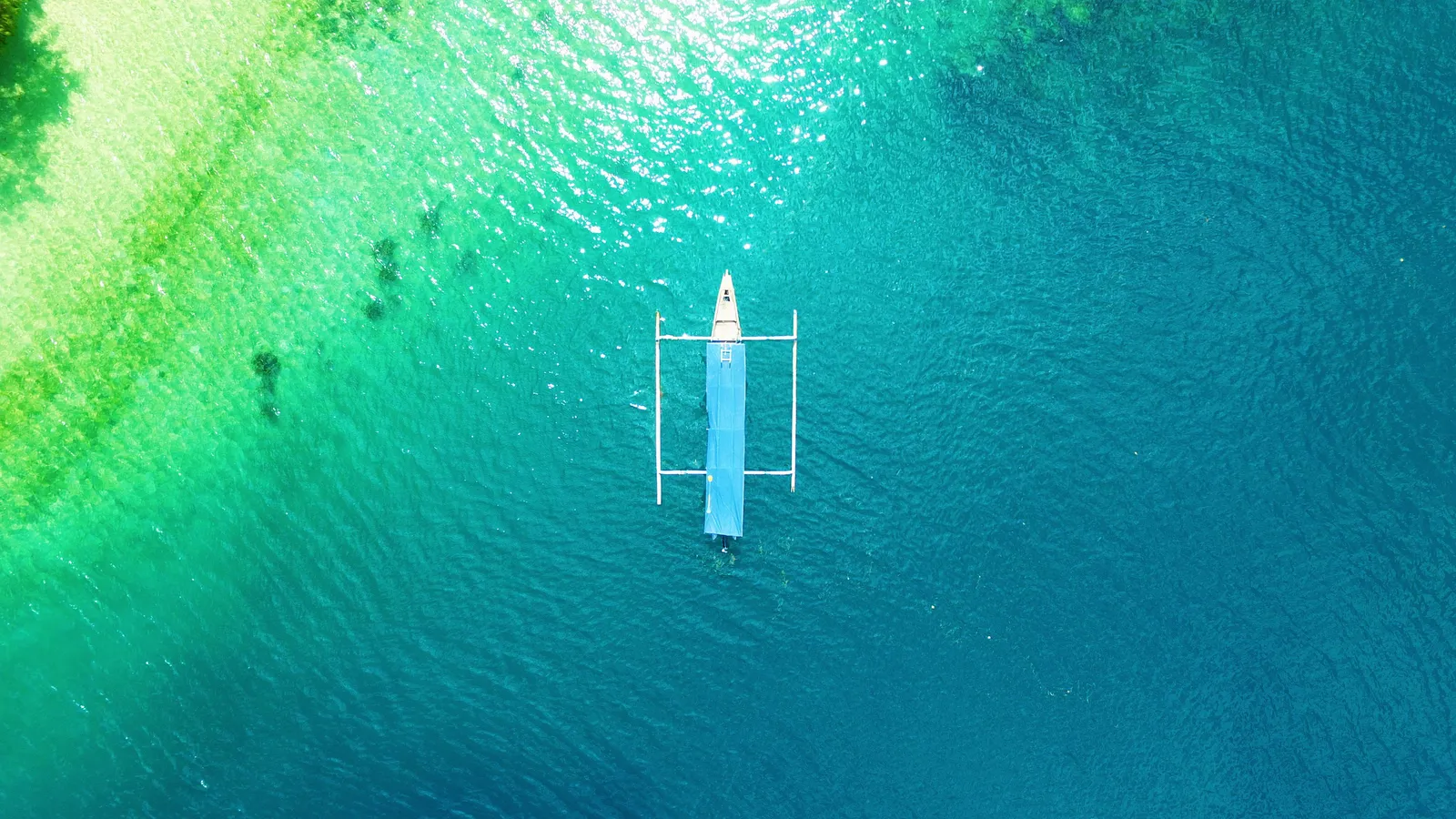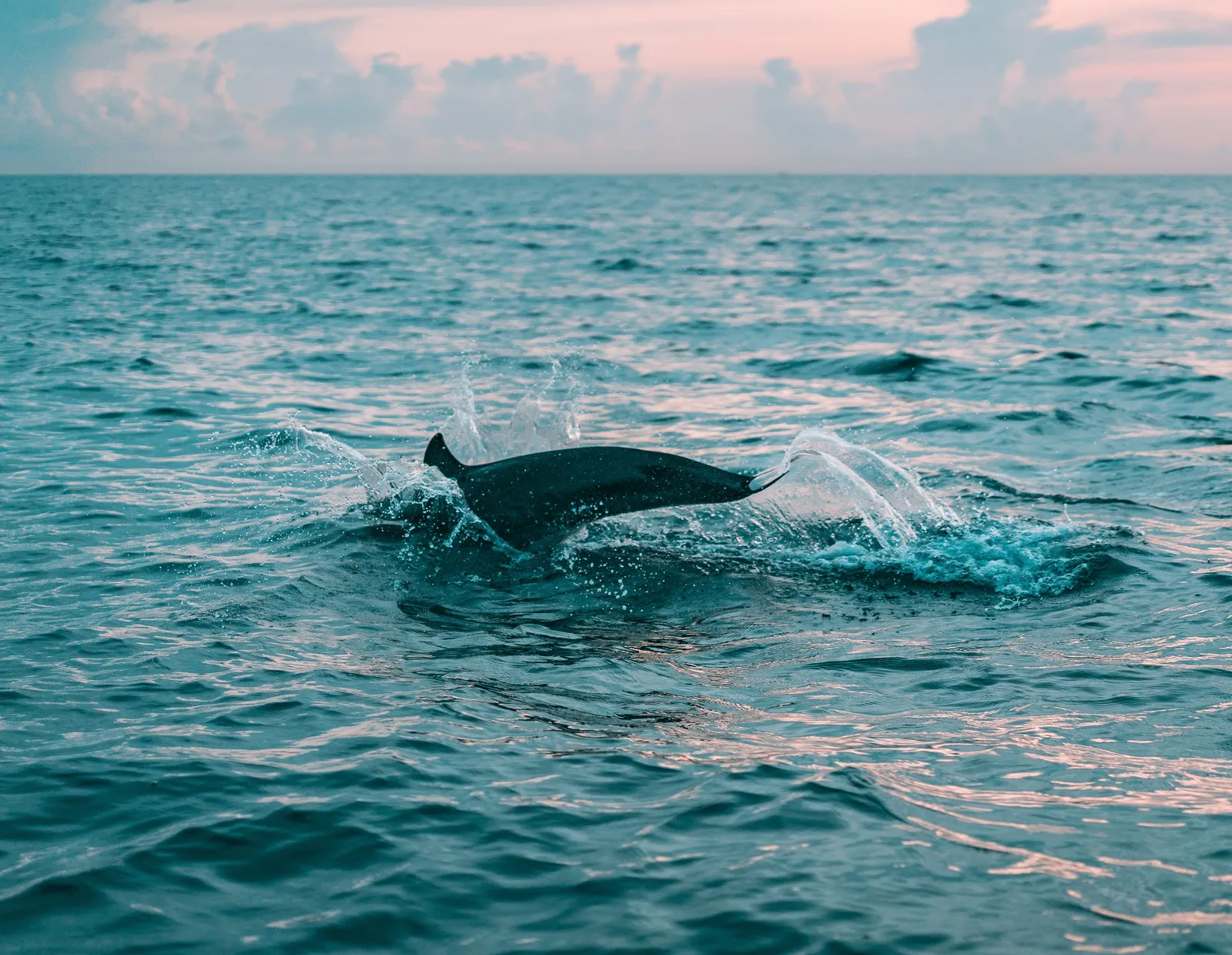
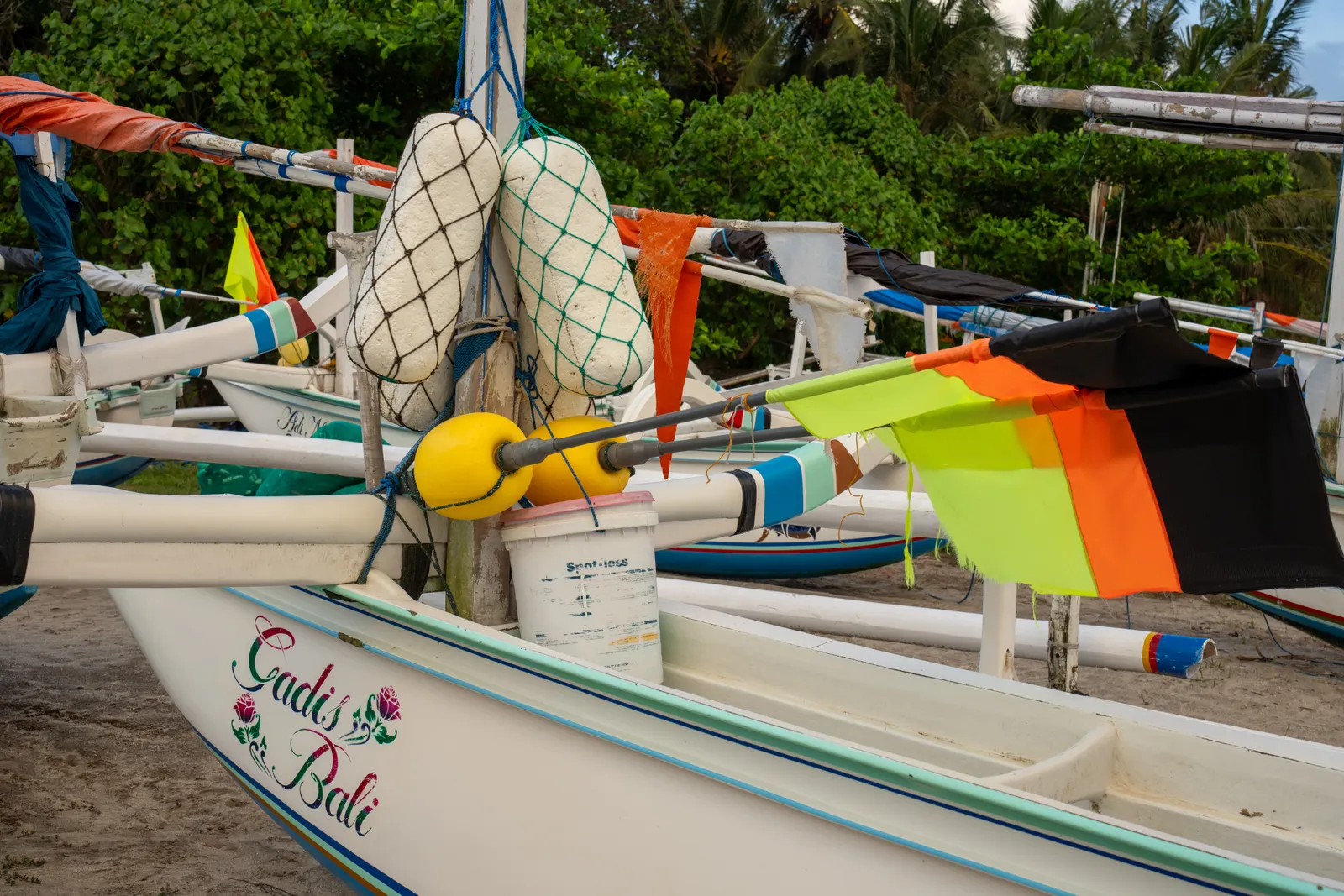
The boats leave before the sun does. At half past five the beach at Lovina is a row of narrow outriggers being pushed off dark sand into a sea so flat it looks solid, and for the next hour the bay fills with the sound of small engines and nothing else. This is the north coast of Bali, three hours and an entirely different island from the beach clubs of the south: volcanic black sand, fishing villages strung along a single road, and a pace that takes about a day to adjust to. It is also the site of Bali’s most famous wildlife trip, and that trip deserves a straight conversation before you book it.
What Lovina actually is
A coastline, not a town. Lovina is the name given to a run of villages along the north shore, with one main road, a handful of restaurants facing the water and no centre to speak of.
Black sand, volcanic rather than coral, which makes the sea look darker and the sunsets stranger than anywhere in the south.
A flat bay. There is no surf here at all, which is why the fishing fleet works out of it and why the swimming is easy.
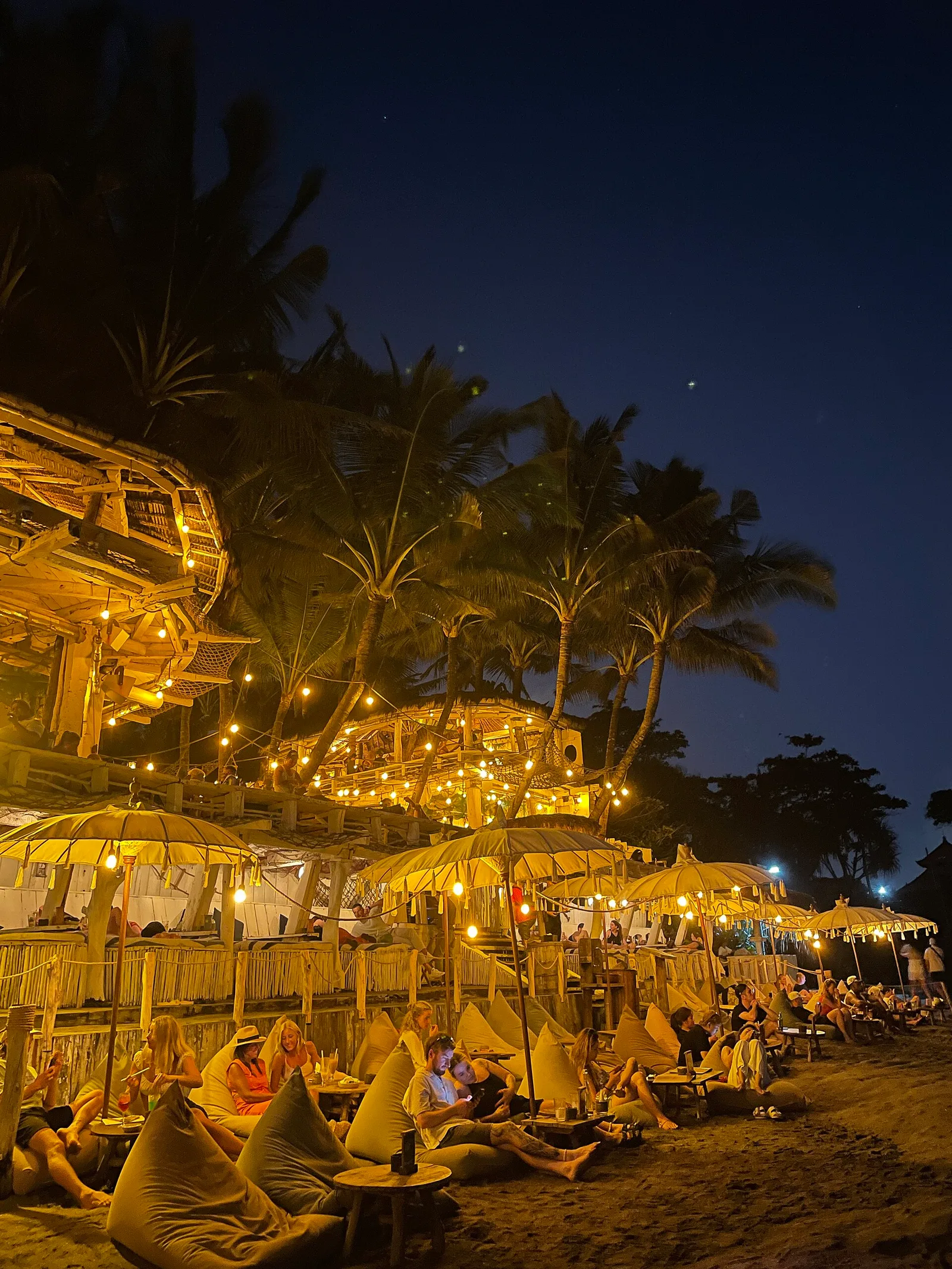
Quiet after dark. There are no clubs and very little nightlife, and that is the entire appeal for the people who come.
The dolphin trip, honestly
The dolphins in the bay are wild. They are not fed, not fenced and not performing, and on a good morning a pod moves through open water while the boats sit still and watch. That is the version worth having.
The problem is arithmetic. In high season several dozen boats leave within the same twenty minutes, and once one of them spots a fin the rest converge. Some skippers hold position and let the animals come past. Others accelerate into the pod, and a ring of engines around feeding dolphins is not wildlife watching.
None of this is fixed by paying more. What changes the morning is the individual boat: ask before you book whether they keep their distance and refuse to chase, go with a small operator rather than a beachfront tout, and be willing to come back with no sighting at all. If that sounds like a poor deal, skip it. Sitting on the sand at sunrise with a coffee while the fleet goes out is not a consolation prize.
The two things inland that make the trip
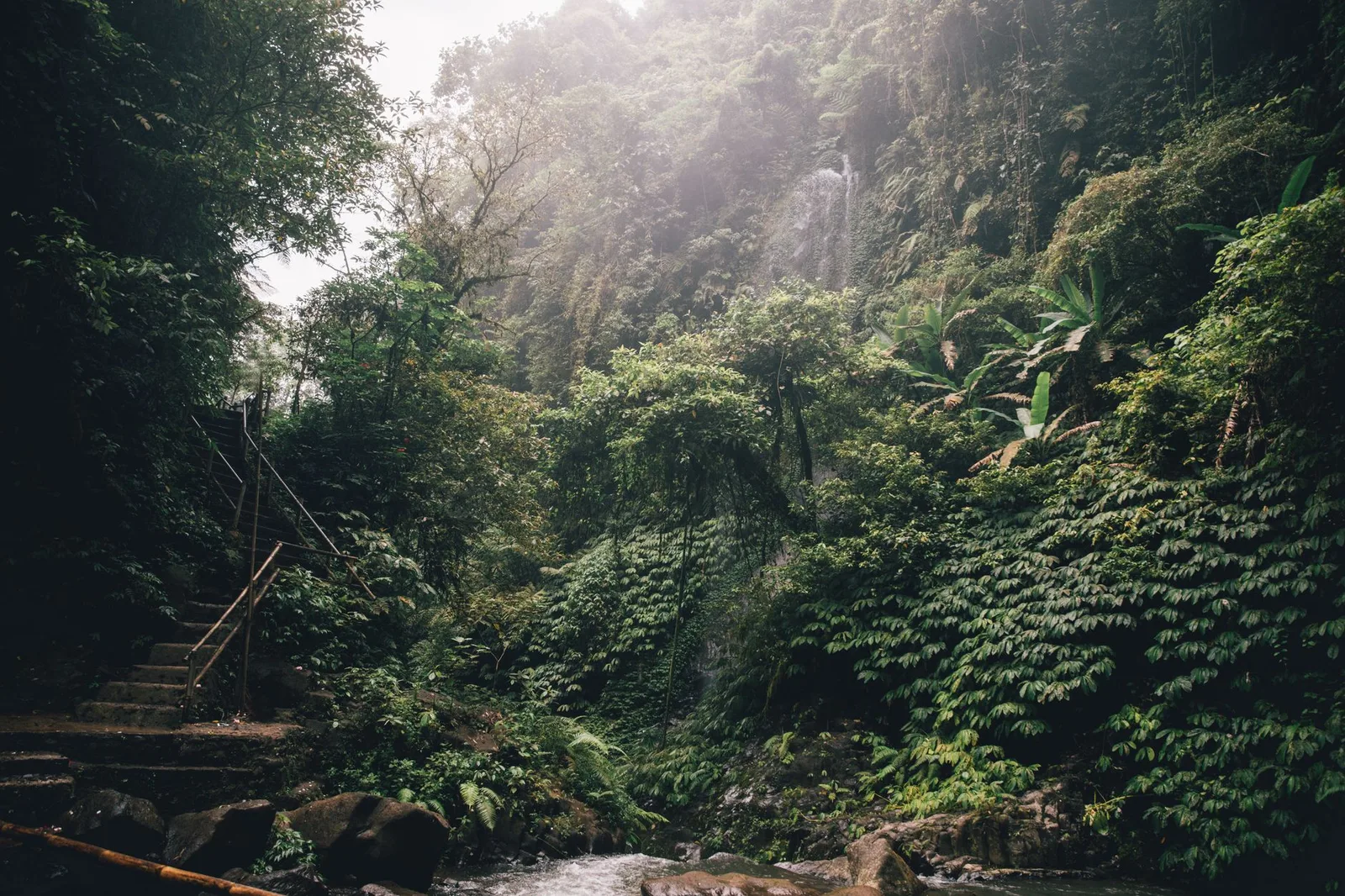
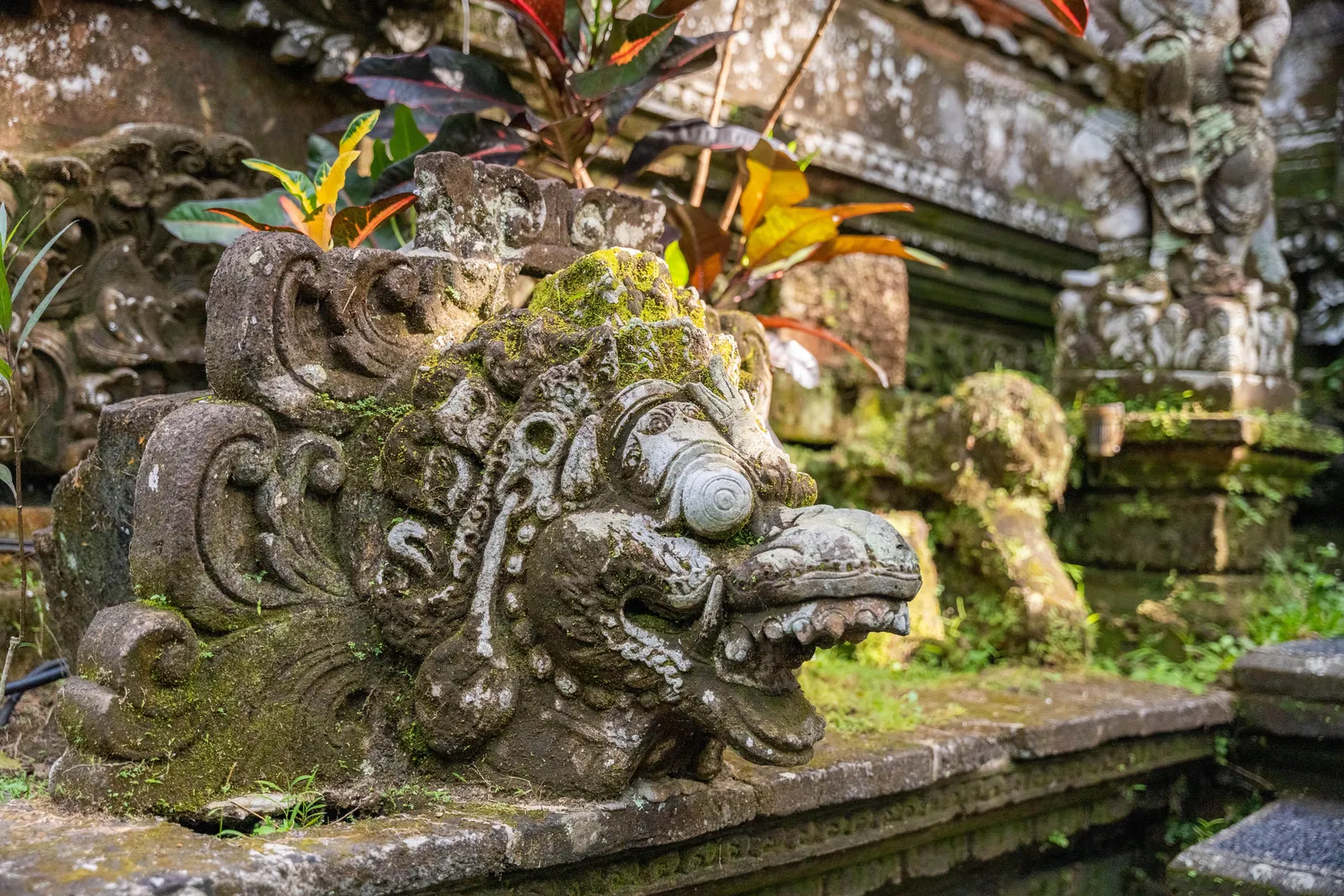
The Banjar hot springs, twenty minutes west, are a set of stone pools fed by warm sulphur water through carved spouts, set in a garden of heavy green. They are busiest in the middle of the day and pleasantly empty early. Bring a towel; the changing facilities are basic.
Brahmavihara Arama, the Buddhist monastery on the hill above the coast, is the opposite of a crowded temple stop. It is a working monastery with terraced grounds, a stupa, a long view down to the sea, and enough quiet that people tend to stay longer than they planned. Standard temple dress applies, and sarongs are available at the entrance.
Both are easy to combine into one morning or afternoon with a driver, and both are a reminder that Lovina is not only the boat trip.
Getting there, and when it makes sense
The drive from the south takes roughly two and a half to three and a half hours. The direct route is dull; the route over the highlands is one of the better drives on the island, and splitting it at Munduk in the northern hills turns a transfer into two days of actual travelling. A private driver one way is in the region of 500,000 to 800,000 IDR, and a full day with stops usually costs little more than a straight transfer.
Lovina works best as the far end of a loop rather than a destination in itself: south to the mountains, mountains to the north coast, then back down a different road. On a first week in Bali it is probably one drive too many. On ten days or more, it is where the island stops being busy.
In the water
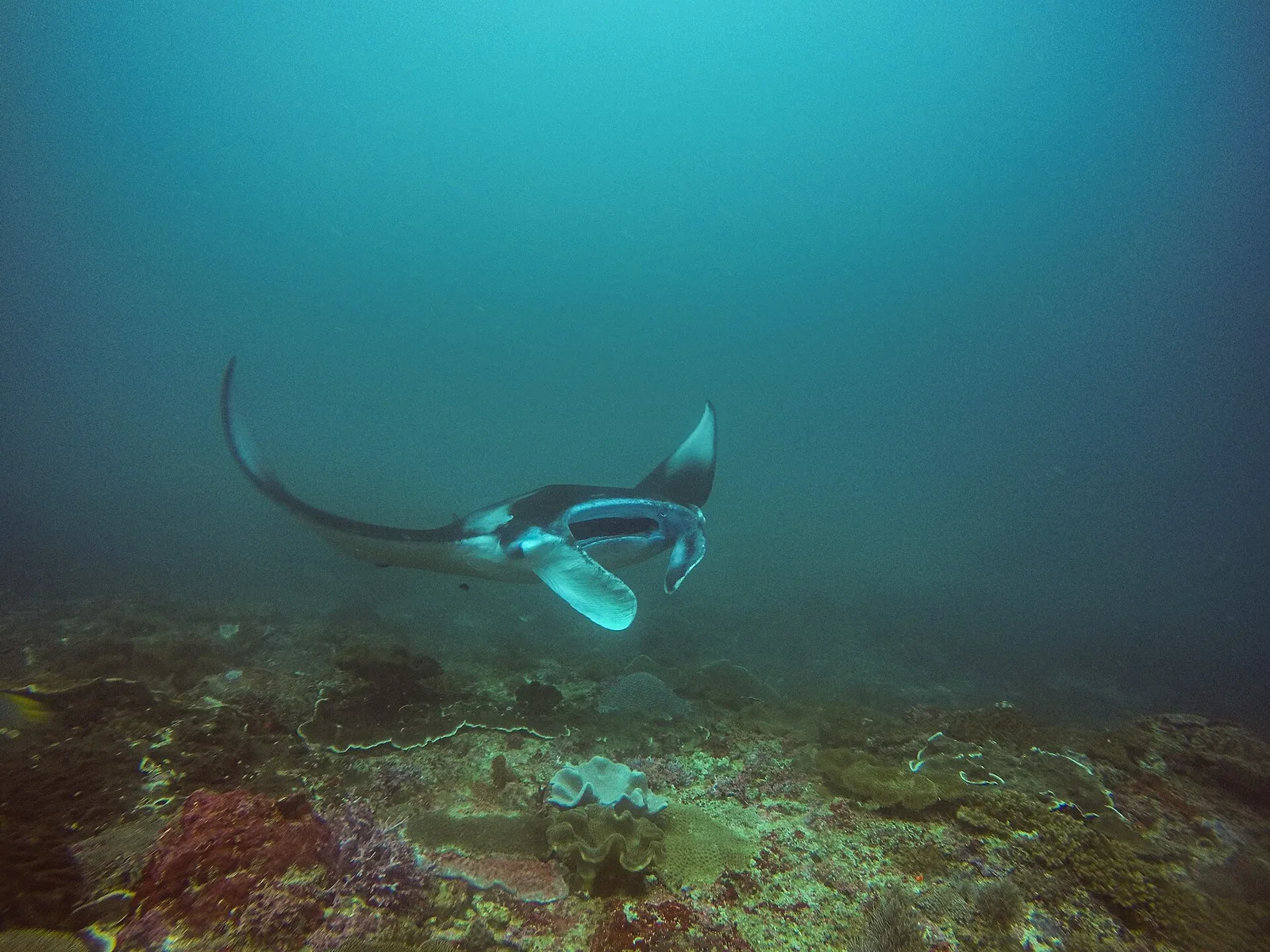
The bay’s flatness that makes it useless for surfing makes it good for everything else. Snorkelling straight off the boats is easy, and the reefs off the north and northeast coast are among the calmest entries on the island, which is why so many people learn to dive on this side. Our guide to snorkelling and diving in Bali covers the sites worth the drive and which are realistic for beginners.
If you are trying to work out where the north fits against everywhere else on the island, from the white sand in the south to the cliffs on the peninsula, our guide to the best beaches in Bali sets them side by side, including who each one actually suits.