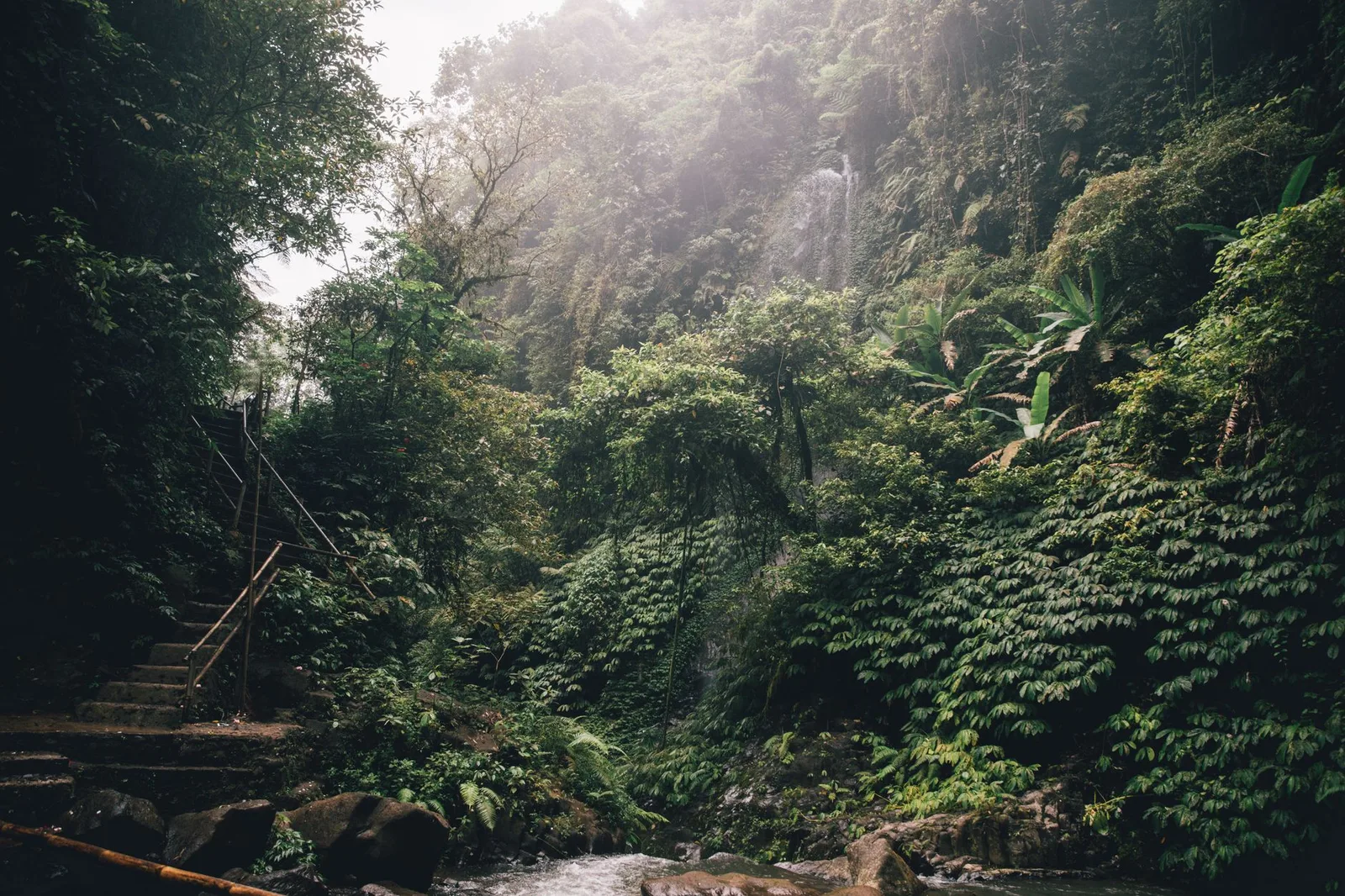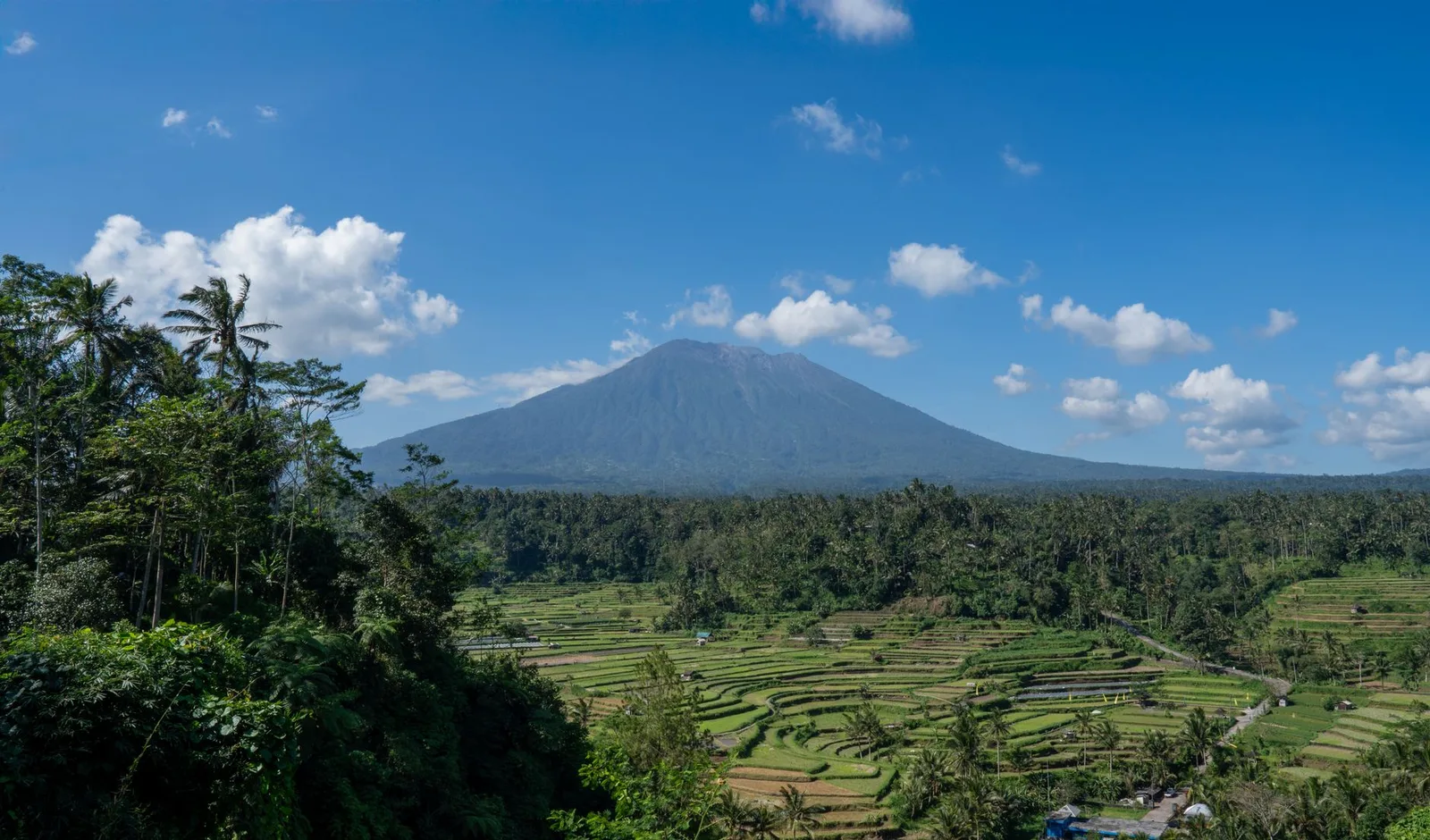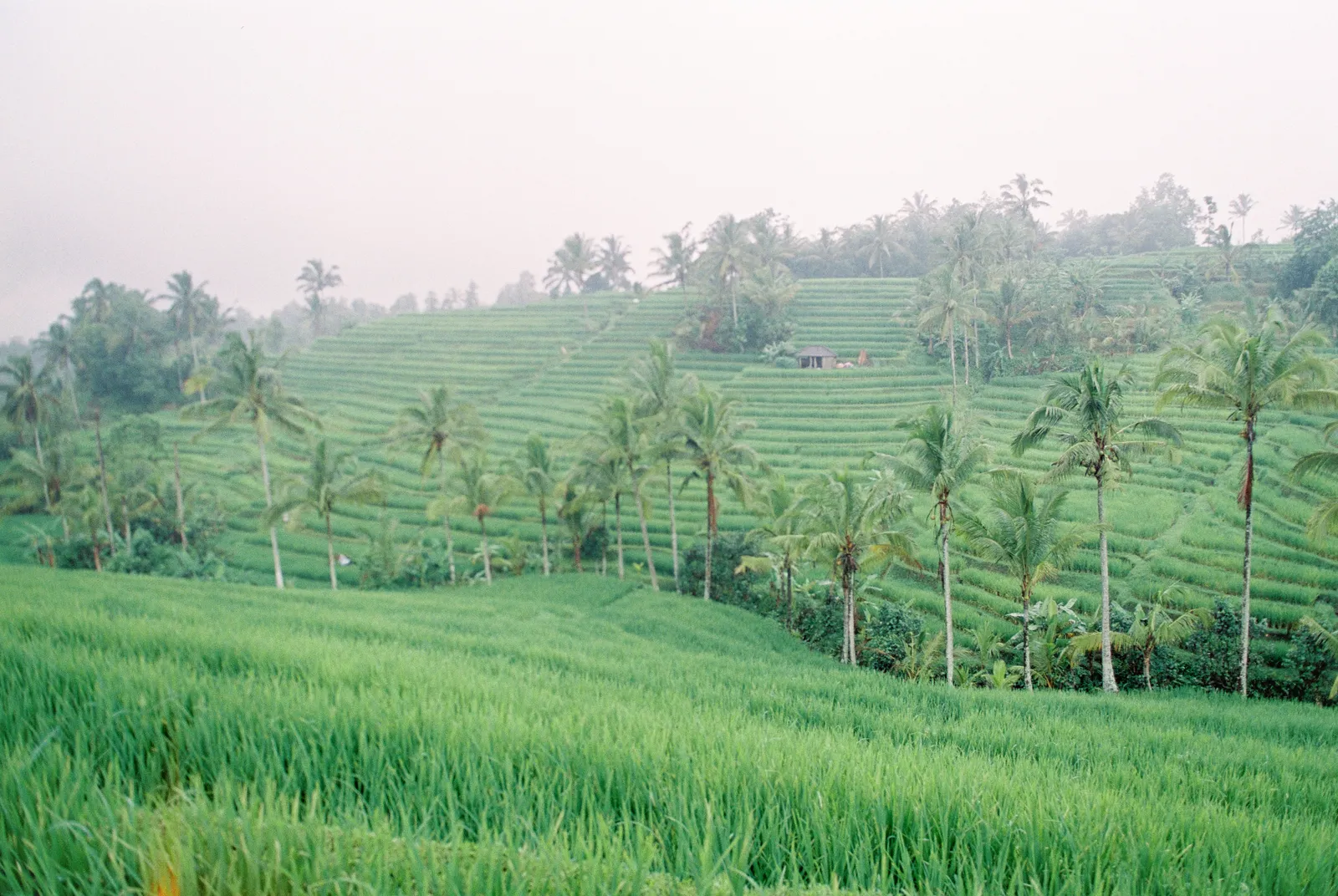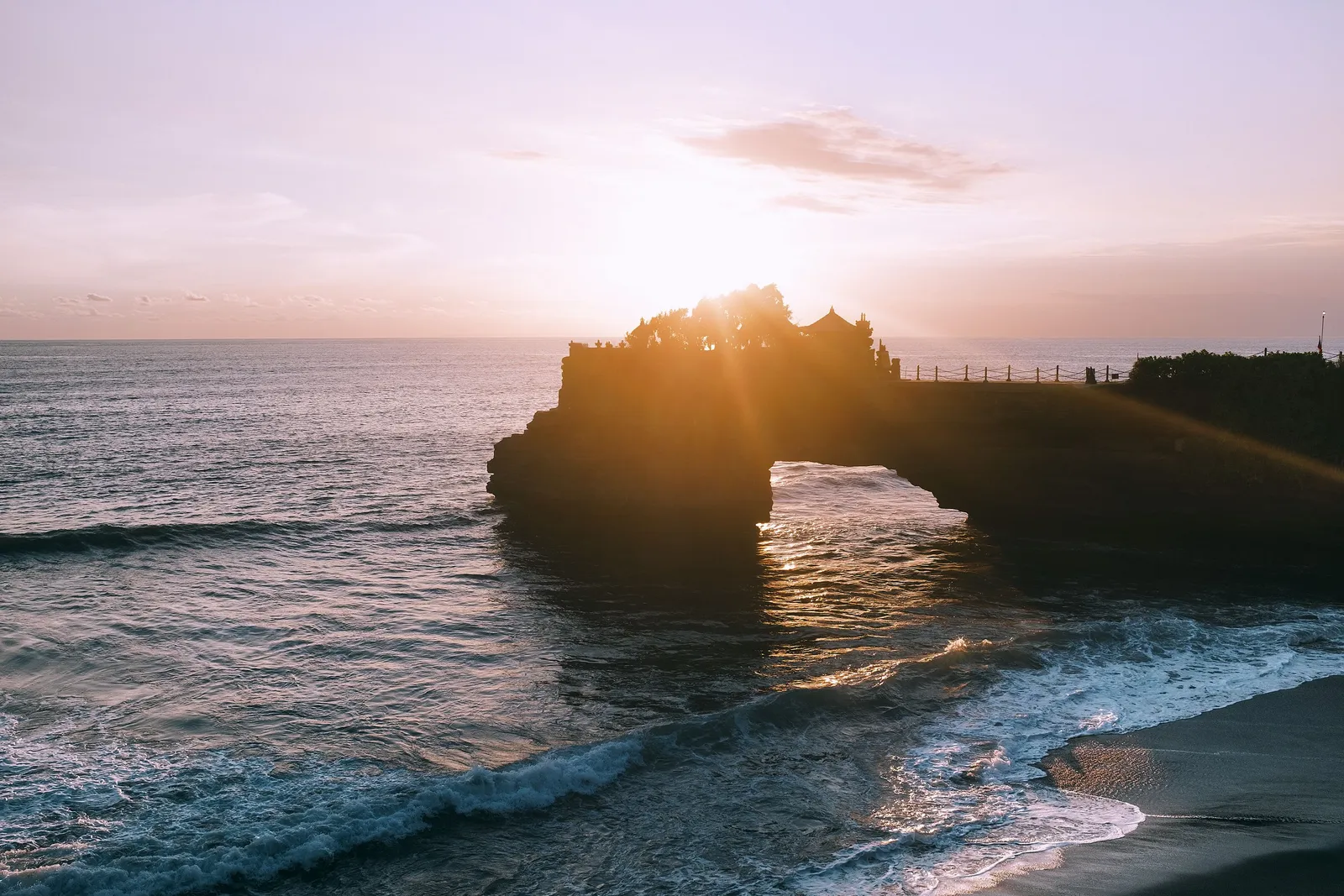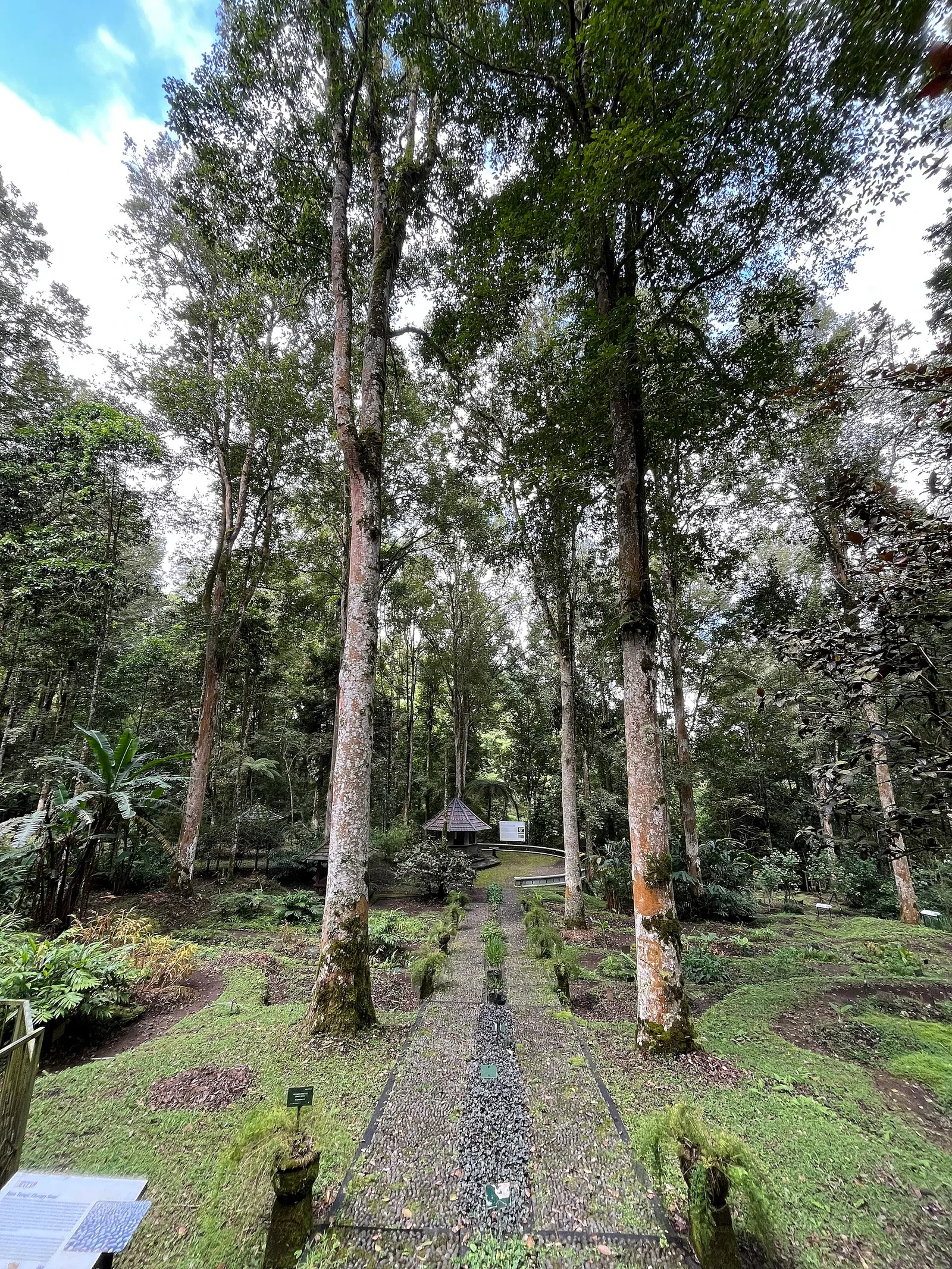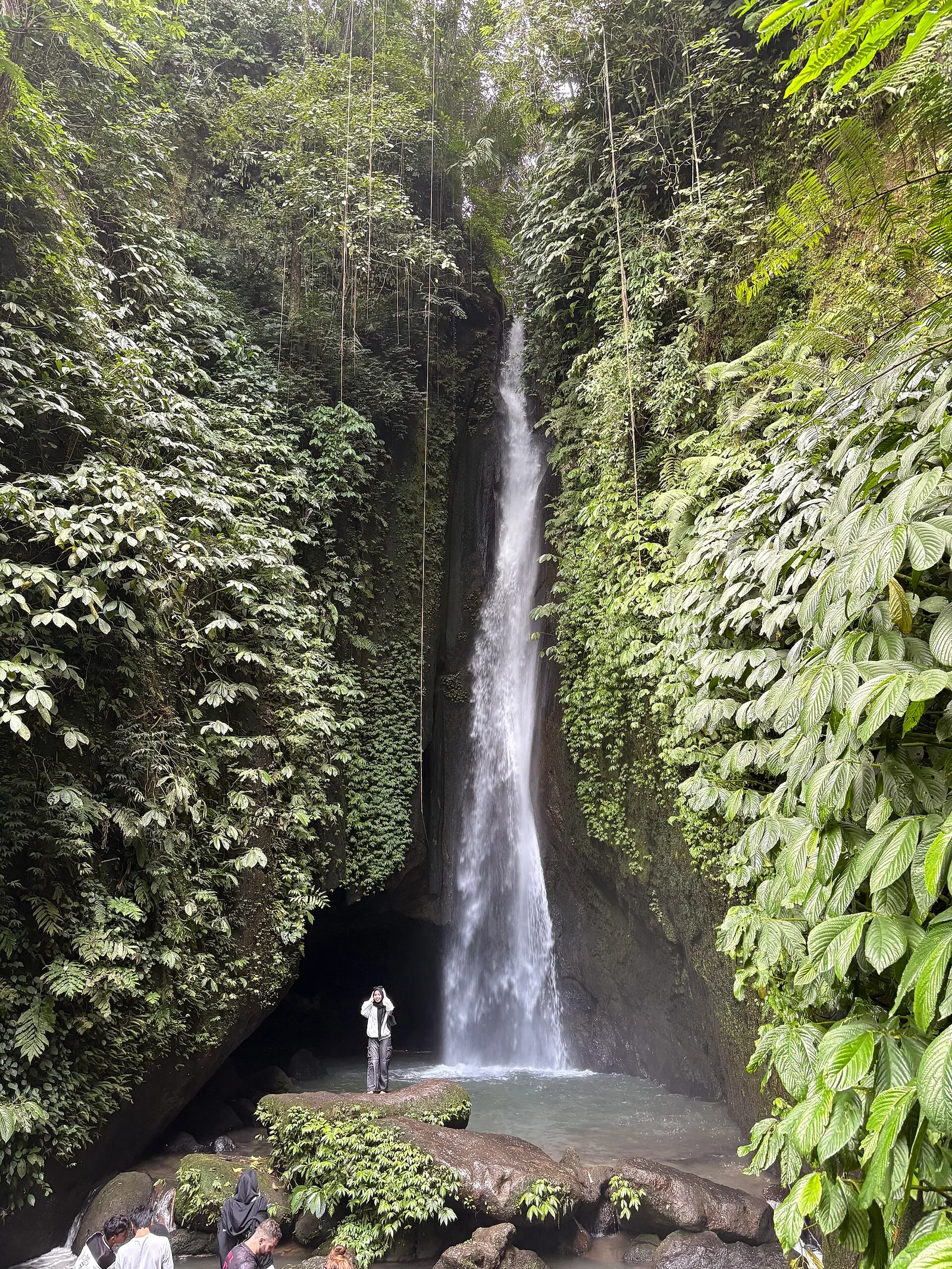
Bali has dozens of waterfalls and they are among the most photographed things on the island, which is why so many visitors drive two hours to find a queue for a photograph at a trickle. The falls are genuinely worth seeing. What decides whether a given one is worth your morning is a combination of how far it is, how many steps sit between the car park and the water, and how much rain has fallen recently, and none of that is visible in the photograph that made you want to go.
The three clusters
Near Ubud, within half an hour or so, are the easiest and busiest: short walks, well-organised car parks, and a photograph you have already seen. Good for a morning without a long drive.
The northern highlands around Munduk hold the tallest and greenest, dropping into forested ravines, several linked by walking paths, and far quieter.
The east and the north coast have falls that see almost nobody, at the cost of a real drive.
Choose one from two clusters across a trip rather than four from one.
What decides the experience
Rainfall. These are rain-fed and the difference between full flow and a dry-season trickle is dramatic.
Steps. Some are a five-minute stroll and some are several hundred wet stone steps into a ravine, which is easy going down and a genuine climb coming back.
The hour. Before nine you may have a fall to yourself; by eleven the tour vans have arrived.
The road in. The last few kilometres to many trailheads are the roughest surface you will drive in Bali.
Doing it well
Go at opening, which on most sites is early morning.
Shoes with grip. The steps are wet stone and the paths are mud, and flip-flops are how people fall.
Cash in small notes for the village entrance fee and parking.
Swim wear under your clothes, since changing facilities are basic.
A dry bag or a plastic bag for a phone, since spray reaches further than you expect.
Do not swim if the water is brown, rising, or if local signage says not to.
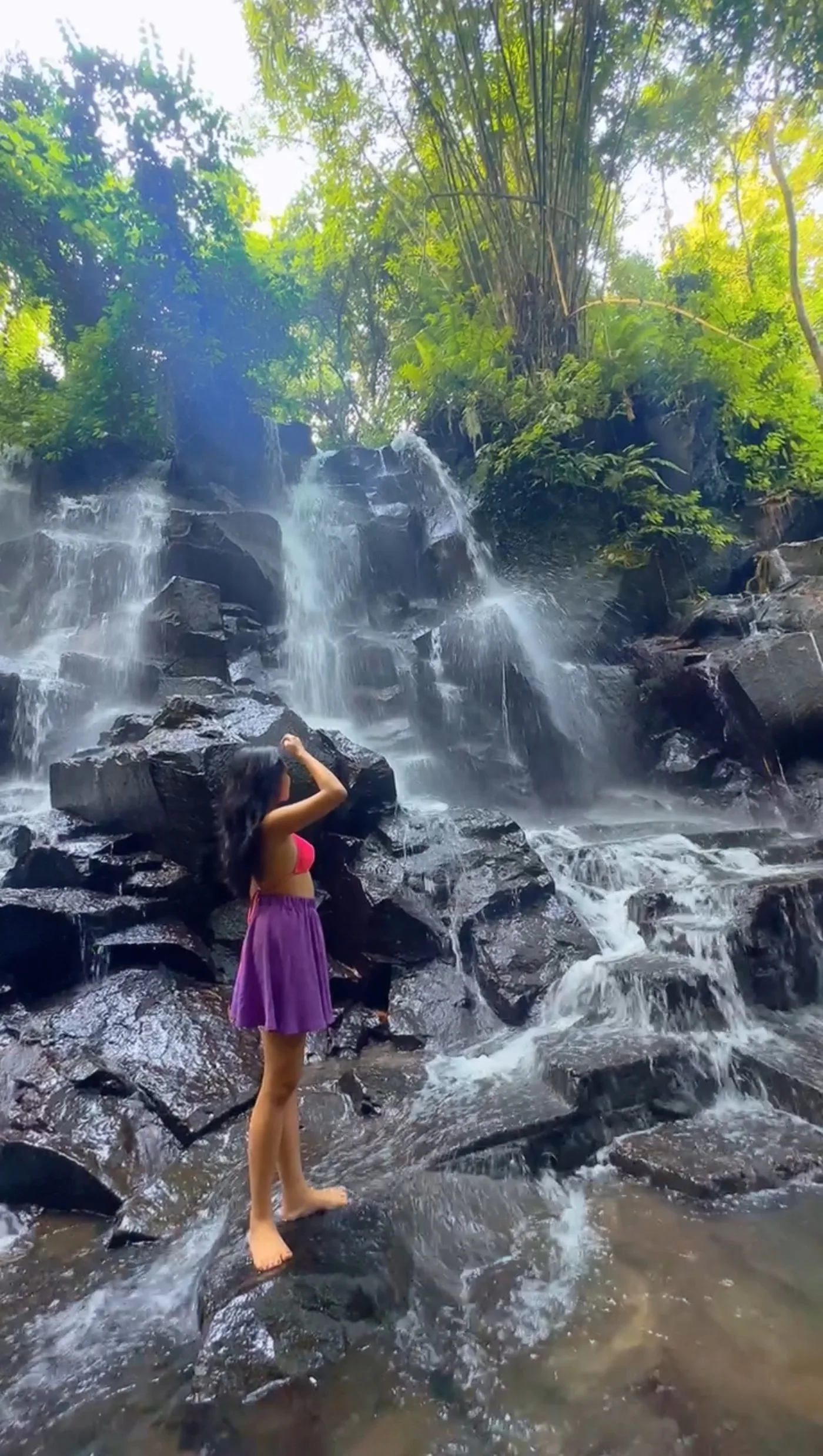
Combining them into a day
One fall plus something else is a better day than three falls.
In the highlands, link two falls on a walking path with a plantation visit.
Near Ubud, combine one fall with rice terraces or a temple rather than a second fall.
From the east, our guide to Sidemen covers a valley base with falls within reach and far fewer visitors.
From the north, our guide to Munduk and north Bali covers the cluster where the walking between them is the point.
Practical notes
Local guides at some trailheads offer to walk you down for a small fee, which is optional and frequently pleasant.
Vendors and photographers at the busier sites are part of the arrangement.
Drones are restricted at several sites and near temples.
Leave nothing behind, since these are village-managed sites with limited waste handling.
For the transport question underneath all of this, whether to ride yourself or hire a driver, our guide to scooter and car rental in Bali covers the licence, the insurance and the roads.
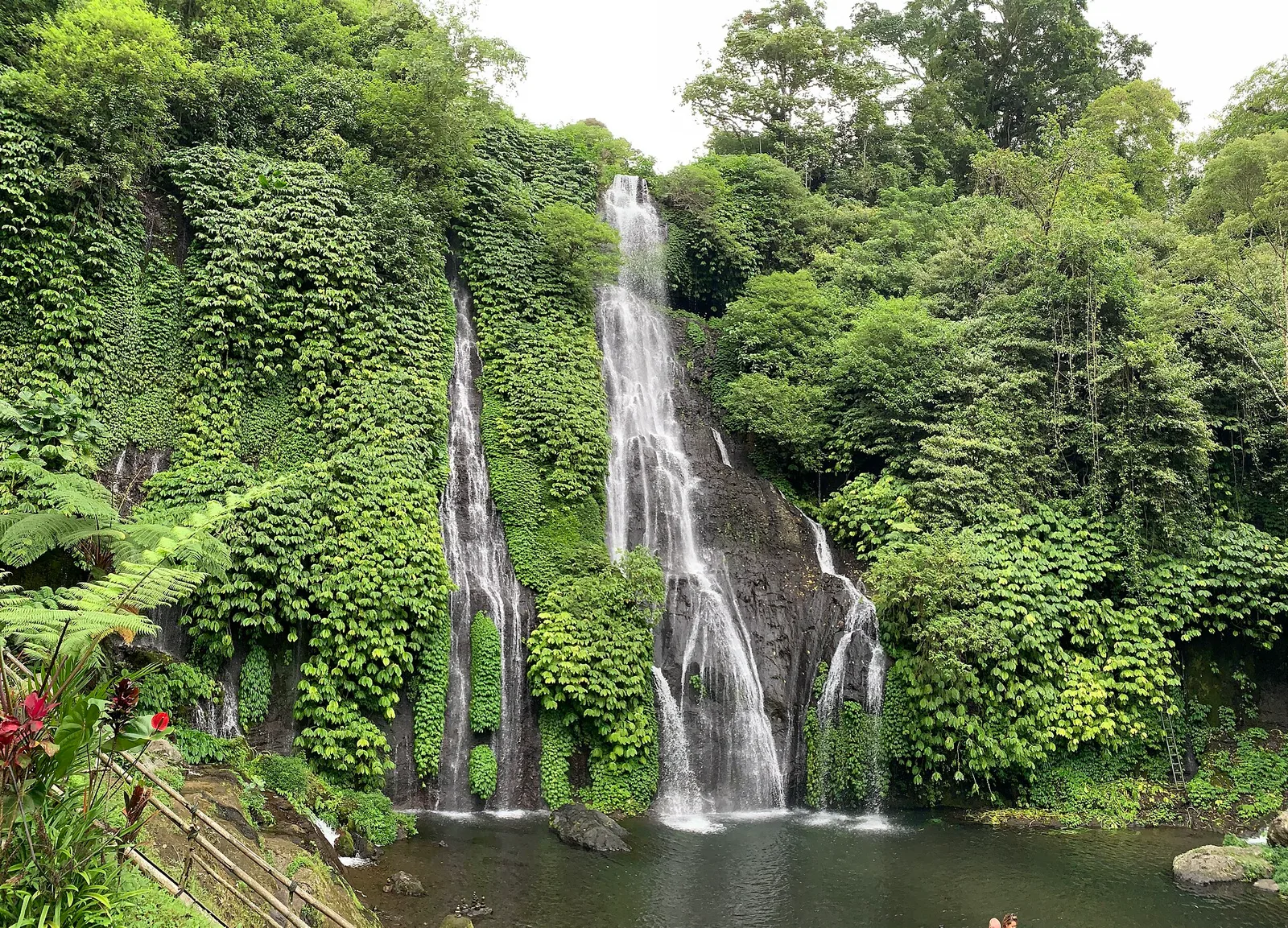
The short version
Pick two waterfalls across a trip rather than four, one easy and one that needs a walk, and take them from different parts of the island. Ask whether it has rained upstream recently before committing to a long drive, and aim for high and clear rather than simply high. Go at opening, wear shoes with grip, carry small notes for the village fee, and keep your phone in something waterproof. Do not swim in brown or rising water. And build the day around one fall plus a temple, a plantation or a walk, rather than a circuit of car parks.