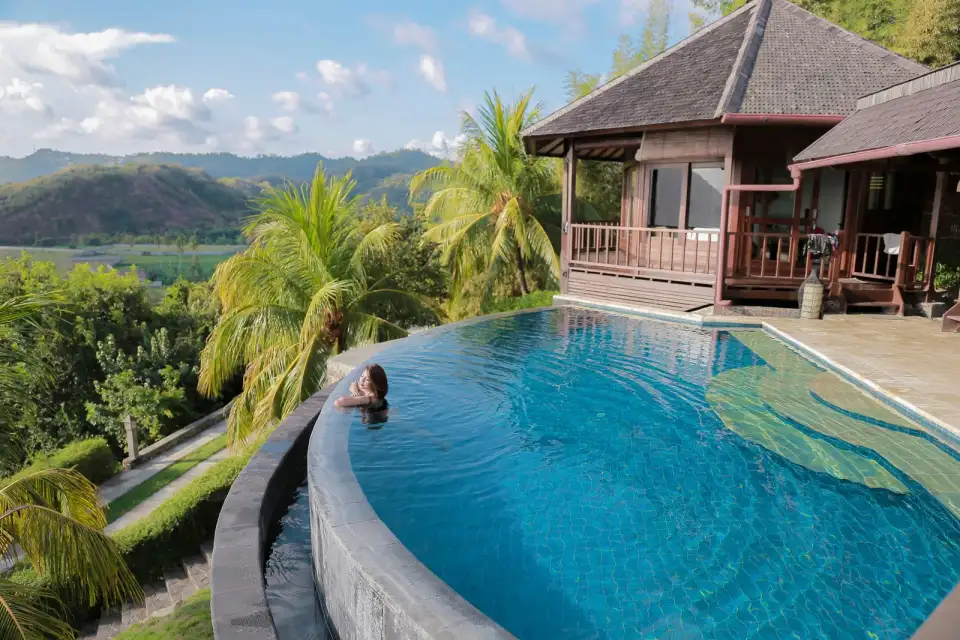
Bali has been a honeymoon destination for long enough that the industry around it is very good at selling a particular image: an infinity pool, a jungle valley, breakfast floating in the water. Some of that is worth the money and some of it is worth doing once. Here is a practical read on where the spending actually improves the trip.
Split the stay
The single best structural decision is not to book one resort for the whole time. Bali’s interior and its coast are different places with different weather, different light and different pace, and a week in one means missing the other completely.
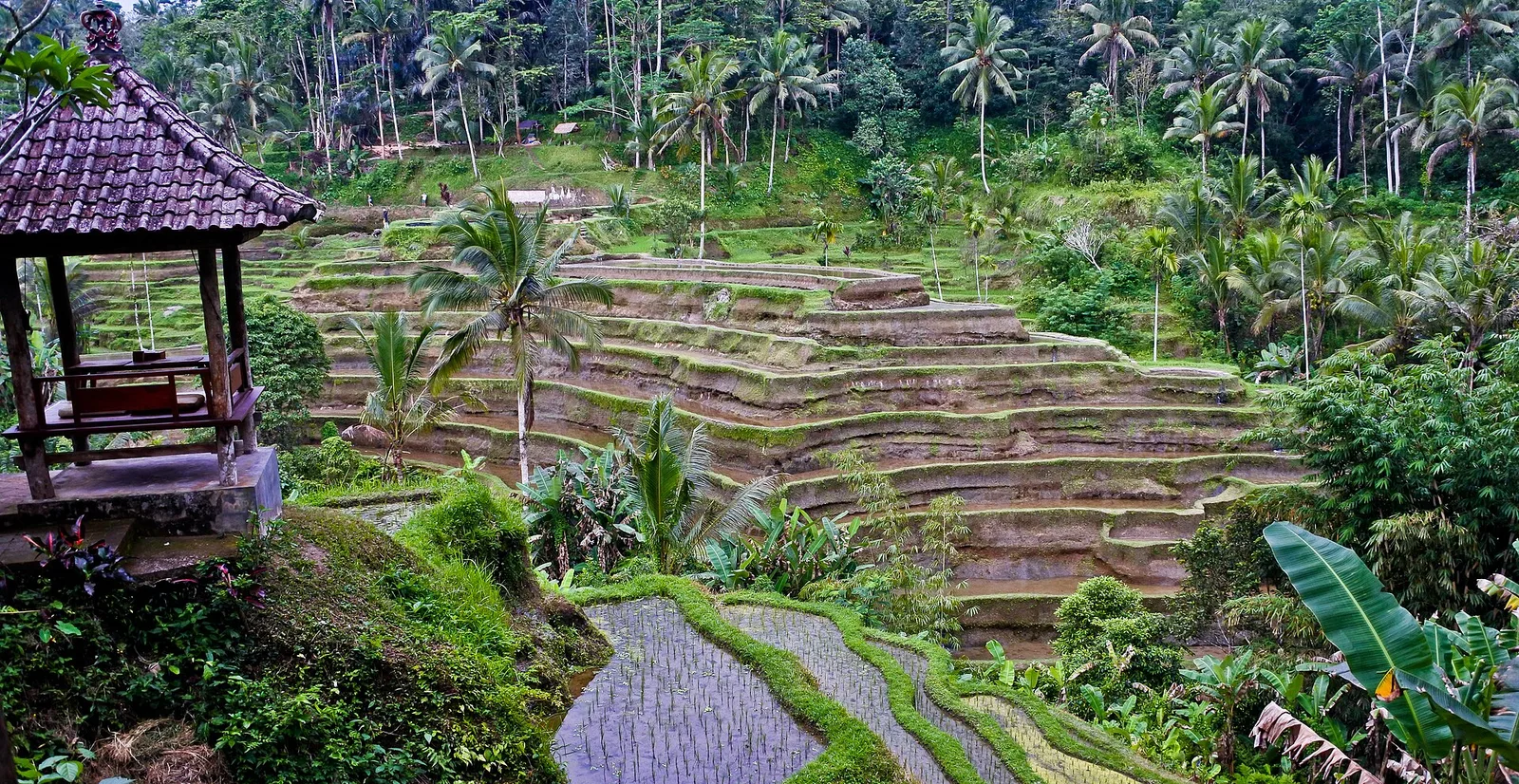
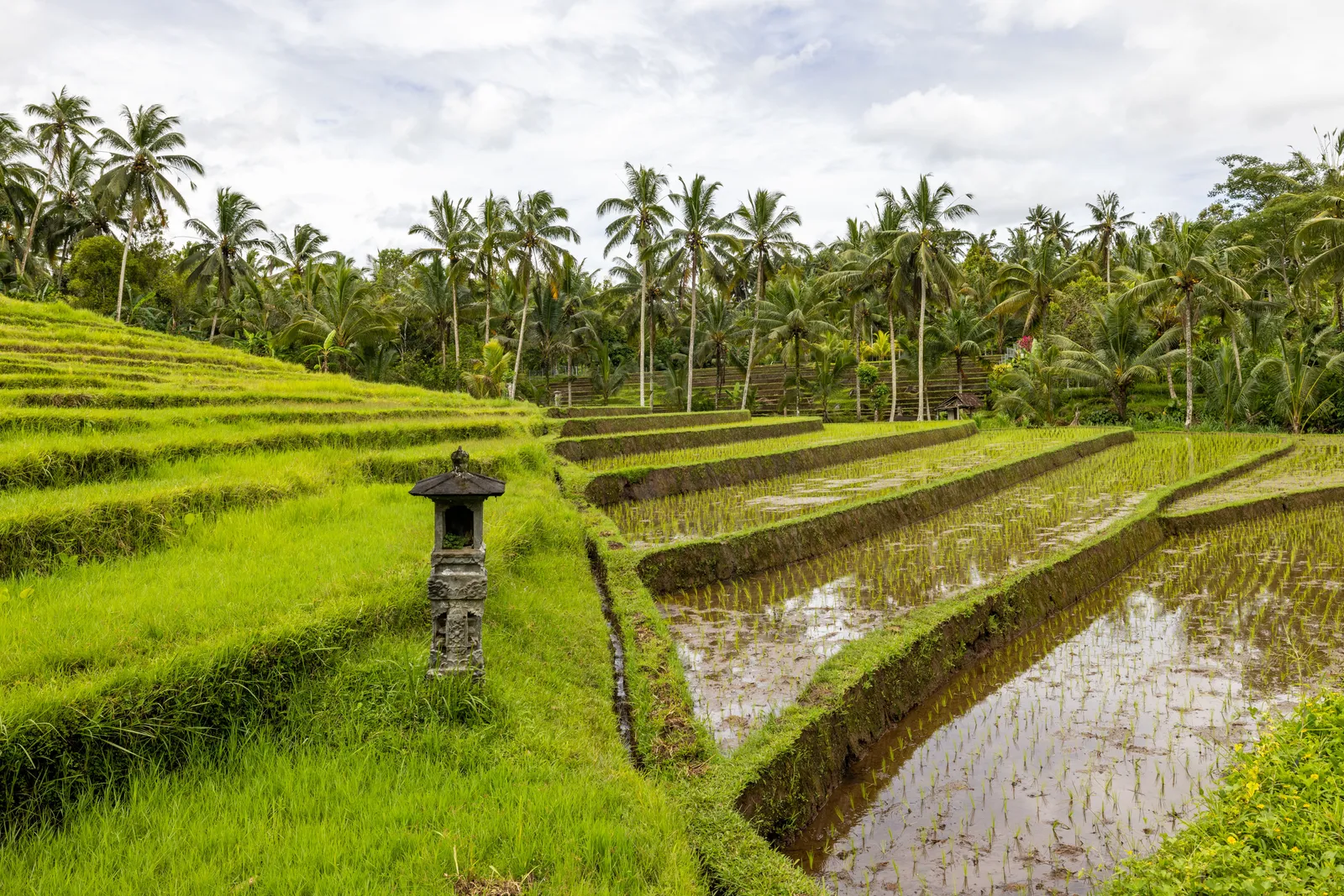
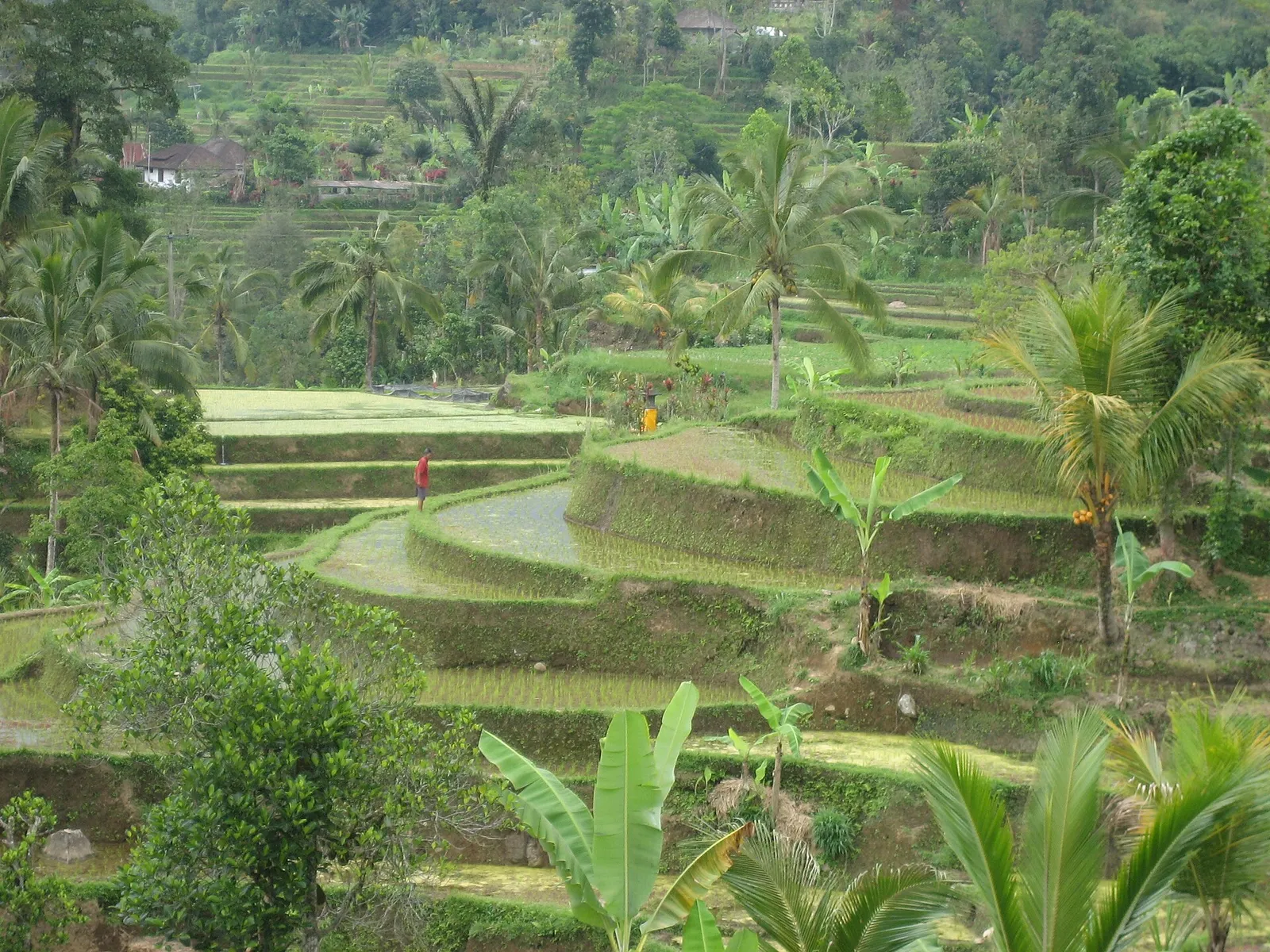
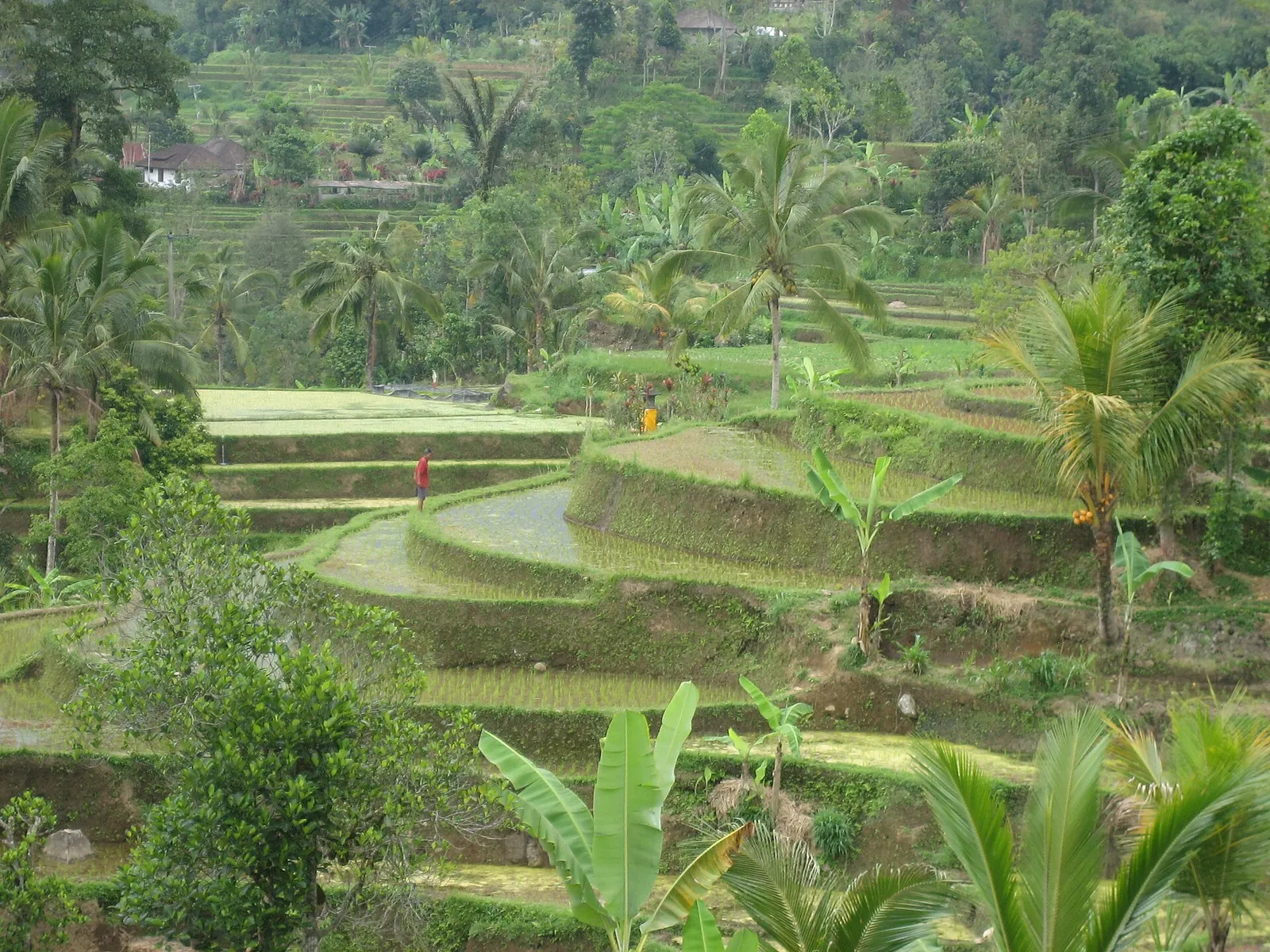
The standard split is several nights inland around Ubud, then several on the coast. Ubud gives you river valleys, terraced fields, mist in the mornings and cooler nights. The coast gives you sunsets, sea air and long evenings. Our Ubud guide covers the first half.
Two bases over ten days works well. Three over two weeks is reasonable. More than that and you are spending your honeymoon in a car, because the roads here are slow enough that a fifty kilometre move can take two to three hours.
Move in the morning rather than the afternoon, and let the property you are leaving arrange the driver, which is normal here and more reliable than booking a stranger the night before. One more thing worth doing: tell both properties at the time of booking that it is a honeymoon. Most respond with something, whether an upgrade when one is free, flowers or a bottle on arrival, and none of them offer it if you mention it at check-in.
The private pool is the upgrade that counts
If there is one thing to spend on, it is a villa with a private pool, and the reason is not the pool.
Bali is hot and humid, and the middle of the day is genuinely uncomfortable for being out and about. A private pool converts four or five hours of dead time into the best part of the day, and it buys real seclusion in a way a shared resort pool cannot. Couples who have done it almost universally say they would do it again.
Everything else on the luxury list is optional. This one changes the shape of the day.
Two things to check before booking one, because listings are written generously. Private means unoverlooked, and in Ubud in particular a pool on a terraced slope can sit in full view of the villa above it, so look at the photographs taken from outside the property rather than the ones taken from the water. And a heated or shaded pool matters more than it sounds inland: Ubud is cooler than the coast, the valleys hold shade from mid-afternoon, and an unheated pool in a shaded gorge is colder than most couples expect. On the coast the opposite problem applies, and a pool in full sun all day can be too warm to be refreshing.
Jungle or cliff
The two headline choices are genuinely different rather than better and worse.
Ubud and the interior means green: valleys, rivers, rice terraces, villas built into slopes, and a cultural centre with good food and cooking classes on the doorstep. Mornings are misty and evenings are cool. It is not a beach holiday.
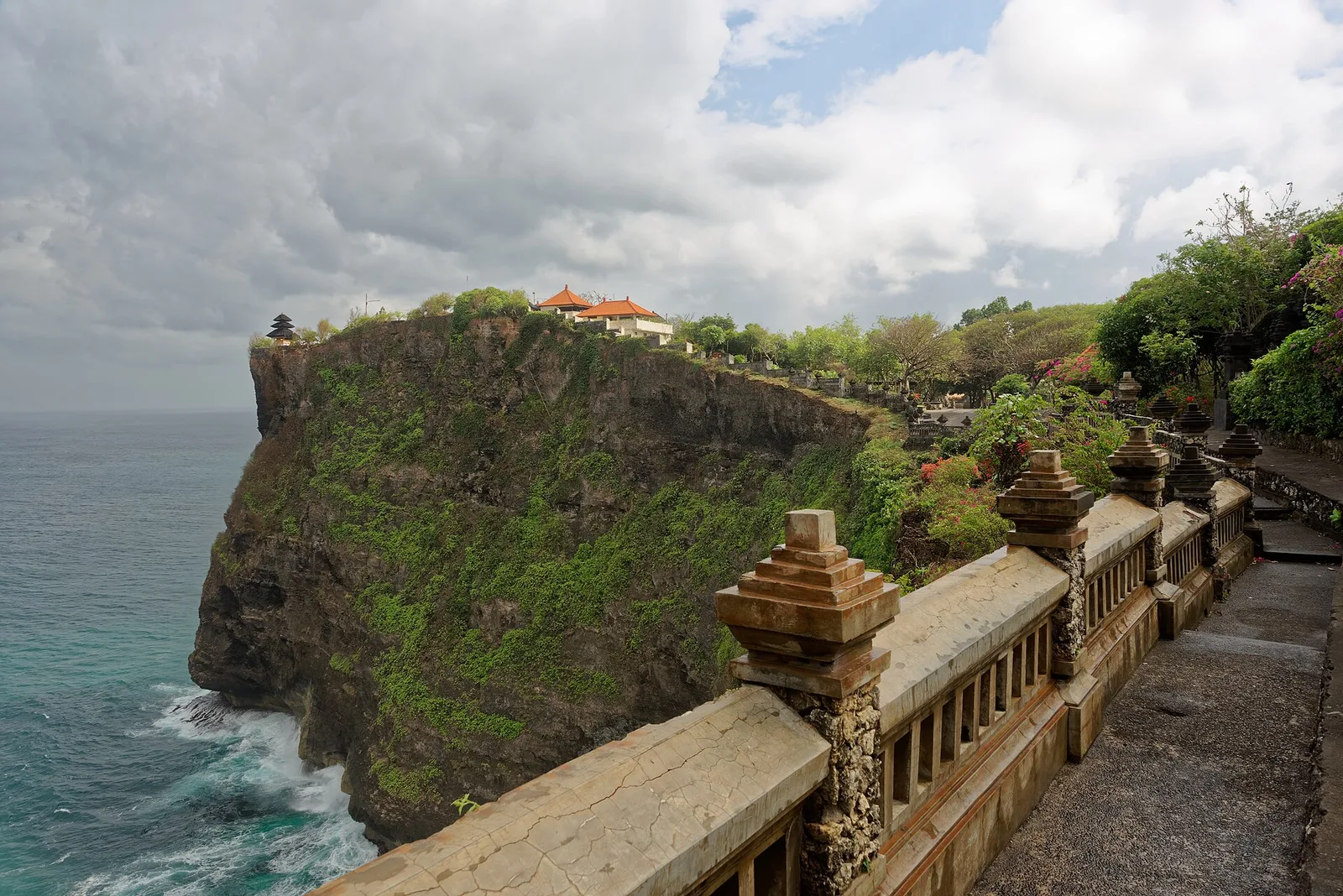
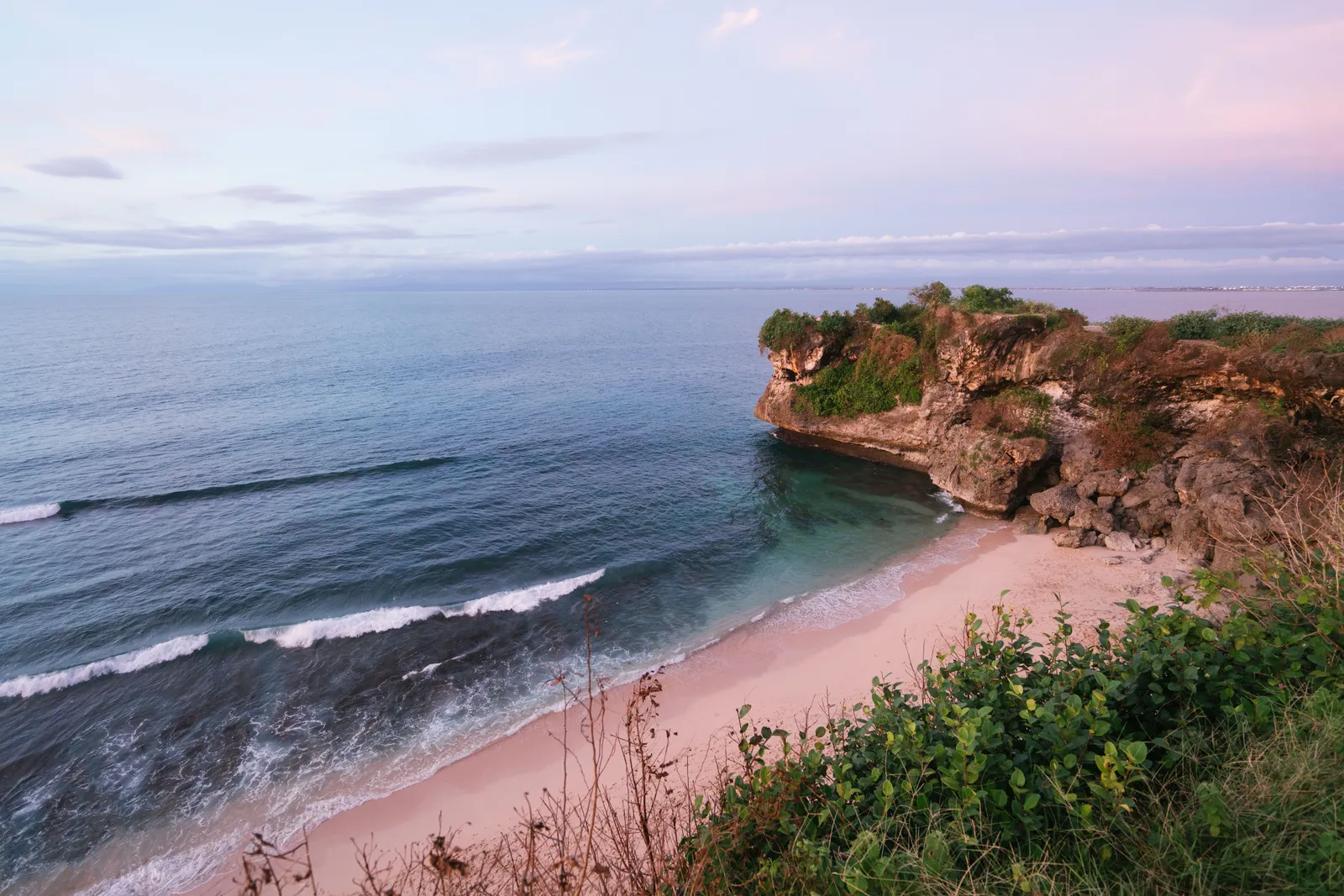
Uluwatu and the Bukit peninsula means clifftops: villas above the ocean, long sunsets over the water, surf beaches below and a sparser, drier landscape. Our Uluwatu guide covers the area. It is spectacular and it involves a lot of steps.
Pick both, in that order, and you have the trip.
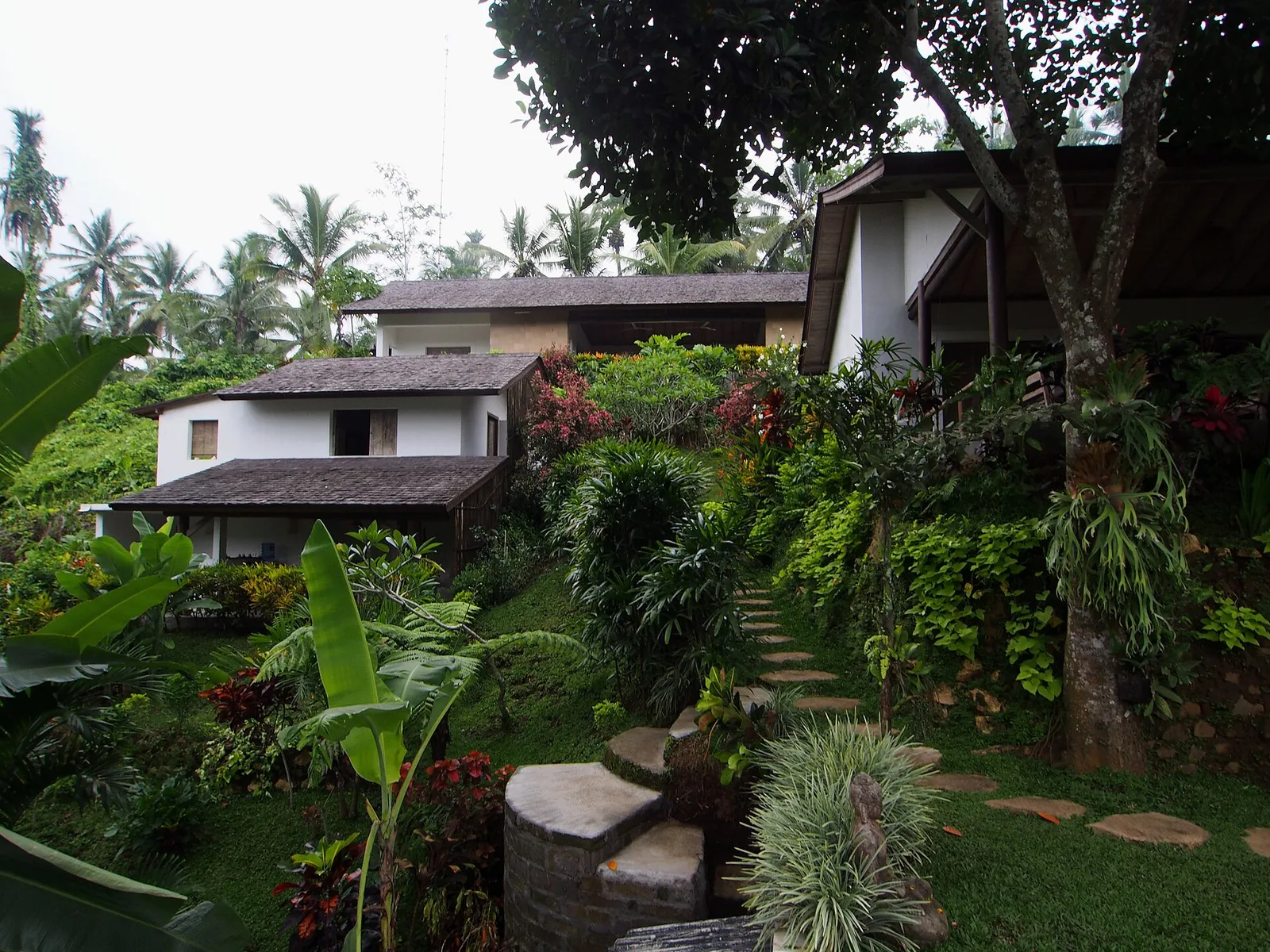
The villa is the decision, not the destinationOn a honeymoon here the property matters more than the area, and the best private-pool villas book months aheadThe floating breakfast, honestly
It is a tray of breakfast that floats in your private pool, it exists because it photographs beautifully, and most villas with a pool offer it either included or for a modest charge.
It is also perfectly pleasant if the idea appeals. Two honest notes: the food is generally served cold by design, and it is a novelty rather than a reason to choose a property. Do it once, take the photograph, and have breakfast on the terrace the other mornings.
The quiet alternatives
If seclusion matters more than facilities, two areas are consistently underrated for this.
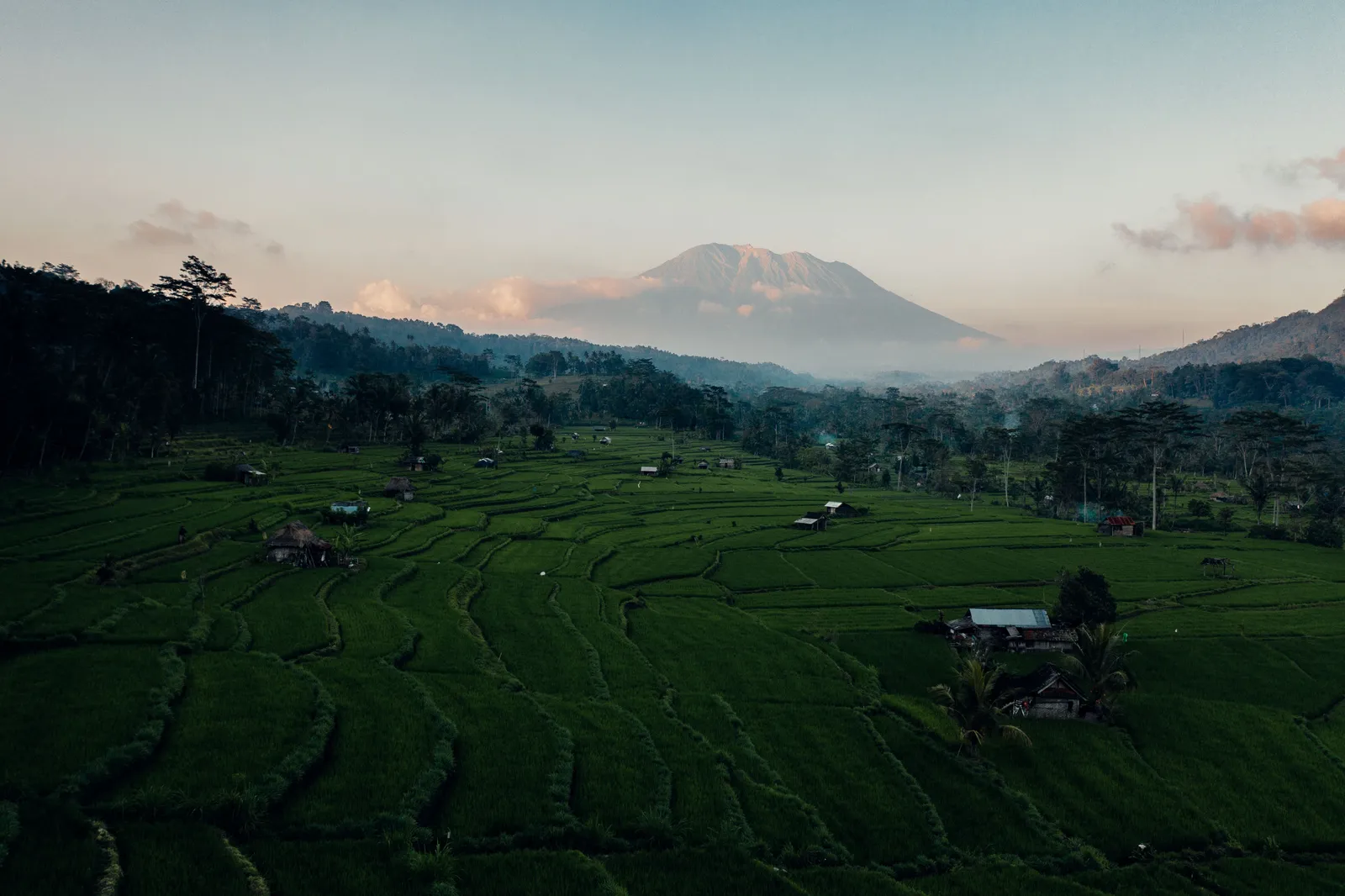
The Sidemen valley in the east has the rice terraces and volcano views that Ubud is famous for, at a fraction of the visitor numbers and the price, with almost nothing to do beyond walking and looking, which is rather the point.
The north coast around the lakes and the black sand beaches is quieter again, cooler, and a long way from the crowds of the south. It is a genuine trade: fewer restaurants and less choice against a great deal more peace.
Our guide to where to stay in Bali sets out the full range of areas and what each one is for.
Timing and one practical note
The drier months from around April to October are the conventional recommendation, with July and August the busiest and priciest. The shoulder weeks at either end often give the best balance of weather, cost and crowds. The wet season is cheaper and not a washout, since rain tends to arrive in heavy afternoon bursts rather than lasting all day, but the humidity is higher.
On ceremonies: Bali has a large and capable wedding industry, particularly at the clifftop and beachfront venues. Legal marriage in Indonesia involves religious and civil requirements that are genuinely complicated for foreign couples, which is why a great many arrange the legal marriage at home and hold a symbolic ceremony here. If the legal route matters to you, take specialist advice well in advance rather than relying on a venue’s summary of it.