A cooking class is the single most useful thing most visitors do in Bali, and not because anyone goes home and cooks it. It is because four hours spent grinding a spice paste and walking a market explains the food you have been eating for a week, and changes what you order for the rest of the trip. Here is what a class actually involves and how to pick one worth the morning.
The shape of a class
Nearly all of them follow the same pattern, and it is a good one.
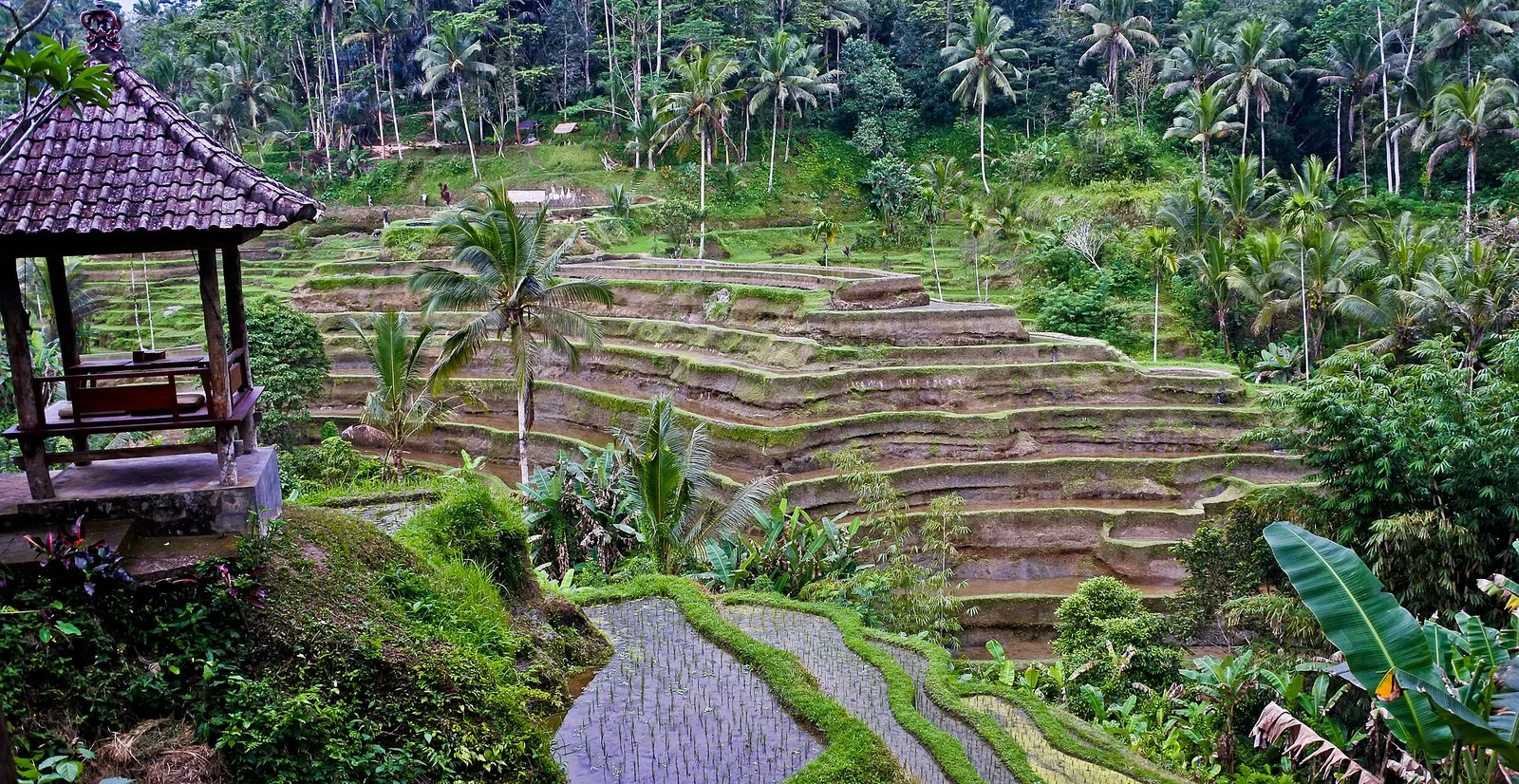
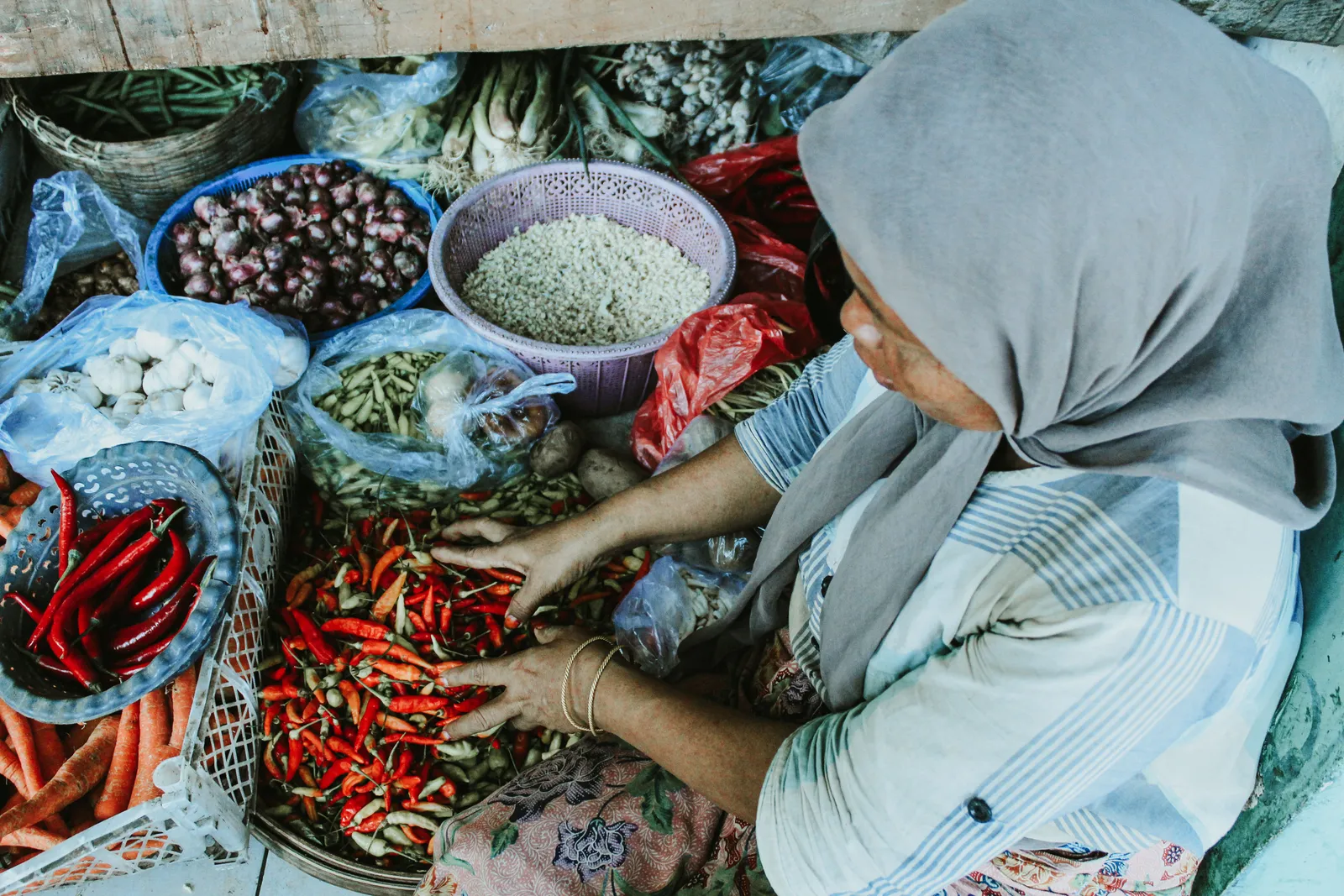
An early start, because the market is the first stop and markets here run at dawn. Then a walk through the stalls looking at ingredients most visitors cannot identify, which is the part people remember longest. Some venues add a walk through a garden or rice field to see things growing.
Then several hours of cooking, usually covering four to six dishes, followed by sitting down and eating everything you have made as a proper lunch. Most classes finish in the early afternoon.
The market visit is not filler. Choose a class that includes one.
Base genep: the thing that matters
If you learn one thing, it is this. Base genep is the foundational Balinese spice paste, and almost every savoury dish on the island starts from it.
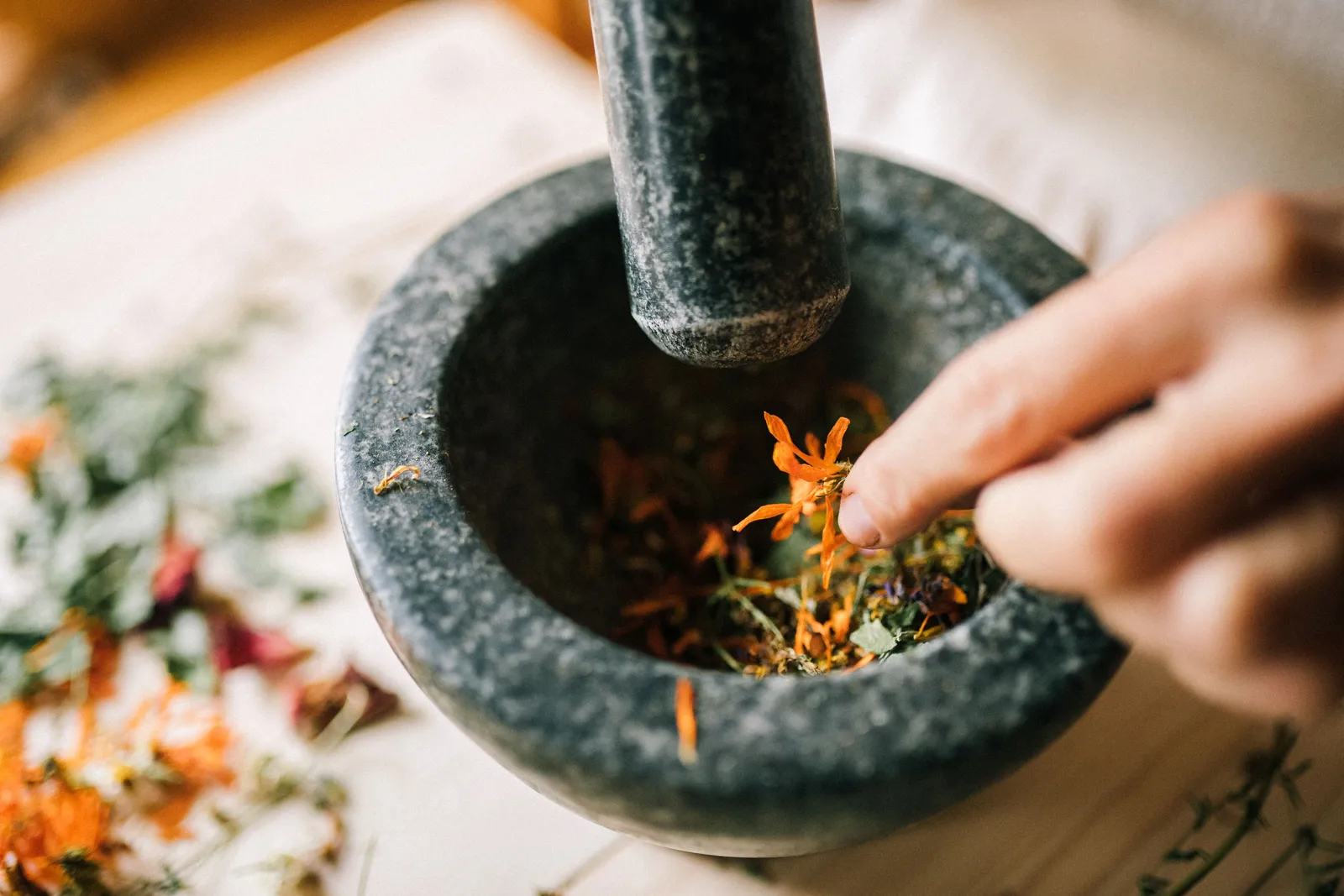
It is made by grinding together a long list of aromatics: shallot, garlic, ginger, galangal, turmeric, chilli, candlenut, coriander seed and more, in a stone mortar, by hand, for considerably longer than you expect. Classes spend a disproportionate amount of time on it and they are right to.
The reason it matters is that it is not a recipe, it is a key. Understanding the paste explains why Balinese food tastes the way it does, why it is different from Thai or Indian food that uses overlapping ingredients, and what is going on in every dish you order afterwards. Our food guide covers the dishes; the class covers the grammar underneath them.
What gets taught
The standard set is fairly consistent:
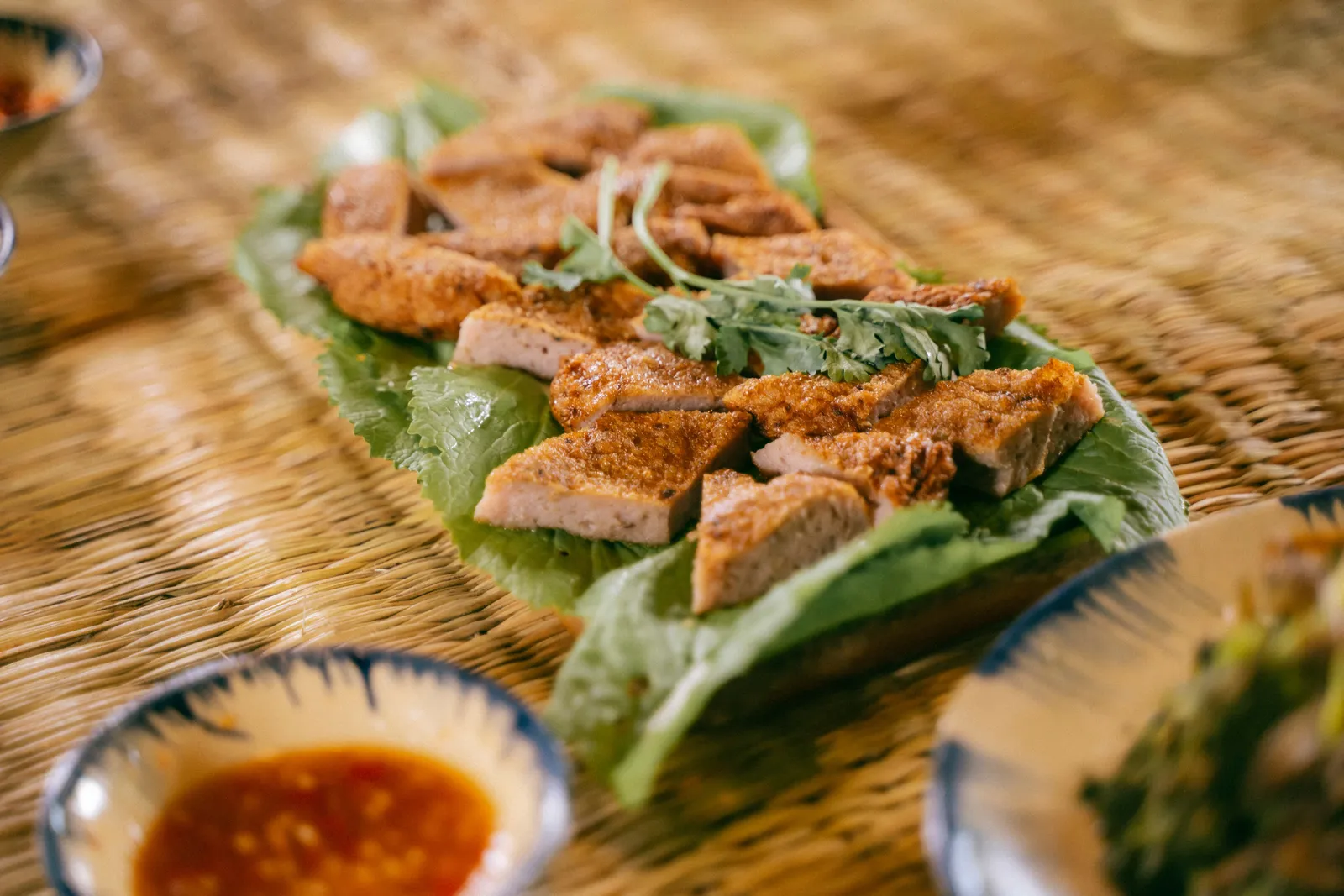
- Sate lilit, minced fish or chicken with coconut and spice paste, wrapped around a lemongrass stalk and grilled
- Urab, vegetables tossed with grated coconut and paste
- A curry or chicken dish built on base genep
- Sambal made from scratch, usually two or three versions
- Sometimes a soup and a simple dessert with palm sugar and coconut
The famous babi guling, the spit-roasted suckling pig, is generally demonstrated or discussed rather than made, for the obvious reason that it takes a whole day and a fire pit.
Book the small one, not the big oneThe difference between a class and a cooking show is whether you grind the paste yourself, which comes down to group sizeHow to pick one
Two questions separate a genuine class from a demonstration.
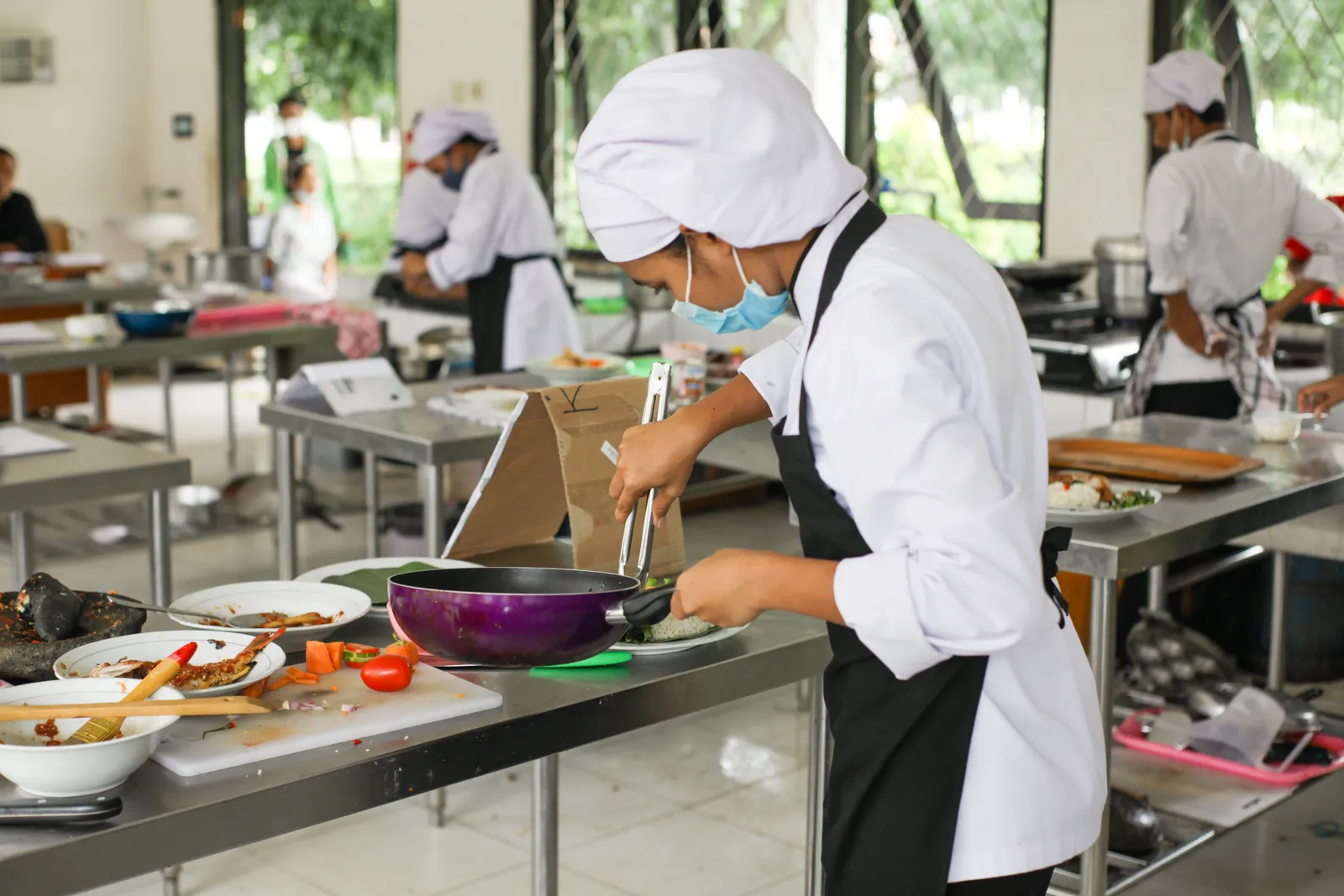
How many people are in the group? Large groups drift towards watching. Small ones involve everyone.
Does each participant have their own station? If the answer is vague, you are likely to be spectating while a chef cooks.
Smaller operations, frequently run from a family compound rather than a purpose-built school, tend to be more hands-on, cheaper and more interesting, because you are cooking in someone’s actual kitchen. The large commercial venues are more polished and more passive.
For vegetarians and vegans
Most classes accommodate plant-based cooking and many in Ubud advertise it specifically. The point to raise when booking is terasi, the fermented shrimp paste that goes into many sambals and spice pastes as standard, even in classes that otherwise adapt the main dishes.
Ask about that ingredient by name rather than stating a diet. Any reputable operator will substitute it without difficulty, and the resulting paste is still recognisably the real thing.
Where to do it
Ubud has the greatest concentration and the best range, which follows from being the cultural centre of the island and from having the rice fields and gardens that classes are built around. Our Ubud guide covers the area.
There are good options in the southern beach districts and in the east, and some of the most rewarding are run by families in villages rather than by schools. If a cooking class is a priority for the trip, base yourself in or near Ubud and book one for early in the stay rather than late, so that the rest of your eating benefits from it. Our guide to the best restaurants in Bali is considerably more useful after you have ground a spice paste yourself.
Practical details
Timing. Most classes start between seven and nine in the morning, because of the market visit, and finish in the early afternoon. Afternoon classes exist and generally skip the market, which removes the best part.
What to wear. Closed shoes are sensible for the market and the kitchen, and you will be outdoors for part of it in most venues. Kitchens here are frequently open-sided rather than air-conditioned, so expect to be warm.
Transport. Many classes include hotel pickup within a defined area, which is worth confirming when booking, since a class in a village outside Ubud can be a long ride from the coast.
What you take home. Most operators send participants away with a recipe booklet, and the useful ones include the spice paste in a form that works with ingredients you can actually buy elsewhere. Galangal, candlenut and fresh turmeric are the ones that are hard to source outside Southeast Asia, and a good instructor will tell you what substitutes work rather than pretending the problem does not exist.
Children. Several operators run family versions with simpler dishes and less knife work. Given the early start and the length, they suit older children considerably better than young ones.