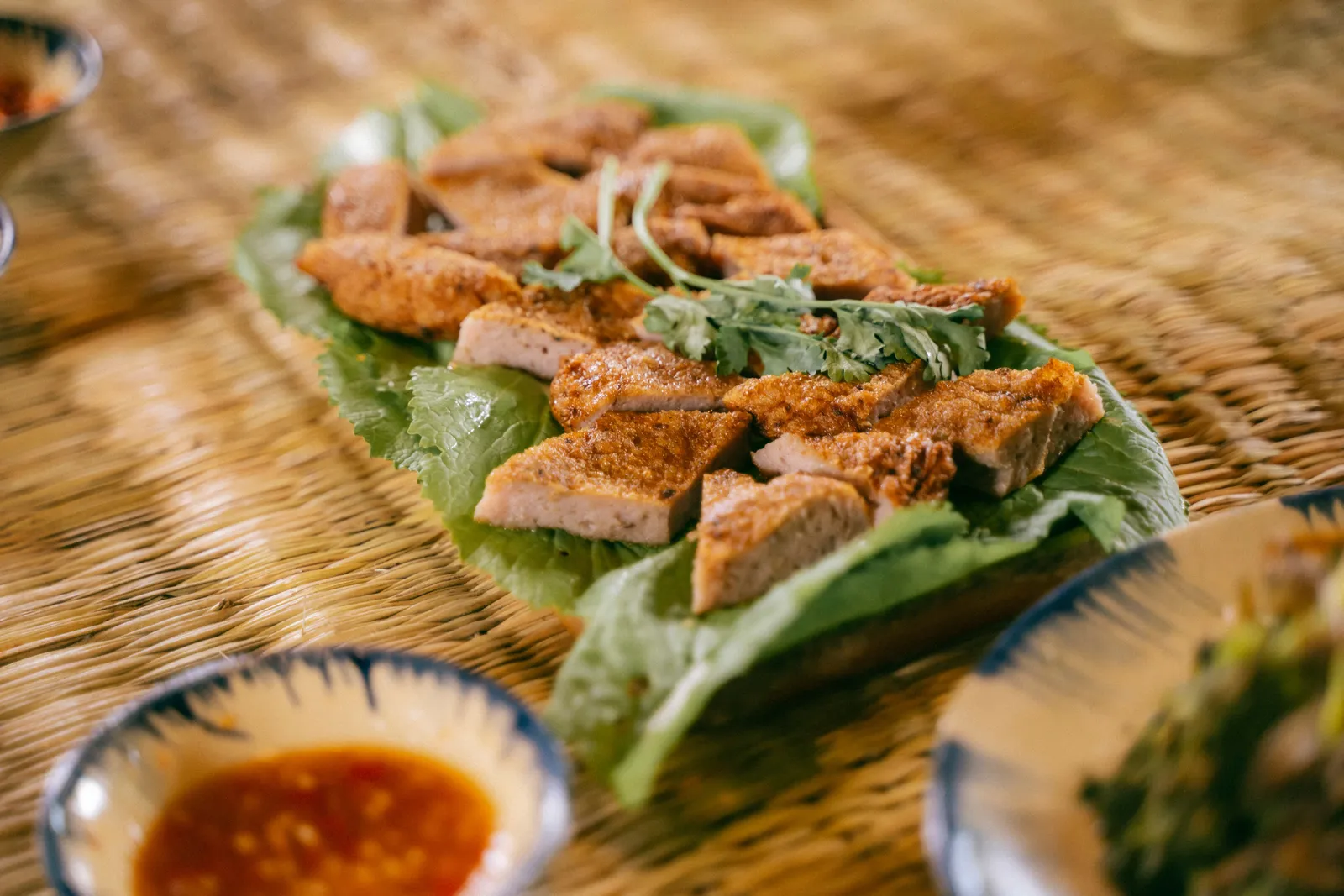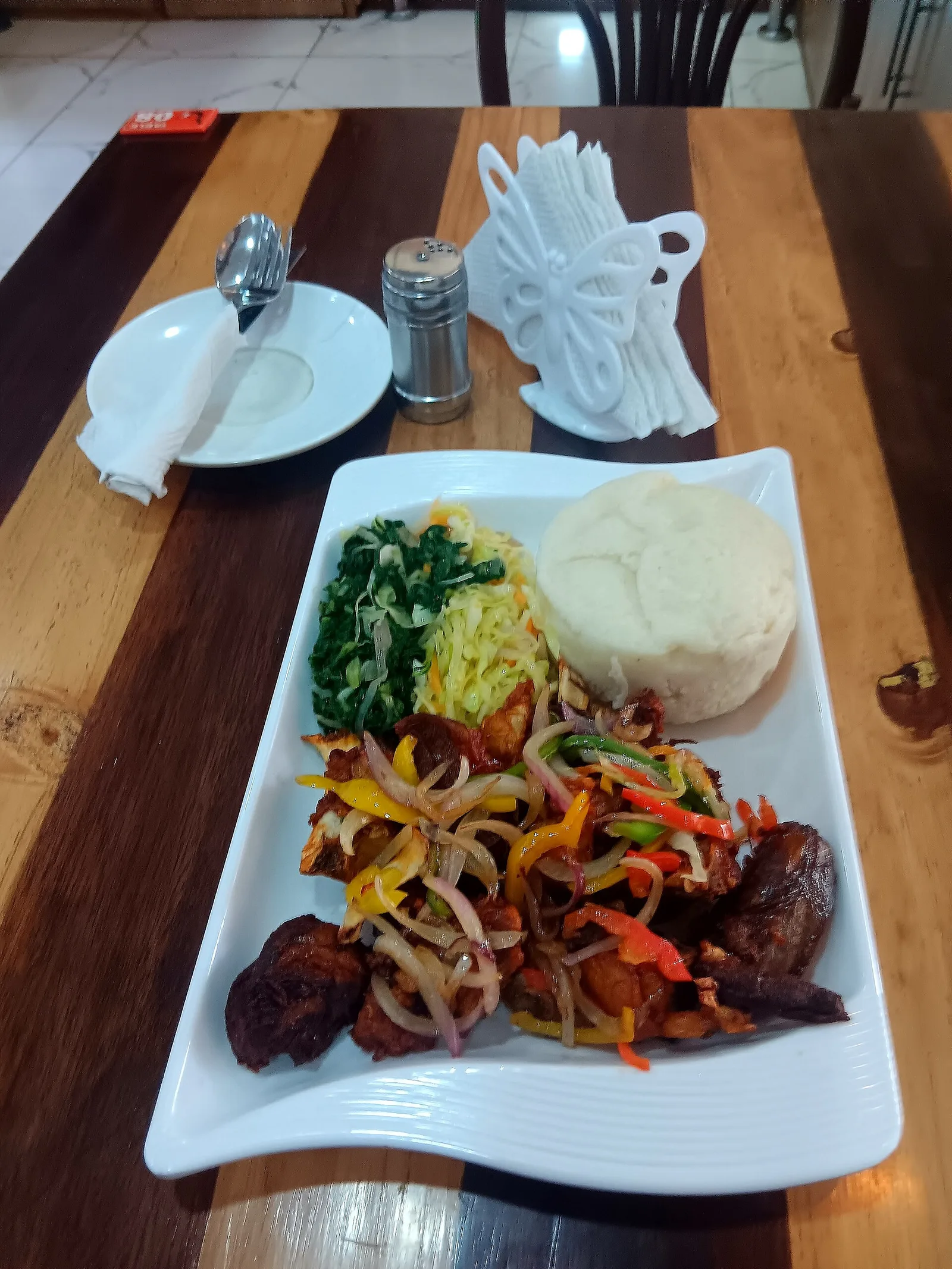
The single biggest gap between what visitors spend on food in Bali and what people who live here spend is not a matter of hunting down secret addresses. It is the warung: the small, family-run eating places that feed most of the island every day, and which many travellers walk past for a fortnight because they are not sure how ordering works. Our wider food guide covers what the island eats; this is a guide to the system itself, how to use it confidently, and how to eat very well for a fraction of what a beach club charges.
What a warung actually is
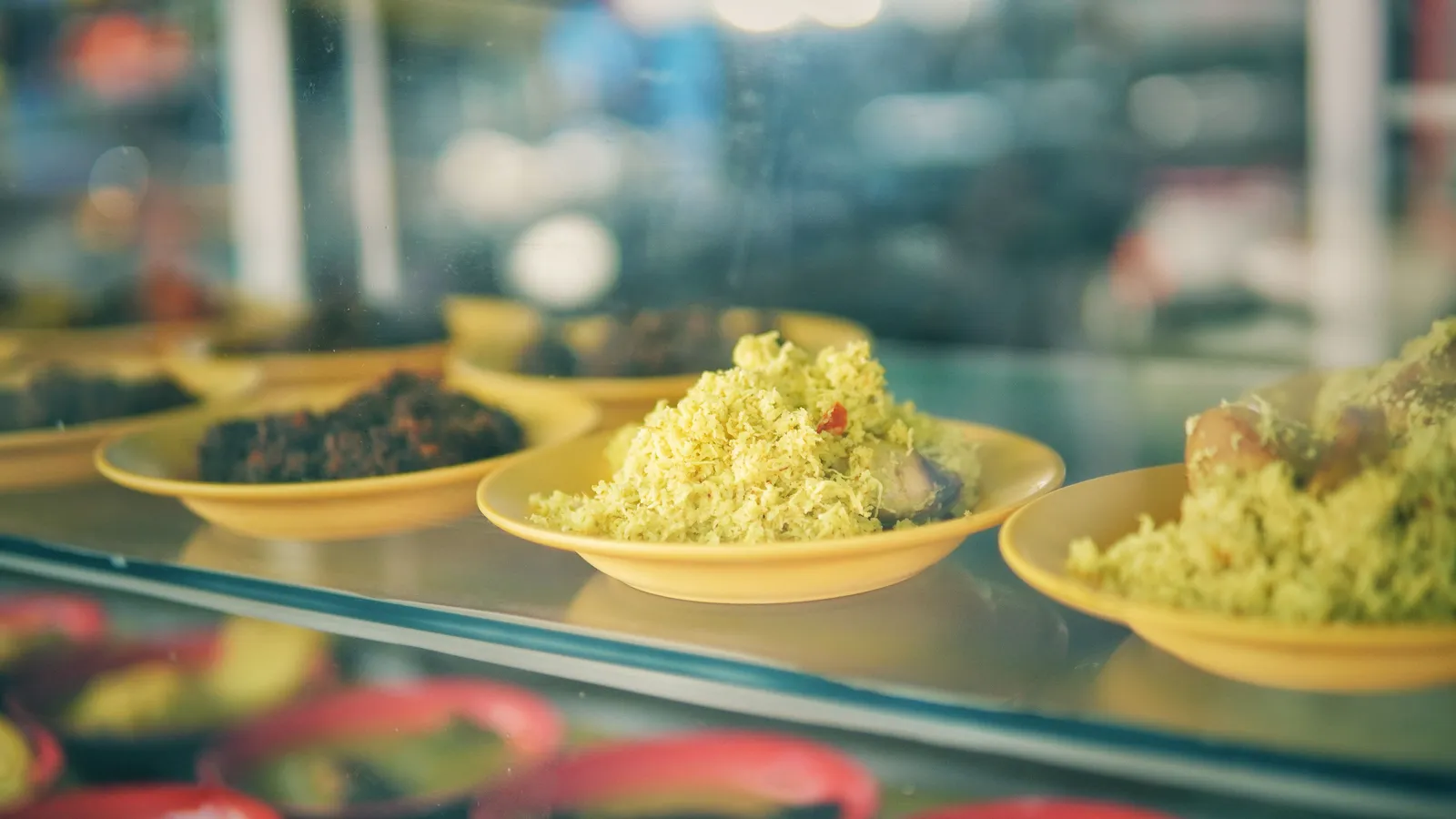
A warung is defined by its model rather than its appearance. A family cooks a set number of dishes in the morning, sets them out in a glass display case or keeps them in covered pots, and sells until the food runs out. There is no rolling kitchen, no long menu, and often no menu at all. What you see in the case is what exists today.
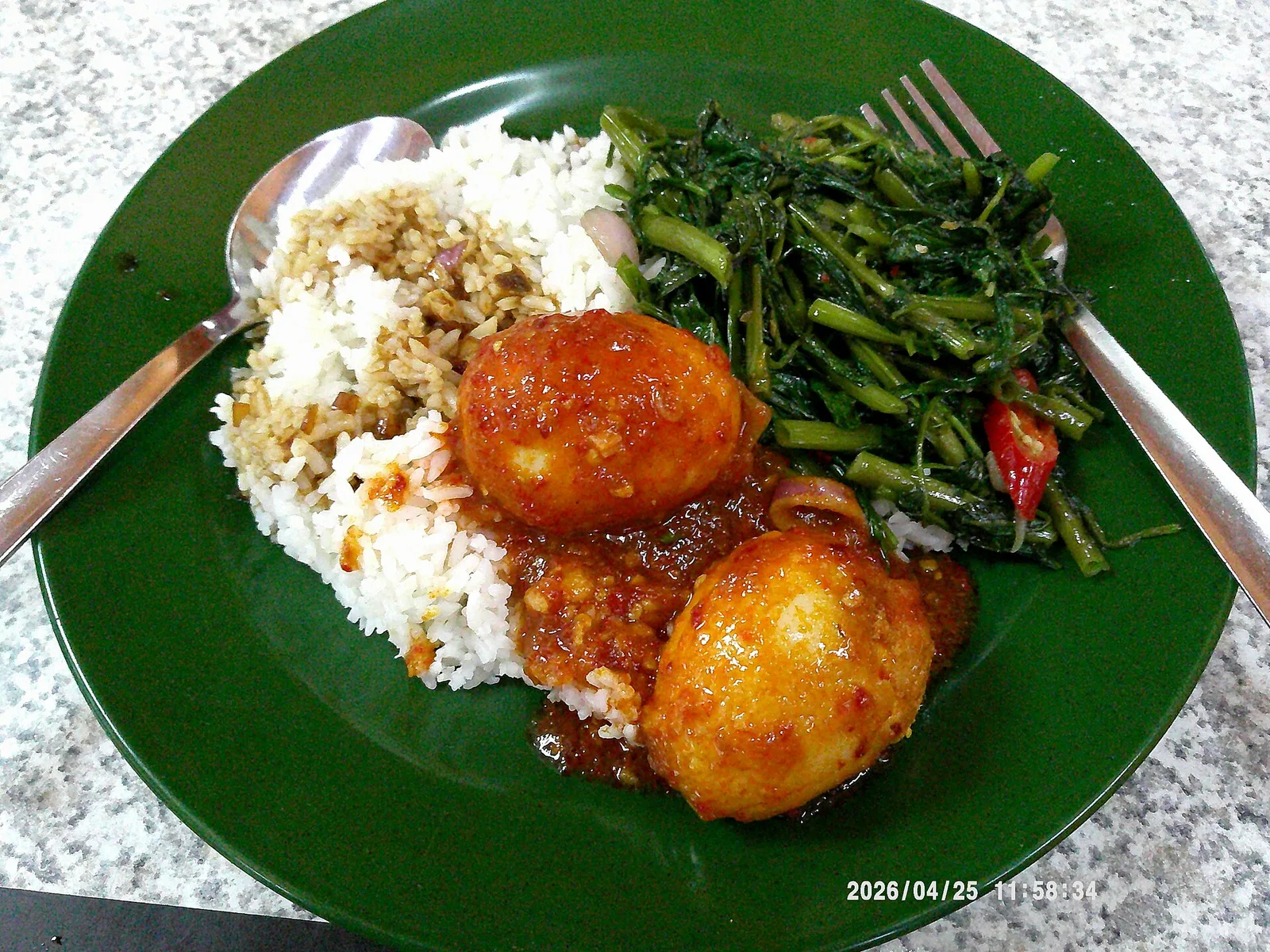
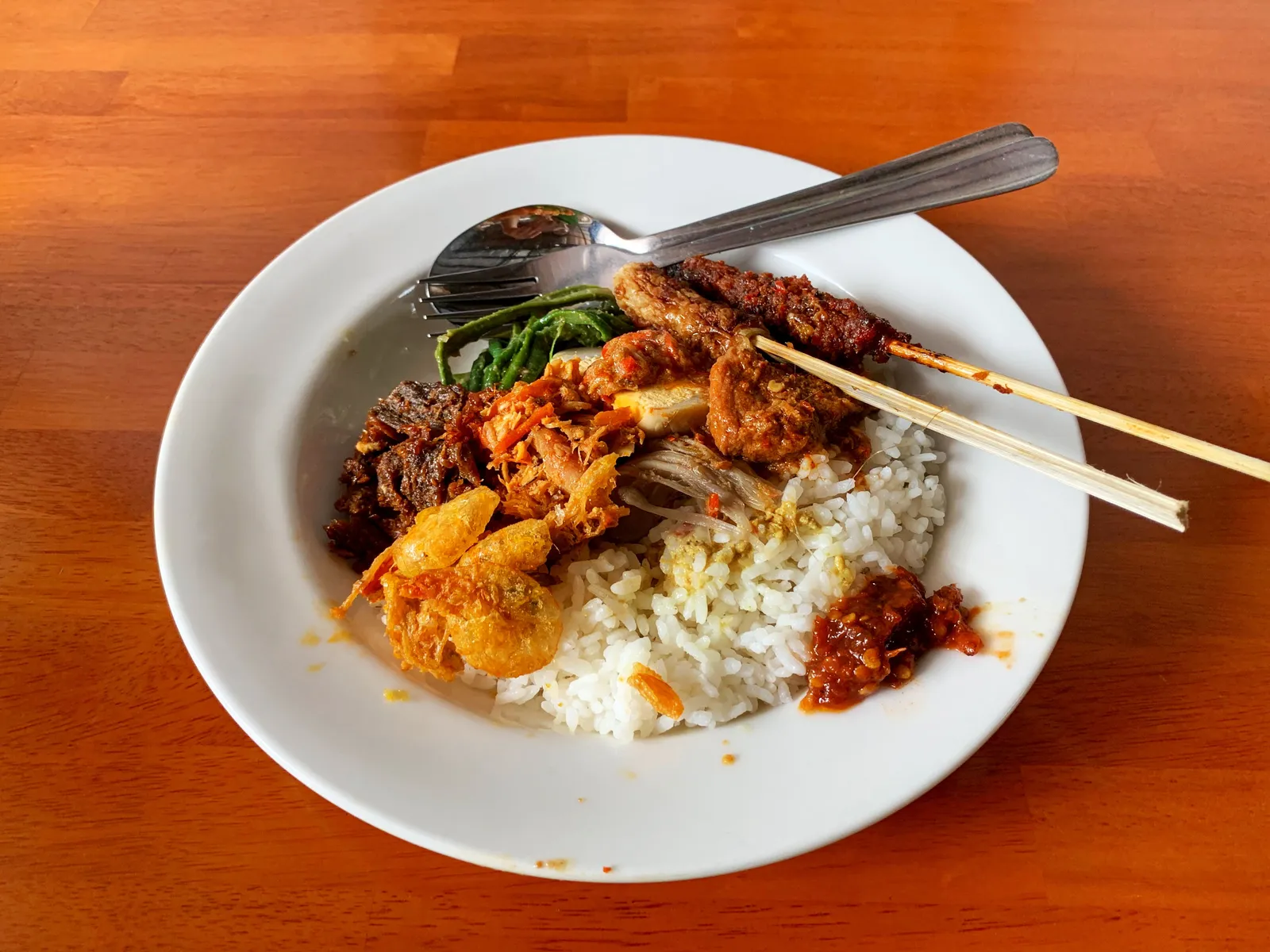
Some warungs specialise: babi guling roast pork, sate, bakso meatball soup, ayam betutu slow-cooked chicken. But the workhorse is the warung nasi, serving nasi campur, which translates roughly as mixed rice and means exactly that: a base of steamed rice with several small portions of whatever the kitchen made, chosen by you.
The other thing worth understanding early is that prices at a warung are usually the prices you pay. Mid-range and upmarket restaurants across Bali commonly add a government tax and a service charge on top of the listed price, flagged on the menu with a double plus symbol or the words plus plus, whereas a small warung generally quotes flat. If you are used to bills coming in higher than expected in Bali’s restaurants, this is one of the reasons a warung plate feels even cheaper than it looks.
Nasi campur, and how the pointing works
This is the part that puts people off, and it takes about thirty seconds to learn. You take a plate, or one is handed to you. Rice goes on first. Then you point at what you want from the case, one item at a time, and the server spoons it on. Nod when you have enough, shake your head at the ones you do not want, and that is the whole transaction.
A typical spread might include tempeh in sweet soy, fried tofu, long beans in coconut, shredded chicken, a boiled egg in sambal, fried anchovies, jackfruit curry, and something green and mildly bitter that changes daily. Sambal, the chilli relish, is added at the end and is where the heat lives. If you are unsure, say tidak pedas, meaning not spicy, and take a small spoon of it on the side instead.
You will not be charged per item on a printed scale. The person serving looks at the plate and names a price, which is normal and not a negotiation. Two useful words: bungkus for takeaway, wrapped in paper or a banana leaf, and sini if you are eating in.
What it should cost
Warung prices are rising, they differ enormously by area, and there is no official pricing authority to quote, so treat everything here as a shape rather than a figure and look at the board on the day.
The rough picture: a plate of nasi campur at a genuinely local warung, away from the tourist strips, sits in a low band of a few tens of thousands of rupiah. The same dish in central Canggu or Seminyak, cooked for a visitor audience and served with a flat white, can run several times that and still be described as a warung. Neither is a scam. They are simply two different businesses using the same word, and the price gap between them is the single easiest lever on a Bali food budget, as our budget guide sets out in more detail.
Payment is usually cash, and small notes are appreciated. QRIS, the Indonesian QR payment standard, is increasingly accepted even at modest places, but never assume it. Tipping is not expected at a warung and is often waved away.
Get a data connection before you landMaps, translation and QR payments all lean on mobile data, and warungs rarely have wifiTiming: why locals eat early
Because the food is cooked once, a warung nasi is at its best in the morning. Balinese customers often eat a full rice plate well before nine, and the case is at its fullest then. By early afternoon the good dishes have gone and what is left has been sitting for hours. Many places simply close when they sell out.
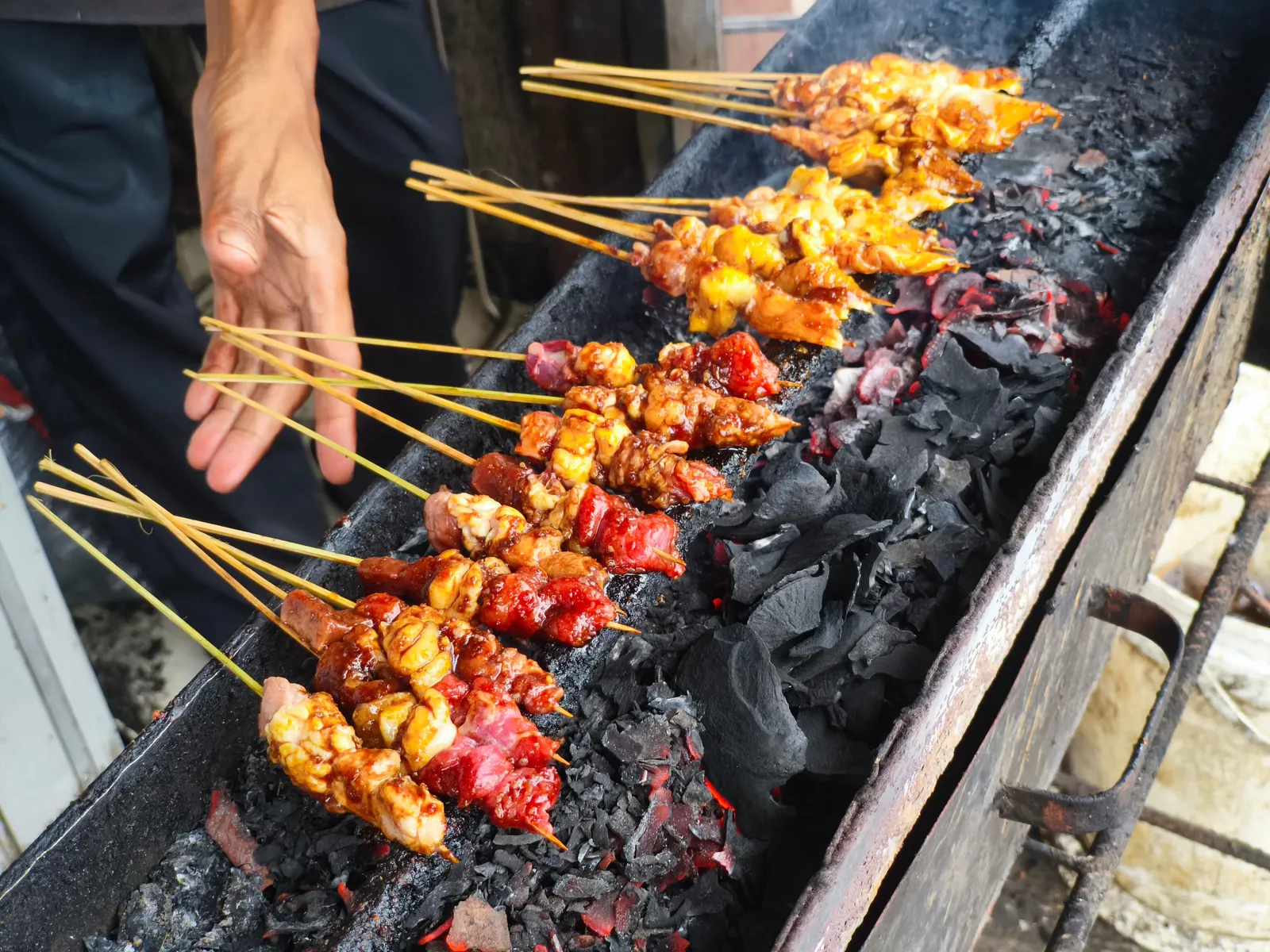
This is why a celebrated warung can appear to be permanently shut to a visitor who turns up at half past one. If somewhere has been recommended, go early. In the evening the eating shifts elsewhere: to satay carts, night warungs and markets, which run on a different rhythm entirely.
Ceremony days also matter. Bali runs on a dense Hindu ritual calendar, and family-run places close, sometimes at short notice, for temple obligations. It is not worth planning a single meal around one specific warung.
Eating safely without being paranoid
Warung food is not inherently risky, and the mental model that street food equals illness does not survive contact with how Bali actually eats. That said, a few habits are worth keeping, and the sensible source to read before you travel is the CDC travellers health page for Indonesia, which sets out food and water precautions properly.
The practical version: favour food that is fully cooked and hot, be more cautious with raw salads and unpeeled raw fruit, do not drink tap water, and be thoughtful about ice where you cannot judge the source, though ice at established places in Bali is usually factory-produced. Carry hand sanitiser, because warung sinks are variable. And use turnover as your best signal: a busy warung at eleven in the morning has food that was made two hours ago, while an empty one at three in the afternoon has food that was made at six.
Warung etiquette, briefly
None of this is formal, but it smooths things. Serve yourself calmly and do not overfill the plate on the first pass, since you can always go back. Use your right hand for eating and for passing money. Do not haggle: warung prices are set, and bargaining over a rice plate reads as rude rather than savvy.
If you are vegetarian, be aware that dishes which look plant-based frequently are not. Terasi, a fermented shrimp paste, is common in sambal and in vegetable dishes, and stocks are often made with chicken. Asking tanpa terasi, without shrimp paste, is understood and worth doing.
Above all, treat the warung as the default rather than the adventure. It is where the island’s food actually lives, and once the pointing feels normal, most of Bali’s best eating opens up at a price that makes a longer trip possible.